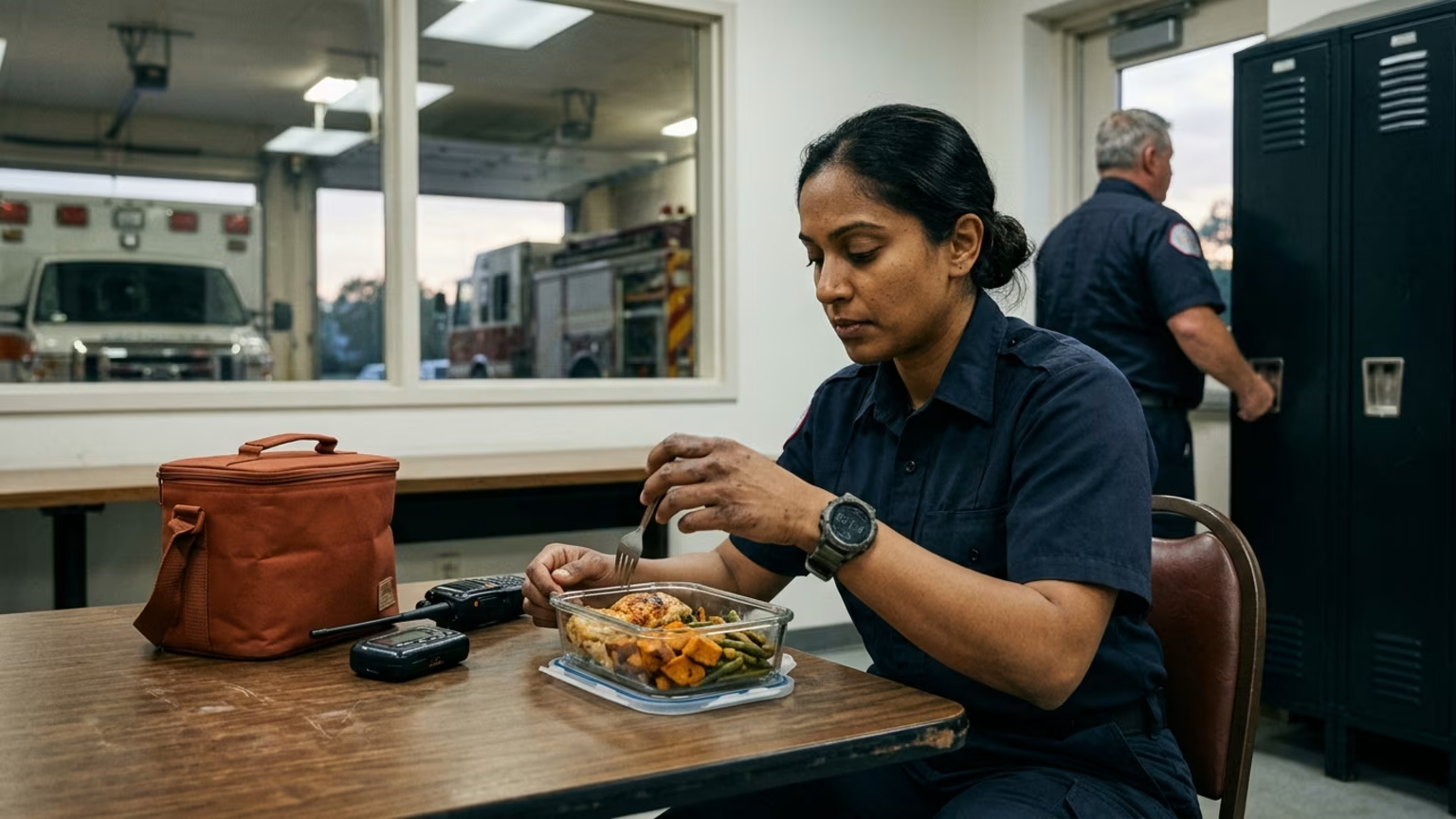

Examine how circadian misalignment affects first responder nutrition, and learn practical protocols to fuel night shifts while protecting metabolic health.





Night duty creates overlapping physiological challenges for first responders. Personnel must process food at times when their internal circadian system is least prepared for digestion. Controlled laboratory research found that post-meal glucose was 17% higher in the biological evening than in the biological morning. A 12-hour behavioral inversion caused an additional 6% increase in post-meal glucose through a separate impairment in insulin sensitivity [2].
Sleep loss also alters appetite hormones and subjective hunger. Experimental sleep restriction reduces the satiety hormone leptin while increasing the hunger hormone ghrelin. These changes reliably raise subjective hunger and drive a strong appetite for calorie-dense foods. This powerful hormonal shift makes resisting poor nutritional choices much harder on limited rest.
These hormonal changes translate directly into altered daily energy intake. Reviews of experimental sleep-restriction studies consistently find that limiting sleep increases total daily energy consumption. Participants facing sleep restriction demonstrate higher subjective hunger and impaired insulin sensitivity. Managing nutrition and body composition requires strategies that actively account for these biological realities.
The statistics surrounding night shifts reveal a clear autonomic impact on the nervous system. The circadian system influences glucose regulation entirely independent of specific food choices. When a responder eats during the deepest biological night, their body handles the metabolic load less efficiently. The available evidence supports awareness of meal timing to reduce the strain on an already fatigued system [2].
Sleep restriction also changes how the brain responds to environmental food cues. Sleep loss appears to increase activity in reward-related regions of the brain. This includes the nucleus accumbens, putamen, insula, and prefrontal cortex. As operational fatigue rises, the nervous system begins to prioritize immediate calorie sources over sustained energy.
This neurological reality means hunger during a night shift is partly physiological and partly behavioral. A strong preference for candy or fried food is not necessarily a simple lack of discipline. It is a predictable autonomic response to severe sleep loss and circadian misalignment. Recognizing this biological drive is a critical step in preserving career longevity for emergency professionals.
Crucially, nutrition cannot fully replace adequate rest or repair severe circadian misalignment. Shift-work sleep loss is linked with detrimental changes in sympathetic nervous system activity and systemic inflammation. Food planning must therefore support actual sleep opportunity and basic hydration. Treating excessive calories as a substitute for true physical recovery will only compound the physiological stress of the job over time.
Finding direct clinical evidence on emergency personnel can be difficult. However, the Healthy Heroes randomized trial offers highly specific insights for shift workers. This trial involved 137 firefighters working 24-hour shifts. The primary goal was to determine if specific eating windows were practical for active-duty personnel.
The trial summary reports that a 10-hour eating window was feasible over a 12-week period. This structured intervention improved hemoglobin A1c and diastolic blood pressure among participants with high risk [1]. This demonstrates that defined eating windows can be maintained during demanding emergency duty. It also suggests tangible metabolic benefits for personnel facing high baseline cardiovascular risk factors.
However, these findings require careful interpretation within the broader scope of nutritional science. The accessible evidence is an industry summary rather than a fully verified primary paper. It does not definitively prove that time-restricted eating is universally superior to managing total calories or food quality. Medical guidance remains strictly necessary for responders managing specific metabolic conditions like diabetes.
Broader systematic reviews of time-restricted eating present a mixed picture. While some studies note metabolic benefits, others find no significant changes in hemoglobin A1c or blood pressure. Systematic reviews also identify a reduction in lean mass as a potential limitation of restricted eating protocols. First responders must balance the promise of time restriction against their absolute need for physical duty fitness.
The practical application of this evidence is a structured but highly flexible feeding framework. The core goal is to preserve work capacity while reducing impulsive overnight eating. A rigid fasting schedule is often entirely incompatible with demanding emergency calls. The following steps outline a science-backed approach to managing night-shift nutrition safely.
First, anchor the daily nutrition plan to the main sleep block for the next 24 hours. The main meal should generally occur before duty or early in the waking period. Controlled studies suggest placing more of the day's intake earlier relative to the biological day. This timing approach actively limits exposure to heavy food during the biological night [2].
Second, prioritize a substantial pre-shift meal two to four hours before duty begins. General shift-work nutrition guidance recommends a balanced meal before the shift [4]. This meal can include a palm-sized serving of protein like chicken, fish, or eggs. It should also feature a fist-sized serving of carbohydrate, plenty of vegetables, and sufficient hydrating fluids.
Third, prepare one planned overnight meal or snack well in advance. Relying on station food or convenience stores often leads to poor choices when fatigue peaks. Practical options include Greek yogurt with fruit or a simple turkey and bean wrap. Small portions of leftovers with protein and moderate carbohydrates also provide a predictable alternative to highly processed foods.
Fourth, deliberately scale the overnight meal to be smaller than the pre-shift meal. If hunger is real, personnel should eat to support their required physical output. The objective is to use a modest portion rather than a massive meal during the biological night [2]. A useful rule is to drink water first, choose the prepared protein option, and stop eating when comfortably satisfied.
Fifth, manage the second half of the overnight shift with extreme caution. Many responders experience strong food cravings between 2 a.m. and 5 a.m. Because the biological night impairs glucose tolerance, avoid making this window the time for a high-sugar meal [2]. If the work remains physically demanding, small amounts of carbohydrate may still be useful for immediate performance.
Finally, use the post-shift window strictly to support quality sleep and physical recovery. Practitioner guidance commonly recommends a smaller post-shift meal rather than a heavy meal before daytime sleep [4]. Simple options like eggs with toast or oatmeal with milk can settle hunger without disrupting necessary rest. If a responder feels no meaningful hunger, there is absolutely no requirement to force a full breakfast before sleeping.
Transitioning between day and night shifts requires careful and deliberate energy distribution. When moving from days to nights, keep the first meal of the day completely normal. Eat the principal meal before the first night shift begins rather than waiting until midnight. This strategy firmly aligns with the evidence favoring earlier energy distribution [2].
Moving from nights back to days requires a different approach to physical recovery. Avoid turning the final night shift into a continuous and unplanned grazing event. After the last shift, eat a modest recovery meal if hungry rather than a large celebratory breakfast. Resume a normal daytime meal pattern over the next day instead of attempting extreme fasting protocols.
During 24-hour duty or major incidents, a strict eating window may become entirely impractical. The Healthy Heroes trial suggests a 10-hour window can work for some personnel [1]. However, responders should never force long food gaps when safety could suffer on the fireground. Return to standard eating patterns after the emergency period concludes rather than overcompensating with severe restriction.
Aligning food intake with biological timing allows first responders to fuel demanding duty without compounding the physiological stress of the shift clock.
Aligning nutrition with shift work requires practical choices that respect biological constraints. Understanding testosterone and hormone claims without assuming testing or treatment is right for everyone is a critical part of managing occupational health over a long career. Rescuris helps first responders navigate these complex subjects by turning credible research into clear, evidence-led guidance for maintaining duty readiness without sacrificing future capability. Explore Resources
Rescuris publishes evidence-aware guidance for firefighters, police officers, paramedics and other first responders on fitness, recovery, sleep, nutrition, stress resilience and long-term capability.






Read practical guidance on first responder fitness, recovery, sleep, nutrition and resilience for demanding work and a long, active career.
read the blog
