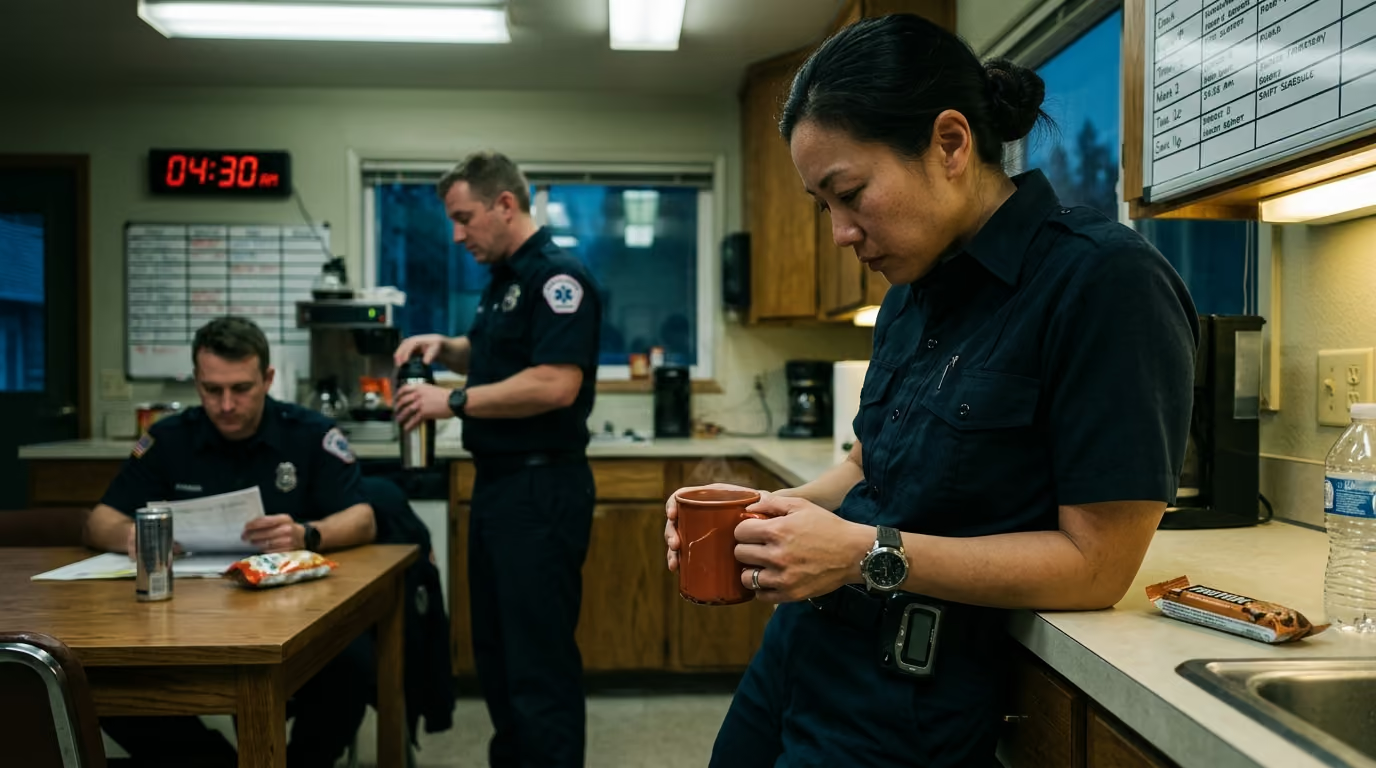

Working demanding overnight emergency shifts pushes responders toward heavy stimulant use, but strategic low-dose caffeine protocols protect cognitive performance and post-shift rest.





It is 03:30 on the fourth consecutive night tour. The tones drop for a high-priority call, or the radio squawks with a dispatched vehicle collision. Your eyes are dry, your reaction time feels sluggish, and your immediate instinct is to reach for a second energy drink or fill another mug from the station pot.
You need alertness right now to protect your crew, your patients, and yourself. At the same time, you know that drinking heavy stimulants at this hour could destroy your ability to sleep when you get off duty at 07:00.
Caffeine is a practical alertness tool, but it is not a substitute for biological sleep or sound operational judgment. For emergency-service personnel, the goal is not finding ways to consume maximum caffeine.
The real objective is identifying the minimum effective dose and timing it correctly. Consuming caffeine early enough sharpens vigilance without damaging daytime recovery sleep, compounding physiological stress, or masking dangerous operational fatigue.
The scientific evidence on caffeine is extensive, robust, and consistent across laboratory and occupational settings. Caffeine operates primarily as an adenosine receptor antagonist. Throughout waking hours, adenosine builds up in the brain, creating homeostatic sleep pressure that signals your body to rest. Caffeine temporarily blocks these receptors, preventing the brain from detecting its own accumulated fatigue.
Research from the National Institute for Occupational Safety and Health notes that stimulants improve alertness during routine or monotonous tasks. However, stimulants do not restore the complex judgment, risk assessment, or executive decision-making capacity lost to sleep deprivation. When an exhausted responder consumes caffeine, they may feel subjectively awake while their underlying cognitive capabilities remain compromised.
Caffeine is absorbed relatively quickly through the gastrointestinal tract. Research from the National Institute for Occupational Safety and Health indicates that caffeine generally takes about 30 minutes to produce noticeable alerting effects, with a typical range between 15 and 45 minutes. Peak plasma concentrations usually occur within 30 to 60 minutes after ingestion.
Metabolism is where individual differences become operationally significant. The elimination half-life of caffeine in healthy adults is typically between 5 and 6 hours. In some individuals, clearance can take 8 to 10 hours or even longer.
Half-life represents the time required for your body to eliminate half of the active substance from circulation. If you consume 200 milligrams of caffeine at 03:00, roughly 100 milligrams remains active in your system at 09:00. By 15:00, approximately 50 milligrams is still circulating.
The Food and Drug Administration identifies 400 milligrams per day as an amount not generally associated with negative health effects in healthy adults. However, clinical research demonstrates that dose timing is just as critical as total daily volume.
A landmark study examined the administration of 400 milligrams of caffeine at bedtime, three hours before bed, and six hours before bed. The American Academy of Sleep Medicine reported that even when consumed six hours before sleep, this dose produced significant sleep disturbance and reduced total sleep time by more than a full hour.
Recent dose-and-timing analyses published in sleep research journals show that lower doses carry a narrower window of disruption. A 100-milligram dose can often be consumed up to four hours before sleep without substantial disruption. Conversely, larger doses of 400 milligrams can degrade sleep architecture when taken up to 12 hours before bedtime.
Genetic factors strongly influence how a responder processes both caffeine and stress. Variations in the ADORA2A gene influence caffeine-induced anxiety, jitteriness, and panic symptoms.
Variations in the CYP1A2 gene govern how rapidly the liver metabolizes the compound. Factors such as smoking status, oral contraceptive use, liver function, age, and concurrent medications can substantially extend or shorten caffeine clearance times.
Shift work fundamentally alters human physiology by misaligning the body's internal circadian clock with environmental light and occupational schedules. In emergency services, sleep debt is an occupational reality rather than an occasional inconvenience.
A review supported by the Centers for Disease Control and Prevention found that 59 percent of firefighters experience sleep deprivation. The same review identified poor sleep quality in 64 percent of emergency medical personnel and 51 percent of law enforcement officers.
First responders operate across three distinct types of fatigue that caffeine affects differently:
Caffeine temporarily masks homeostatic sleep pressure and blunts the perceived drop during the circadian low. It does nothing to replenish cellular glycogen, clear metabolic waste from brain tissues, or restore autonomic nervous system balance after high-stress calls.
Daytime recovery sleep after a night shift is already fragile. Sunlight, traffic noise, domestic obligations, and natural daytime circadian alerting signals make morning sleep shorter and lighter than nighttime sleep.
When a responder consumes caffeine during the latter half of a night shift, the circulating stimulant interacts with daytime circadian wake signals. This combination fragments rapid eye movement sleep and deep slow-wave sleep.
The responder may still fall asleep out of sheer exhaustion. However, the active caffeine elevates heart rate and causes micro-arousals throughout the morning. The responder then wakes up four hours later feeling unrefreshed, setting off a cycle of escalating stimulant use across subsequent shifts. You can learn more about structuring your schedule in our guide to [building a shift-specific sleep plan].
Emergency calls trigger rapid activation of the sympathetic nervous system. Heart rate spikes, blood pressure climbs, pupils dilate, and adrenaline floods the bloodstream to prepare the body for immediate physical action.
Caffeine acts as a central nervous system stimulant that produces very similar physiological sensations. It increases peripheral vascular resistance, elevates resting heart rate, increases breathing rate, and stimulates cortisol release.
When a high caffeine intake combines with acute operational stress, two major problems can occur:
A responder arriving at a complex motor vehicle entrapment or active scene already has high adrenaline levels. If that responder consumed 300 milligrams of caffeine an hour earlier, the stimulant magnifies physical tremors, muscle tightness, and shallow breathing.
The responder may experience this as acute panic, excessive restlessness, or loss of fine motor control. This can make delicate tasks like placing an intravenous line or operating hydraulic tools substantially harder.
The physiological symptoms of heavy caffeine intake closely mimic panic attacks and post-incident hyperarousal. Palpitations, chest tightness, and gastrointestinal distress can lead a responder to believe their operational stress tolerance is failing.
In reality, their nervous system is simply overloaded by the combination of sleep loss, physical demands, and high-dose stimulants. When transitioning from critical incidents, using [between-call stress management techniques] helps downshift the nervous system without relying on chemical stimulants.
The table below illustrates the contrasting physiological effects of strategic caffeine timing versus excessive or late stimulant use during operational shifts:
Using caffeine effectively requires treating it like an operational tool with specific timing and clearance parameters. Rather than drinking coffee continuously throughout a tour, establish a structured plan calculated backward from your planned sleep window.
For comprehensive fueling approaches on irregular schedules, review our detailed guide on [structured fueling and caffeine strategies for night duty].
Identify the exact hour you intend to get into bed after your shift ends. Establish a strict caffeine cutoff at least six to eight hours before that target time.
If you finish a night shift at 07:00 and plan to sleep at 08:30, your final caffeine intake should occur no later than 01:00 or 02:00. Consuming coffee or energy drinks at 05:00 to push through the final paperwork guarantees that caffeine will disrupt your daytime recovery sleep.
More caffeine does not produce better performance. Start by identifying the smallest amount that produces reliable vigilance.
For most responders, a single dose of 50 to 100 milligrams, roughly equivalent to one small cup of coffee or a cup of black tea, is sufficient to improve alertness for three to four hours. Using smaller, divided doses early in the shift maintains steady cognitive function better than a single 300-milligram bolus that leads to jitters and a steep crash.
Because caffeine takes 15 to 45 minutes to exert its alerting effects, avoid stacking doses. A common mistake occurs when a sleepy responder drinks a strong coffee, feels no immediate difference after ten minutes, and drinks a second cup.
Both doses will enter the bloodstream simultaneously 30 minutes later. This floods the system with an excessive dose that triggers anxiety, tachycardia, and poor fine motor coordination.
Caffeine content varies widely across different products. A standard 8-ounce cup of home-brewed coffee typically contains between 95 and 200 milligrams. Specialty espresso drinks, commercial cold brews, pre-workout powders, and large canned energy drinks frequently deliver 200 to 350 milligrams in a single serving.
Certain over-the-counter headache medications, fat-loss supplements, and decongestants also contain hidden caffeine. Keep an accurate running tally of total milligrams consumed across your entire 24-hour cycle.
Different duty rotations present unique circadian challenges that require tailored stimulant management:
Strategic napping is one of the most effective non-pharmacological countermeasures for shift workers. Combining a brief nap with a measured dose of caffeine can provide superior alertness compared to either strategy used alone.
Research summarized by the National Institute for Occupational Safety and Health demonstrates that a short nap of approximately 20 to 30 minutes significantly restores subjective alertness and psychomotor speed. Longer naps taken before starting a night shift can also bank sleep and improve performance across the night.
The American Academy of Sleep Medicine notes that a pre-shift nap of roughly two hours before the first night in a rotation, followed by shorter 20- to 90-minute naps on subsequent days, helps maintain baseline cognitive capacity.
The caffeine nap leverages the 15- to 45-minute absorption window of caffeine to maximize post-nap alertness. The protocol works as follows:
Sleep inertia is the temporary state of grogginess, impaired motor control, and reduced cognitive processing that occurs immediately after waking. Sleep inertia can last anywhere from 10 to 30 minutes, particularly if you are awakened from deep slow-wave sleep.
Never transition directly from a nap into high-risk operational tasks such as driving emergency vehicles, calculating pediatric drug doses, or making complex command decisions. Always allow at least 15 minutes to wash your face, move your body, hydrate, and confirm full mental clarity before responding to critical events.
Caffeine should always be the final layer of an alertness strategy, not the foundation. Integrating physiological, environmental, and behavioral countermeasures reduces dependence on chemical stimulants while protecting your cardiovascular system.
Light is the most powerful environmental signal for the human circadian pacemaker. Bright light exposure suppresses melatonin production in the pineal gland and promotes physiological wakefulness.
During the first half of a night shift, keep station work areas, apparatus bays, and report-writing rooms brightly illuminated. Use blue-enriched light sources where appropriate to support natural alertness during operational hours.
As morning approaches, reverse the strategy to prepare for daytime sleep. When driving home after a night shift, wear dark sunglasses to prevent morning sunlight from signaling your brain that a new day has begun.
Keep your home bedroom completely dark using blackout shades, turn off all screens at least 45 minutes before bed, and use an eye mask. Understanding how [nighttime light exposure and cardiovascular health] interact allows you to configure your sleeping space for maximum physical recovery.
When alertness drops sharply during long night hours, physical movement offers immediate central nervous system stimulation without metabolic half-life penalties. Performing five to ten minutes of bodyweight squats, push-ups, or brisk walking around the apparatus floor elevates core body temperature and increases cerebral blood flow.
Splashing cold water on your face stimulates the trigeminal nerve and activates the sympathetic nervous system temporarily, providing immediate alertness to complete documentation or perform routine gear checks.
Dehydration thickens blood viscosity, worsens perceived fatigue, and impairs concentration. Maintain steady water consumption across the entire shift, aiming for clear or pale straw-colored urine.
Avoid high-glycemic carbohydrates and heavy, greasy meals during night shifts. Circadian misalignment impairs glucose tolerance and insulin sensitivity at night, making large meals a direct trigger for severe postprandial lethargy.
To prevent energy crashes during night duty, combine lean proteins with complex, slow-digesting carbohydrates and healthy fats. Read more on how [eating schedules aligned with circadian rhythm] protect your long-term metabolic health during night work.
When arriving home after high-stress calls, high autonomic arousal can prevent sleep even when you are exhausted. Create a reliable pre-sleep transition routine to signal your nervous system that duty has ended:
Many first responders develop habits around stimulant use that undermine their long-term health and performance. Recognizing these common errors is essential for building real operational resilience.
The Food and Drug Administration's 400-milligram reference is a broad population-level safety ceiling for healthy adults, not a performance recommendation. If you experience irritability, palpitations, digestive upset, or sleep disruption at 150 milligrams, that is your biological limit. Increasing intake simply because guidelines mention higher numbers increases anxiety and degrades performance.
Many responders claim that caffeine does not affect them because they can drink an espresso at 06:00 and fall asleep at 08:30. Falling asleep out of severe exhaustion does not mean the sleep is restorative.
Caffeine circulating in the brain suppresses restorative slow-wave sleep and causes frequent, unremembered micro-arousals. The responder wakes up four hours later feeling fatigued, falsely believing that shift work alone caused the poor recovery.
Energy drinks, concentrated shots, and pre-workout formulas frequently contain proprietary stimulant blends. Ingredients like guarana, taurine, yohimbine, and excessive B-vitamin complexes can interact unpredictably with caffeine.
These compounds can extend stimulant half-life, elevate blood pressure substantially, and worsen cardiovascular strain during strenuous physical turnout tasks. Stick to standardized, single-source caffeine products where the exact milligram content is clearly labeled.
Drinking a large coffee at 06:30 to stay awake during a 45-minute commute home puts stimulant levels at their absolute peak right when you step into your bedroom. If you are dangerously drowsy before your commute, do not use caffeine as a quick fix.
Take a 20-minute nap in the station parking lot, arrange a ride, or use public transit. Protecting your physical safety on the road must never rely on chemical stimulation that destroys your subsequent recovery.
When responders realize they are consuming too much caffeine, they often attempt to quit completely from one day to the next. Abrupt cessation triggers severe withdrawal symptoms within 12 to 24 hours.
These include debilitating throbbing headaches, severe fatigue, marked irritability, nausea, and impaired cognitive focus. These withdrawal symptoms create an unacceptable safety risk during emergency duty.
Taper your daily intake gradually over two to three weeks, reducing your total intake by approximately 50 milligrams every three to four days.
To determine your personal tolerance, effective dosing, and optimal cutoff times, track your stimulant intake and recovery metrics across two complete shift cycles.
Document every caffeinated item you consume across the 24-hour cycle:
wed coffee, commercial energy drink, tea, pre-workout)
Note the physical and cognitive load of each shift:
Log your subsequent sleep window accurately:
At the conclusion of the 14-day audit, compare your intake timing against your sleep quality and stress levels. Look for clear trends:
Use these empirical findings to establish your personal minimum effective dose and mandatory shift cutoff times.
Use this sequential decision framework before, during, and after every shift to manage stimulants safely:
Managing caffeine intake is a practical lifestyle strategy, but it operates within strict biological and medical limits. Stimulants cannot overcome severe chronic sleep deficits, nor can they treat underlying physiological or psychological conditions.
Never use caffeine to justify remaining on active duty when you are dangerously impaired by fatigue, illness, or acute injury. If extreme exhaustion prevents you from operating vehicles safely, calculating medications accurately, or maintaining scene situational awareness, report your condition to your company officer or supervisor immediately.
Operating under severe sleep deprivation carries cognitive impairments comparable to blood alcohol intoxication. Chemical stimulation cannot restore lost fine motor accuracy or critical safety instincts under pressure.
Caffeine directly stimulates the cardiovascular system. You should immediately cease stimulant experimentation and seek medical evaluation by a qualified healthcare professional if you experience:
Caffeine freely crosses the placenta and is metabolized substantially slower by developing fetal tissue. The American College of Obstetricians and Gynecologists recommends that pregnant individuals restrict total daily caffeine intake to less than 200 milligrams per day. Pregnant emergency responders should obtain individualized medical guidance regarding duty schedules, caffeine consumption, and fatigue management.
Certain medications and health conditions drastically alter caffeine clearance. Individuals with active liver disease, uncontrolled hypertension, generalized anxiety disorder, or thyroid conditions must consult their personal physician.
Combining caffeine with supplements containing ephedrine, bitter orange, or high-dose yohimbine creates extreme cardiovascular strain and should be strictly avoided. Furthermore, when an individual stops smoking, CYP1A2 enzyme activity drops, causing standard caffeine doses to linger in the body significantly longer than before.
While excessive caffeine can cause anxiety, insomnia, and hyperarousal, it is not the sole cause of these symptoms in emergency services. Public-safety personnel face regular exposure to traumatic events, disrupted sleep schedules, and intense occupational demands.
If you eliminate or strictly minimize caffeine but continue to experience persistent nightmares, severe insomnia, panic attacks, overwhelming hypervigilance, or chronic depression, schedule an evaluation with a licensed mental health professional or sleep medicine specialist. Professional support, trauma-informed counseling, and comprehensive sleep diagnostics provide the clinical care that lifestyle adjustments alone cannot deliver.
Review this guide whenever you transition to a new shift pattern, move from day shifts to night rotations, or advance into an assignment with different operational demands. You should also revisit these strategies if you notice your daily stimulant intake climbing steadily, your sleep quality deteriorating, or physical anxiety symptoms appearing during routine emergency calls.
Balancing deliberate caffeine timing with protected recovery sleep builds physical capability that lasts throughout a long emergency-service career and into an active retirement.
Stay connected for research-led guidance on duty fitness, shift-work sleep, injury recovery, stress, nutrition and career longevity. Practical ideas for first responders who want to stay capable on the job, recover well and protect their health for the long run.



Read practical guidance on first responder fitness, recovery, sleep, nutrition and resilience for demanding work and a long, active career.
read the blog



