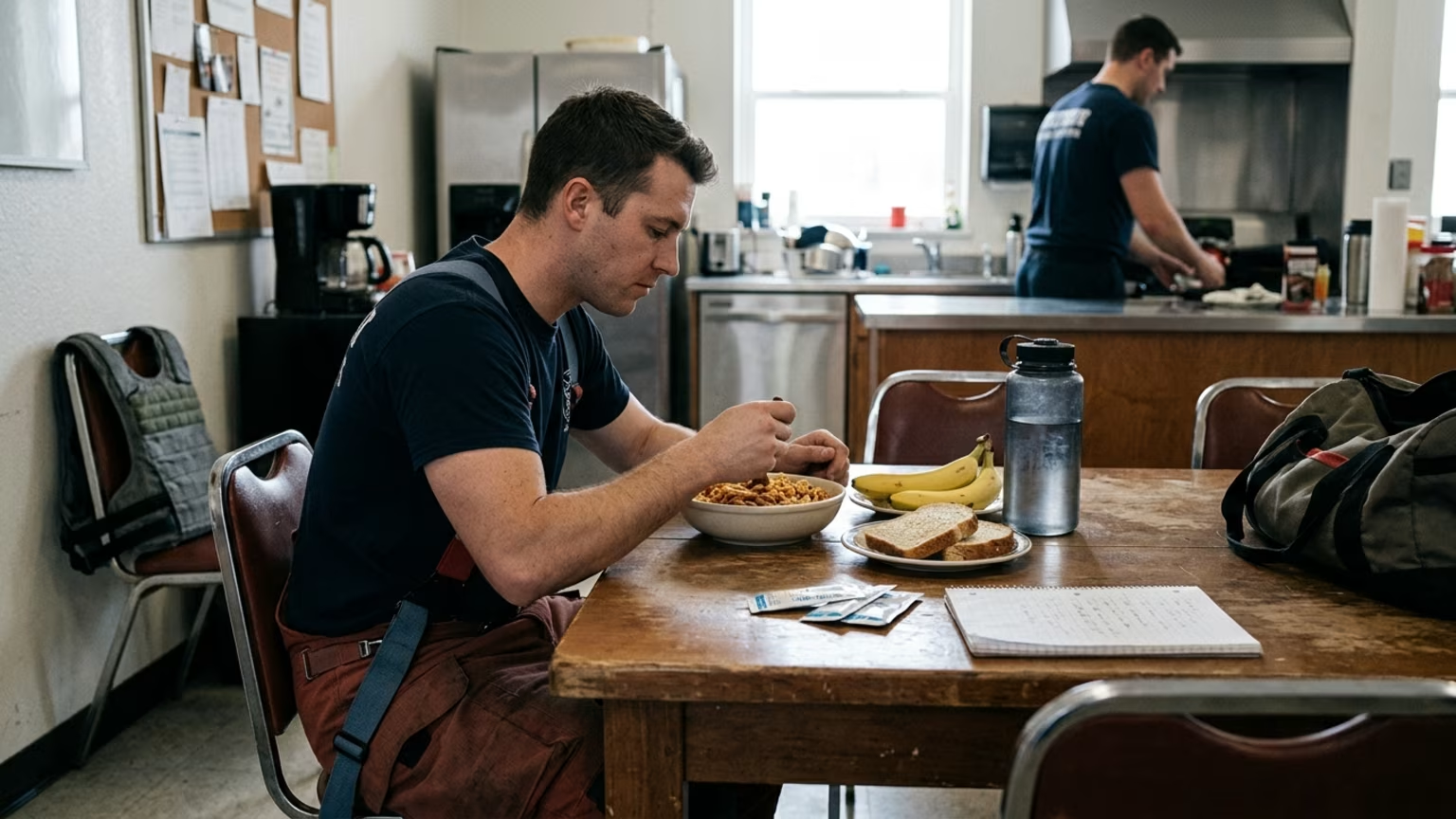

Recent practitioner guidance outlines how firefighter candidates should plan pre-test meals, manage carbohydrates, and structure test-day hydration.





On October 9, 2026, Firefighter Nation published new practitioner guidance detailing how candidates should manage carbohydrates, hydration, and pre-test meals for the Candidate Physical Ability Test. The material highlights practical fueling choices and cautions candidates against large protein intakes immediately before testing. A companion article outlines specific meal timing and food examples authored by Megan Lautz. Firefighter Nation describes Lautz as a registered dietitian specializing in first responders who has worked full-time for departments of more than 1,600 firefighters since 2017.
The central nutritional takeaway for firefighter candidates centers on prioritizing carbohydrates while deliberately managing the timing of digestion. According to the Firefighter Nation companion article, candidates should aim for a carbohydrate-rich meal two to four hours before their physical test. This specific window allows the body sufficient time to process the food and convert it into usable energy for the demanding physical circuit. The guidance explicitly shifts the focus away from heavy protein consumption just prior to the event.
If candidates require additional fuel closer to the start time, the recommendations include a small snack eaten 30 to 90 minutes beforehand. This closer feeding window requires careful food selection to avoid gastrointestinal distress during the physical exertion. The article advises keeping fat, protein, and dietary fiber lower near the test time because these nutrients slow down the digestive process. A sluggish digestive system can leave candidates feeling heavy and physically uncomfortable when they need to perform at their physical peak.
Translating this guidance into physical training protocols means candidates must treat their nutrition with the exact same structure as their physical conditioning. The Firefighter Nation article strongly advises candidates to practice their planned pre-test meal before a hard training session. Trying an unfamiliar nutritional strategy for the very first time on test day introduces unnecessary variables and risks poor digestive tolerance. Candidates should replicate the exact timing and food choices during their most difficult practice sessions to properly gauge how their stomach reacts under physical stress.
This structured approach to pre-training nutrition connects directly to maintaining adequate energy availability for first responders. When candidates find a meal combination that works well, they establish a baseline nutritional strategy that supports sustained physical output. Documenting how different carbohydrate sources feel during high-intensity training helps candidates refine their approach week by week. This dedicated practice period allows individuals to adjust specific portion sizes and exact meal timing based on their unique physiological responses.
Stable nutritional habits also protect cognitive function during highly stressful testing environments. When candidates fuel properly with complex carbohydrates, they prevent the sudden blood sugar drops that often cause confusion or delayed reaction times on the course. A clear head is just as vital as physical endurance when navigating technical obstacles under a strict time limit. Practicing these nutritional interventions means candidates can follow complex instructions even when their heart rate reaches its maximum.
Candidates often balance their physical preparation with current employment obligations and irregular schedules. Preparing for physical testing while managing shift work and circadian disruption requires careful planning of meal timing and food availability. This disciplined approach to fueling helps candidates prepare for the physical realities of active duty. Establishing sound nutritional habits early can also support long-term recovery, which is a key component of nutrition for testosterone and hormonal health.
By practicing their fueling strategy during demanding workouts, candidates remove one of the major unknown factors of test day. They learn exactly how long it takes for a bowl of oatmeal or an egg sandwich to settle comfortably in their stomach. This practical translation of nutritional guidance turns generalized advice into a personalized operational protocol. It shifts the focus from hoping for a good outcome to actively preparing the body for a known physical standard.
A common assumption among fitness-focused candidates is that peak physical performance requires constant and immediate protein consumption. The recent Firefighter Nation guidance overturns the pervasive idea that candidates need to load up on a massive amount of protein immediately before stepping onto the testing course. While protein remains critical for long-term tissue repair and recovery, consuming a large serving right before intense physical exertion forces the body to direct blood flow toward digestion rather than working muscles. This guidance reinforces the physiological reality that carbohydrates serve as the primary fuel source for high-intensity output.
The practitioner guidance also directly challenges outdated ideas about last-minute hydration strategies. Many aspiring candidates operate under the assumption that they should consume massive amounts of water immediately prior to starting their physical evaluation. Instead, the Firefighter Nation article advises candidates to drink steadily ahead of the test rather than consuming a massive volume of water all at once. Drinking too much fluid in a tightly compressed timeframe can leave the stomach feeling sloshy and physically uncomfortable during rapid movements.
Proper hydration requires a measured and consistent approach starting the day before the event. Attempting to compensate for poor hydration by drinking heavily in the final minutes before a physical test is an ineffective strategy that often backfires. By challenging these two major assumptions regarding immediate protein intake and last-minute water consumption, the guidance points candidates toward more effective preparation methods. Relying on familiar carbohydrates and measured fluid intake provides a much more stable foundation for demanding physical tasks.
Candidates preparing for upcoming physical evaluations can make clear, immediate adjustments to their test day preparations based on this practitioner guidance. The primary adjustment involves selecting familiar, easily digestible meals for the critical two-to-four-hour window before the event. The companion article suggests highly specific meal examples such as a bowl of oatmeal topped with a banana and a moderate serving of peanut butter. Another recommended option is a standard bowl of cereal served with milk and fruit.
Candidates who prefer savory foods might choose an egg sandwich paired with a banana, or a simple meal consisting of rice, chicken, and vegetables. These specific meal combinations provide a reliable foundation of carbohydrates necessary for explosive physical tasks. For the closer 30-to-90-minute window before testing, candidates should prepare highly digestible snack options if they feel their energy dropping.
The Firefighter Nation article suggests packing simple items like a single banana, a serving of applesauce, standard pretzels, or a portion of dry cereal. A standard sports drink is also listed as a viable option for this closer timeframe. These items require very little digestive effort from the body. Selecting from this specific list of snacks helps candidates actively avoid the accidental intake of high-fat or high-fiber foods just before they begin the physical circuit.
Keeping fat, protein, and dietary fiber lower near the start time is a critical adjustment, because the article notes that these nutrients slow down overall digestion. The groundwork for test day hydration actually begins a full twenty-four hours before the event. The Firefighter Nation article advises candidates to drink regularly the day before the test to establish a baseline level of hydration. Starting the morning of the test with a severe fluid deficit makes it incredibly difficult to catch up without drinking excessive amounts all at once. Candidates should monitor their fluid intake during the preceding day, paying close attention to clear indicators of adequate hydration.
Hydration schedules also require strict planning, structure, and immediate adjustments to daily routines. The companion article provides highly specific fluid volume examples for the morning of the physical test. It suggests consuming 16 to 24 ounces of fluid alongside the primary breakfast meal. Following this initial hydration phase, candidates should consume another 8 to 16 ounces in the hour or two leading up to the test, basing the exact amount on individual tolerance. Candidates should sip steadily through this waiting period rather than waiting until they feel actively thirsty. If a candidate sweats heavily or the test environment is exceptionally hot, the article notes that a sports or electrolyte drink may provide additional benefit.
First responders and candidates should continue to track how structural nutrition advice evolves alongside testing standards. The specific amounts and timing detailed above are practical suggestions from practitioner-authored guidance rather than independently established CPAT requirements. Candidates must adapt these recommendations to their personal tolerance, their specific testing schedule, and any individualized medical needs. Seeking suitable professional guidance is a logical step for those with underlying medical conditions or complex dietary requirements.
As testing protocols and training environments change, future research may provide more granular data on nutritional timing for specific events. Candidates who master these basic principles of carbohydrate timing and steady hydration often find the transition to academy life much smoother. Understanding proper fueling for training and duty is a continuous process that begins long before a recruit earns a badge. Developing these habits early establishes a strong foundation for managing physical readiness throughout a demanding emergency service career.
Passing an initial physical evaluation is merely the first step, and adapting those early nutritional habits for lifelong operational readiness is where our work begins. When the daily challenge of balancing strength, endurance, mobility and body composition across a demanding career tests an emergency professional's limits, Rescuris formulates clear, evidence-led recovery frameworks. We help active-duty personnel translate strict training protocols into sustainable daily routines.
Rescuris publishes evidence-aware guidance for firefighters, police officers, paramedics and other first responders on fitness, recovery, sleep, nutrition, stress resilience and long-term capability.






Read practical guidance on first responder fitness, recovery, sleep, nutrition and resilience for demanding work and a long, active career.
read the blog
