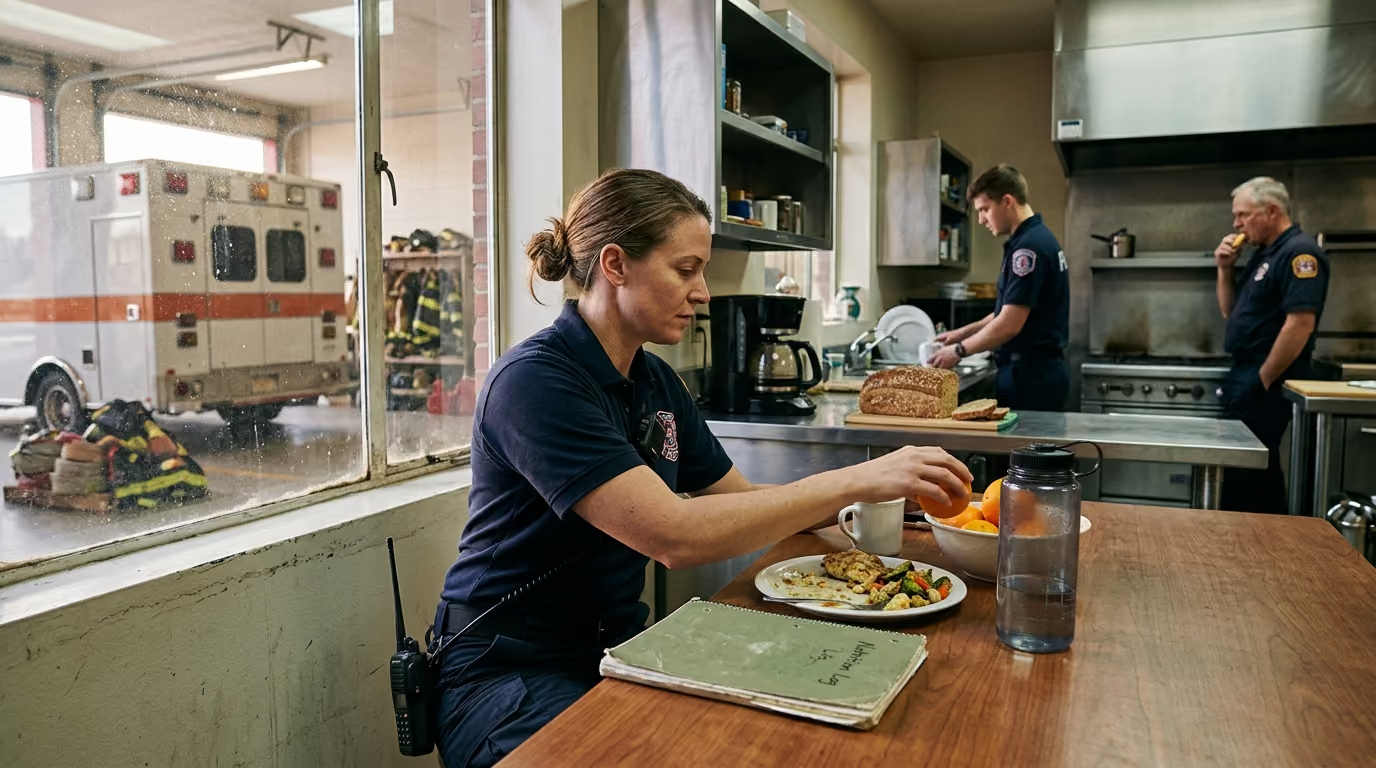

Sustained energy and faster muscle repair come from structured carbohydrate intake, practical hydration management, and targeted protein distribution around heavy training sessions.





Most sports nutrition guidelines treat the human digestive system like a predictable stopwatch. They assume workouts start on time, end on schedule, and lead straight to a quiet kitchen. That rigid logic fails completely when applied to emergency services and physically demanding careers. Training hard and protecting operational capability requires fueling the task itself, not watching an artificial clock.
The core principle of tactical fueling is simple. You do not need complex formulas or rigid timing windows to maintain physical output. Your body requires adequate total daily energy, sufficient carbohydrate availability for intense work, consistent protein distribution for tissue repair, and precise fluid replacement. For training or duty lasting under an hour, standard meals eaten throughout the day provide ample fuel. When physical work extends beyond sixty to ninety minutes, consuming 30 to 60 grams of carbohydrate per hour and replacing sweat losses protects both physical power and cognitive function. Following heavy efforts, consuming 20 to 40 grams of protein alongside carbohydrates resets physical readiness for the next alarm.
Credible exercise physiology demonstrates that total daily energy intake and macronutrient distribution matter far more than narrow nutrient timing windows. Strong evidence confirms that muscle glycogen serves as the primary fuel source for high-intensity muscular contractions, repeated sprints, and sustained load carriage. When glycogen stores drop through prolonged exertion or chronic under-eating, physical performance and decision-making degrade rapidly.
Research shows that carbohydrate availability dictates performance during prolonged or intense bouts. Studies examining short-term recovery indicate that consuming roughly 1.2 grams of carbohydrate per kilogram of body weight per hour for several hours after exhaustive exercise optimizes the rate of muscle glycogen replenishment. This rapid refueling is critical when two demanding sessions occur within the same day. When recovery periods extend beyond eight hours, total daily carbohydrate intake across normal meals achieves identical glycogen restoration.
The evidence regarding muscle protein synthesis shows that distributing high-quality protein across the day provides a reliable stimulus for tissue maintenance and repair. Position statements from sports nutrition bodies indicate that daily intakes between 1.4 and 2.0 grams of protein per kilogram of body weight support lean mass retention and athletic adaptation. Individual feedings of roughly 0.25 to 0.40 grams per kilogram, equating to 20 to 40 grams of protein, effectively stimulate muscle protein synthesis after resistance training. Recent systematic reviews show that while protein supplements offer convenience, they provide no distinct advantage over whole foods when total daily calories and protein are matched.
The science on hydration highlights broad individual variance. Fluid loss through sweat depends heavily on ambient temperature, humidity, work rate, protective gear, and genetics. Clinical position stands caution against both significant dehydration exceeding two percent of body mass and excessive over-drinking, which can dilute blood sodium levels. While water suffices for short sessions, carbohydrate and sodium replacement becomes necessary during prolonged, heavy sweating.
Nutrition research also highlights the risks of low energy availability. When dietary energy intake fails to cover daily living and physical training, the body suppresses endocrine, metabolic, and immune functions. Evidence in both male and female tactical personnel links chronic under-fueling to decreased bone density, reduced strength, impaired judgment, slower reaction times, and elevated injury rates. Maintaining baseline energy availability remains the most critical performance priority.
Pre-exercise nutrition sets the baseline for blood sugar stability, muscle glycogen stores, and digestive comfort. The goal is to arrive at the start of training or active duty fully hydrated, sufficiently fueled, and free from gastrointestinal distress. Rather than following rigid rules, structure your pre-activity intake along a sliding timeline based on when you plan to move.
When a wide time window is available, consume a balanced, mixed meal containing carbohydrates, lean protein, modest fat, and fluid. Tactical performance research suggests consuming between 1 and 4 grams of carbohydrate per kilogram of body weight during the one to four hours leading into heavy activity. This window allows ample time for stomach emptying and nutrient absorption.
Practical options for this timeframe include:
As the session approaches, reduce meal volume, dietary fat, and rough dietary fiber to speed up gastric clearance. Focus on easily digested carbohydrates paired with a small amount of lean protein to prevent late-session hunger.
Effective choices for this intermediate window include:
When time runs short before a high-intensity workout or field evolution, prioritize rapidly absorbed carbohydrates and immediate hydration. Solid meals consumed in this window can cause stomach cramping or nausea once heart rates climb. Contrary to older myths, consuming simple carbohydrates right before hard exercise does not cause performance-ruining blood sugar crashes during intense exertion.
Fast-acting options for the final thirty minutes include:
Proper hydration begins hours before the workout starts. Authoritative sports medicine recommendations suggest drinking roughly 400 to 600 milliliters of water about two hours before demanding activity. This window gives your kidneys enough time to regulate fluid balance and excrete any excess volume before you put on gear or start lifting. Check urine color as a simple baseline indicator, aiming for a pale straw hue rather than dark yellow or completely clear fluid.
Intra-workout nutrition is entirely context-dependent. Short, standard weight-room sessions lasting under forty-five minutes rarely demand mid-session calories if daily nutrition is consistent. However, extended conditioning, prolonged physical drills, structural firefighting, or sustained tactical operations burn substantial glycogen and fluid. In these situations, deliberate mid-session fueling protects both physical output and mental sharpness.
When physical exertion extends past sixty minutes at moderate to high intensities, consuming supplemental carbohydrates maintains blood glucose levels and spares liver glycogen. Sports science guidelines recommend consuming 30 to 60 grams of carbohydrate per hour during prolonged, continuous, or high-output intermittent work.
You can hit this target using several practical options:
Relying on thirst alone during heavy exertion often results in progressive dehydration, especially when protective equipment impairs cooling. However, drinking excessive amounts of plain water without electrolytes can lead to gastrointestinal sloshing and dangerous hyponatremia. The most reliable way to dial in your fluid needs is by calculating your personal sweat rate in representative training gear.
You can measure your hourly fluid loss using this five-step protocol:
A loss of one kilogram on the scale equals approximately one liter of sweat loss. If you lose one kilogram over an hour and drink 500 milliliters during that time, your hourly sweat rate is 1.5 liters. Use this number as a guide to replace roughly seventy to eighty percent of your sweat losses during activity, leaving the remainder for gradual post-workout rehydration.
Electrolyte supplementation is not universally necessary for brief gym workouts, but it becomes vital during prolonged heat exposure, heavy sweating, or multi-hour field operations. Sweat contains significant amounts of sodium, which plays a central role in maintaining blood volume, nerve transmission, and muscle contractions.
When physical work lasts longer than sixty to ninety minutes, target 300 to 600 milligrams of sodium per liter of consumed fluid. You can achieve this through commercial electrolyte tablets, standard sports drinks, or adding a light pinch of table salt to your water bottles. Avoid mega-dosing electrolytes without adequate fluid, as highly concentrated solutions draw water into the intestines and trigger diarrhea.
Consuming protein during training or field tasks is generally optional. A comprehensive meta-analysis evaluating carbohydrate-protein mixtures during endurance exercise showed that adding protein improves performance only when it increases total calorie intake. When total calories are matched, carbohydrate alone performs just as well. Keep carbohydrate and fluid as your primary mid-session priorities, reserving protein for multi-hour low-intensity field operations where access to solid meals is heavily delayed.
Recovery nutrition focuses on returning your physiology to baseline so you can perform again without accumulated fatigue. The established sports nutrition framework identifies four primary recovery objectives: refuel glycogen, repair muscle protein, rehydrate fluid losses, and replenish baseline energy balance.
The speed at which you must replenish muscle glycogen depends directly on the time available before your next physical demand. If you have sixteen to twenty-four hours before your next hard effort, consuming your target daily carbohydrates across regular balanced meals fully restores muscle glycogen.
If you must train or perform again within four to eight hours, rapid glycogen restoration becomes necessary. In this compressed timeframe, consume roughly 1.2 grams of carbohydrate per kilogram of body weight per hour for the first two to four hours following the session. If appetite is low, combining 0.8 grams per kilogram of carbohydrate with 0.3 grams per kilogram of protein achieves similar glycogen restoration rates by enhancing insulin release.
Resistance exercise and physical duty break down muscle proteins while simultaneously priming the tissue for remodeling. Ingesting high-quality protein shortly after training stimulates muscle protein synthesis, shifting the body from a catabolic state into an anabolic repair state.
Practical recovery protein guidelines include:
Protein powders and ready-to-drink shakes serve as practical tools when you lack refrigeration or cooking facilities, but whole foods provide identical recovery benefits. Integrating these habits alongside evidence-based strategies for nutrition and body composition supports sustained muscular health across an entire career.
Post-exercise rehydration requires replacing more fluid than the total amount lost on the scale. Because the kidneys continuously produce urine during the recovery period, consuming roughly 125 to 150 percent of your total fluid deficit over the two to four hours following activity restores optimal hydration status.
If you finish a grueling shift or conditioning workout two kilograms lighter than your starting weight, you have a two-liter fluid deficit. To fully rehydrate, consume approximately 2.5 to 3.0 liters of fluid alongside sodium-rich foods over the subsequent recovery window. Consuming salty foods like broth, pickles, pretzels, or regular salted meals helps your body retain the consumed fluids rather than excreting them immediately as urine.
The long-standing belief that you must chug a protein shake within thirty minutes of dropping a barbell is scientifically unfounded. Muscle tissue remains sensitized to protein feeding for several hours following resistance exercise. While getting a post-workout feeding in a timely manner is smart, missing an arbitrary thirty-minute window will not waste your training effort. Total daily protein intake and consistent meal pacing every three to four hours remain the dominant drivers of long-term muscular adaptation.
Planned training schedules frequently collapse when emergency alarms sound, shifts get extended, or dispatch drops sudden calls. A performance nutrition strategy that functions only inside a quiet home kitchen is useless for operational personnel. Applying a flexible, practical shift nutrition framework ensures you stay fueled despite chaotic operational realities.
When an alarm sounds right as you sit down for a meal or during early morning hours, immediate dietary triage keeps physical readiness high without upsetting your stomach.
Apply these rules when deploying on short notice:
Wildland deployments, complex rescue operations, extended barricades, and major structural fires frequently last multiple hours without predictable supply lines. In these settings, you must carry compact, durable nutrition that survives temperature swings and physical jostling.
Build a field-ready contingency kit using these durable items:
During low-intensity staging or prolonged perimeter duty, consume small carbohydrate and protein snacks every ninety minutes. When high-intensity physical tasks resume, shift your intake toward liquid or semi-solid carbohydrates that absorb quickly with minimal digestive effort. Learning how to balance these operational demands while managing energy and alertness on night duty prevents dangerous physical and cognitive crashes during critical incidents.
Tactical athletes frequently face situations where a heavy physical training session is followed hours later by demanding operational work. When managing two-a-day physical outputs, nutrient timing urgency increases significantly.
Follow this sequencing when multiple bouts occur within the same shift:
Tactical personnel are constantly bombarded by commercial marketing promising effortless performance through specialized supplements. Falling for these claims often leads to wasted money, digestive distress, and degraded field readiness. Identifying and avoiding these frequent pitfalls keeps your nutrition program grounded in physiology.
A widespread myth across gym culture is that every training session demands a continuous stream of branched-chain amino acids, intra-workout carbohydrates, or pump formulas. For a forty-five-minute strength session performed after a standard breakfast, consuming plain water is completely sufficient. Consuming heavy carbohydrate beverages during low-volume workouts adds unnecessary calories without providing any measurable performance benefit. Reserve intra-workout carbohydrates for prolonged, glycogen-depleting sessions lasting beyond one hour.
Low-carbohydrate and ketogenic diets are frequently promoted for body composition, but they present distinct physiological challenges for high-output tactical personnel. High-intensity sprinting, structural firefighting evolutions, and heavy lifting rely heavily on anaerobic glycolysis, an energy pathway fueled strictly by glucose. Restricting carbohydrates during periods of high physical demand impairs peak power output, increases perceived exertion, and slows down operational recovery. Match your carbohydrate intake directly to your physical output rather than treating carbohydrate restriction as a default marker of discipline.
While reducing dietary fat in the immediate pre-workout and post-workout windows speeds up gastric emptying, dietary fat is not an enemy. Healthy fats support hormone production, fat-soluble vitamin absorption, and baseline cellular health. The rule to lower fat applies strictly to the sixty to ninety minutes immediately surrounding intense physical exertion to prevent stomach sloshing and gastrointestinal distress. Meals eaten three to four hours before or after training should contain balanced, healthy fat sources like olive oil, nuts, seeds, and avocados.
The International Olympic Committee consensus on dietary supplements confirms that only a tiny fraction of commercially available products demonstrate reliable performance benefits. Caffeine, creatine monohydrate, beta-alanine, and dietary nitrates possess solid evidence for specific performance contexts, but none of them replace foundational energy intake, adequate protein, and consistent hydration. Systematic reviews investigating warfighter supplementation show that multi-ingredient performance supplements frequently fail to deliver claimed
operational benefits. Prioritize solid food quality and consistent daily calories before investing in specialized supplement regimens.
Standard sports nutrition models often assume neutral room temperatures, cast-iron digestive systems, and stable caloric maintenance. In the real world, first responders operate in thermal extremes, battle stress-induced gut issues, and frequently pursue fat loss while on duty. Managing these edge cases requires deliberate physiological adjustments.
Heat stress accelerates glycogen depletion, drives massive fluid losses, suppresses appetite, and raises core body temperature. When training or operating in structural gear, wildland fires, or summer heat, your fueling strategy must change proactively.
Tactical performance reviews highlight several heat-management strategies:
Gastrointestinal issues like cramping, bloating, nausea, and diarrhea frequently plague tactical athletes who consume fuel under physical stress. When you exercise hard, the sympathetic nervous system shunts blood away from the digestive tract and toward working muscles. You can train your digestive system to tolerate fuel and fluids under exertion, just as you train skeletal muscle.
Follow these steps to condition digestive tolerance:
First responders frequently diet to improve body composition, drop body fat, or meet physical fitness standards. However, aggressive caloric restriction combined with heavy shift work frequently triggers low energy availability, impairing immune health, bone density, and operational readiness.
When operating in a caloric deficit, apply these protective guardrails:
Performance nutrition supports physiological readiness, but it cannot override basic biological limits. Tactical personnel routinely face compounding stressors, including severe sleep deprivation, psychological trauma, extreme environmental temperatures, and relentless call volumes. Recognizing when nutrition reaches its limit protects long-term health and keeps personnel safe on the fireground, the street, and the training floor.
A well-designed pre-workout meal or sports drink will not compensate for twenty-four hours of broken sleep. Severe central nervous system fatigue impairs motor control, executive decision-making, and physical reaction time. Ingesting high doses of caffeine or concentrated sugar to force an exhausted body through a maximal training session elevates cardiovascular strain and dramatically increases acute injury risks. When duty fatigue accumulates to dangerous levels, modifying training volume or prioritizing deep rest is far safer and more effective than attempting to supplement your way through exhaustion.
Working in high-heat environments while wearing heavy structural turnout gear or ballistic body armor creates severe thermal strain. Dehydration exceeding three to four percent of body weight combined with elevated core body temperature presents an immediate medical risk of heat exhaustion and fatal heat stroke. Never attempt to push through symptoms of heat illness, such as confusion, dizziness, cessation of sweating, or severe headache, under the false belief that sports drinks or electrolyte tablets will instantly stabilize you. When thermal strain escalates, immediate cooling, gear removal, shade, and medical evaluation must take absolute precedence over continuing physical effort.
Nutrition strategies must also account for sudden medical contraindications and physiological trade-offs. Personnel taking specific blood pressure medications, such as ACE inhibitors or potassium-sparing diuretics, must exercise caution with high-potassium electrolyte supplements to prevent dangerous cardiac arrhythmias. Similarly, individuals with underlying renal conditions, gastrointestinal disorders, or metabolic concerns should never adopt extreme dietary protocols or mega-dose micronutrients without clinical oversight. Proper fueling is designed to build sustainable capacity over a twenty-five-year career, not to encourage reckless physical gambles during acute fatigue.
While general sports nutrition frameworks provide an effective starting point, individual health profiles, medical conditions, and persistent symptoms often require specialized clinical expertise. First responders operate under unique occupational stressors that can mask underlying medical issues as simple fatigue or dietary failure. Knowing when to consult a qualified, licensed professional ensures you resolve underlying problems before they become career-ending health events.
You should consider seeking evaluation from a registered dietitian, sports nutritionist, or licensed physician if you experience:
When selecting a nutrition professional, look for licensed registered dietitians (RD or RDN) or certified specialists in sports dietetics (CSSD) who possess specific experience working with tactical athletes, military personnel, or shift workers. These specialists understand the operational constraints of emergency services and can build personalized, evidence-based nutrition plans without relying on generic commercial meal plans or extreme, unsustainable dietary restrictions.
Sustainable capability across a demanding emergency-services career depends on treating performance nutrition as a flexible, dependable operational tool rather than a rigid set of sports-marketing rules.
Stay connected for research-led guidance on duty fitness, shift-work sleep, injury recovery, stress, nutrition and career longevity. Practical ideas for first responders who want to stay capable on the job, recover well and protect their health for the long run.



Read practical guidance on first responder fitness, recovery, sleep, nutrition and resilience for demanding work and a long, active career.
read the blog



