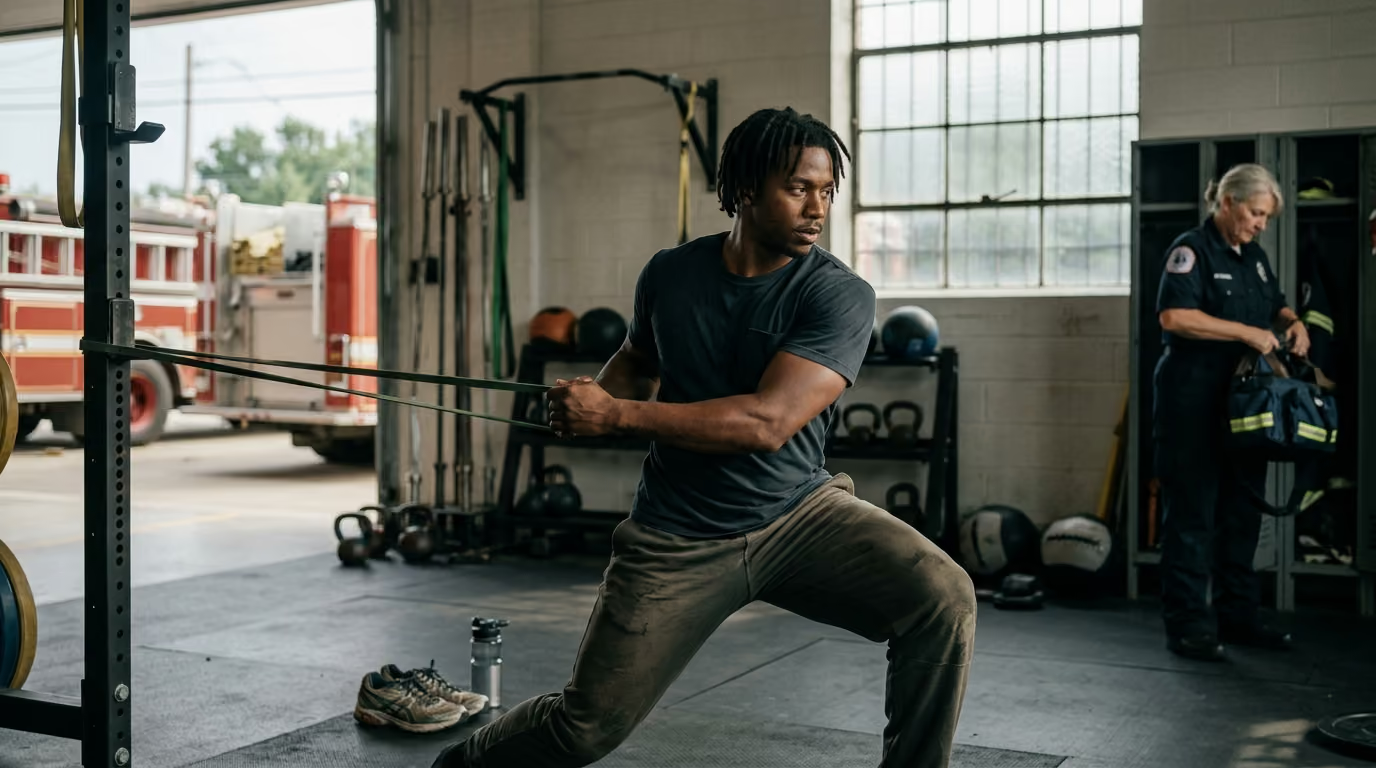

First responders achieve better physical resilience and lower injury risk by mastering practical protocols that prepare the body for sudden operational exertion.





Many first responders search for how to jump from dead rest into a dead sprint without tearing a muscle or collapsing from exhaustion. Moving from a recliner, patrol car seat, or dispatch desk directly into maximal physical effort is one of the hardest challenges in emergency services.
A standard athletic warm-up is rarely possible when tones drop or an urgent call comes across the radio. True readiness does not come from a frantic thirty-second stretch or an adrenaline surge. It requires a systematic movement routine, strict pacing during the opening seconds of a response, and an understanding of how sudden physical demand strains the human body.
Sudden physical demand occurs when the body transitions from rest or light activity to high-force, high-speed, or sustained exertion with almost no preparation time. Common examples include sprinting from a station bay, dragging a casualty across a floor, climbing multiple flights of stairs in heavy gear, or wrestling a combative subject. The stress of this transition involves several physiological systems at once.
When muscle contractions begin abruptly, the demand for oxygen and adenosine triphosphate rises instantly. In the first seconds of maximal work, muscles rely on stored phosphocreatine and anaerobic glycolysis. These energy pathways generate force rapidly, but they produce metabolic byproducts that contribute to early muscle fatigue. If circulation has not yet adjusted to deliver oxygen and clear metabolites, power output drops quickly.
The cardiovascular system experiences an immediate surge in workload. Heart rate and stroke volume must jump within seconds to increase cardiac output. Blood vessels in resting areas must constrict while vessels supplying working skeletal muscle must dilate. Without a gradual transition, blood pressure spikes sharply. This places acute mechanical stress on arterial walls and the myocardium.
The neuromuscular system faces its own challenges during rapid transitions. Cold or inactive muscles exhibit higher passive stiffness and slower cross-bridge cycling between actin and myosin filaments. Motor unit recruitment, rate coding, and joint position sense operate below optimal levels during the first moments of movement. When high forces are applied to stiff tissues with sub-optimal coordination, the likelihood of muscle strains and joint sprains increases significantly.
Connective tissues, including tendons, ligaments, and fascia, respond to loading in a rate-dependent manner. When loaded gradually, these viscoelastic tissues deform smoothly to absorb and transfer mechanical force. When loaded abruptly with high velocity or awkward angles, tendons and ligaments absorb peak forces without adequate compliance. This abrupt loading explains why rapid movements after prolonged sitting often lead to acute tissue failure.
The relationship between warming up and injury prevention is frequently misunderstood. Scientific literature demonstrates that physical preparation improves performance, but the evidence does not support treating a warm-up as a guaranteed shield against injury.
A systematic review of high-quality clinical trials examined whether warming up prevents sports injuries. The authors found that three out of five studies reported significant reductions in injury rates, while two studies showed no measurable difference. The review concluded that while the overall evidence favors physical preparation, the data remain insufficient to issue a definitive guarantee.
Workplace-specific research presents an even more complex picture. A systematic review investigating warm-up programs in occupational settings found no clear evidence that brief workplace routines prevent work-related musculoskeletal disorders. Many existing workplace studies suffer from small sample sizes, inconsistent protocols, and poor compliance. Preparing the body reduces physical strain, but it cannot override hazardous environments, excessive physical loads, or severe fatigue.
Broader research confirms that structured, long-term preparation programs yield measurable benefits. A systematic review of 15 cluster-randomized controlled trials demonstrated an average 36 percent reduction in injury incidence among participants using comprehensive warm-up systems. These successful programs were not improvised routines done seconds before a sprint. They were structured, multi-component regimens practiced consistently over weeks and months.
The choice of preparation method matters just as much as its duration. For decades, prolonged static stretching was the default recommendation before vigorous exercise. Modern sports science has largely overturned this practice. A comprehensive meta-analysis revealed that pre-exercise static stretching reduces maximal muscle strength by an average of 5.4 percent. It also impairs power production and explosive force generation.
Dynamic preparation produces superior outcomes for high-intensity tasks. Systematic reviews comparing stretching modalities show that dynamic movement protocols preserve maximal force while improving explosive performance. Dynamic routines involving progressive multi-joint movements enhance muscle temperature, increase nerve conduction velocity, and improve joint range of motion without the neural inhibition caused by static stretching. You can find more evidence-based recovery strategies within our injury prevention and physical recovery resources.
First responders face physical constraints that traditional athletes never encounter. An athlete knows the exact minute competition begins and has access to climate-controlled facilities. Emergency personnel must operate under unpredictable conditions where physical demand is dictated by dispatch.
Prolonged sedentary periods represent a primary occupational challenge. Police officers spend hours seated in patrol vehicles wearing restrictive duty belts. Firefighters and paramedics may spend extended periods writing reports or resting between calls. Prolonged sitting causes hip flexors to shorten, gluteal muscles to become less responsive, and spinal discs to absorb prolonged hydrostatic pressure. Rising suddenly from a vehicle to engage in a foot pursuit places severe shear forces across the lumbar spine and pelvis.
External load significantly magnifies physiological strain. Structural firefighting gear, self-contained breathing apparatus, ballistic vests, duty belts, and medical kits add between 20 and 70 pounds to the body. This added mass raises the body's center of gravity and alters gait mechanics. Carrying heavy equipment forces the legs and trunk to generate higher ground reaction forces with every stride, multiplying joint loading during rapid transitions.
Environmental extremes further complicate sudden physical exertion. In sub-freezing temperatures, peripheral blood flow drops to conserve core heat. Muscles, tendons, and ligaments become cold and mechanically stiff, which reduces movement efficiency. Response routines in cold climates must account for poor surface traction, heavy protective garments, and delayed neuromuscular responsiveness.
Heat and humidity introduce the opposite hazard: rapid heat accumulation. When personnel perform vigorous work in protective clothing, metabolic heat cannot easily escape through evaporation. Sports medicine research indicates that an excessively long or intense warm-up in hot conditions elevates core temperature prematurely. This increases cardiovascular strain and limits the time a responder can work safely before reaching heat exhaustion.
The cognitive load of emergency scenes also affects physical control. Responders must navigate uneven terrain, assess hazards, communicate on radios, and make rapid tactical decisions while exerting near-maximal physical effort. High cognitive demand divides attention, which can degrade movement mechanics and foot placement. A sound physical readiness framework must account for these operational variables rather than assuming clean, predictable conditions.
To manage the transition from inactivity to urgent work, emergency personnel need an adaptable, systematic model. The most effective operational method follows a progressive sequence: screen, mobilize, activate, rehearse, accelerate, regulate, and recover.
Before engaging in vigorous physical output, perform a fast internal check. Physical urgency does not eliminate the need to identify dangerous physiological warning signs. Screening protocols from the American College of Sports Medicine highlight several symptoms that demand immediate medical attention rather than continued exertion:
instability
If any of these signs appear, apply the practical rule: stop, report, and assess. Pushing through acute cardiovascular or neurological symptoms during an emergency endangers both the responder and the public.
Dynamic mobility should open the ranges of motion required for the specific task without fatiguing the responder. Static holds should be avoided in favor of controlled, multi-joint movement patterns. Spend 30 to 60 seconds cycling through basic movement prep:
The goal is not to force extreme flexibility. The objective is to restore functional joint range of motion and reduce passive tissue stiffness after periods of sitting or rest.
Activation uses low-to-moderate resistance movements to recruit key postural and prime-mover muscle groups. These exercises fire the nervous system and increase blood flow without creating physical exhaustion. Focus on three primary regions:
A person can possess warm muscles but still move with poor mechanics. Rehearsal bridges the gap between general physical readiness and the specific mechanical demands of the incident. Spend 10 to 15 seconds walking through the opening movements of the task:
Rehearsing the initial movement pattern prevents awkward spinal flexion, asymmetrical loading, and premature loss of control when maximum force is applied.
Avoid jumping instantly into an all-out sprint or maximal pull unless life safety strictly demands it. The human body tolerates physical stress far better when intensity ramps up over several seconds:
This structured acceleration preserves movement accuracy and lowers peak strain on the hamstrings, Achilles tendons, and lumbar spine.
Once physical work is underway, regulate your effort to match the true demands of the call. Continuous maximal effort causes rapid lactic accumulation, loss of fine motor skills, and premature exhaustion.
Use rhythmic breathing to keep heart rate manageable during sustained efforts. Reserve maximal physical surges for the critical seconds when extra force is genuinely necessary to alter an outcome. Communicate physical fatigue, equipment issues, or grip failure to your team before complete physical collapse occurs.
Physical readiness extends beyond the initial response to how you wind down after the call. Stopping abruptly after heavy exertion allows blood to pool in the lower extremities, which can cause sudden dizziness or fainting.
Spend two to three minutes walking slowly to restore venous blood return and bring ventilation back toward baseline. Remove heavy outer garments as soon as conditions permit to shed excess heat. Begin drinking cool fluids immediately to replace sweat losses and restore hydration levels. Utilizing structured post-incident reset strategies helps clear residual tension and supports physical recovery between dispatches.
When a high-priority call comes in, the sympathetic nervous system triggers an immediate surge of adrenaline and noradrenaline. Heart rate jumps, breathing quickens, airways dilate, and blood flow shifts toward skeletal muscle. Mentally, responders experience a burst of intense alertness and an increased willingness to exert effort.
Adrenaline creates a powerful subjective sense of strength and speed, but it does not alter fundamental physical limits. It does not lubricate cold joints, heal micro-tears in connective tissue, or eliminate physical fatigue from a previous call. Adrenaline does not improve poor lifting posture, restore lost body water, or lower core temperature.
Relying entirely on adrenaline leads to predictable operational mistakes. Because adrenaline dampens pain signals, a responder may blow past early warning signs of muscle strains, ligament sprains, or heat illness. High sympathetic arousal often prompts responders to sprint at maximum speed during the first thirty seconds of an incident. This depletes anaerobic energy stores and leaves them exhausted when they encounter complex physical tasks later on scene.
A professional pacing model replaces frantic rushing with calculated, controlled output:
Structuring regular training around short readiness sessions and minimal training doses helps build physical resilience without overloading your weekly operational capacity.
Physical performance and injury resistance depend heavily on how responders manage hydration, internal temperature, and metabolic fueling throughout a shift. Dehydration reduces blood plasma volume, impairs heat dissipation, and accelerates muscular fatigue.
The National Institute for Occupational Safety and Health provides clear guidance on fluid intake during heavy physical labor. For moderate activity in hot environments lasting less than two hours, workers should drink about 8 ounces of cool water every 15 to 20 minutes. Fluid consumption should remain steady rather than delayed until severe thirst sets in.
NIOSH also warns against overhydration. Drinking excessive amounts of plain water over a short time can cause exercise-associated hyponatremia, a dangerous drop in blood sodium concentration. Total fluid intake should generally not exceed six cups per hour.
When work extends past two hours with continuous sweating, plain water should be supplemented with balanced electrolyte solutions. Electrolyte drinks replenish sodium and potassium lost through sweat, maintaining nerve transmission and muscle contraction efficiency. For short calls under normal conditions, standard water combined with regular meals provides adequate electrolyte balance.
Heat mitigation requires active management of work-rest cycles. When ambient temperature, humidity, direct sunlight, and protective equipment increase heat strain, work bouts must be shortened and rest periods lengthened. Continuous heavy work in extreme heat causes body heat storage to rise steadily, eventually overwhelming the body's cooling mechanisms. Rest breaks in shaded or air-conditioned environments allow core body temperature to drop and heart rate to recover.
Acclimatization is another critical factor in managing heat stress. True heat acclimatization cannot be achieved in a single day or through a warm-up routine. Optimal physiological adaptation requires 60 to 90 minutes of progressive exercise in the heat over a period of 10 to 14 days. Personnel who are new to a station, returning from extended leave, or operating during the first heat wave of the summer have lower sweat rates and higher cardiovascular strain. These individuals require reduced initial workloads and more frequent rest intervals until adaptation occurs.
Nutrition strategies must align with unpredictable shift schedules. High-fat, heavy meals divert substantial blood flow to the digestive tract, causing sluggishness and gastric distress during sudden exertion. Responders should prioritize balanced, easily digestible meals containing complex carbohydrates, lean proteins, and moderate fats. Having portable, nutrient-dense snacks available ensures that blood glucose levels remain stable during extended operational periods.
Real-world emergency scenarios rarely match textbook conditions. Examining common operational challenges illustrates how to apply physical readiness principles under real working constraints.
A crew is dispatched to a high-rise structure fire after sitting in the dayroom for two hours. They must immediately climb six flights of stairs while carrying hose packs, forcible entry tools, and wearing full protective gear.
A police officer is seated in a patrol vehicle writing a report when a suspect flees on foot. The officer must exit the vehicle immediately and sprint across uneven terrain to apprehend the individual.
A rescue squad operates at an extended motor vehicle extrication on an asphalt highway in high summer heat and humidity. Crews are wearing heavy extrication suits and operating hydraulic tools.
An emergency medical crew performs multiple bariatric patient transfers and tight-stairwell carries across a busy 12-hour night shift.
Sudden physical demand involves real cardiovascular and metabolic risks that cannot be eliminated by willpower. Understanding these physiological boundaries is essential for operational safety and career longevity.
The cardiovascular burden of emergency work is well documented. Epidemiologic research compiled by NIOSH confirms that heavy physical exertion can immediately trigger acute cardiovascular events in susceptible individuals. Among firefighters, the relative risk of sudden cardiac death is dramatically elevated during fire suppression, alarm response, and rigorous physical training compared to non-emergency duties.
A detailed NIOSH analysis of 199 on-the-job fatal cardiovascular events revealed that 167 cases were myocardial infarctions and nine were sudden cardiac deaths. Nearly three-quarters of these fatal events occurred immediately following vigorous physical activity. These findings highlight a crucial reality: being free of diagnosed cardiovascular disease does not make sudden, maximal physical exertion entirely without risk.
Heat-related illnesses present another critical operational hazard that must be identified and managed immediately:
If heat stroke is suspected, activate emergency medical response immediately. Move the individual to a shaded or air-conditioned area, remove all outer protective gear, and initiate aggressive active cooling. Use cold water immersion, ice baths, or cold wet towels applied to the neck, armpits, and groin. Rapid cooling takes precedence over transportation delays.
Rhabdomyolysis is a severe condition involving the rapid breakdown of damaged skeletal muscle tissue. It can occur following unusually strenuous exertion, especially in hot conditions or when dehydrated. Muscle breakdown releases intracellular components, including myoglobin and creatine kinase, into the bloodstream. This can cause acute kidney injury, cardiac arrhythmias, and compartment syndrome.
Common warning signs of rhabdomyolysis include severe muscle pain, profound muscle weakness, swelling in the affected limbs, and tea- or cola-colored urine. Any responder exhibiting these symptoms must immediately cease physical activity, consume fluids, and seek emergency medical evaluation for blood creatine kinase and renal function testing.
Musculoskeletal failure also provides clear warning signs. Responders should modify or stop exertion when experiencing sudden sharp pain, a sensation of snapping or tearing, joint instability, numbness, or a sudden loss of muscle force. Ignoring acute joint pain under the influence of adrenaline can turn a mild ligament sprain into a complete structural rupture that requires surgical reconstruction.
Maintaining long-term operational readiness requires proactive medical oversight and periodic clinical screening. Routine medical evaluations help detect underlying cardiovascular, metabolic, and musculoskeletal conditions before they manifest as catastrophic events during an emergency response.
The American College of Sports Medicine outlines comprehensive preparticipation screening guidelines designed to identify individuals at elevated risk during vigorous exercise. Responders should seek comprehensive medical evaluation if they experience any of the following clinical indicators:
Periodic occupational medical examinations should include resting electrocardiograms, comprehensive blood lipid and metabolic panels, and task-specific musculoskeletal assessments. If cardiovascular risk factors are identified, clinicians may recommend advanced diagnostic testing, such as exercise stress testing, echocardiography, or coronary artery calcium scoring.
Musculoskeletal injuries also require timely professional intervention. Lingering joint pain, chronic tendon discomfort, and recurring back spasms should not be managed with over-the-counter pain medications alone. Working with licensed physical therapists, athletic trainers, or occupational physicians ensures that underlying movement dysfunctions, strength asymmetries, and mobility deficits are corrected properly. You can learn more about managing physical capacity across a full career within our duty fitness standards section.
Physical readiness is not a temporary tactic used only when the alarm sounds. It is an ongoing occupational standard that supports both duty capability and long-term quality of life after service.
Relying on adrenaline, ignoring basic movement preparation, and working through acute warning signs can lead to premature career-ending injuries and chronic cardiovascular disease. By treating the transition from rest to response as a structured physiological event, emergency personnel can protect their musculoskeletal health, sustain high operational performance, and enjoy an active retirement. Reviewing strategies for managing shift work and sleep disruption can further support your long-term occupational resilience.
Apply this practical checklist during your upcoming shifts to build a more resilient response routine:
Stay connected for research-led guidance on duty fitness, shift-work sleep, injury recovery, stress, nutrition and career longevity. Practical ideas for first responders who want to stay capable on the job, recover well and protect their health for the long run.



Read practical guidance on first responder fitness, recovery, sleep, nutrition and resilience for demanding work and a long, active career.
read the blog



