
Five dashboard layers help tactical athletes track body composition and weight trends accurately without sacrificing the strength and energy required for demanding duty.





You step off a 24-hour shift, step onto the scale in the locker room, and see a number that is four pounds heavier than two days ago. Your uniform feels tight around the waist, but you spent the night running medical calls, eating cold meals from containers, and drinking coffee to stay alert. The immediate reaction is often frustration and the urge to slash calories or add punishing cardio sessions. Yet, that scale reading rarely reflects true changes in body fat or functional muscle tissue.
Tracking physical progress while maintaining operational capability requires looking beyond a single metric. The practical answer is straightforward: track rolling weekly weight averages, use consistent waist circumference measurements, and test objective strength and work capacity markers simultaneously. Body composition is only one component of duty performance. If your scale weight drops while your victim drag times slow down and your recovery collapses, your training and nutrition strategy is failing your career.
Scientific research on athletic and occupational performance demonstrates that body composition is an incomplete proxy for readiness. An International Olympic Committee consensus review examined decades of athletic data and concluded that there is no universal body composition cutoff that reliably predicts performance advantage. The evidence linking low body-fat percentages to superior operational capability is mixed and highly task-dependent.
Anthropometric research in military and emergency service populations highlights a clear distinction between calisthenics testing and heavy occupational tasks. Studies evaluating tactical personnel demonstrate that lower body-fat levels and lighter body mass correlate with higher scores on bodyweight movements like push-ups and pull-ups. However, task-specific tests that mirror field operations tell a different story. Tasks involving heavy equipment transport, victim extrication, and forced entry often favor personnel with greater total fat-free mass and higher absolute strength.
Energy availability provides the physiological foundation for performance preservation. Energy availability represents the dietary energy remaining for cellular maintenance, hormone production, and tissue repair after subtracting the energy expended during training. Clinical research indicates that extended periods of low energy availability impair muscle protein synthesis, deplete glycogen stores, and increase injury rates. Weight loss achieved through extreme caloric restriction compromises training adaptation and immune function, regardless of how lean an individual appears.
Evaluating physical progress requires balancing absolute and relative physical measures:
Standard fitness guidance assumes a predictable schedule with consistent sleep, regular meal timing, and controlled stress levels. First responders operate in an environment characterized by circadian disruption, thermal strain, and fluctuating physical workloads. These occupational factors directly distort standard body-composition metrics and recovery tracking.
Shift work and acute sleep deprivation disrupt fluid regulation and hormonal balance. Sleep restriction elevates circulating cortisol, which increases systemic water retention and impairs insulin sensitivity. When you weigh yourself after a disrupted night shift, increased extracellular fluid can mask genuine fat loss or mimic rapid fat gain. A structured approach to shift work sleep and recovery helps stabilize these physiological fluctuations.
Thermal stress from personal protective equipment creates dramatic acute fluid losses. Structural firefighting gear and tactical body armor trap metabolic heat, causing sweat rates exceeding two liters per hour during heavy exertion. A personnel member may finish an incident two to four pounds lighter entirely due to dehydration. Weighing in immediately after a shift captures acute fluid depletion rather than metabolic progress.
Prolonged sedentary periods punctuated by sudden high-intensity physical exertion also affect physical measurements. Hours spent seated in a patrol vehicle or apparatus alter tissue fluid distribution in the lower extremities, while sudden structural entries create acute muscle damage. This localized inflammation causes temporary swelling and glycogen depletion, both of which distort circumference measurements and bioelectrical impedance readings for up to 48 hours.
Total scale weight provides an undifferentiated sum of distinct physiological compartments. When you step on a scale, the number combines adipose tissue, skeletal muscle, bone mineral, internal organs, residual food volume, and body water. Body water alone accounts for 50 to 65 percent of total mass and shifts constantly based on sodium intake, carbohydrate consumption, and training stress.
Glycogen storage illustrates why acute scale fluctuations are rarely meaningful. Every gram of stored muscle glycogen binds approximately three to four grams of water. A first responder who consumes a low-carbohydrate diet during shift may drop four pounds across 72 hours primarily through glycogen depletion and water excretion. Once normal carbohydrate intake resumes, scale weight rebounds immediately without any change in fat mass.
The rate of weight reduction dictates whether muscle mass is preserved or sacrificed. Research examining resistance-trained individuals indicates that a gradual rate of loss, roughly 0.5 to 1.0 percent of total body mass per week, preserves lean tissue and functional strength. A controlled study in athletic populations found that a weekly loss rate around 0.7 percent allowed participants to increase one-repetition maximum strength while reducing fat mass. Faster rates of weight loss led to significant reductions in force output and neuromuscular power.
Rapid weight loss strategies create acute metabolic and performance compromises. The American College of Sports Medicine consensus on weight loss notes that aggressive restriction depletes fat-free dry solid mass within days. When scale weight drops too quickly, the loss reflects lost contractile protein and systemic dehydration rather than adipose tissue reduction.
Body Mass Index serves as an initial demographic screening tool, but it presents serious limitations for emergency responders. BMI calculates mass divided by height squared without accounting for tissue composition. A muscular firefighter or police officer often registers as overweight or obese on BMI charts despite maintaining low visceral fat and high functional capability. Relying exclusively on BMI can misclassify capable personnel and encourage inappropriate dietary restriction.
Anthropometric measurements offer a low-cost, accessible method to track tissue changes without relying on digital sensors. Tracking circumferences reveals improvements in central body composition even when scale weight remains completely unchanged. When muscle mass increases while abdominal fat decreases, standard scales report zero progress, but circumference measurements confirm positive tissue remodeling.
Standardization is essential for reliable waist circumference tracking. Measurements should be taken with a non-elastic tape placed directly against the skin or over a single light layer of clothing. The recommended anatomical site is the midpoint between the lowest palpable rib margin and the top of the iliac crest. The tape must remain parallel to the floor without compressing the underlying soft tissue.
Follow these steps for consistent circumference tracking:
Waist-to-height ratio provides a dependable health risk screening threshold. Calculate this ratio by dividing your waist circumference by your standing height in the same units. A waist-to-height ratio below 0.5 is broadly recognized as an indicator of lower cardiometabolic risk. Unlike standard BMI, this ratio accounts for central fat distribution while accommodating higher muscular development in the upper body and limbs.
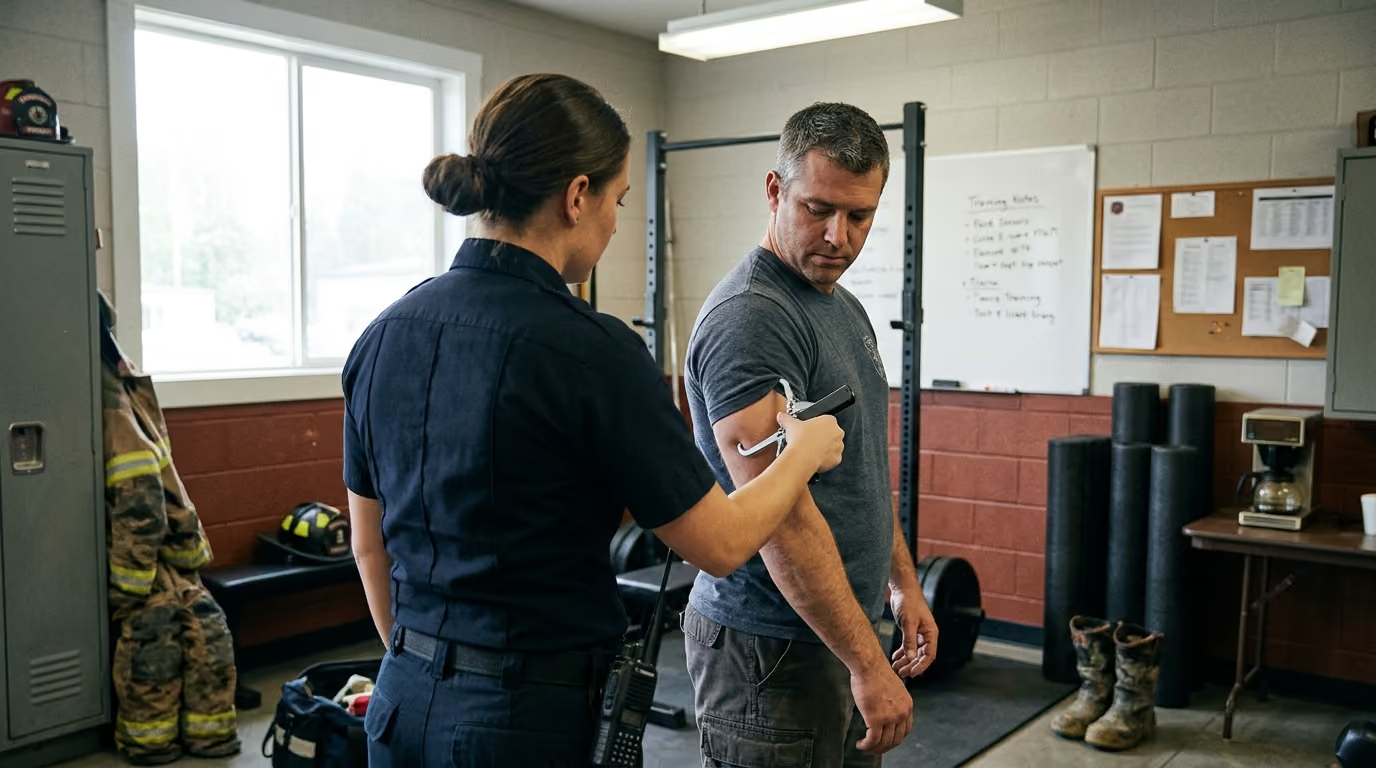
Skinfold caliper assessments estimate subcutaneous fat thickness at specific anatomical landmarks. A skilled technician uses spring-loaded calipers to measure skinfold double-folds at sites such as the chest, abdomen, thigh, and subscapular region. These values are entered into validated regression equations to estimate body-fat percentage.
Skinfold calipers provide valuable longitudinal data when administered by the same experienced practitioner. However, caliper measurements have notable limitations:
Digital body-composition assessment technologies are widely accessible in fire stations, commercial gyms, and occupational health clinics. Understanding the mechanical assumptions and error margins of each technology prevents overreacting to normal measurement variability.
Bioelectrical impedance analysis passes a low-level electrical current through the body to measure tissue resistance and reactance. Because water and electrolytes conduct electricity efficiently while fat tissue acts as an insulator, the device estimates total body water and calculates fat-free mass using proprietary equations. BIA units range from consumer foot-to-foot bathroom scales to multi-frequency segmental systems with hand electrodes.
The primary limitation of BIA is its extreme sensitivity to hydration status and external variables:
Dual-Energy X-ray Absorptiometry utilizes two low-dose X-ray beams with distinct energy peaks to measure bone mineral content, lean soft tissue, and fat mass across specific anatomical regions. DXA is widely utilized in clinical research because it distinguishes regional tissue distribution, such as visceral adipose tissue versus subcutaneous fat in the limbs.
DXA remains subject to biological and technical variations despite its advanced technology. Hydration status directly alters the photon attenuation of lean soft tissue, meaning a glycogen-depleted individual will register less lean mass on a scan. Variations in software versions, machine calibration, and patient positioning also introduce systematic noise. Professional sports science guidelines suggest that full-body DXA scans should occur no more than two to three times per year to evaluate long-term trends rather than short-term fluctuations.
Air-displacement plethysmography measures body density inside a sealed chamber by determining the volume of air displaced by the subject. While highly reliable for measuring total body volume, it requires strict adherence to standardized clothing, swim caps to compress hair, and calibrated breathing maneuvers. Three-dimensional optical body scanners use structured light or infrared depth sensors to generate an avatar and calculate circumferences. Optical scanners provide useful visual and dimensional tracking, but their body-fat calculations rely on indirect regression models similar to traditional tape measurements.
When two different measurement devices produce conflicting numbers, it does not mean one is broken. A consumer BIA scale might report 15 percent body fat while a DXA scan reports 21 percent on the same day. Each device utilizes distinct physical principles and biological assumptions. Select one reliable method, standardize the pre-test conditions, and track the direction of the trend over several months rather than searching for an absolute truth.
Relying on a single metric creates blind spots that threaten both operational readiness and long-term health. A balanced monitoring system organizes performance and physiological data into a five-layer dashboard. This approach confirms that tissue changes occur alongside stable or improving physical capabilities.
This layer monitors the foundational inputs that drive biological adaptation:
Tracking these inputs allows you to troubleshoot unexpected weight plateaus. If scale weight stalls for three weeks while training volume and protein intake remain consistent, you have useful context to adjust energy balance intelligently.
This layer tracks macro-level dimensional changes while filtering out daily noise:
A successful body-recomposition phase often presents as a flat scale weight trend paired with a steady reduction in waist circumference. This specific combination indicates fat loss accompanied by muscle preservation or hypertrophy.
This layer provides occasional reference points regarding relative tissue distribution:
Treat these values as broad directional indicators rather than absolute measurements. A recorded shift from 18 percent to 16 percent body fat over four months confirms positive progress when supported by favorable circumference and performance data.
Physical capability must remain the primary constraint during any body-composition intervention. Track at least one reliable metric from each physical domain:
A body-composition plan is working if your waist circumference decreases while your trap bar deadlift numbers and loaded-carry times remain stable or improve. If strength drops by 10 percent alongside weight loss, the caloric deficit is too aggressive and must be modified. Developing strength and duty performance ensures that lean tissue loss does not undermine job-specific tasks.
This layer monitors physiological tolerance and systemic stress:
When body fat drops while resting heart rate rises and joint pain escalates, the body is displaying signs of excessive systemic strain. Prioritize recovery and adjust energy intake before performance degrades on duty.
Preserving functional capability during an energy deficit requires targeted nutritional support and smart exercise programming. Slashing calories indiscriminately leads to rapid muscle catabolism, reduced bone mineral density, and compromised operational readiness.
Protein intake serves as the primary dietary defense against lean tissue loss during caloric restriction. Scientific reviews on athletic populations recommend consuming 1.6 to 2.4 grams of protein per kilogram of total body mass daily during weight loss phases. For lean personnel engaged in heavy training, research suggests targets between 2.3 and 3.1 grams of protein per kilogram of fat-free mass. Distribute this intake across three to five meals, ensuring that each meal contains sufficient essential amino acids to stimulate muscle protein synthesis.
Carbohydrate intake must be managed strategically around high-intensity demands. The Spanish sports-nutrition consensus emphasizes that adequate carbohydrate availability is critical for sustaining glycolytic energy production and high-intensity motor unit recruitment. Restricting carbohydrates too severely impairs glycolytic conditioning sessions and depletes glycogen stores needed for emergency calls. Position the majority of your daily carbohydrates in the meals immediately preceding and following demanding training sessions or active duty shifts. Comprehensive nutrition and body composition strategies provide sustainable fueling structures that support demanding shift patterns.
Resistance training provides the mechanical tension necessary to signal muscle retention. When the body experiences a caloric deficit, it sheds metabolically active tissue unless regular resistance exercise demands its preservation. Maintain training intensity by keeping loads heavy, typically in the 75 to 85 percent of one-repetition maximum range, while reducing total set volume if recovery becomes constrained. Avoid replacing heavy compound lifting with high-repetition, light-weight circuits under the mistaken belief that high repetitions burn more fat.
Periodizing caloric deficits protects metabolic rate and occupational stamina. Continuous, uninterrupted dieting across multiple months increases fatigue and reduces training quality. Implementing planned diet breaks, two-week periods at maintenance caloric intake every six to eight weeks, helps normalize leptin levels, restore liver glycogen, and provide psychological relief. Maintenance phases are particularly valuable during periods of heavy overtime, tactical training courses, or high heat exposure.
Many dedicated first responders undermine their physical capability by falling into predictable measurement and dietary traps. Recognizing these common errors helps maintain a rational, evidence-based approach to long-term physical readiness.
Chasing single-digit body fat is a frequent misstep in tactical fitness culture. While an elite physique may look impressive, maintaining body fat below eight percent for men or sixteen percent for women often triggers severe hormonal suppression, chronic fatigue, and reduced immune resilience. The physical demands of structural firefighting and law enforcement require substantial glycogen reserves, durable joint structures, and robust endocrine function. Extreme leanness frequently impairs these exact biological systems.
Reacting emotionally to single scale readings causes unnecessary program changes. A single high reading after a night shift reflects sodium balance, cortisol elevation, or gastrointestinal transit time rather than true fat accumulation. Slashing calories in response to normal fluid fluctuations creates an unsustainable cycle of restriction and binge eating. Rely exclusively on multi-week rolling averages to evaluate actual progress.
Equating fat-free mass directly with contractile muscle tissue creates false assumptions during rapid weight loss. When a BIA scale or DXA scan reports a drop of three pounds of lean mass after a grueling shift cycle, personnel often panic, believing they have lost three pounds of functional muscle. In reality, that reading reflects intracellular water loss and depleted glycogen reserves. Contractile muscle tissue does not vanish overnight if protein intake and heavy lifting remain consistent.
Evaluating training success through a single exercise creates a distorted view of physical capability. An individual may notice that their bench press remains stable during a weight loss phase, concluding that performance is fully preserved. However, their 2000-meter row time may have slowed by 30 seconds and their sleep quality may have deteriorated significantly. Performance is multidimensional; your assessment battery must capture aerobic power, high-intensity repeatability, and movement quality alongside raw lifting numbers.
Testing body composition too frequently generates statistical noise and psychological frustration. Biological tissue remodeling occurs slowly over weeks and months. Assessing body composition via calipers, scans, or bioimpedance every single week captures measurement error and hydration shifts rather than real tissue changes. Restrict formal composition testing to every two to three months while tracking weekly weight averages and bi-weekly waist measurements.
Applying identical body-composition targets across an entire department ignores biological individuality. Optimal body composition varies significantly based on age, biological sex, genetic structure, injury history, and specific job assignments. A tactical team breacher requires a different balance of absolute mass and power than a wildland firefighter navigating steep terrain for twelve hours. Tailor your physical metrics to the operational requirements of your specific role.
Pushing through extreme caloric deficits or intense conditioning while managing duty fatigue creates severe safety hazards. First responders operate emergency vehicles, make split-second legal decisions, and perform dangerous rescues in hazardous environments. Physical training and body recomposition goals must never compromise operational safety.
Relative Energy Deficiency in Sport represents a serious physiological risk for tactical personnel. When energy expenditure consistently outpaces caloric intake, the body downregulates reproductive hormones, suppresses thyroid function, and reduces bone mineral density. In male responders, this manifests as suppressed testosterone, chronic lethargy, and loss of morning erections. In female responders, it leads to menstrual cycle disruptions, elevated bone stress injury risk, and impaired recovery. Recognizing the signs of energy deficiency early prevents long-term endocrine dysfunction.
Fatigue management is an essential operational responsibility. Driving an emergency vehicle with slow reaction times due to severe caloric restriction and sleep debt endangers both the crew and the public. If a planned conditioning session or strict diet leaves you lightheaded, cognitively impaired, or physically unstable during emergency calls, the plan must be adjusted immediately. The baselines detailed in the CDC report on shift-work protocols highlight how operational readiness depends directly on systemic fatigue mitigation.
Safety guidelines for managing body-composition interventions on duty:
Understanding your physical limits preserves career longevity. A well-designed body recomposition plan supports your ability to perform on scene today while protecting your musculoskeletal health for retirement. Building career longevity in emergency services requires treating physical training as a sustainable, lifelong practice rather than a short-term sprint toward an aesthetic goal.
Self-monitoring using the five-layer dashboard works well for routine fitness management. However, specific physiological warning signs indicate that independent tracking should be replaced with comprehensive clinical evaluation. Professional medical and nutritional guidance provides objective diagnostics that standard gym tools cannot offer.
Consult a licensed sports dietitian specializing in tactical populations when managing complex nutritional requirements. A registered dietitian helps calculate accurate energy expenditure models, structure shift-work meal timing, and prevent micronutrient deficiencies. Professional dietary support is particularly valuable if you experience persistent gastrointestinal distress on shift, severe food fixation, or repeated cycles of extreme restriction followed by overeating.
Medical evaluation by a physician or endocrinologist is warranted when physiological markers fail to recover despite adequate rest and nutrition. Schedule a clinical review if you experience:
Clinical blood panels, comprehensive metabolic testing, and professional diagnostic imaging provide an accurate assessment of underlying physiological health. Addressing underlying hormonal imbalances, chronic systemic inflammation, or nutritional deficiencies with a licensed practitioner protects both your career capability and your long-term vitality.
Revisit this monitoring framework whenever your operational environment or physical status undergoes a meaningful change. Review these guidelines when transitioning to a new shift rotation, preparing for a promotional physical assessment, returning from a significant musculoskeletal injury, or noticing that your training numbers have plateaued for more than six weeks. Re-evaluating your tracking methods ensures that your physical training continues to serve your operational readiness.
Body composition is a valuable component of physical preparation, but it should never serve as the sole measure of your capability or your health. Sustainable career capability relies on maintaining the strength, conditioning, and metabolic resilience required to perform demanding work safely across decades of service.
Stay connected for research-led guidance on duty fitness, shift-work sleep, injury recovery, stress, nutrition and career longevity. Practical ideas for first responders who want to stay capable on the job, recover well and protect their health for the long run.



Read practical guidance on first responder fitness, recovery, sleep, nutrition and resilience for demanding work and a long, active career.
read the blog



