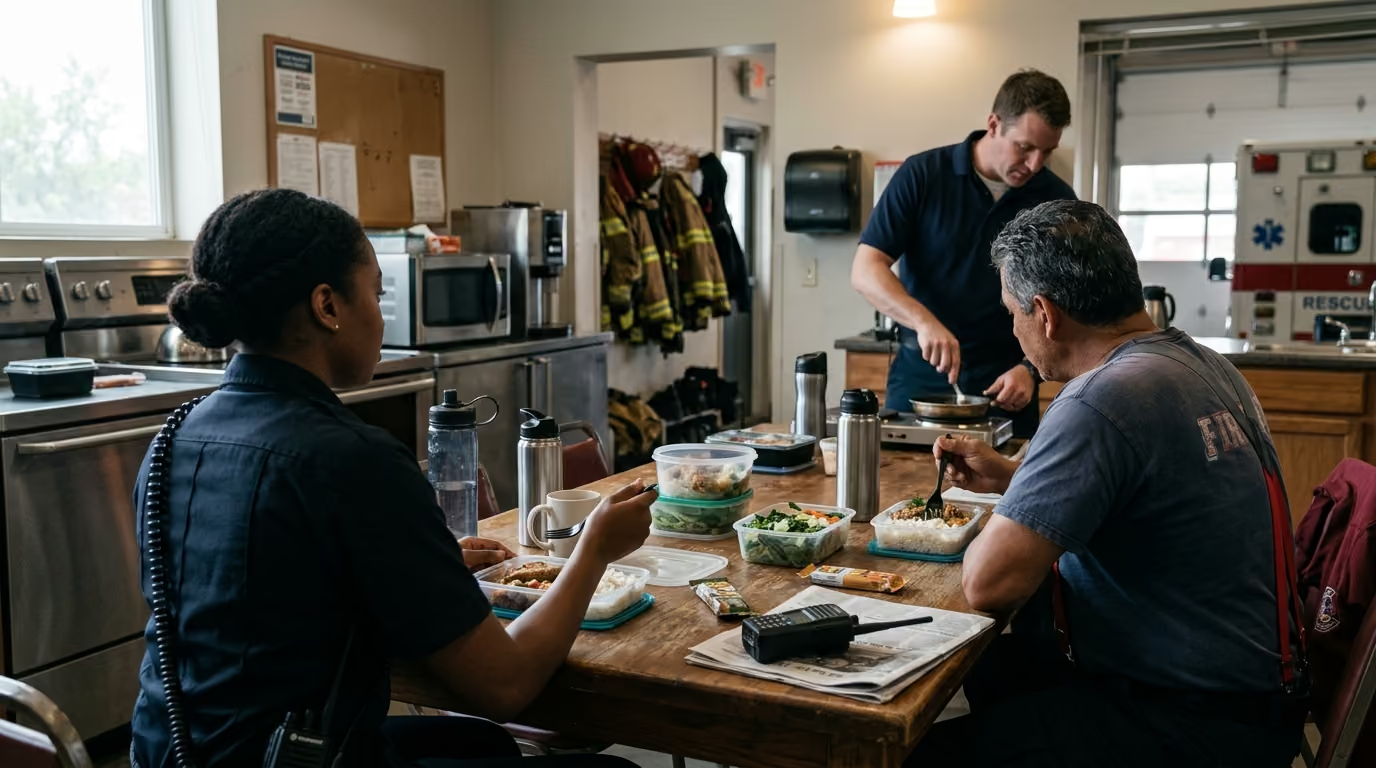

Five field feeding layers help first responders manage energy deficits, maintain hydration, and support tissue recovery during prolonged operational deployments in demanding environments.





A mutual aid call turns a routine twelve-hour shift into a thirty-hour wildfire response. A severe winter storm leaves an ambulance crew stranded between impassable rural roads and back-to-back emergency transports. An urban command post operates through the night during an evolving multi-agency incident. In each of these situations, the physical and cognitive demands remain high while access to regular meals disappears completely.
When normal schedules fail, relying on gas station snacks, sugary energy drinks, or haphazard catering leads to physical fatigue and digestive distress. Nutrition during extended deployments is not an aesthetic pursuit or a clean-eating trend. It is an operational logistics problem that directly determines physical capability, decision-making clarity, and crew safety.
Managing food and fluids in the field requires a clear system for energy availability, hydration, portable storage, and food sanitation. This manual provides a practical framework for fueling long calls, multi-day disaster operations, and standby assignments so personnel can sustain performance without compromising their health.
Field nutrition during extended duty must provide sufficient energy, fluid, and electrolytes to prevent severe physical and cognitive decline. Extended operations often require between 3,600 and 4,500 calories per day depending on physical load, gear weight, and environmental conditions.
Carbohydrates serve as the primary fuel for high-output work and should be consumed in predictable, easily digestible portions during demanding tasks. Protein supports tissue maintenance and satiety, while dietary fat offers compact calories for multi-day endurance when time and pack space are restricted.
Hydration requires scheduled fluid intake rather than relying strictly on thirst, especially when wearing protective gear in extreme weather. Electrolytes, particularly sodium, must accompany fluid intake during prolonged sweating to prevent hyponatremia and muscle cramping.
Food safety is an operational priority because foodborne illness immediately disables personnel and reduces operational capacity. Planning a layered food kit, maintaining safe cooler temperatures, and practicing field sanitation protect the crew from preventable operational failures.
Field-feeding research from military environments and occupational health organizations provides clear guidelines for calculating energy demands during prolonged duty. Historical military standards establish a baseline requirement of approximately 3,600 calories per day for personnel engaged in extended field tasks according to research on military dietary allowances. Highly demanding tasks involving prolonged foot movement with heavy gear can elevate energy requirements to 4,500 calories per day for men and 3,500 calories per day for women according to operational nutrition assessments.
These figures represent upper-end planning references rather than rigid rules for every shift. Energy needs vary based on body size, ambient temperature, protective clothing, terrain, and the nature of the duty assignment. Understanding the evidence behind specific macronutrients helps crews tailor their rations to the exact physical demands of the incident.
Energy availability refers to the dietary energy remaining for basic physiological functions after subtracting the calories expended during physical work. When energy intake consistently falls far below energy expenditure, the resulting deficit degrades muscular endurance, impairs cognitive processing, and compromises immune function.
Small, temporary calorie deficits are manageable during short standby periods. Large or prolonged deficits over several days cause rapid muscle loss, extreme fatigue, and poor reaction time. Operational planning must focus on preventing deficits severe enough to create safety hazards on the fireground or at an incident scene.
Carbohydrate is the most efficient fuel for moderate to high-intensity physical exertion. Sports nutrition standards from organizations like the American College of Sports Medicine recommend consuming 30 to 60 grams of carbohydrate per hour during continuous, prolonged physical exertion. For demanding work lasting longer than two hours, intake may increase to more than 60 grams per hour to sustain physical output and mental focus.
This level of continuous carbohydrate intake is designed for continuous, high-output movement like wildland firefighting, structural firefighting, or heavy debris clearance. Crews assigned to sedentary roles, such as dispatch support, staging management, or perimeter security, require far fewer hourly carbohydrates. Distinguishing between continuous heavy work, intermittent physical tasks, and prolonged sedentary duty prevents both energy crashes and excessive calorie accumulation.
Physical duty creates micro-trauma in muscle tissue, especially during repeated lifting, stair climbing, patient transfers, and equipment transport. Distributing protein intake evenly across the day supports muscle repair and maintains lean tissue during extended assignments. Sports nutrition consensus guidelines recommend approximately 20 to 30 grams of high-quality protein per meal as an effective target for stimulating muscle protein synthesis.
Protein also promotes satiety during long shifts when the interval between meals is unpredictable. Relying solely on protein without adequate carbohydrates during heavy exertion can leave personnel feeling physically depleted. Protein must be integrated alongside easily digestible carbohydrates to create balanced field rations.
Occupational safety standards from the Occupational Safety and Health Administration highlight that physical work in protective gear dramatically accelerates fluid loss through sweat. In hot environments or during heavy exertion, sweat rates can easily reach one to two liters per hour. Sweating depletes both body water and essential electrolytes, primarily sodium and chloride, with smaller amounts of potassium and magnesium.
Drinking plain water in large quantities during prolonged, heavy sweating without replacing sodium can lead to exercise-associated hyponatremia. This dangerous condition causes confusion, nausea, severe headaches, muscle weakness, and potentially fatal cerebral edema. Operational hydration requires balancing fluid volume with sodium intake to maintain blood volume, support cardiac output, and regulate core body temperature.
Data from public health agencies shows that foodborne illness increases significantly during emergencies, power disruptions, and field deployments. The Centers for Disease Control and Prevention notes that an unopened refrigerator will keep food safely cold for only four hours during a power outage according to emergency food safety guidelines. A full, unopened freezer maintains safe temperatures for approximately 48 hours, while a half-full freezer holds safe temperatures for about 24 hours.
Pathogenic bacteria multiply rapidly in the temperature danger zone between 40 degrees Fahrenheit (4 degrees Celsius) and 140 degrees Fahrenheit (60 degrees Celsius). The World Health Organization outlines core field hygiene principles through its Five Keys to Safer Food framework, emphasizing separation of raw and cooked items, thorough cooking, temperature control, clean surfaces, and safe water supplies. Following established food safety standards is just as critical to crew readiness as maintaining apparatus and medical supplies.
Standard dietary advice assumes consistent access to a clean kitchen, reliable refrigeration, predictable breaks, and adequate sleep. First responders rarely operate under these idealized conditions during long calls or tactical deployments. Several operational factors uniquely alter how the body processes nutrients and how food must be managed in the field.
First, personal protective equipment adds significant thermal and mechanical burden. Structural turnout gear, wildland fire gear, and tactical body armor trap metabolic heat and prevent evaporative cooling. This microclimate substantially increases sweat rates and cardiovascular strain even in moderate weather. Crews lose fluids and electrolytes at a much faster rate than unencumbered workers performing the same physical tasks.
Second, sympathetic nervous system activation alters digestive function. Acute stress and elevated adrenaline divert blood flow away from the gastrointestinal tract toward active skeletal muscle and the heart. Consuming heavy, high-fat, or high-fiber meals during active operational phases frequently causes nausea, cramping, and gastrointestinal distress. Field nutrition must rely on simple, easily absorbed foods during active periods, reserving complex, larger meals for structured rest cycles.
Third, call volume and deployment timelines are unpredictable. An incident response planned for two hours can easily evolve into a sixteen-hour operational period without scheduled breaks. Personnel who do not carry food on their person often experience severe energy crashes when staging delays prevent supply trucks from reaching the scene.
Finally, extended shifts disrupt circadian rhythms, which impairs glucose tolerance and alters appetite-regulating hormones. Night operations often trigger intense cravings for refined sugar and high doses of caffeine. Managing shift nutrition through a structured system prevents the energy spikes and crashes that compromise situational awareness. Exploring a structured first responder shift nutrition framework provides practical meal planning strategies for unpredictable duty hours.
To ensure consistent nutrition regardless of call duration, responders should adopt a five-layer feeding framework. This system organizes food by accessibility, preparation time, and operational role, guaranteeing that personnel always have appropriate fuel available.
Immediate-access fuel consists of compact, durable items carried directly in pockets, chest rigs, or duty gear. These items require zero preparation, produce minimal mess, and can be consumed in thirty seconds or less during brief pauses in work.
This layer protects personnel from sudden hypoglycemia during extended physical tasks when leaving the operational area is impossible.
Portable meals are designed to be eaten during short, scheduled breaks lasting five to fifteen minutes at a staging area, vehicle cab, or rehabilitation sector. These meals require no cooking, can be eaten cold, and deliver a balanced combination of carbohydrates, protein, and moderate fats.
Portable meals prevent the physical decline associated with skipped meals while avoiding the heavy, sluggish feeling caused by fast-food catering.
When an operational pause permits a twenty to thirty-minute break and basic heating equipment is accessible, a warm meal provides significant physiological and psychological benefits. Warm food improves morale, increases total calorie intake in cold environments, and provides comfort during prolonged stress.
Hot meals are valuable for operational sustainability, but safety remains the priority. A safe, cold meal is always preferable to a warm meal that has lingered in the temperature danger zone.
The reserve ration is an untouchable supply of high-density food stored in a separate compartment of a gear bag or apparatus. This reserve is strictly designated for unexpected extensions, failed supply lines, or prolonged entrapment where normal food delivery fails.
Personnel should inspect, rotate, and replace reserve rations every six to twelve months to guarantee freshness and packaging integrity.
Recovery nutrition begins the moment personnel are released from duty or enter an extended rehabilitation period. The focus shifts from rapid fuel delivery to muscle repair, glycogen replenishment, rehydration, and systemic recovery.
Planning recovery meals before deployment prevents the cycle of post-shift overeating at fast-food drive-throughs, which disrupts digestive comfort and interferes with restful sleep.
A well-constructed field food kit ensures nutritional independence during long deployments. Selecting items across four primary nutrient categories creates a balanced, durable pantry that withstands temperature fluctuations and rough transport.
Carbohydrate items provide quick energy and form the foundation of field meals.
These carbohydrates should be paired with protein or healthy fats during long breaks to slow digestion and provide sustained energy release.
Shelf-stable proteins prevent muscle wasting and maintain immune function across multi-day deployments.
Responders monitoring their sodium intake for blood pressure management should review labels, as many canned meats and jerky varieties contain elevated sodium levels.
Dietary fats supply nine calories per gram, making them the most space-efficient energy source for compact deployment kits.
High-fat foods digest slowly and should be eaten during rest periods rather than immediately prior to intense physical tasks.
Extended deployments often lack fresh produce, leading to digestive sluggishness and micronutrient gaps. Including shelf-stable produce alternatives maintains gastrointestinal regularity and systemic health.
Balancing fiber intake is critical. Consuming too little fiber causes constipation, while introducing massive amounts of unfamiliar fiber during an incident can cause severe abdominal cramping.
Fluid balance directly impacts cardiovascular performance, heat tolerance, and cognitive precision. Dehydration exceeding two percent of body mass significantly increases heart rate, elevates core temperature, and reduces physical work capacity according to occupational health research.
Personnel should arrive for duty in a well-hydrated state rather than attempting aggressive hyper-hydration right before a call.
Arriving at an incident already dehydrated accelerates physical exhaustion and increases the risk of heat stress.
Waiting until thirst occurs is an unreliable hydration strategy during intense work. Sympathetic arousal blunts thirst perception, and protective equipment hinders regular drinking.
Workplace heat guidelines from occupational safety agencies emphasize that accessible, cool fluids located close to the work area dramatically improve worker fluid compliance.
Electrolytes regulate nerve transmission, muscle contraction, and fluid balance across cellular membranes. When sweating is heavy or sustained, replacing electrolytes becomes just as vital as replacing water.
Balancing water and sodium ensures rapid fluid absorption in the intestines and maintains plasma volume under thermal strain.
Personnel can estimate their individual sweat rate during training drills to create personalized hydration plans for future deployments.
Conducting this simple assessment across warm and cool conditions provides a reliable estimate of personal hourly fluid needs.
Foodborne illness during an extended emergency can incapacitate entire crews and compromise public safety. Implementing rigorous sanitation protocols prevents gastrointestinal infections when operating in austere environments.
When commercial refrigeration is unavailable, maintaining cold chains requires active temperature management.
According to CDC disaster recovery guidelines, food that retains ice crystals or measures at or below 40 degrees Fahrenheit can be safely cooked or consumed according to federal food safety recommendations. When in doubt regarding temperature exposure, discard the food immediately.
Never assume local tap water or surface water is potable during natural disasters, floods, or municipal infrastructure failures.
Using clean water for oral hygiene and hand washing is just as important as drinking safe water.
Basic hygiene practices break the chain of infection in the field, where exposure to soot, biohazards, and chemical contaminants is elevated.
Adhering to the World Health Organization's Five Keys to Safer Food guidelines prevents debilitating outbreaks of gastroenteritis that cripple emergency response efforts.
Different deployment scenarios present unique nutritional demands. Applying targeted feeding strategies ensures personnel maintain peak capability under varied operational constraints.
Understanding how to manage recovery after extended shifts helps personnel transition smoothly back to baseline. You can review strategies for managing acute stress between calls to maintain focus and resilience across demanding tours.
Avoiding common nutrition errors protects personnel from unnecessary fatigue, digestive distress, and performance failure during extended incidents.
High-caffeine energy drinks provide temporary central nervous system stimulation but do not solve underlying energy deficits or dehydration. Consuming multiple energy drinks causes tachycardia, gastrointestinal cramping, elevated blood pressure, and severe energy crashes. Furthermore, excessive caffeine late in a shift impairs post-deployment sleep quality, compounding chronic fatigue. Separate true hydration (water and electrolytes) from strategic, moderate caffeine use.
Eating a massive, greasy meal during an operational pause diverts substantial blood flow to the digestive tract, causing profound lethargy, bloating, and reduced physical capability. Personnel should eat smaller, frequent meals and snacks every two to three hours rather than consuming a single large meal. This maintains stable blood glucose without overwhelming the gastrointestinal system.
Assuming that drinking unlimited amounts of plain water is always beneficial is a dangerous misconception. In heavy sweating conditions, overconsuming plain water without sodium dilutes serum electrolytes and increases the risk of hyponatremia. Fluid intake must match sweat loss and must always be paired with sodium replacement during prolonged exertion.
Many commercial shelf-stable snack foods provide empty calories from refined sugars and unhealthy fats while lacking protein, fiber, and micronutrients. A diet composed entirely of candy, chips, and processed pastries leads to rapid blood sugar volatility, digestive inflammation, and poor recovery. Select shelf-stable items that offer meaningful nutritional value, including lean protein sources, complex carbohydrates, and wholesome fats.
Pathogenic bacteria, including Salmonella, E. coli, and Listeria, do not necessarily alter the smell, appearance, or taste of contaminated food. Relying on sensory checks to judge food safety is unsafe. Adhere strictly to time and temperature standards; if perishable food has sat in the danger zone for more than four hours, discard it regardless of how it looks or smells.
Organizing personal and team-level food supplies ensures readiness for rapid deployment to long calls or disaster responses.
Field nutrition strategies must operate within strict safety boundaries to protect personnel from injury and medical complications.
First, nutrition and hydration cannot compensate for extreme physical exhaustion or severe sleep deprivation. Food provides fuel, but it does not eliminate the central nervous system fatigue caused by extended wakefulness. Personnel experiencing severe cognitive impairment, microsleeps, or motor deficits must be rotated into mandatory rest cycles rather than fueled with additional stimulants.
Second, personnel with chronic medical conditions, such as hypertension, cardiovascular disease, renal disease, or diabetes, must tailor their field nutrition plans in consultation with their healthcare providers. Individuals on sodium-restricted diets or medications that alter fluid balance (such as ACE inhibitors or diuretics) require specialized hydration and electrolyte guidance.
Third, suspected heat illness must be treated as a medical emergency, not a simple hydration problem. If a responder exhibits confusion, staggering, vomiting, cessation of sweating, or altered mental status, immediate active cooling and emergency medical evaluation take precedence over oral fluid intake. Never attempt to administer oral fluids or food to an individual with altered consciousness.
Finally, food safety rules must never be compromised to save supplies. Eating spoiled food during an incident risks incapacitating responders when operational demands are highest. When supply lines fail, request logistical support through incident command rather than consuming questionable food items.
While standard field feeding principles apply to most responders, certain situations warrant individualized assessment by licensed professionals.
Personnel who experience recurrent gastrointestinal distress, severe cramping, or persistent nausea during duty should consult a registered dietitian specializing in sports nutrition or occupational performance. A specialized dietitian can help identify food intolerances, optimize carbohydrate timing, and design tailored fueling strategies.
Responders with unexplained rapid weight loss, chronic fatigue, persistent electrolyte abnormalities, or difficulties managing blood glucose during shift work should undergo medical evaluation by a licensed physician. These symptoms can indicate underlying metabolic, endocrine, or gastrointestinal disorders requiring clinical intervention.
Departments seeking to establish comprehensive health and performance programs should collaborate with occupational health physicians and tactical strength and conditioning specialists. Building an organizational framework around nutrition, duty fitness, and recovery supports personnel throughout their careers. Responders interested in maintaining long-term physical capability can review resources within the energy, nutrition, and body composition subject library.
Understanding the principles of career longevity ensures that the physical habits built during active duty support health long after service concludes.
Review this field manual before peak wildland fire seasons, prior to severe weather deployments, or when updating apparatus go-bag inventories. Revisit these guidelines whenever your department updates standard operating guidelines for incident rehabilitation, cooler management, or extended mutual-aid operations.
Fueling extended operations with intention protects physical stamina, sharpens decision-making, and safeguards long-term health across a demanding emergency service career.
Stay connected for research-led guidance on duty fitness, shift-work sleep, injury recovery, stress, nutrition and career longevity. Practical ideas for first responders who want to stay capable on the job, recover well and protect their health for the long run.



Read practical guidance on first responder fitness, recovery, sleep, nutrition and resilience for demanding work and a long, active career.
read the blog



