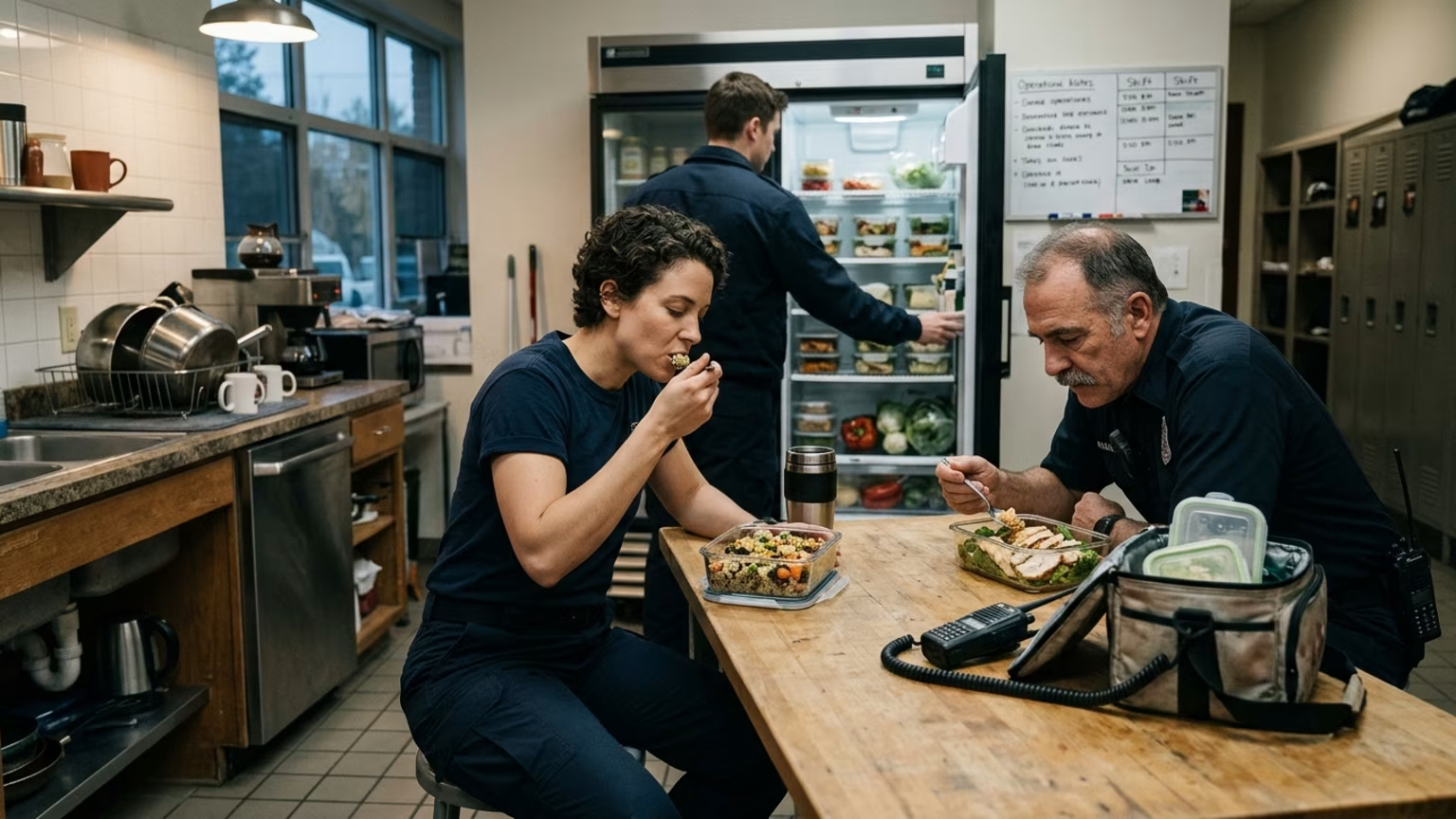

Learn how first responders can build a practical, modular nutrition framework to maintain physical readiness and health during unpredictable shift schedules.





How do first responders maintain physical readiness when shift hours and call volumes make meal breaks completely unpredictable? They build a modular eating framework based on food redundancy, starting with a dependable pre-shift base and carrying portable backups to prevent reliance on highly processed options.
The physical demands of emergency service require a consistent energy baseline, but irregular work hours heavily disrupt typical eating patterns. The American Heart Association says traditional cardiovascular risk factors remain highly prevalent among tactical athletes. These risks include hypertension, abnormal blood lipids, obesity, type 2 diabetes and smoking. When unpredictable calls eliminate standard breaks, responders frequently default to energy-dense, nutrient-poor convenience food. Establishing a steady metabolic foundation prior to the shift protects against this cycle of hunger and poor food quality.
The pre-shift meal should be the most dependable eating opportunity because it occurs before call volume, apparatus movement or patient-care demands can interrupt eating. A practical performance plate includes produce, lean protein, carbohydrate-containing foods and healthy fats. This aligns perfectly with Human Performance Resource Center guidance. Practical examples include rice with chicken, potatoes with eggs, a bean-and-rice bowl or yogurt with fruit. CDC guidance highlights protein foods along with vegetables, fruits and whole grains to support immune health.
This baseline meal should be large enough to avoid starting duty hungry, yet familiar enough to minimize gastrointestinal risk during strenuous work. A systematic review reported that occupation-specific firefighter training programs were associated with better performance on several simulated fireground tasks. These physically demanding tasks included victim rescue, hose advancement and ladder operations. A structured nutritional baseline supports this high-output physical capacity without enforcing a rigid, impossible eating schedule.
First responders must build their daily nutrition around a redundant food system rather than a fixed cafeteria schedule. Because a reliable kitchen break may disappear without warning, responders should carry at least two distinct categories of food onto the apparatus. The first category is a fast option that can be consumed quickly between rapid assignments. Fast options include shelf-stable milk, whole-grain bars, trail mix and crackers.
The second category is a more substantial backup for a genuine meal opportunity. More substantial options can include a prepared rice-and-protein bowl, overnight oats or a sandwich paired with fruit and vegetables. The goal of this minimum viable meal system is not to force a massive feast on every single call. Instead, the objective is to prevent an all-or-nothing eating pattern where a missed meal leads to excessive hunger and metabolic strain later in the shift. Carrying modular portions keeps steady fuel available, even if the crew is away from the station for several hours.
Supporting strenuous physical operations requires adequate energy, and carbohydrate-containing foods are particularly practical for high-output incidents. However, individual portion sizes and exact carbohydrate quantities must be adjusted based on the specific demands of the tour, the size of the responder and individual medical needs. Relying on a balanced base of protein, carbohydrates and healthy fats is much more practical than depending on isolated energy products or untested supplements.
Hydration also plays a critical role in execution, especially during heavy heat exposure, prolonged exertion or extended structural fires. Firefighter heat researchers highlight work-rest cycles, cooling opportunities and hydration as important factors to consider together. Rather than prescribing a universal hourly fluid volume, responders should begin their shift hydrated, keep water accessible and coordinate their fluid intake with established cooling procedures. Overdrinking can also be problematic, so more water is not automatically better. Individual needs depend on heat exposure, protective equipment, exertion levels and acclimatization.
A flexible framework must adapt to the specific length of the rotation, as longer shifts introduce far more variables and fatigue. Adjusting for shift length requires a transition from a standard meal mentality to a tactical fueling approach.
Managing nutrition across a career involves far more than just generating enough immediate energy for the next medical call or fireground operation. The American Heart Association's tactical-athlete framework takes a risk-management approach, where physical fitness and duty readiness should be considered alongside conventional cardiovascular risk factors. Balancing these priorities requires connecting long-term body composition and nutrition strategies with daily occupational performance.
Healthcare research reports an association between long-term night-shift exposure and cardiometabolic risk. Furthermore, one observational study of rotating shift workers reported associations between greater meal-rhythm fragmentation and more favorable insulin-resistance and triglyceride measures. While this is purely observational and does not prove causation, it highlights the complex metabolic impact of irregular eating hours. First responders must protect their long-term health by prioritizing whole foods over heavily processed convenience items, managing their specific health risks carefully over decades of active service.
Post-shift recovery eating also plays a massive role in maintaining health over the long term. If a responder is going directly to daytime sleep, the meal should be highly individualized rather than automatically made large. A small, familiar meal is often much more practical than a heavy meal when rapid sleep is the immediate priority. CDC guidance says most adults need at least seven hours of sleep and notes that losing several hours can weaken immune defenses. Night work creates competing priorities, as a responder may need enough food to recover from exertion while also avoiding discomfort that interferes with daytime sleep.
Eating should support the opportunity to sleep rather than create another lengthy task or cause painful gastrointestinal discomfort. First responders dealing with chronic conditions like hypertension, kidney disease, diabetes or food allergies require individualized medical guidance, not a generic shift template. A reliable nutritional foundation prepares the body for both the acute rigors of emergency service and an active, healthy life long after leaving the uniform.
Once you establish a modular eating routine, the next step is protecting your circadian health during overnight tours. Understanding how time-restricted eating windows help first responders can further manage your metabolic strain. You can also review strategies for building a shift-specific sleep plan to confirm that your carefully planned recovery eating actually translates into restorative, high-quality rest.
Transitioning from inconsistent shift eating to a durable nutritional system clears the path for sustainable physical conditioning. By addressing the constant friction of generic fitness advice that assumes a predictable nine-to-five schedule, Rescuris helps responders build physical capability that survives unpredictable shifts.
Rescuris publishes evidence-aware guidance for firefighters, police officers, paramedics and other first responders on fitness, recovery, sleep, nutrition, stress resilience and long-term capability.






Read practical guidance on first responder fitness, recovery, sleep, nutrition and resilience for demanding work and a long, active career.
read the blog
