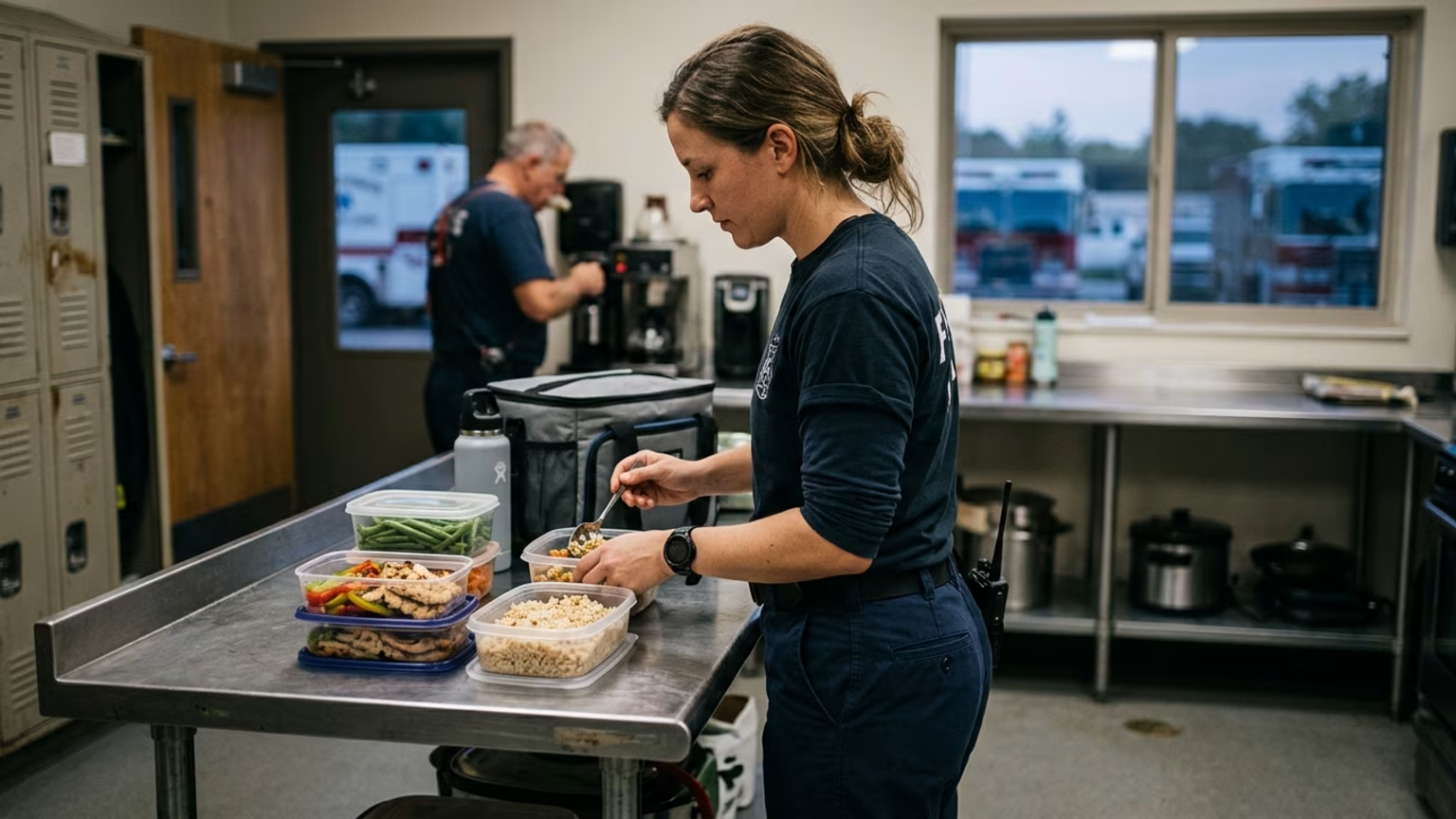

Learn how first responders build balanced shift meals around unpredictable emergency schedules using a flexible framework for protein, carbohydrates and fluids.





How can first responders build balanced meals when shift schedules and emergency calls make predictable eating impossible? You build meals from a modular system of protein, carbohydrates, produce and fluids rather than relying on a rigid clock-based meal plan.
First responders face constant schedule disruptions that render standard diet advice useless. A structured approach replaces the frustration of missed meals with adaptable components that fit into small recovery windows. Packing food based on core nutritional categories allows personnel to adjust their intake when operations extend past normal limits. This flexible framework keeps physical readiness high across unpredictable hours.
The physiological demands of emergency service require a steady supply of nutrients to manage metabolic strain. Irregular schedules disrupt the predictable daily rhythms of energy expenditure and recovery. Scientific observations of rotating shift workers suggest that meal fragmentation patterns influence insulin and metabolic markers. Distributing protein evenly across a shift provides continuous amino acids for muscle repair and recovery.
This steady nutrient intake prevents the gastrointestinal distress of consuming one massive meal after hours of fasting and strenuous exertion. Rapid blood sugar drops frequently follow long periods of fasting, leading to severe cognitive fatigue. Supplying the body with predictable food components protects situational awareness during chaotic incident responses. Maintaining this baseline physiological stability reduces the compounding stress of long shifts and interrupted rest periods.
You adjust carbohydrate portions based on physical workload and scale back heavy fats before strenuous exertion.
Practical meal building treats food as interchangeable components rather than fixed recipes. Protein forms the base of the framework because it supports physical duty and tissue repair. Emergency personnel can use eggs, Greek yogurt, poultry, lean meat or beans as reliable sources. Distributing these protein foods across the day works better than attempting to eat a massive serving at the end of a long shift.
Carbohydrates supply the primary fuel for prolonged physical tasks and heavy gear carriage. Responders should scale up foods like rice, oats, potatoes and fruit when a shift involves sustained heat exposure or extended incidents. A practitioner article from Jodi Allen Nutrition notes that fatigue, time constraints and irregular schedules operate as distinct barriers to healthy eating. The article cites a 2024 study in the Journal of Exercise and Nutrition regarding these specific first responder obstacles.
Produce serves a dual purpose by delivering essential vitamins while increasing daily water intake. First responders often struggle to maintain hydration when operating in restrictive protective gear or thick structural firefighting equipment. Eating fluid-rich fruits or cut vegetables provides steady water absorption alongside necessary carbohydrates. This strategy prevents the digestive sloshing that occurs when drinking large bottles of water immediately before a physical response.
Packing a complete backup meal helps navigate those exact time constraints when calls interrupt standard breaks. A viable backup combines a protein source with a carbohydrate and a produce item. Produce adds volume and secondary hydration through options like apples, oranges or cut vegetables. Fats from nuts or cheese improve energy density but require careful reduction when eaten immediately before strenuous work.
Station duty provides opportunities to use full kitchen setups for assembling repeatable combinations. Personnel can prepare eggs and oats with fruit or combine rice with beans and chicken. When emergency calls interrupt preparation, having a compact bridge snack available prevents complete energy depletion. This snack should carry you to the next complete meal rather than acting as a full replacement.
Integrating this approach helps personnel maintain their baseline physical capacities over time. For more information on physical readiness, readers can read our breakdown of the physical capacities every first responder needs.
Day shifts allow for standard pre-shift meals, while overnight rotations require flexible eating patterns that align with operational demands.
Attempting to follow a traditional clock fails entirely during unpredictable night rotations. Some recent shift-work research focuses on how the fragmentation of energy intake impacts metabolic markers. A practical approach places a substantial balanced meal just before duty or early in the shift. This timing provides baseline energy before deep fatigue sets in.
As the night progresses, smaller and easier-to-digest food combinations become much more practical. Heavy meals consumed in the middle of a night rotation often cause gastrointestinal discomfort during sudden physical exertion. Emergency personnel should adapt their intake based on how their digestion handles the disruption of irregular schedules. Forcing large quantities of food at three in the morning rarely supports optimal physical output.
When calls dictate the timeline, responders must grab food during brief return trips to the station. If a complete meal is impossible, personnel should consume a basic protein and carbohydrate snack to sustain attention and physical output. Relying strictly on fasting overnight ignores the reality of hauling equipment or managing complex medical scenes in the dark. Smaller food units bridge the gap without overwhelming the digestive system.
Eating after a demanding night shift presents another logistical hurdle for exhausted emergency personnel. Relying on heavy takeout food right before sleep often disrupts rest quality and delays physical recovery. A better approach involves consuming a light combination of protein and carbohydrates to satisfy hunger without taxing the digestive system. This smaller meal bridges the gap until the responder wakes up and resumes their normal daytime eating schedule.
Those navigating unpredictable hours can find further strategies in our guide on balancing fixed anchor sleep windows. Proper meal timing pairs with sound sleep strategies to protect duty readiness and situational awareness.
Portable coolers, insulated food jars and unit-based water bottles maintain food safety and access when station returns are delayed.
Extended incidents strip away the convenience of microwaves and station refrigerators. Food must remain safe to consume under field conditions for hours at a time. Portable coolers allow responders to carry complete backup meals in their assigned vehicles. Insulated food jars keep prepared carbohydrate and protein combinations warm during harsh winter operations.
Managing food temperature in field environments adds another layer of complexity to shift nutrition. Summer heat rapidly spoils standard meals left in vehicle cabs during prolonged highway accident responses. Personnel must utilize hard-sided coolers with dedicated ice packs to protect their protein sources from bacterial growth. Conversely, extreme cold requires thermal containers that prevent carbohydrate sources from freezing solid during long standoffs or extended fireground operations.
Hydration requires just as much logistical planning as solid food preparation. Carrying a bottle in the vehicle and sipping regularly proves more effective than waiting until the end of a shift. Fluids can also come from foods like yogurt, soup, watermelon and other fruits. This integrated approach to hydration supports cognitive function and physical output during complex emergencies.
During large-scale extended incidents, food service operations may provide catered meals at set intervals. First responders should use these resources while keeping personal backup foods available for unexpected delays. Portable bars, jerky and trail mix serve as critical bridge snacks when incident demands outpace the catering schedule. Relying solely on provided meals often leaves personnel depleted during unexpected operational extensions.
Maintaining structured food access directly influences how well a responder handles unexpected physical stress. For guidance on structuring adaptable physical preparation, read our progressive training framework.
Maintaining consistent nutrient intake reduces the long-term metabolic strain of shift work and supports physical capability after service.
The physical realities of emergency service accumulate over decades of disrupted sleep and inconsistent meals. Chronic under-fueling during active duty accelerates muscle loss and delays recovery from minor injuries. A flexible framework that secures adequate protein and carbohydrates prevents excessive muscle breakdown. This consistent approach protects the bodily structures needed to safely navigate fireground hazards and physical transports.
Long-term nutritional consistency also plays a direct role in protecting connective tissue and bone density. Emergency work places massive mechanical stress on the knees, lower back and shoulders during patient lifts and structural searches. Adequate protein intake provides the raw materials necessary to repair micro-tears in tendons and ligaments before they become chronic injuries. Without this consistent structural support, responders face a much higher risk of career-ending orthopedic damage.
Aging personnel often face slower recovery timelines and changing metabolic markers as their careers progress. Adapting meal components rather than relying on extreme diets provides a sustainable path for managing these biological changes. Reliable nutrition habits help mitigate the compounding stress of long-term shift work and unpredictable operational tempo. This stability forms a critical layer of defense against premature physical decline.
Leaving the service requires a body capable of enjoying retirement without constant pain. Consistent fueling practices during active duty directly preserve tissue health and joint stability for life after the job. Personnel who build adaptable food systems experience smoother transitions into civilian life. Readers looking to maintain their muscle mass over time can read our guide on building and preserving muscle through a career.
Establishing a durable nutrition framework represents only one part of managing the physical toll of emergency service. The stress of the job also requires active mental and physiological management between calls. Grounding techniques provide a practical way to manage the nervous system when returning to the station. To build this capability, read our breakdown of practical stress skills between calls.
Establishing a reliable shift-meal framework naturally leads to questions about how metabolic health interacts with long-term endocrine function. Understanding testosterone and hormone claims without assuming testing or treatment is right for everyone remains a major challenge for aging personnel, but navigating these changes becomes much clearer when Rescuris provides evidence-based context.
Rescuris publishes evidence-aware guidance for firefighters, police officers, paramedics and other first responders on fitness, recovery, sleep, nutrition, stress resilience and long-term capability.






Read practical guidance on first responder fitness, recovery, sleep, nutrition and resilience for demanding work and a long, active career.
read the blog
