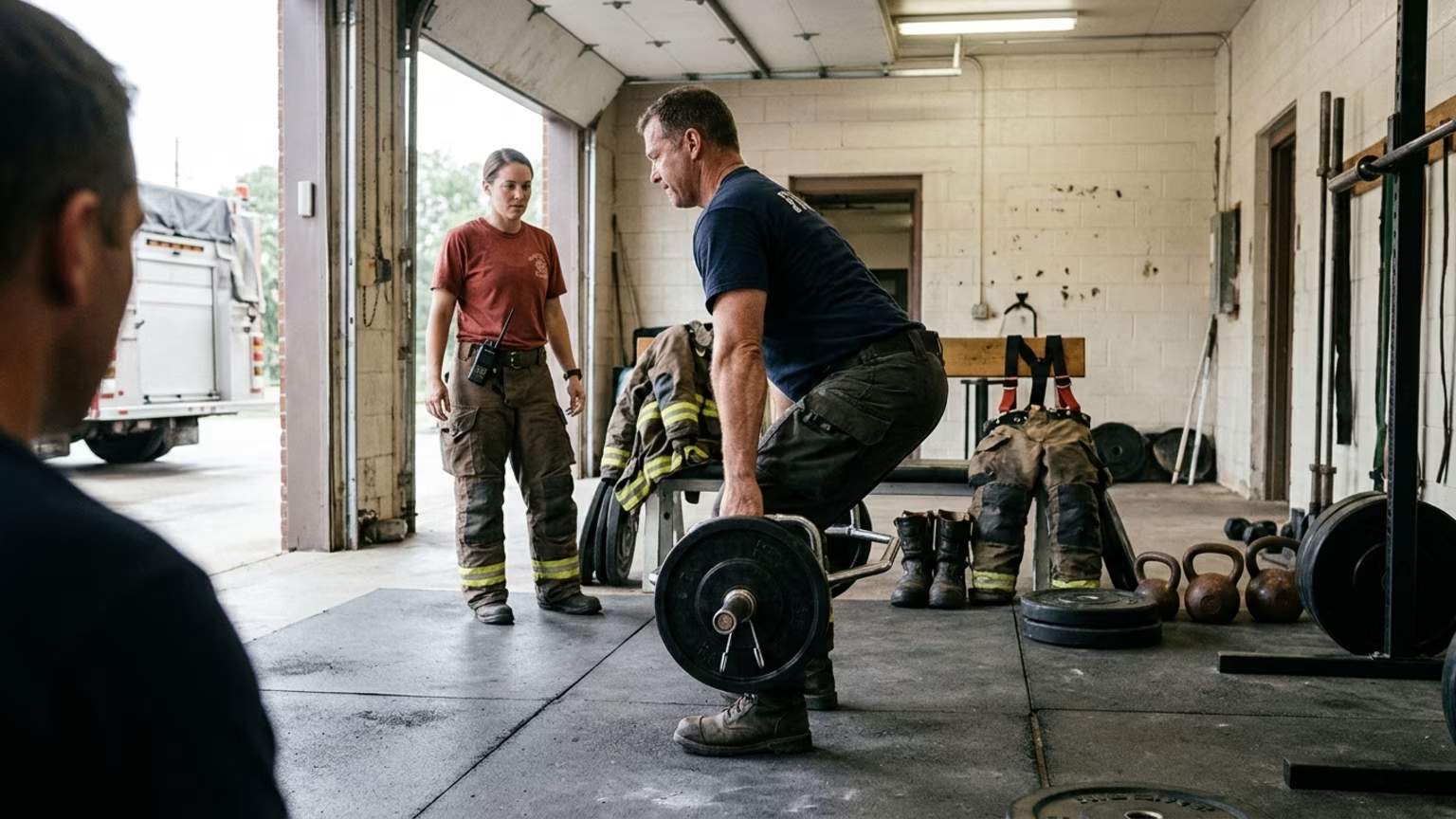

FORTIFY Bones reported a small spine-density benefit from high-intensity training. Here is how to interpret the preliminary finding for first responders.





On October 27, 2026, Medscape reported preliminary results from FORTIFY Bones, short for “Finding the Optimal Resistance Training Intensity for Your Bones.” The randomized trial found a small lumbar-spine bone mineral density advantage with high-intensity progressive resistance training in older adults. Moderate-intensity training did not show that advantage.
Medscape described findings presented at the American Society for Bone and Mineral Research’s 2026 annual meeting in Boston. Consultant360 also published conference coverage of the trial. For first responders considering what this means for training and recovery, the central distinction is between a measured bone-density change and a demonstrated improvement in health or duty performance.
According to Medscape, FORTIFY Bones compared moderate- and high-intensity progressive resistance training with a home posture-and-balance program over 12 months. The high-intensity group showed a statistically significant lumbar-spine bone mineral density advantage over both the control and moderate-intensity groups. Researchers estimated the difference at approximately 1%, with further analysis needed to confirm its precise size.
The other results help define that finding. High-intensity training showed no benefit at the total hip or femoral neck. When researchers combined both resistance-training groups, they found no advantage over control at any of the measured bone-density sites.
That is a narrower result than saying resistance training improved bone density throughout the skeleton. It also means the trial should not be described as a broadly positive comparison of resistance training against home exercise. The reported advantage emerged in a particular training group at a particular skeletal site.
Lora Giangregorio, a University of Waterloo professor and trial researcher, characterized the spine changes as small. Mary L. Bouxsein, a Harvard Medical School professor who attended the presentation, was encouraged by the spine result but disappointed by the absence of a hip benefit. Their comments to Medscape point toward a site-specific interpretation rather than a general claim about stronger bones everywhere.
The intensity labels described defined study conditions, not simply how hard participants felt they were working. Medscape reported that the moderate-intensity group used a load they could lift for 12 repetitions without failure. The high-intensity group used a load they could lift only six times before failure.
Those descriptions are not repetition targets for readers. They explain the comparison researchers made within a program that included instruction and progression.
Resistance-training participants first received two individual exercise-teaching sessions. They then attended small-group training for up to six weeks before continuing twice-weekly workouts. The program included squats and dead lifts alongside step-ups and hip thrusts. Upper-body exercises included bench presses, landmine presses and rows.
The study also reported substantial participation. Retention was 91%, meaning participants returned for assessments. Median exercise adherence was 92% in the moderate-intensity group and 86% in the high-intensity group. Those figures describe attendance or adherence, not the proportion who completed every planned workout.
The research question was deliberately focused. Giangregorio told Medscape that FORTIFY Bones examined resistance training by itself partly because LIFTMOR combined resistance and impact training. That earlier combination made it difficult to isolate the contribution of resistance exercise alone.
This distinction matters when comparing exercise headlines. A result from a combined program does not establish which component produced it. FORTIFY Bones helps address the resistance-training question without settling every question about exercise and bone health.
For first responders, the operational relevance lies in how bone-health evidence fits within a longer career. Physical capability matters alongside recovery and health after service. A modest research finding deserves attention without becoming another demand to train harder regardless of circumstances.
The participant group defines an important boundary. Medscape reported that the trial enrolled 324 older adults with an average age of 67. Most participants were women and White. Most were also in the low FRAX 10-year major osteoporotic fracture-risk category.
People already doing moderate- or high-intensity resistance training were among those excluded. Other exclusions included contraindications to heavy lifting and recent fractures or joint replacements. The findings therefore do not directly establish the same benefit or safety profile for already-trained responders or people returning from those conditions.
This was not a first-responder trial. It measured bone mineral density rather than occupational readiness or injury recovery. The presentation also did not establish effects on strength, work capacity, falls or fracture prevention. Functional and mobility analyses were still planned.
That leaves no basis here for a department-wide heavy-lifting requirement or a new return-to-duty standard. Those would be policy or clinical conclusions beyond the reported outcomes.
A career-long view of physical capability gives the story a more useful frame. Bone health belongs within the discussion, but a scan result should not become the sole definition of readiness. For an active responder or someone now retired, the relevant goals may extend well beyond the outcome this trial measured.
The fracture finding needs careful wording. Medscape reported no exercise-attributable fractures, but that does not mean no fracture occurred. The report described one vertebral fracture as possibly related to the intervention before investigators identified it as associated with metastatic cancer affecting the spine.
There were also expected exercise-related events. These included muscle strain and muscle or joint pain. Tendonitis and worsening of pre-existing conditions were reported as well. Such events were reported more often among participants attending in-person resistance training than among those exercising at home.
Bouxsein told Medscape that she was encouraged by the reported safety profile. That assessment can sit alongside the symptom reports without turning into a claim that heavy training was complication-free.
For someone returning from injury or managing a bone-health condition, the appropriate translation is an individualized discussion with qualified care. The study offers evidence to bring into that conversation. It does not provide a personal assessment of which exercises or loads fit a particular medical history.
The useful response is not to copy the high-intensity group. It is to separate the questions that a training headline often bundles together. Exercise selection and progression are personal decisions when injury or bone-health concerns are involved.
A discussion with a qualified clinician or rehabilitation professional can focus on several distinct issues:
These are conversation topics rather than a clearance checklist. The report does not supply an individualized loading plan for an injured or substantially deconditioned responder. Personal decisions belong with qualified professionals who can consider the circumstances that a conference report cannot assess.
Rescuris’s related discussion of training decisions when physical wear accumulates keeps that broader problem in view. Maintaining capability does not require treating every promising result as a reason to increase intensity. The practical task is matching the question to the evidence before changing the plan.
Giangregorio told Medscape that additional FORTIFY Bones analyses are planned for adherence and nutrition. Those nutrition analyses include protein, calcium and vitamin D intake. Researchers also plan to examine physical function, mobility and quality of life.
Those are relevant follow-ups because readers need more than a single skeletal measurement to judge the place of a training approach. The nutrition work may add context to the results, but it is not yet a basis for a supplement or dietary prescription. The adherence work may also help clarify participation in the tested program.
Bouxsein noted that fall prevention can matter for fracture risk independently of bone mineral density. That leaves a useful question for the functional analyses: how do the training groups compare on outcomes beyond the scan? Any reported changes will need to be judged on their own terms rather than assumed from the spine result.
For first responder wellness, another open question is how relevant this approach is across different training histories and stages of a career. Answering that would require evidence in the populations and circumstances of interest, not simply a more confident reading of this report.
FORTIFY Bones has supplied a focused finding worth following. Its next value will come from clarifying how that finding fits alongside participation, function and daily life. That is a better basis for continuing analysis than turning a modest density advantage into a universal training rule.
Training leads sorting bone-density claims need more than a heavier-is-better message; Rescuris brings research-led interpretation to that task. Its guidance helps emergency-service professionals weigh conflicting performance advice against recovery and lasting health rather than treating a promising research headline as a universal training plan.
Rescuris publishes evidence-aware guidance for firefighters, police officers, paramedics and other first responders on fitness, recovery, sleep, nutrition, stress resilience and long-term capability.


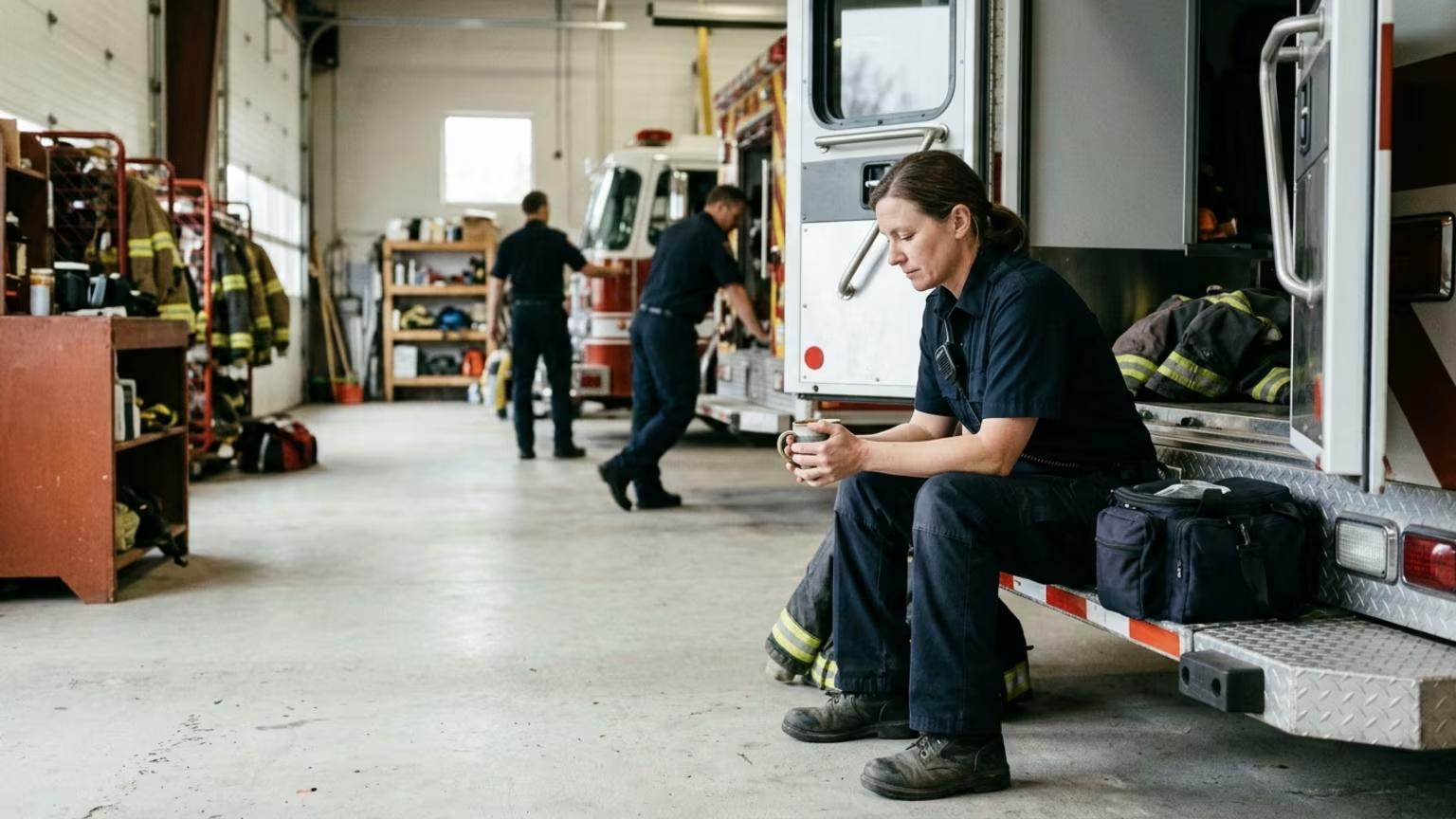


Read practical guidance on first responder fitness, recovery, sleep, nutrition and resilience for demanding work and a long, active career.
read the blog
