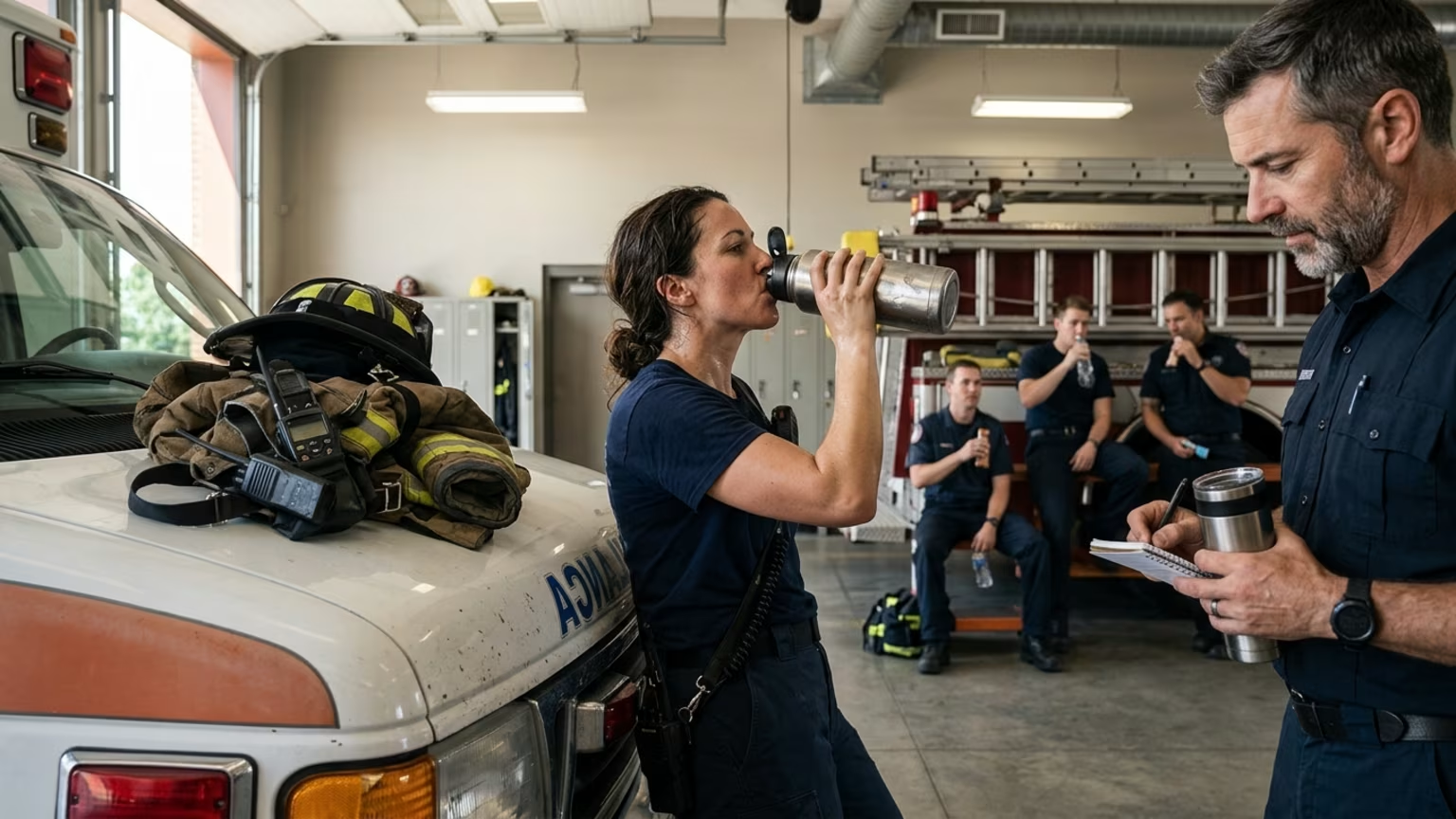

Learn how first responders can safely estimate fluid needs across varying heat exposure, heavy protective gear, and unpredictable shifts using a practical field protocol.





This operational protocol provides a structured framework for estimating fluid requirements across varying heat, equipment and work conditions to maintain physiological capability during demanding emergency responses.
Before executing a formal fluid strategy, emergency personnel must establish clear operational baselines and secure specific resources. Hydration alone cannot prevent overheating when metabolic heat production, environmental heat and trapped heat from protective equipment exceed the body's cooling capacity. Relying strictly on thirst is an imperfect operational signal during demanding heat exposure. Personnel must approach hydration as a calculated logistical factor.
A comprehensive fluid plan requires clearly defining the nature of the expected operational period. Acknowledging these foundational elements separates professional occupational health planning from amateur fitness advice. Establishing these conditions proactively reduces the risk of dangerous medical emergencies during intense field operations. Commanders must integrate these variables into their initial incident action plans.
The first prerequisite is accurate environmental data for the operating location. Responders should seek access to temperature, humidity and Wet Bulb Globe Temperature (WBGT) measurements to evaluate environmental heat load. WBGT provides a more comprehensive picture of physical strain than simple air temperature alone. Applying this initial metric allows crews to predict early heat strain before the first call drops.
Equipment burden forms the second mandatory baseline condition. First responders must inventory their expected turnout gear, structural personal protective equipment and impermeable layers. These required safety items limit sweat evaporation and severely restrict the body's natural cooling mechanisms. Acknowledging this equipment penalty helps adjust fluid calculations before critical incidents begin.
Finally, crews must confirm cooling and recovery access near the incident scene. This includes verifying the availability of cool water, shaded areas, air conditioning and emergency medical support. A plan that only accounts for water volume fails if ambient conditions prevent the body from shedding retained metabolic heat. Establishing these resources creates a layered defense against physical deterioration.
Following a structured sequence aligns fluid intake with occupational demand without encouraging dangerous overconsumption.
1. Calculate the True Heat Exposure
Current safety guidance increasingly prioritizes WBGT, physical workload and acclimatization over air temperature when determining rest needs. Protective clothing can trap heat and reduce evaporation, so crews should factor clothing into heat-risk decisions. OSHA-related guidance lists clothing-adjustment values ranging from no adjustment for standard work clothing to 19.8 degrees Fahrenheit for vapor-barrier coveralls. Treat heavy protective equipment as a severe heat-load multiplier.
2. Classify the Operational Workload
First responders must accurately classify their expected operational workload. Supervisors should separate vehicle time from physically demanding tasks like stair climbing, patient carries, hose work and rescue evolutions. A short medical call, a multi-hour training block and a prolonged incident should never use the exact same fluid replacement plan. Adjusting calculations based on these specific work rates prevents critical underestimation of fluid requirements.
3. Adjust for Personnel Acclimatization
Integrating heat acclimatization protocols dramatically reduces the incidence of severe occupational illness among emergency responders. Personnel returning from extended leave or transferring from cooler climates require a gradual introduction to heavy physical labor in severe heat. Attempting to match the fluid intake of fully adapted personnel does not protect unacclimatized workers from sudden heat exhaustion. Therefore, leaders must strictly monitor new team members and enforce mandatory cooling periods regardless of fluid consumption.
4. Establish a Baseline Drinking Schedule
Keep cool water accessible and keep responders reasonably hydrated before shifts. OSHA- and NIOSH-linked heat guidance commonly uses about 8 ounces every 15 to 20 minutes as a starting reference. Use this baseline as a flexible planning tool rather than a rigid prescription for every individual. The physical demand of emergency service requires proactive fluid management rather than reactive consumption. Waiting for severe thirst creates a fluid deficit that becomes extremely difficult to overcome while continuing to perform high-output labor.
5. Enforce Strict Upper Intake Limits
Drinking massive volumes of water is not automatically safer for emergency personnel. The cited occupational guidance places a strict ceiling of roughly 48 ounces per hour. Excessive fluid intake can dilute blood sodium and directly contribute to hyponatremia. Never treat the baseline reference as permission to force fluids past this upper boundary without specific medical direction.
6. Incorporate Solid Food and Targeted Electrolytes
For routine exposure, guidance generally centers on water and normal meals to replace basic salt losses. Electrolyte-containing drinks may be useful when sweating is prolonged or intense. A review summarized in the available evidence found that maintaining rehydration after exercise in heat required fluid intake exceeding sweat loss together with moderate sodium levels, potassium or solid food. Supplying practical meal strategies helps responders maintain adequate fuel and sodium balance.
Research shows that large volumes of plain water can suppress thirst and promote a diuretic response. To combat this, MnFIRE suggests considering electrolyte drinks or packets during long calls, intense training and hot weather. Avoid aggressive salt tablets or extreme electrolyte dosing unless directed by a medical professional. The assembled evidence supports context-dependent electrolyte use rather than universal supplementation.
7. Manage Caffeine for Alertness
Firefighter Nation's review of hydration research reports that normal coffee intake need not be treated as dehydrating. However, the review still advises responders not to rely on coffee as their primary operational fluid. Use caffeine primarily for alertness and fatigue management during long deployments. Be highly cautious when caffeine is combined with severe sleep deprivation, anxiety, high heat or repeated energy drinks.
The available firefighter-focused caffeine source reports a general safety reference of approximately 400 milligrams per day. This serves as a broad safety ceiling rather than a direct heat-work prescription. Responders should track total caffeine from coffee, tea, energy drinks and pre-workout supplements. Furthermore, large amounts of caffeine or sugar are directly discouraged in hot-work guidance.
8. Monitor for Early Heat Strain Symptoms
Watch closely for physical symptoms appearing earlier than expected in the work period. Medical frameworks define heat illness as occurring when the body cannot regulate internal temperature effectively during prolonged heat exposure and continuous fluid-and-salt losses through sweating. Headache, dizziness, weakness and unusual fatigue should be treated as warning signs that warrant cooling and assessment. Repeated cramping or marked performance decline despite drinking indicate the strategy requires immediate adjustment.
9. Activate Emergency Cooling for Severe Deterioration
Confusion, collapse, altered behavior or suspected heat stroke must trigger immediate emergency medical response and rapid cooling. Do not give oral fluids to a confused or unconscious responder, because of a high aspiration risk. Heat-stroke response should prioritize moving the person to the coolest available location, removing excess clothing and beginning aggressive cooling. Remember that dangerous heat symptoms can occur even when a responder is adequately hydrated.
First responders rarely operate under controlled laboratory conditions, and fluid strategies must adapt based on operational constraints.
Modifications for Extended Incidents and Wildfires
Wildfire and extended operations create complex physical challenges because responders face repeated work bouts, delayed meals and long vehicle periods. Wildland firefighters often operate far from established supply chains, making strategic fluid packing a critical logistical requirement. The physiological demands of hiking difficult terrain with heavy equipment drastically increase the body's cooling requirements. Staging resources effectively requires coordinating supply drops and designating specific shaded areas for mandatory rest periods.
Relying on large volumes of plain water over multi-hour incidents is strongly discouraged. Personnel must pair fluid intake with food or appropriate electrolyte solutions to maintain physiological stability. Utilizing periods in the staging area to consume scheduled fluids helps offset continuous heavy sweating. Understanding how agencies manage cumulative fatigue helps crews maintain operational readiness across multiple days.
Adjustments for High-Volume Urban Shifts
When responding to continuous calls, meal access is frequently interrupted and wait times between eating expand. Under these conditions, personnel should rely on moderate electrolyte drinks to bridge the gap until proper food is secured. Sitting in an apparatus between calls is not true recovery if the cabin is hot or heavy gear remains worn. Responders must remove impermeable layers during transport to allow sweat evaporation and metabolic cooling. Taking these small steps helps clear residual physical tension before arriving at the next incident.
Considerations for Individual Medical Profiles
A rigid hydration schedule can be entirely inappropriate if it interferes with existing medical restrictions. Personnel with heart or kidney disease, or those taking diuretics, must secure individualized medical guidance rather than apply generic field targets. Very dark urine or unusually low urination during recovery suggests a need for increased fluids, but urine color alone is not a complete field assessment. Bloating, nausea, headache or confusion after aggressive water intake may indicate that drinking more fluid is the wrong response entirely.
Analyzing established occupational frameworks reveals how comprehensive heat management extends far beyond simple fluid consumption. The Australian Bushfire and Natural Hazards CRC describes firefighter heat research that considers hydration alongside work-rest cycles, cooling and possible heat training. This institutional approach frames severe heat exposure as a multi-variable logistical problem rather than a basic directive to drink more water.
Researching protective-equipment heat burden is receiving much greater attention across the emergency services industry. Scientific evaluation confirms that modern tactical clothing severely reduces evaporative cooling and demands a clothing adjustment when assessing overall heat exposure. This shift in understanding moves departments away from outdated models that ignored the severe penalty of wearing impermeable structural gear. Consequently, first-responder-focused nutrition guidance is adapting to these complex occupational realities.
By examining work and rest schedules before the firefighting season begins, agencies create a proactive buffer against environmental stress. The research supports planning for intense exposures while warning against universal fluid prescriptions. Treating newly assigned or heat-unacclimatized personnel as a higher risk category promotes progressive exposure and safer operational integration.
Current safety models reinforce that fluid intake is merely one control mechanism within a broader operational strategy. Effective incident command prioritizes shade, air conditioning, buddy checks and early symptom recognition alongside accessible water. Focusing on structured duty fitness and capacity provides a physical foundation, but environmental mitigation remains critical for career longevity.
Identify the Wet Bulb Globe Temperature forecast and confirm exactly where cool water, shade and medical support will be staged before deploying on your next demanding hot-weather shift.
Department incident commanders regularly struggle to address the challenge of balancing strength, endurance, mobility and body composition across a demanding career. Deploying practical hydration protocols in the field becomes much more effective when Rescuris directs the operational strategy. We supply emergency personnel with clear environmental frameworks that maintain high physical performance without sacrificing long-term occupational health. Explore Resources
Rescuris publishes evidence-aware guidance for firefighters, police officers, paramedics and other first responders on fitness, recovery, sleep, nutrition, stress resilience and long-term capability.






Read practical guidance on first responder fitness, recovery, sleep, nutrition and resilience for demanding work and a long, active career.
read the blog
