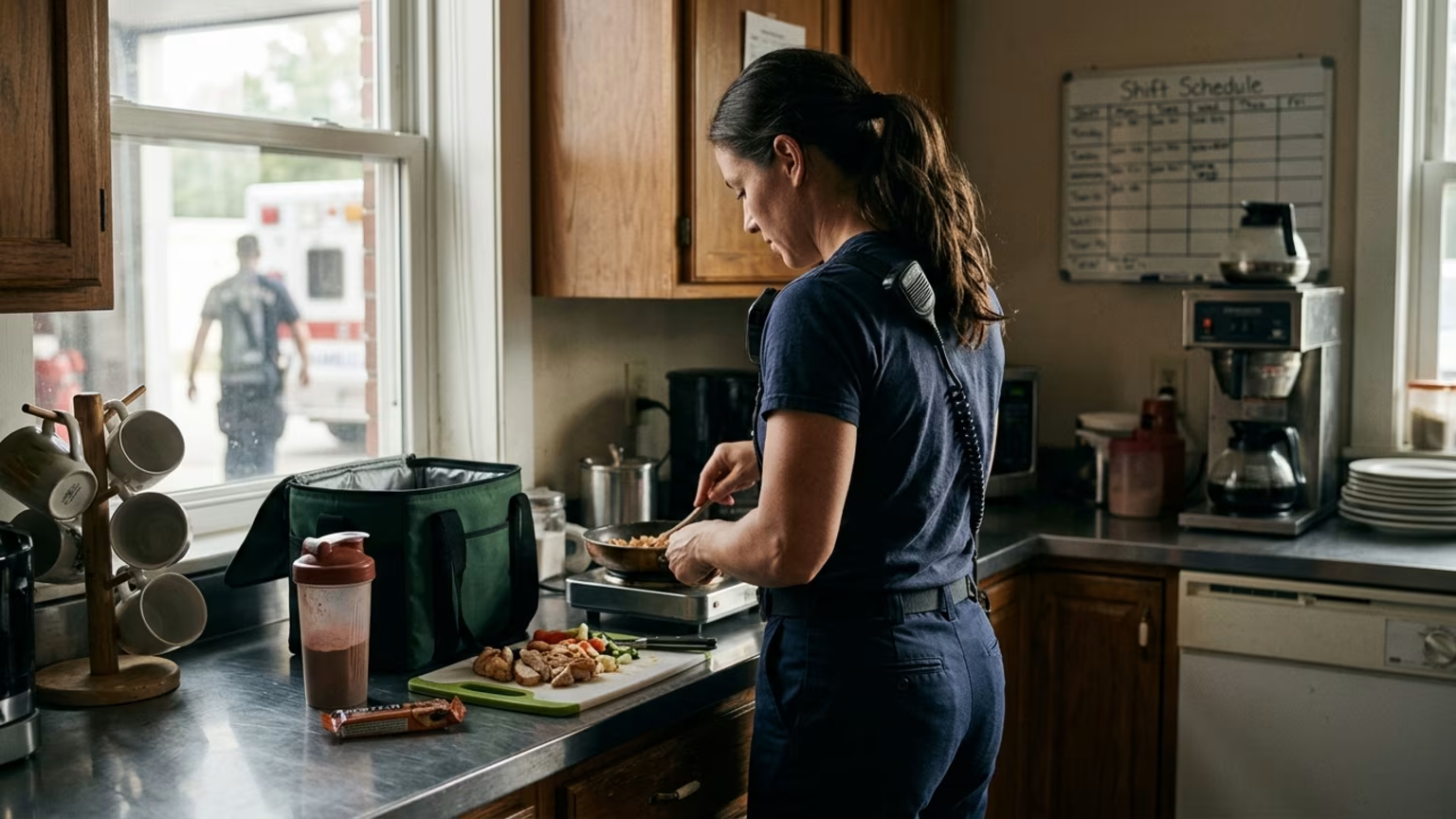

A practical guide translating clinical protein targets into ordinary meals for first responders. Learn how consistent nutrition supports muscle maintenance on shift.





You must consume a massive dose of protein immediately after a workout to build muscle, and this single daily intake will automatically burn body fat. For emergency personnel, muscle maintenance relies on consistent protein distribution across a twelve or twenty-four hour shift rather than one perfect post-workout shake.
Civilian fitness advice often assumes a predictable daily schedule. It relies on consistent sleep, regular meal times, and a stable stress environment. Extreme operational stress and erratic shift schedules fundamentally change how the body processes nutrients. Night shifts and rotating schedules alter the normal metabolic rhythms of the body.
A recent review links night and rotating shift work with higher metabolic risk. This includes an estimated 20 to 35 percent increase in risk for type 2 diabetes and coronary heart disease. The body struggles to regulate blood sugar and utilize nutrients efficiently during nocturnal waking hours. Forcing a massive meal during these periods can cause severe gastrointestinal distress.
The digestive system operates differently under high autonomic nervous system activation. When a responder is dispatched to a critical incident, the body suppresses digestion to prioritize immediate muscular action. Eating a huge protein load right after a high-stress call does not guarantee efficient absorption. The stomach cannot process heavy food effectively while still coming down from an adrenaline peak.
Protein supports muscle protein balance when combined with proper physical stimulus. It does not act as a magical shield against the health impacts of irregular schedules. Nutrient timing must work with the nervous system rather than fighting against it. A systematic review of nutrition interventions for shift workers was listed as accepted or in press in September 2026. This highlights that occupational nutrition requires specific research and distinct physiological strategies.
This physiological failure becomes obvious during a standard shift at a busy station. A firefighter or paramedic might start the morning with a plan for three balanced meals. They might prep a heavy lunch to hit their daily nutritional targets in one sitting. Then, the tones drop for a multi-vehicle accident right as the food is plated.
The crew spends the next four hours engaged in heavy physical labor. They return to the station completely exhausted and ravenously hungry. At this point, the meticulously planned meal is cold, and the responder is running on empty. They often end up eating quickly from a vending machine or grabbing available convenience foods.
These extended gaps without food degrade muscle preservation over a long career. The body begins to break down muscle tissue for energy when it lacks consistent fuel. Over a twelve or twenty-four hour period, erratic eating patterns leave the body in a constant state of deficit. The responder finishes the tour feeling physically drained and entirely unrecovered.
Attempting to fix this by consuming eighty grams of protein right before bed creates new problems. Eating a massive meal right before a sleep opportunity severely impacts rest quality. The body is forced to digest a heavy load instead of down-shifting into recovery mode. This creates a vicious cycle of poor sleep and compromised physical readiness.
Working a rotating schedule means a responder might be eating their heaviest meal at three in the morning. Their circadian rhythms are not primed for optimal digestion during these nocturnal hours. This mismatch often results in bloating, acid reflux, and sluggishness during the remainder of the shift. Surviving the tour requires practical strategies that adapt to these unpredictable interruptions.
The science-backed alternative relies on steady nutrient distribution rather than singular, massive meals. The International Society of Sports Nutrition position stand provides a reliable baseline for exercising adults. It states that approximately 1.4 to 2.0 g/kg/day is sufficient for most exercising individuals seeking to build or maintain muscle. This intake should be spread evenly to support autonomic nervous system regulation.
Instead of one large sitting, the ISSN position stand gives a general target of about 20 to 40 g per serving. This amount equates to roughly 0.25 g/kg and should be distributed every three to four hours. Breaking the intake into smaller, manageable doses prevents digestive overload during high-alert periods. It allows the body to absorb nutrients efficiently without spiking lethargy or gastrointestinal discomfort.
For those facing extreme physical demands, the targets can be adjusted slightly upward. One tactical-nutrition practitioner recommends approximately 1.6 to 2.2 g/kg/day for tactical athletes under heavy training or deployment conditions. This is practitioner guidance rather than a universal clinical rule. It provides a useful ceiling for responders dealing with high call volumes and heavy physical labor.
Protein must also be paired with appropriate physical stimulus to preserve capability. A recent review describes resistance training as a cornerstone of muscle preservation during fat-loss diets. Eating adequate protein provides the building blocks, but mechanical loading signals the body to maintain the tissue. This combined protocol helps manage the physical wear of emergency service.
Building a reliable shift nutrition framework aligns intake with the realities of the job. By keeping servings moderate and frequent, responders avoid the severe energy dips associated with heavy meals. This steady approach keeps the autonomic nervous system balanced and supports consistent operational readiness.
Consistent protein distribution throughout a shift preserves physical capability and supports recovery far better than chasing a single massive meal.
Preserving physical capability through decades of emergency service requires practical nutritional habits, and Rescuris translates complex clinical evidence into field-ready strategies. Sleep disruption from nights, rotating shifts, overtime and unpredictable calls makes consistent recovery difficult, but we help first responders implement reliable dietary frameworks that support lasting readiness.
Rescuris publishes evidence-aware guidance for firefighters, police officers, paramedics and other first responders on fitness, recovery, sleep, nutrition, stress resilience and long-term capability.






Read practical guidance on first responder fitness, recovery, sleep, nutrition and resilience for demanding work and a long, active career.
read the blog
