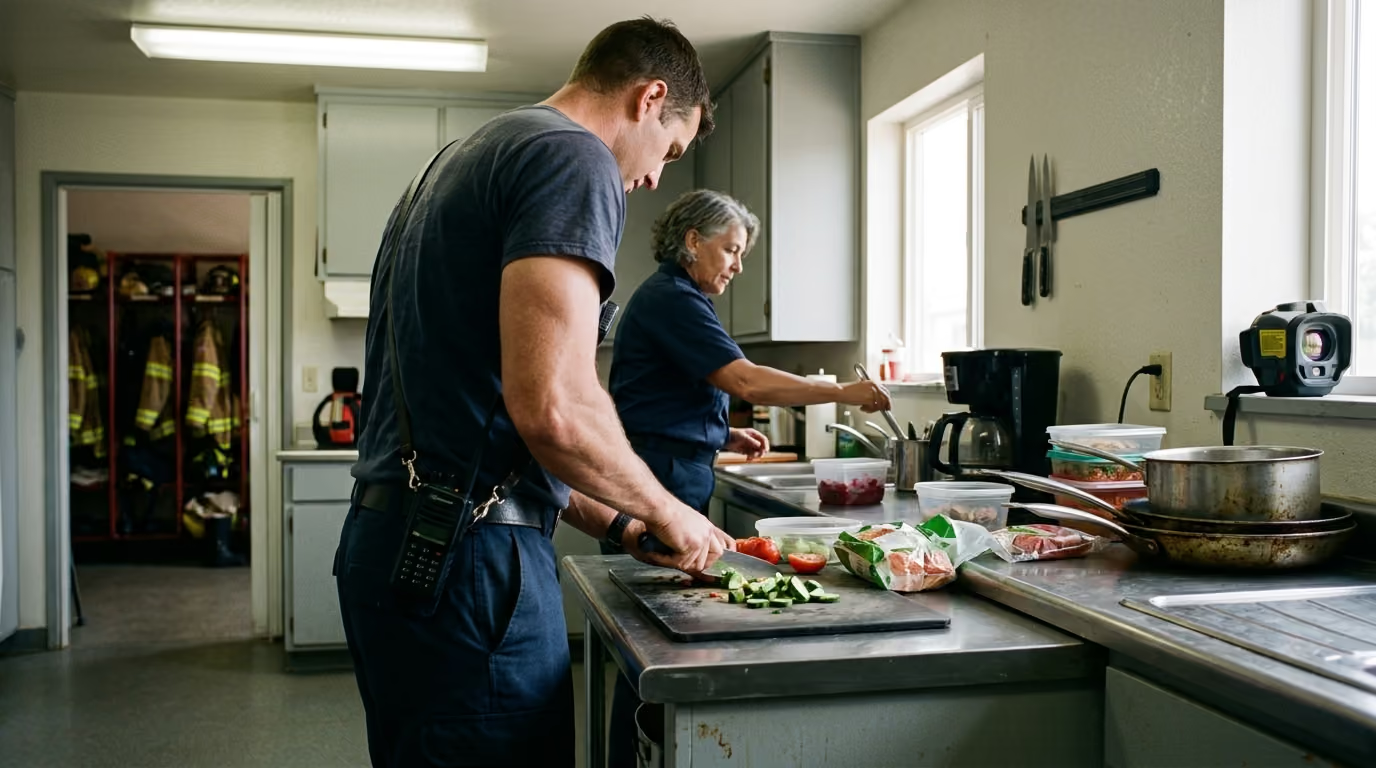

First responders need a structured nutrition system to manage shift-work metabolism, fuel unpredictable emergency calls, and optimize recovery during demanding rotating schedules.





Attempting to follow a standard three-meal schedule on rotating emergency shifts does not simply fail in practice. It actively works against human biology and operational readiness.
When emergency personnel try to force rigid breakfast, lunch, and dinner times onto irregular tours, the outcome is predictable. Responders arrive at shift under-fueled, rely on quick stimulants and drive-through meals, overeat heavily after midnight, and struggle with restless daytime sleep.
A workable nutrition strategy for emergency services does not depend on a clock. It functions as an operational operating system designed around physical readiness, digestion, and physiological recovery.
By prioritizing dependable pre-shift nutrition, portable bridge snacks, structured overnight moderation, and systematic hydration, responders can protect their physical capabilities during calls while safeguarding their long-term health.
The human body operates on a central circadian clock located in the brain, alongside peripheral clocks in metabolic organs like the liver, pancreas, and skeletal muscle. These internal clocks regulate digestive enzyme production, gut motility, insulin sensitivity, and hormone release across a 24-hour cycle.
When shift work flips or disrupts your sleep and waking hours, food intake frequently occurs when metabolic systems are primed for rest. This misalignment between environmental behaviors and internal timing is known in scientific literature as circadian misalignment.
Research in chrononutrition shows that shift work fundamentally alters how and when calories are consumed. Systematic reviews indicate that during night shifts, the daily eating window often expands by 2.3 to 2.6 hours.
The caloric midpoint, which is the time by which half of daily energy is consumed, shifts roughly two hours later into the night. Furthermore, the final meal of the day often takes place two to three hours later than on standard schedules.
These shifting eating windows carry distinct metabolic consequences. Studies demonstrate that the human body handles identical nutrient loads very differently during the biological night compared to the biological day. Insulin sensitivity declines overnight, leading to higher postprandial blood glucose and elevated non-esterified fatty acid levels following large meals.
In a controlled study summarized in medical literature, a 10.75-hour overnight fast produced significantly lower blood glucose and lipid responses than a protocol involving meals and snacks throughout the night shift.
The cumulative effect of irregular nutrition and shift work shows up clearly in occupational health data. A study from the University at Buffalo estimated that more than 70 percent of emergency medical services shift workers were overweight or obese, exceeding general population averages.
Research examining dietary quality in firefighters and EMS providers in Southern New Hampshire showed significantly higher intakes of total fat, saturated fat, and sodium, alongside lower whole-grain consumption compared to standard dietary guidelines.
These patterns are not personal failures of discipline. They are the physiological and logistical outcome of working in high-stress environments where fast, calorie-dense foods are the only accessible option. Understanding these metabolic challenges allows responders to build a protective nutritional framework.
Generic shift-work guidelines written for factory workers or hospital floor nurses often fall short in emergency services. Emergency personnel face extreme, unpredictable physical outputs combined with prolonged periods of sedentary waiting or patrol.
A quiet evening at the station can transform in seconds into a multi-alarm structural fire, a prolonged extrication, or a high-acuity resuscitation requiring heavy physical labor in personal protective equipment.
Physical exertion under emergency conditions places distinct demands on the digestive tract. During high-intensity tasks, the sympathetic nervous system activates fully.
Blood flow is shunted away from the stomach and intestines toward working skeletal muscles, the heart, and the lungs. If a responder has just consumed a large, greasy meal, this sudden shift in blood flow frequently triggers severe reflux, nausea, cramping, or sudden gastrointestinal distress.
Protective equipment amplifies these challenges. Bunker gear, tactical vests, and chemical suits create microenvironments that trap heat and dramatically accelerate sweat rates.
Under heavy heat strain, fluid losses mount quickly, compromising blood volume, cardiac output, and cognitive function. Nutrition on duty must support hydration and glycogen storage without burdening the stomach with slow-digesting, heavy ingredients.
Patrol officers and emergency medical crews face additional logistical constraints. Long transport distances, extended hospital offload delays, and continuous dispatch queues frequently prevent crews from returning to base.
Sitting in a vehicle for hours promotes mindless snacking on convenience foods. When a high-stress call finally breaks the monotony, the body requires immediate mental focus and physical readiness, not a sluggish digestive state caused by ultra-processed snacks. For a broader look at managing shift demands, review our guide to practical meal strategies on shift.
To manage unpredictable calls, nutrition must be built on reliability rather than fixed schedules. A four-layer system provides a structure that adapts to any shift length, call volume, or station environment.
The pre-shift meal is the single most controllable feeding opportunity of your entire tour. Consumed at home or before marking on duty, this meal establishes baseline glycogen stores and stabilizes blood sugar.
Starting a shift hungry or under-hydrated forces an immediate reliance on convenience foods or station snacks during the first call delay.
A robust pre-shift foundation includes high-quality protein, complex carbohydrates, a moderate portion of healthy fats, and adequate fluids:
If you have eaten recently, scale the meal down to a lighter version. If you face a demanding physical shift or have not eaten for several hours, make this foundation meal substantial.
Rather than hoping for a calm dinner hour, identify and prepare for the first realistic meal window of your shift. This meal must be packed and ready before your tour begins so you do not rely on local takeout or station orders.
Peer-reviewed reviews on firefighter health indicate that consuming approximately 30 grams of high-quality protein per meal is a practical target for stimulating muscle protein synthesis and supporting satiety. Building your anchor meal around 25 to 40 grams of protein helps preserve lean muscle mass across a long career.
Combine this protein anchor with a digestible carbohydrate base such as rice, sweet potatoes, quinoa, or whole-grain pasta, alongside fresh vegetables or fruit. Keep fat moderate to prevent delayed gastric emptying. If calls interrupt this meal, a properly packed cold option ensures you can eat immediately whenever a short window appears.
Bridge snacks are the operational safety net of the first responder. They bridge the gap between your planned anchor meal and the reality of prolonged incidents, late transports, or hospital offload delays.
Without bridge snacks, long fasting intervals lead to profound blood sugar crashes, brain fog, and uncontrolled overeating at the next available drive-through.
Bridge snacks should be compact, shelf-stable or cooler-safe, low-mess, and rapid to consume. They fall into two primary functional categories:
Carrying two or three bridge options on every shift guarantees that a four-hour call extension will not derail your energy or metabolic stability.
Demanding emergency operations deplete muscle glycogen and cause micro-trauma to skeletal muscle. Sports nutrition consensus statements highlight that consuming carbohydrates combined with protein accelerates glycogen resynthesis and muscle repair.
Guidelines for strenuous, repeated activity recommend approximately 0.8 grams of carbohydrate per kilogram per hour alongside 0.2 to 0.4 grams of protein per kilogram per hour during initial recovery phases.
For emergency personnel returning from a major fire or demanding rescue, recovery nutrition should be initiated as soon as rehabilitation and hygiene protocols allow.
If a solid meal is impractical, options like chocolate milk, a whey protein shake paired with a banana, or a turkey sandwich provide the necessary substrate to restore readiness for the next call.
Different shift rotations create distinct metabolic and logistical environments. Applying the same eating strategy to a morning patrol as an overnight medic shift overlooks circadian physiology.
Day tours generally align well with human biological rhythms, but morning time pressure creates common failure points. Responders frequently skip breakfast, rely on large coffees, and experience severe mid-afternoon energy crashes.
Evening shifts span the afternoon and early night, often catching responders between regular meal hours. The main risk on swing shifts is consuming large, heavy takeout meals immediately before going to sleep at 2:00 or 3:00 a.m.
The night shift presents the greatest challenge to metabolic health. The American Academy of Sleep Medicine notes that for shift workers experiencing excessive sleepiness and circadian disruption, consuming light snacks or avoiding large meals during the biological night is preferable to eating heavy food.
A controlled pilot study examining night-shift workers found that eliminating food consumption between 1:00 a.m. and 6:00 a.m. was feasible, improved glucose regulation, and promoted modest weight loss.
However, operational demands must override strict fasting rules. If you are actively engaged in heavy physical labor, fighting a fire, or managing strenuous calls at 3:00 a.m. your body requires fuel and fluids.
For quiet or routine night shifts, structure your intake around time-restricted feeding windows during night shifts to protect metabolic health:
Extended tours combine daytime physical output with unpredictable nighttime calls. The primary danger on 24-hour shifts is continuous grazing from station snack tables, shared baked goods, and communal treats.
To understand how prolonged awake hours compound these challenges, read about circadian strain across shift rotations.
Hydration is a fundamental component of physical readiness and cardiovascular safety. Emergency responders frequently operate in elevated temperatures while wearing impermeable protective gear that prevents evaporative cooling.
Under these conditions, dehydration develops rapidly, increasing heart rate, elevating core body temperature, and impairing decision-making capabilities.
Guidance from the National Institute for Occupational Safety and Health outlines clear baseline hydration parameters for heat stress. NIOSH recommends consuming approximately 8 ounces of fluid every 15 to 20 minutes during moderate to heavy work in hot environments. This equates to roughly 24 to 32 ounces of fluid per hour.
NIOSH also issues an explicit warning against over-hydration. Responders should not consume more than 48 ounces (1.5 quarts) of fluid per hour.
Drinking excessive volumes of plain water beyond sweat losses dilutes blood sodium concentrations, potentially leading to exercise-associated hyponatremia. This dangerous condition causes confusion, nausea, seizures, and in severe cases, death.
For routine station duties, standard patrol, and sedentary shifts, plain water is entirely sufficient for maintaining fluid balance. Adding sugar-dense sports drinks during low-activity periods introduces unnecessary simple sugars without operational benefit.
Electrolyte and carbohydrate replacement becomes vital under specific operational conditions:
In these scenarios, electrolyte solutions supplying sodium, potassium, and a 4 to 6 percent carbohydrate concentration help maintain plasma volume, improve water absorption across the gut, and preserve motor performance.
Incident scene rehabilitation must treat rehydration and fueling as medical safety measures. Responders entering rehab sectors should follow a systematic process:
Caffeine is one of the most widely used performance aids in emergency services, but its misuse creates a destructive cycle of sleep disruption and daytime exhaustion. Responders often consume high-dose energy drinks to power through fatigue, only to find themselves unable to achieve deep restorative sleep when their shift ends.
The International Society of Sports Nutrition position stand notes that caffeine can enhance physical endurance, cognitive function, and vigilance, with effective doses typically ranging between 3 and 6 milligrams per kilogram of body mass. However, lower doses (around 1 to 2 milligrams per kilogram) are often sufficient to sustain alertness without triggering cardiovascular strain or jitteriness.
Strategic caffeine deployment requires managing timing, dosage, and source:
To refine your stimulant timing around demanding tours, examine our detailed guide on structured caffeine and alertness protocols.
Having nutritional knowledge is useless if you do not have safe, edible food available when hunger strikes. Emergency personnel must establish a reliable supply chain that functions across rigs, patrol cruisers, stations, and hospital hallways.
Distribute your shift nutrition across three distinct locations to ensure food is always accessible regardless of where calls take you:
Foodborne illness acquired from improperly stored meals causes severe vomiting, diarrhea, and dehydration, instantly removing a responder from duty. Vehicles, ambulances, and fire apparatus frequently reach extreme temperatures that accelerate bacterial proliferation.
The United States Department of Agriculture Food Safety and Inspection Service states that perishable foods, including meats, poultry, eggs, and cooked dishes, must never remain in the temperature danger zone (40°F to 140°F) for more than two hours.
When ambient temperatures exceed 90°F, this safety window shrinks to just one hour.
Apply strict food safety protocols to your duty gear:
Applying nutritional strategies in high-risk professions requires understanding the limits and trade-offs of dietary changes. Modifying food and fluid intake must never compromise immediate operational safety, situational awareness, or crew integrity.
Attempting severe caloric deficits or extreme dietary protocols during active duty is hazardous. While gradual body composition management is a valid health goal, crash dieting on shift depletes glycogen stores and impairs cognitive executive function.
Under-fueled responders exhibit slower reaction times, impaired thermoregulation, and heightened emotional irritability during complex incidents.
Body composition goals should be pursued through moderate, sustainable caloric deficits established over weeks and months. During unusually demanding operational periods, wildland deployments, or severe weather standbys, the immediate priority must always be adequate fueling, electrolyte replenishment, and operational safety.
Every responder possesses individual gastrointestinal tolerance limits. Consuming unfamiliar supplements, novel energy bars, or high-fiber meals immediately before rigorous physical tasks can induce severe abdominal distress.
Never experiment with new nutritional products, high doses of caffeine, or unfamiliar meal compositions while on active duty. Test all new foods, bars, and hydration mixes during off-duty training sessions.
Nutrition and hydration support performance, but they cannot cure severe physiological sleep debt. If acute exhaustion compromises your ability to safely drive an emergency vehicle, operate hydraulic tools, or administer medical care, you must not rely on caffeine and sugar to push through.
Fatigue must be recognized and addressed through appropriate operational relief, crew resource management, and structured recovery sleep. To build long-term resilience, learn the fundamentals of building a shift-specific sleep plan.
While field-tested habits resolve routine nutritional challenges, certain physiological signs require direct evaluation by licensed healthcare professionals. Emergency workers experience elevated occupational rates of cardiovascular disease, gastrointestinal disorders, and metabolic dysfunction that warrant clinical oversight.
Schedule a professional medical evaluation if you encounter any of the following persistent issues:
Consulting a registered dietitian specializing in occupational health, tactical athletes, or sports performance can provide individualized macronutrient planning tailored to your specific shift rotations, body composition goals, and medical history.
Building a dependable shift-nutrition routine is an investment in your career longevity, ensuring you maintain the strength and clarity needed for the public while protecting the health you need for retirement.
Stay connected for research-led guidance on duty fitness, shift-work sleep, injury recovery, stress, nutrition and career longevity. Practical ideas for first responders who want to stay capable on the job, recover well and protect their health for the long run.



Read practical guidance on first responder fitness, recovery, sleep, nutrition and resilience for demanding work and a long, active career.
read the blog



