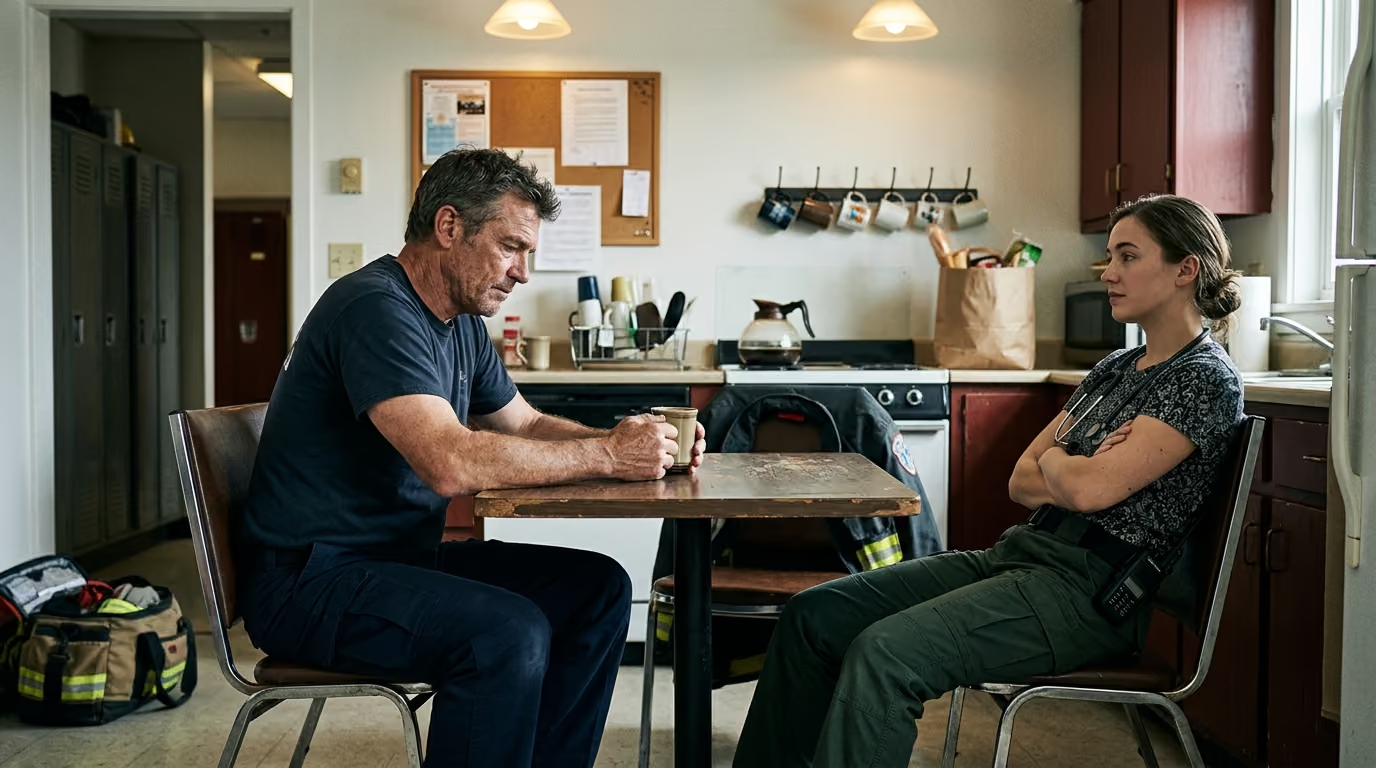

Career-long mental resilience helps emergency personnel manage cumulative operational stress and protect their psychological well-being across all service stages from recruit to retirement.





If you or someone you know is in immediate danger, call 911. For immediate, confidential mental health support in the United States and Canada, call or text 988 (press 1 for the Veterans Crisis Line) or text 838255. In the UK, call 111 or 999 for an emergency. If safety concerns involve personal access to lethal means, arrange safe storage immediately in partnership with a clinician, trusted peer, or family member.
Emergency services culture often treats resilience as personal armor. The standard assumption suggests that strong responders absorb trauma without changing, while those who struggle simply lack mental toughness.
This assumption is clinically incorrect and operationally damaging. Psychological resilience is not a static personality trait. It is a dynamic, career-long capacity system that fluctuates based on cumulative exposure, sleep quality, organizational support, physical health, and recovery practices.
When emergency services treat resilience as an unyielding personal attribute, agencies fail to protect their personnel. Maintaining operational capability across a twenty-year or thirty-year career requires a deliberate, structured framework. This system must integrate early preparation, objective monitoring, stepped care, and continuous adaptation across every phase of service.
Resilience is the continuing capacity to remain psychologically, physically, socially, and ethically capable across changing operational demands. It is not measured by the absence of distress.
Emergency calls provoke real physiological and emotional reactions. A responder can experience acute fear, grief, anger, or sleep disruption after a critical incident and still recover full capacity. Conversely, an individual who displays flat emotional control on shift may be deteriorating through emotional numbing, heavy alcohol use, interpersonal withdrawal, or cynicism.
Viewing resilience through an operational lens shifts the focus from individual toughness to sustained capacity. Psychological capacity comprises several observable, practical capabilities:
Building this capacity requires looking past individual coping tactics. Responders cannot breathe away the physiological toll of chronic understaffing or broken shift patterns. Sustainable readiness requires aligning individual recovery habits with organizational systems, as explored in frameworks for agency-wide operational readiness.
Peer-reviewed occupational health research confirms that emergency personnel face significantly elevated mental health risks compared to the general public. These risks stem from routine cumulative load as much as isolated catastrophic events.
A systematic review cited by the Agency for Healthcare Research and Quality reported approximate first-responder prevalence estimates of 15% for depression, 15% for anxiety, 11% for post-traumatic stress disorder (PTSD), and 27% for general psychological distress. The Substance Abuse and Mental Health Services Administration (SAMHSA) notes that roughly 30% of emergency personnel develop behavioral health conditions, compared to 20% within the general population.
Clinical literature highlights distinct risk variations across emergency branches. Lifetime PTSD prevalence estimates range from 6% to 32% among law enforcement officers, 9% to 22% among emergency medical technicians and paramedics, and 17% to 32% among firefighters. For comparison, estimated lifetime PTSD prevalence in the broader adult population sits between 7% and 12%.
A comprehensive meta-analysis evaluating 138 studies and 173 independent samples estimated the pooled global PTSD prevalence among high-risk personnel at 12.1%. Personnel exposed to routine, repetitive operational calls showed a higher pooled prevalence of 14.3%, compared to 8.3% among personnel exposed primarily to single, large-scale disaster events. Daily operational wear creates substantial psychological strain.
A meta-analysis covering 33 studies and more than 5.7 million participants linked specific work-related exposures to PTSD risk increases between 15% and 89%. While occupational exposure is an established risk factor, individual outcomes vary widely. Exposure alone does not guarantee psychological injury, which underscores the value of preventive systems and early intervention.
Crucially, mental health risks do not disappear when an individual hangs up the uniform. A systematic review and meta-analysis of former first responders estimated a pooled point-prevalence of PTSD at 15.4% in general-exposure studies. Symptoms frequently surface or intensify after retirement, once structured routines, peer camaraderie, and operational distraction recede.
The research also documents a direct link between cumulative post-traumatic stress and suicide risk. This association is frequently intensified by co-occurring major depression, substance use, and persistent sleep disruption. Proactive mental health monitoring must be a standard operational protocol rather than an emergency measure reserved for visible crises.
First responder stress differs from standard workplace pressure in its physical intensity and irregular timing. Responders face physical danger, thermal strain, heavy equipment loads, and prolonged sedentary periods interrupted by sudden maximum-effort physical tasks.
These physical challenges interact with circadian disruption. Night shifts, rotating schedules, forced overtime, and interrupted sleep undermine neurobiological recovery. Chronic sleep debt impairs prefrontal cortex function, which governs risk assessment, emotional regulation, working memory, and situational clarity.
When emergency personnel work chronically fatigued, their physiological threshold for acute stress drops. Minor operational frustrations or standard dispatch delays can trigger outsized stress responses. To address these disruptions, personnel can implement a structured shift-specific sleep management plan to protect daytime sleep quality and hormonal health.
Cumulative operational load also involves moral injury and moral distress. Moral injury occurs when a responder witnesses, fails to prevent, or carries out actions that violate deeply held moral convictions. Examples include:
Moral injury is distinct from fear-based traumatic stress. It manifests primarily through shame, guilt, profound anger, and a loss of trust in organizational leadership or humanity. Standard fear-extinction therapies rarely resolve moral injury without specific clinical focus on ethical grief, values realignment, and meaning-making.
Specialized operational contexts introduce distinct stress profiles that standard wellness programs overlook:
Dispatch personnel experience intense trauma exposure via audio streams and digital incident displays. They manage caller panic, coordinate field safety, and carry high responsibility without physical access to the scene. This dynamic generates feelings of helplessness, heightened sensory vigilance, and elevated rates of depression and anxiety.
Volunteer personnel often live in the tight-knit communities they serve. They routinely treat neighbors, close friends, or family members at critical incident scenes. Rural personnel face limited access to culturally competent mental health professionals, greater operational isolation, and heightened stigma within small departments.
Physical injuries, repetitive ballistic shocks, concussive events, and orthopedic wear generate persistent physical pain. Chronic pain elevates systemic inflammation, degrades sleep architecture, and reduces cognitive capacity. When physical discomfort interacts with operational trauma, mental health outcomes deteriorate rapidly unless physical and psychological care are integrated.
A static resilience class delivered during recruit training cannot protect a responder across a thirty-year career. Operational demands evolve over time. Resilience programming must match the specific challenges of each career phase, establishing clear priorities for sustainable career longevity.
The recruit phase must build a durable operating foundation for psychological and physical health. Entry training should demystify stress physiology, establish functional recovery habits, and normalize early help-seeking before trauma exposure begins.
Key components of recruit-stage preparation include:
The first three to five operational years combine high technical learning demands with limited operational control, rotating shifts, and initial exposures to severe trauma. During this stage, responders often fear appearing weak or incompetent in front of senior colleagues.
Monitoring during this stage must evaluate behavioral trajectories rather than isolated moments of distress. Warning signs include persistent hypervigilance, uncharacteristic cynicism, sleep disruption, training avoidance, and social withdrawal. Agencies must normalize confidential check-ins with peer support teams or clinical staff during the early years to review coping strategies and reinforce healthy habits.
Personnel should also practice brief, between-incident decompression protocols. Taking two minutes to physically ground oneself, down-regulate breathing, and mentally clear residual tension between emergency calls stabilizes baseline autonomic function, as outlined in quick operational reset techniques.
The peak career phase spans roughly years six through fifteen. Responders carry heavy call volumes, master complex operational skills, and frequently manage significant personal responsibilities, such as young children or aging parents.
The primary challenge during peak years is balancing operational volume against physiological recovery. The critical question shifts from whether a responder can perform on a given shift to whether they can sustain that capacity over months and years without burning out.
Agencies and individuals must actively manage:
Promotion into supervisory and command roles alters the nature of operational stress. Officers carry legal, ethical, and safety responsibility for their crews, manage administrative conflicts, navigate organizational politics, and frequently experience social distance from their former peer groups.
Supervisory resilience demands clear boundaries, effective delegation, and high emotional competence. Leaders set the psychological tone for their crews. When supervisors model healthy recovery, take earned leave, and speak openly about operational stress, they lower stigma across the entire agency.
Leadership training must provide clear protocols for identifying deteriorating performance, handling mental health crises, and initiating safe clinical referrals without turning supervisors into amateur therapists.
Physical injuries, orthopedic surgeries, and sudden medical restrictions can alter a responder's career trajectory. When an injury prevents a responder from working on the line, the individual often faces an acute identity crisis alongside physical pain.
Responders who derive their entire sense of worth from active-duty performance are highly vulnerable to depression, anxiety, and feelings of uselessness when sidelined. Comprehensive care during this phase requires:
Retirement from emergency services represents a permanent identity shift. The sudden removal of operational routine, peer connection, emergency adrenaline, and societal status can lead to severe isolation, purpose loss, and psychological decline.
Research reveals that former first responders maintain a pooled PTSD point-prevalence of 15.4%. Traumatic memories that were suppressed during decades of high-tempo operational service often surface once personnel transition into a quieter home environment.
Retirement preparation must begin at least two years prior to the final shift. A comprehensive transition plan must establish:
To prevent burnout, chronic stress injuries, and behavioral crises, individuals and organizations need an objective monitoring model. Trajectory monitoring evaluates four distinct functional domains.
Capacity evaluates whether an individual maintains the cognitive and emotional bandwidth to execute duties safely and effectively.
Recovery evaluates how well the individual's mind and body reset following high-intensity operational shifts.
Connection examines social engagement across professional and personal environments.
Risk tracks acute behavioral indicators requiring prompt clinical attention and safety management.
Mental health initiatives must rely on clinical evidence. Implementing unproven or counterproductive interventions waste resources and can cause measurable harm to operational personnel.
Support services should be proportionate to need. A stepped-care model allows responders to move easily between support levels without administrative friction or social stigma:
Peer support programs leverage the credibility of shared operational experience. They reduce isolation and serve as a practical bridge to professional medical care.
A systematic review on first responder peer support noted variable evidence overall, largely due to wide differences in program structure and training standards. For peer support to be safe and effective, peer team members must receive rigorous training in:
For decades, agencies mandated critical incident stress debriefing (CISD) within 72 hours of major events, requiring crews to verbally process emotions and review incident specifics in group settings.
Clinical research and systematic reviews, including findings from Evidence Aid, show no clear benefit for mandatory debriefing in preventing PTSD. Multiple studies indicate that mandatory group debriefings can worsen symptoms for some participants by forcing premature emotional processing, disrupting natural coping timelines, and triggering secondary traumatic exposure.
Post-incident protocols must prioritize practical support: verifying physical safety, providing food and hydration, facilitating sleep, keeping crews informed, and offering voluntary, confidential follow-ups with peer teams or clinical staff.
SAMHSA clinical guidelines emphasize that mental health screening must be trauma-informed. This approach requires evaluating trauma exposure, depression, sleep quality, substance use, and social support networks together.
Trauma-informed care avoids forced clinical disclosure. Clinicians and peer supporters should never require a responder to describe traumatic calls in fine sensory detail as a prerequisite for support. Unnecessary recounting of traumatic events can trigger severe nervous system distress without providing clinical benefit.
Resilience frameworks carry real boundaries. Treating personal psychological capacity as an infinite resource harms personnel and creates significant operational liability for public safety organizations.
Individual coping strategies cannot compensate for systemic organizational failures. Chronic understaffing, forced 72-hour work shifts, broken equipment, toxic supervisory management, and lack of paid leave undermine human physiology. When leadership points to resilience classes while ignoring broken organizational systems, responders become cynical, and safety suffers.
Personnel and supervisors must also recognize the absolute limits of operational readiness. Responders should not remain on duty, operate emergency vehicles, make tactical decisions, or carry duty weapons when severe exhaustion, acute panic, unmanaged flashbacks, or substance misuse impair baseline capability.
Prioritizing short-term operational coverage over obvious clinical impairment endangers the responder, their crew, and the public. Recognizing functional limits and stepping off the line for treatment is an act of professional judgment, not a failure of will.
While peer support, leadership awareness, and healthy personal habits provide a strong operational foundation, they cannot resolve clinical disorders. Personnel, supervisors, and family members must recognize when professional evaluation is necessary.
Consulting a licensed medical or mental health professional specializing in emergency responder care is strongly recommended when:
When evaluating suicide risk, clinical providers use structured frameworks such as the SAFE-T model (Suicide Assessment Five-Step Evaluation and Triage). This evidence-based process identifies risk factors, uncovers protective connections, conducts a direct inquiry into suicidal ideation, determines clinical risk levels, and develops an immediate safety plan.
Safety planning emphasizes voluntary lethal-means restriction, establishing safe storage protocols for duty equipment and personal items in collaboration with clinicians and trusted support networks.
Building career-long resilience protects the responder behind the uniform, ensuring that personnel finish their careers with their physical health, mental clarity, and personal relationships intact.
Stay connected for research-led guidance on duty fitness, shift-work sleep, injury recovery, stress, nutrition and career longevity. Practical ideas for first responders who want to stay capable on the job, recover well and protect their health for the long run.



Read practical guidance on first responder fitness, recovery, sleep, nutrition and resilience for demanding work and a long, active career.
read the blog



