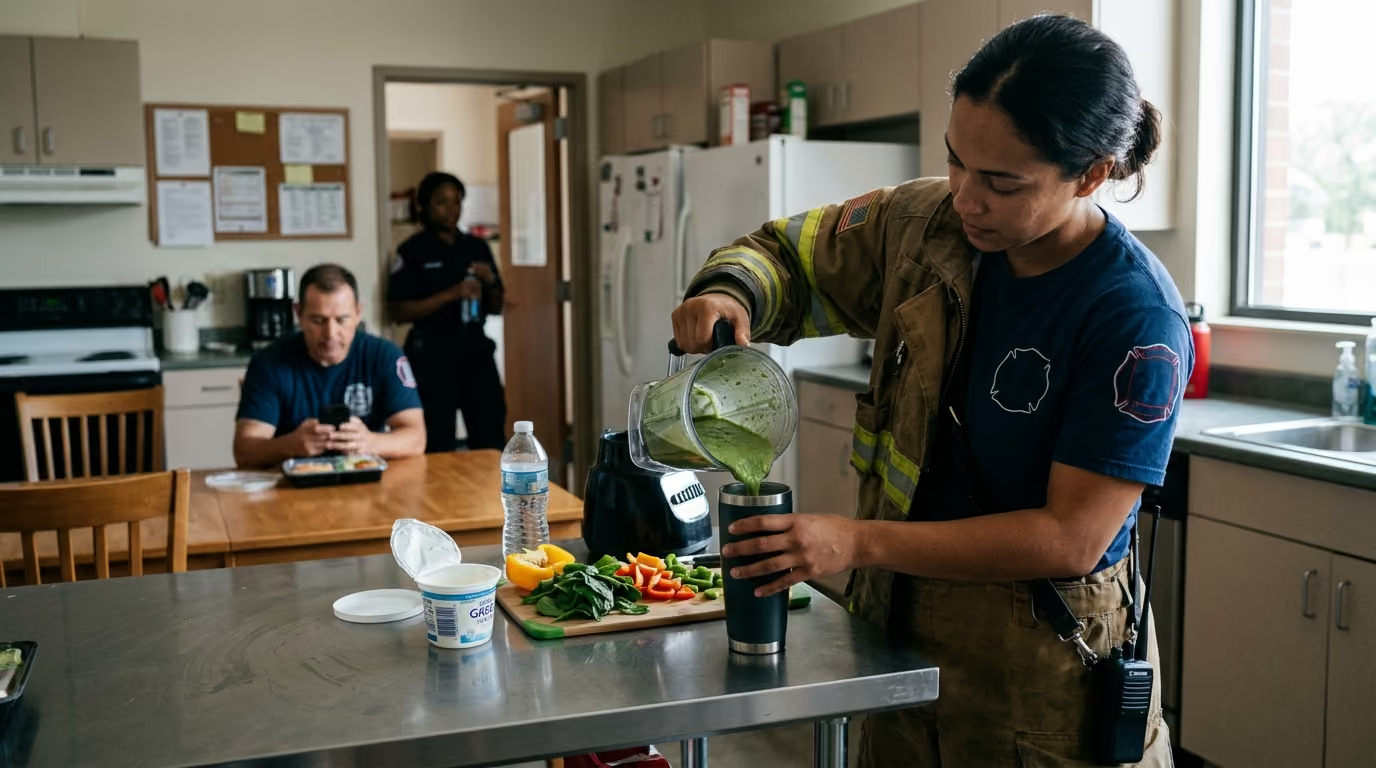

Eight major allergens and irregular shift schedules can disrupt gastrointestinal function in emergency personnel during active operational duty.





Digestive issues during emergency shifts are common, disruptive, and rarely discussed openly. Many first responders regularly search for ways to manage sudden bowel urgency during calls, persistent acid reflux on night shifts, or severe bloating after station meals. The solution is not generic clean eating or aggressive supplement regimens. Managing your digestive tract requires a structured approach that separates immune allergies from food intolerances, manages meal timing around calls, and tracks actual physiological triggers.
Digestive health directly impacts operational readiness. When protective gear compresses the abdomen, hydration drops during extended fire suppression, or meals occur minutes before high-intensity calls, normal gastrointestinal function breaks down. A systematic routine based on clinical evidence can help you stay nourished and ready without risking unexpected bathroom emergencies or chronic discomfort.
Understanding gastrointestinal symptoms begins with accurate terminology. Many people describe any negative reaction to food as an allergy. In clinical medicine, food allergy, food intolerance, and functional disorders represent distinct physiological processes with very different health consequences.
A true food allergy is an immune system response directed against specific food proteins. Symptoms typically appear within minutes to two hours after consumption. These reactions can involve multiple organ systems simultaneously.
Common symptoms include:
Major allergens identified in clinical guidelines include milk, eggs, peanuts, tree nuts, wheat, soy, fish, and crustacean shellfish. For first responders, an unmanaged food allergy presents severe operational risks. If you have an established food allergy, you must carry prescribed epinephrine autoinjectors on duty. Epinephrine is the primary medical intervention for anaphylaxis and must be administered immediately when systemic symptoms appear.
Food intolerance does not involve the immune system. It occurs when the digestive tract cannot properly break down, absorb, or process specific nutrients. Intolerance symptoms are generally confined to the digestive system and are closely tied to the volume of food consumed.
Lactose intolerance serves as a standard example. When the small intestine produces insufficient lactase enzyme, undigested lactose moves into the large intestine. Colonic bacteria ferment this sugar, generating hydrogen gas, methane, and short-chain fatty acids. This process causes bloating, distension, flatulence, and osmotic diarrhea within thirty minutes to several hours after dairy ingestion.
Other common dietary intolerances involve fermentable oligosaccharides, disaccharides, monosaccharides, and polyols, collectively known as FODMAPs. Ingredients such as high-fructose corn syrup, inulin, chicory root extract, and sugar alcohols like sorbitol or xylitol frequently trigger cramping and gas. These ingredients appear routinely in commercial protein bars, energy drinks, and packaged snacks marketed to emergency personnel.
Irritable bowel syndrome is classified as a disorder of gut-brain interaction. It is characterized by recurrent abdominal pain occurring alongside changes in stool frequency or appearance. Unlike food allergies, it does not cause tissue destruction, systemic inflammation, or allergic responses.
Clinical frameworks categorize the condition into three primary operational subtypes:
Symptoms often fluctuate based on psychological stress, sleep deprivation, and circadian disruption. Managing these symptoms requires balancing dietary choices, hydration volume, physical activity, and stress regulation rather than eliminating entire food groups without evidence.
Celiac disease is an autoimmune condition triggered by dietary gluten in genetically susceptible individuals. Ingesting wheat, barley, or rye triggers an immune reaction that blunts and destroys the small intestinal villi. Over time, this damage impairs nutrient absorption and leads to systemic complications, including iron-deficiency anemia and reduced bone mineral density.
Proper diagnosis requires specific serological blood tests and confirmatory small-bowel mucosal biopsies. You must continue eating a normal, gluten-containing diet throughout the diagnostic process. Removing gluten before completing medical evaluations alters antibody levels and tissue histology, making accurate clinical confirmation difficult. Non-celiac gluten sensitivity may cause similar digestive distress without autoimmune destruction, but clinical testing must rule out celiac disease first.
Digestive issues among emergency personnel stem from documented physiological shifts rather than weak willpower. Irregular schedules, sleep loss, heat stress, and heavy equipment place unique demands on the digestive system.
The human gastrointestinal tract operates on an internal circadian clock. Gastric acid secretion, pancreatic enzyme output, bile production, and intestinal motility naturally peak during daytime hours. During biological night, digestive functions slow significantly.
When you consume large, calorically dense meals at 02:00, the stomach processes that food with reduced acid secretion and slower gastric emptying. Food remains in the stomach longer, increasing fermentation and acid exposure against the lower esophageal sphincter. Research on shift workers consistently shows elevated rates of functional dyspepsia, chronic acid reflux, and altered bowel frequency directly linked to nocturnal food intake. Structuring your nutrition with a practical meal strategy for shift workers helps mitigate these metabolic and digestive disruptions.
During acute physical exertion or intense psychological alarms, the sympathetic nervous system activates rapidly. Blood flow diverts away from internal organs toward skeletal muscle, the heart, and the brain. This process, known as splanchnic hypoperfusion, deprives intestinal tissues of oxygenated blood.
When blood flow to the gut drops by more than fifty percent, intestinal barrier integrity weakens. Tight junction proteins loosen, mucosal permeability rises, and normal fluid absorption stalls. If a high-volume, high-fat meal is present during a strenuous structural fire or patient carry, nausea, severe abdominal cramping, and urgent diarrhea frequently follow.
Working in personal protective equipment creates microclimates that prevent evaporative cooling. As core body temperature rises above 38.5 degrees Celsius, gastrointestinal blood flow decreases further to supply peripheral circulation for heat dissipation. Dehydration compounds this issue by reducing total circulating blood volume.
Hypohydration slows gastric emptying rates and exacerbates intestinal mucosal irritation. Drinking concentrated carbohydrate beverages while dehydrated pulls fluid from the bloodstream into the intestinal lumen through osmosis. This fluid shift causes rapid gastric distension, nausea, and acute watery diarrhea during or immediately following demanding tasks.
Upper digestive issues, particularly gastroesophageal reflux disease, frequently affect emergency personnel. Managing these issues requires understanding the physical mechanics of reflux during active duty.
Gastroesophageal reflux occurs when acidic gastric contents flow backward into the esophagus. This causes mucosal irritation, retrosternal burning, sour regurgitation, and chronic throat clearing. For first responders, duty-specific equipment significantly worsens these symptoms.
Duty belts, self-contained breathing apparatus harnesses, and tactical body armor increase intra-abdominal pressure. This external pressure forces stomach contents upward against the lower esophageal sphincter. Bending over to lift patients, advancing hose lines, or sitting compressed in apparatus seats creates continuous mechanical pressure on the stomach.
Eating large meals immediately before lying down in the station bunk worsens reflux. When you lie flat, you lose the gravitational pull that keeps gastric acid seated in the stomach base. Clinical guidance advises maintaining an upright posture for two to three hours after eating before sleeping.
The macronutrient composition of station meals directly controls how quickly the stomach empties its contents. Fats slow gastric emptying by stimulating the release of cholecystokinin in the duodenum. High-fat station dinners remain in the stomach for four to six hours.
If an alarm sounds shortly after eating a heavy meal, intense exertion occurs with a full stomach. This causes severe nausea, mechanical reflux, and upper abdominal pain. Choosing meals centered around lean proteins, complex carbohydrates, and moderate fat content supports steady gastric clearance while maintaining energy levels. Using time-restricted eating windows on night shifts helps align your digestive workload with natural gastric clearing cycles.
Generic reflux advice often recommends cutting out coffee, citrus, tomatoes, mint, chocolate, onions, and all spices. Eliminating every potential trigger creates unnecessary nutritional restriction and social frustration at the station table.
Trigger foods vary widely between individuals:
You should identify specific personal triggers through structured tracking rather than cutting out healthy food groups blindly. If symptoms persist despite dietary adjustments, consult a medical professional for evaluation. Long-term, unmanaged acid reflux can lead to erosive esophagitis, strictures, or Barrett's esophagus.
Lower gastrointestinal symptoms create serious operational challenges. Having to find a restroom while in full gear, during a transport, or on a perimeter post compromises safety and performance.
Acute diarrhea involves passing loose, watery stools three or more times within twenty-four hours. In first responders, acute episodes typically stem from viral gastroenteritis, foodborne bacteria, extreme thermal stress, or excessive stimulant use.
The primary operational danger of acute diarrhea is rapid fluid and electrolyte depletion. A single severe diarrheal episode can drain over a liter of water along with significant sodium, potassium, and chloride. If you attempt strenuous physical labor in this state, your risk of heat exhaustion, muscle cramping, and cardiac arrhythmias increases dramatically.
Managing acute diarrhea requires immediate, structured oral rehydration:
Constipation involves infrequent bowel movements, hard stools, excessive straining, or a feeling of incomplete evacuation. Shift work contributes heavily to constipation by disrupting regular bathroom routines.
Responders frequently suppress the natural gastrocolic reflex because calls interrupt morning routines or clean facilities are unavailable. Suppressing the urge to defecate allows the colon to absorb excess water from the stool, making it hard, dry, and difficult to pass. Extended sedentary patrol driving, prolonged vehicle operations, and low fluid intake dry out the stool further.
Over time, chronic constipation causes abdominal distension, dull pain, hemorrhoids, and anal fissures. Maintaining bowel regularity requires drinking enough water, keeping physical activity steady on off days, and using clean restroom facilities as soon as the urge occurs.
Increasing dietary fiber is a common recommendation for constipation, but doing so incorrectly often backfires. Adding large amounts of raw vegetables, bran cereals, or fiber supplements too quickly causes painful gas, bloating, and urgent cramping.
Fiber intake should follow a gradual, stepped approach:
Resolving digestive problems requires real personal data rather than guessing. Keeping a structured six-part food and symptom log helps connect specific foods and shift conditions to digestive episodes.
Record every meal, snack, and digestive event using these six specific categories:
Avoid changing your entire diet all at once when trying to identify triggers. Cutting out gluten, dairy, coffee, and all high-FODMAP foods simultaneously makes it impossible to pinpoint the actual cause of your distress.
Use a structured elimination and reintroduction process instead:
Restrictive diets carry real nutritional risks when maintained for too long. Completely cutting out major food groups reduces dietary variety, depletes micronutrient stores, and increases social stress at station meals.
A low-FODMAP diet, for example, is meant as a short diagnostic tool, not a permanent lifestyle. Long-term restriction of fermentable fibers reduces populations of beneficial bifidobacteria in the large intestine. The goal is always to find the widest variety of foods you can eat comfortably, keeping strict restrictions only for proven allergies or severe intolerances.
Emergency calls make regular meal schedules impossible. Having reliable, portable, gut-friendly food options ready prevents poor choices at drive-throughs or convenience stores during extended shifts.
Food left in warm vehicles spoils quickly, creating a high risk for bacterial gastroenteritis. Staphylococcal enterotoxins and Bacillus cereus grow rapidly in unrefrigerated meats, cooked rice, and dairy dishes kept between 4 and 60 degrees Celsius.
Follow these baseline food safety practices on shift:
When building duty meals, pick foods that provide steady energy without causing gas, distension, or delayed stomach emptying.
Reliable meal combinations include:
These combinations provide easily digested carbohydrates and lean protein without the high fat, excessive fiber, or fermentable sugars that trigger mid-shift urgency.
During multialarm fires, major natural disasters, or prolonged tactical operations, catered food options are unpredictable and often high in fat and sodium. Carrying a personal deployment nutrition kit protects your digestive tract during extended operations.
Your deployment kit should contain:
What you drink significantly impacts digestive speed, fluid absorption, and bowel regularity. Managing fluid volume, electrolyte concentrations, and stimulant use helps prevent both dehydration and sudden bathroom urgency.
Drinking large amounts of plain, un-electrolyted water during heavy sweating creates problems. It dilutes blood sodium levels and can cause gastrointestinal sloshing, bloating, and reduced fluid absorption.
Follow these structured hydration targets for heavy operations:
Caffeine stimulates the central nervous system, increases gastric acid secretion, and promotes motor activity in the colon. Ingesting large amounts of caffeine on an empty stomach often leads to rapid acid reflux and sudden bowel urgency.
High-stimulant energy drinks often combine 200 to 300 milligrams of caffeine with high-fructose corn syrup, carbonation, and artificial sweeteners. This combination irritates the stomach lining, pulls water into the colon, and increases lower bowel contractions. To maintain energy without stomach distress, review how to manage caffeine intake on night shifts to protect your sleep and digestion.
Practical stimulant guidelines for sensitive digestion:
The osmolarity of your fluids determines how quickly they leave the stomach and pass through the intestinal wall. Solutions with high carbohydrate concentrations above eight percent slow down stomach emptying and draw water from your blood into your intestines.
Keep fluid concentrations balanced during duty:
Many digestive issues improve with changes in meal timing and food choices. However, some symptoms signal underlying medical conditions that require prompt, professional clinical evaluation.
A food-induced allergic reaction can escalate into life-threatening anaphylaxis within minutes. If you or a colleague experience throat tightness, facial swelling, difficulty breathing, or sudden faintness after eating, take action immediately:
Certain gastrointestinal symptoms point toward structural inflammation, bleeding, or serious pathology rather than simple food intolerance or stress.
Schedule a prompt clinical evaluation if you develop:
Navigating chronic gastrointestinal issues often requires specialized clinical guidance rather than online searches. Working with the right healthcare professionals helps you find an accurate diagnosis and build a sustainable management plan.
Key professionals to consult include:
duty nutrition plans without causing malnutrition.
For broader strategies on maintaining overall performance through targeted nutrition, explore the nutrition and body composition framework and review principles for long-term health in our first responder career longevity resources. Managing acute on-duty stress through simple nervous system techniques, such as a brief physical reset between calls, also helps calm sympathetic drive and support normal gut function.
Digestive problems carry real safety consequences when driving apparatus, managing structural fires, or treating unstable patients. Ignoring severe symptoms endangers both you and your crew.
Recognize these operational limits on shift:
Fixing digestive problems requires consistent, steady adjustments to your daily routine. Apply this step-by-step checklist during your upcoming shift cycle to build a more resilient digestive tract.
Supporting your digestive system directly protects your operational readiness, career longevity, and daily health. Taking a structured, evidence-based approach to your nutrition helps you meet the physical demands of emergency service without constant gastrointestinal distress.
Stay connected for research-led guidance on duty fitness, shift-work sleep, injury recovery, stress, nutrition and career longevity. Practical ideas for first responders who want to stay capable on the job, recover well and protect their health for the long run.



Read practical guidance on first responder fitness, recovery, sleep, nutrition and resilience for demanding work and a long, active career.
read the blog



