
Evidence-based mastery of thermal stress allows you to optimize heat and cold protocols safely without falling for misleading hormonal optimization claims.





Sweating inside a sauna or shivering in an ice bath is widely promoted as a rapid route to hormonal optimization. Commercial wellness trends frequently claim that deliberate thermal exposure will permanently elevate testosterone, suppress cortisol, and transform recovery. The underlying human physiology tells a very different story. Environmental extremes act primarily as acute stressors that redistribute blood flow and activate survival pathways, rather than functioning as predictable androgen boosters.
Thermal stress causes immediate cardiovascular and fluid-regulatory adjustments. The body responds to severe heat or cold by activating the sympathetic nervous system and releasing catecholamines, cortisol, and fluid-conserving hormones. Testosterone responses to these exposures are inconsistent, minor, and heavily dependent on hydration status and energy intake. Understanding how environmental stress affects your endocrine system requires separating acute biological alarms from durable physical adaptations.
To evaluate thermal therapies accurately, you must distinguish between an acute physiological signal and a chronic biological adaptation. When you step into extreme heat or cold, your body initiates a rapid homeostatic defense. Core temperature defense takes precedence over long-term tissue building and reproductive function.
External heat load combines ambient air temperature, relative humidity, radiant heat, and airflow. Internal heat production adds to this burden through metabolic rate, physical labor, and muscle contraction. Heat strain describes the cumulative physiological strain experienced by the body as core temperature, heart rate, and sweat rates climb.
Cold exposure introduces an opposite but equally demanding challenge. Brief cold water immersion triggers immediate conductive heat loss and a powerful cold shock response. In contrast, cold air exposure or whole-body cryotherapy alters skin temperature rapidly while cooling core tissues at a much slower rate.
These exposures operate across three distinct physiological time scales:
A crucial error in fitness culture is confusing stress habituation with hormonal enhancement. When someone experiences a diminished cortisol rise after weeks of cold exposure, their body has simply habituated to the shock of the temperature drop. That smaller stress spike does not mean their baseline testosterone has increased or that muscle protein synthesis has improved.
A temporary shift in circulating hormones does not indicate improved androgen receptor density or superior physical capacity. Hormones measured immediately following acute stress reflect homeostatic compensation. True performance adaptations come from cardiovascular and thermoregulatory adjustments rather than transient hormonal spikes.
Exposing the body to high ambient temperatures places immediate demands on the cardiovascular and endocrine systems. Blood must be routed to the skin surface to facilitate evaporative cooling through sweat. This shift reduces central blood volume, decreases venous return, and forces the heart to beat faster to maintain blood pressure.
As plasma volume declines through sweat loss, the endocrine system acts to conserve fluid and maintain vascular tone. The hypothalamic-pituitary-adrenal axis activates in proportion to the intensity of the thermal load and the degree of internal strain.
Cortisol increases during heat exposure primarily when the thermal load is accompanied by physical work or restricted fluid intake. An acute rise in cortisol supports energy mobilization, maintains blood glucose, and assists vascular stability under stress. When fluid intake is maintained and the thermal dose remains moderate, cortisol elevations remain modest.
Fluid-regulatory hormones demonstrate the most pronounced response to heat. Aldosterone acts on the kidneys to promote sodium retention, while vasopressin stimulates water reabsorption to defend plasma volume. These hormonal shifts reflect an urgent fluid-retention response rather than an anabolic adaptation.
Claims that sauna sessions directly boost testosterone lack robust scientific support. Research examining heat exposure indicates that circulating testosterone changes are variable and context-dependent. Some studies demonstrate transient declines in testosterone during severe heat stress, while others show no meaningful change once plasma volume shifts are corrected.
Even if a temporary elevation in testosterone is detected shortly after heat exposure, it typically reflects hemoconcentration. When you lose water through sweat, the volume of blood plasma decreases. This concentrates existing molecules in the bloodstream without increasing total hormone production by the testes.
Heat acclimation provides substantial performance benefits, but these benefits are thermoregulatory rather than hormonal. Repeated heat exposure expands baseline blood volume, lowers resting core temperature, and initiates sweating at lower thermal thresholds. An athlete or worker functions better in the heat because their cardiovascular system has adapted, not because their endocrine system is producing more testosterone.
Cold exposure alters endocrine activity through different biological mechanisms than heat. When skin sensors detect a rapid temperature drop, the autonomic nervous system triggers immediate cutaneous vasoconstriction. Blood is driven away from the extremities toward vital organs to preserve core thermal stability.
The most consistent endocrine consequence of cold exposure is a massive surge in norepinephrine. Norepinephrine acts on alpha-adrenergic receptors to constrict peripheral blood vessels and stimulate thermogenesis in brown adipose tissue. Epinephrine levels often remain stable during moderate cold, while norepinephrine can rise two- to three-fold.
Research examining short-term low-temperature exposure confirms this pronounced catecholamine response. Studies demonstrate significant jumps in circulating norepinephrine alongside stable levels of luteinizing hormone, thyroid-stimulating hormone, and thyroxine. The sympathetic nervous system responds aggressively to cold, but the reproductive and thyroid axes remain largely unaffected in acute settings.
Cortisol patterns during cold exposure depend on the speed of temperature change and prior exposure history. Unaccustomed immersion in freezing water creates a sharp cold shock response that drives adrenocorticotropic hormone and cortisol upward. However, individuals who undergo repeated whole-body cold exposures develop habituation over several weeks, resulting in lower cortisol spikes upon subsequent exposures.
Marketing claims surrounding ice baths frequently suggest that regular plunges elevate testosterone. Controlled physiological evidence does not support this claim for routine cold immersion. In healthy men, standard cold-water protocols show negligible changes in total testosterone production over time.
A notable exception appears in specialized protocols where whole-body cryotherapy is applied after high-intensity exercise. Some trials have observed temporary elevations in free testosterone in the hours following post-sprint cryotherapy. However, these brief spikes are protocol-specific and do not demonstrate lasting alterations in resting testosterone levels.
Cold habituation allows individuals to tolerate freezing temperatures with less subjective distress and a smaller cortisol spike. Yet habituation should never be mistaken for functional performance enhancement. Tolerating cold with less shivering does not translate into greater strength, better endurance, or accelerated muscle recovery.
Dehydration acts as a profound confounding factor in environmental physiology research. Many published studies evaluating heat or exercise stress fail to isolate fluid loss from thermal load. When a subject exercises in a hot chamber without fluids, they experience heat strain, hypohydration, caloric expenditure, and cardiovascular strain simultaneously.
Hypohydration refers to an uncompensated state of reduced total body water, whereas dehydration is the active process of losing that water. Losing body water reduces blood plasma volume, impairs stroke volume, and elevates core temperature faster at any given workload.
Endocrine research demonstrates that hypohydration alone drives cortisol elevations regardless of ambient temperature. When total body water drops by even two percent of body mass, the hypothalamic-pituitary-adrenal axis activates to support blood pressure and fuel availability. Attributing elevated cortisol solely to heat exposure in an underhydrated subject misidentifies the true physiological trigger.
The relationship between fluid loss and testosterone is equally nuanced. Systematic reviews show that acute hypohydration alone does not consistently lower circulating testosterone. However, when hypohydration occurs alongside caloric restriction, testosterone levels drop sharply.
This interaction between fluid deficit and energy deficit explains why extreme weight-cutting protocols suppress endocrine function. Wrestlers, fighters, and tactical operators who restrict fluids while undereating experience severe reproductive-axis suppression. The primary driver is energy and fluid deprivation, not thermal exposure alone.
Dehydration also alters central nervous system performance, though research results vary across different tasks. While attention, psychomotor speed, and working memory often deteriorate when body mass drops by two percent, some cognitive functions remain stable. Environmental heat and high task complexity amplify these cognitive impairments, raising the likelihood of operational errors.
Overhydration carries separate physiological dangers that must be avoided. Drinking excessive amounts of plain water without adequate sodium replacement can dilute serum sodium, leading to exercise-associated hyponatremia. The goal of fluid management is to match sweat losses accurately rather than forcing fluids indiscriminately.
To build sustainable physical capability alongside proper fluid balance, integrating structured duty fitness programming ensures training loads match recovery capacity. Balancing exertion with hydration preserves cardiovascular output without compromising endocrine health.
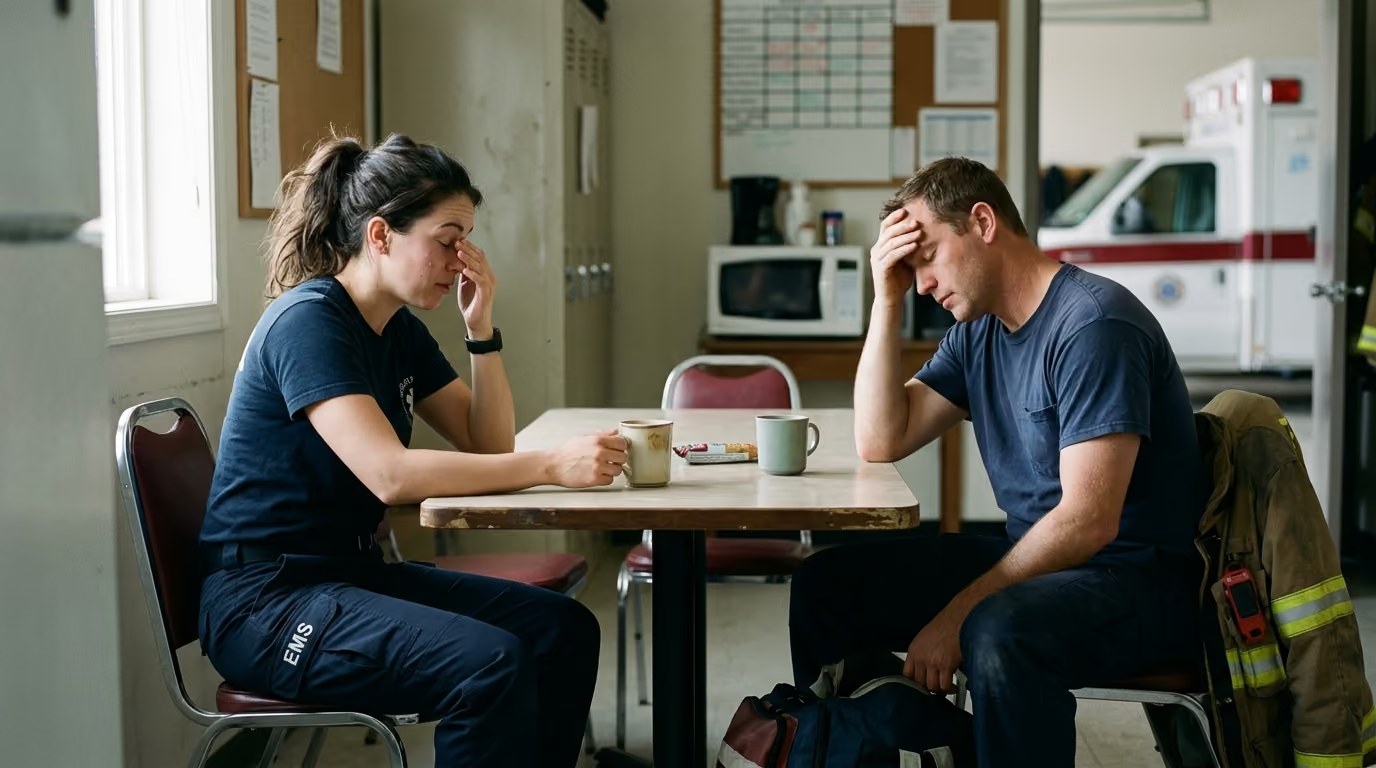
First responders operate under severe environmental conditions that cannot be replicated in a controlled fitness studio. Structural firefighters, tactical officers, and paramedics frequently experience extreme thermal loads combined with unpredictable physical tasks. For these professionals, thermal stress is an occupational hazard rather than a wellness activity.
Structural firefighting gear creates an impermeable microclimate around the body. Turnout gear prevents external heat from burning the skin, but it simultaneously traps metabolic heat and prevents sweat evaporation. A firefighter performing forcible entry or victim rescue rapidly accumulates internal heat, driving core temperatures to critical levels within minutes.
Tactical law enforcement personnel face prolonged heat stress while wearing heavy ballistic body armor. Body armor covers the torso, restricting airflow and concentrating heat over vital organs during extended perimeter operations. Paramedics and wildland firefighters work long shifts in high ambient temperatures, often carrying heavy equipment across uneven terrain without access to structured cooling breaks.
These thermal demands are exacerbated by disrupted sleep schedules and irregular nutrition. Emergency calls frequently interrupt sleep, elevating baseline sympathetic activity and impairing recovery pathways. When a firefighter or officer enters a high-heat scenario while chronically sleep-deprived, their cardiovascular reserve and thermal tolerance are significantly compromised.
Shift workers must manage their energy intake carefully, as discussed in our guide on eating on night shift. Skipping meals before demanding calls or relying solely on caffeine creates a state of low energy availability. When heavy physical labor in turnout gear occurs in an energy-depleted state, hormonal suppression accelerates.
Winter operations present the opposite environmental hazard. Police officers directing traffic at prolonged collision scenes or search-and-rescue teams operating in sub-zero terrain face sustained conductive and convective cooling. Cold stress combined with wet clothing drains energy stores and triggers continuous shivering thermogenesis, elevating baseline catecholamines for hours.
Managing these occupational extremes requires recognizing that commercial recovery trends may add unnecessary stress to an already overloaded system. An exhausted first responder who finishes a grueling shift does not need an aggressive ice bath or a prolonged sauna protocol. They need passive cooling, targeted rehydration, balanced nutrition, and uninterrupted sleep.
For personnel managing irregular rosters, understanding systemic fatigue through resources like the CDC fatigue report analysis helps protect long-term physical capability. Prioritizing genuine restorative recovery over intense thermal stressors prevents cumulative occupational burnout.
Applying environmental conditioning safely requires structured methods grounded in occupational physiology. Rather than using heat or cold to chase hormonal spikes, use them to improve thermal tolerance, maintain work capacity, and manage systemic fatigue.
Heat acclimation protocols should follow established occupational safety guidelines. The National Institute for Occupational Safety and Health provides clear frameworks for building heat tolerance safely. Full acclimation requires gradual exposure over a period of 7 to 14 days, combining moderate exercise with warm conditions to induce physiological adaptations.
A properly acclimated individual experiences expanded plasma volume, lower resting core temperature, and earlier onset of sweating. These adaptations reduce cardiovascular strain during hot shifts and lower the risk of heat exhaustion.
Hydration strategies must be customized to individual sweat rates and environmental severity. Relying solely on thirst is inadequate during heavy physical labor in the heat. Thirst mechanisms often lag behind actual water loss, leaving personnel in an uncompensated fluid deficit before they realize they need water.
When utilizing saunas for recovery, keep sessions moderate. Limit exposure to 15 to 20 minutes at moderate temperatures, and prioritize rehydration immediately afterward. Avoid combining sauna sessions with fasting, intense dehydration practices, or immediate hard training.
Cold water immersion should be used selectively based on operational needs. Brief cold plunges can increase alertness through sympathetic activation, making them useful for subjective wakefulness. However, post-exercise cold immersion should be avoided immediately following hypertrophy-focused strength training, as rapid tissue cooling can attenuate muscle protein synthesis pathways.
Supporting your metabolic recovery through proper nutritional strategies is essential, as detailed in our comprehensive nutrition and body composition resources. Maintaining sufficient caloric intake protects endocrine stability even when environmental demands are unavoidable.
Pushing through extreme thermal stress carries immediate, life-threatening risks. Heat-related illnesses exist on a continuous spectrum, progressing rapidly from mild heat cramps to heat exhaustion and fatal exertional heat stroke. Ignoring early physiological warnings in pursuit of mental toughness or physical adaptation is dangerous.
Heat exhaustion occurs when the cardiovascular system can no longer meet the competing demands of skin cooling and muscle blood flow. Symptoms include heavy sweating, pale skin, rapid pulse, dizziness, nausea, headache, and weakness. Core body temperature rises, but mental status remains relatively intact.
Exertional heat stroke is a medical emergency defined by a core body temperature rising above 104°F (40°C) accompanied by central nervous system dysfunction. Symptoms include confusion, agitation, slurred speech, seizures, and loss of consciousness. Heat stroke causes systemic inflammatory responses, tissue necrosis, and multi-organ failure if active whole-body cooling is not initiated immediately.
Cold water immersion presents equally severe acute hazards that must be recognized. The cold shock response peaks within the first two minutes of immersion, causing an involuntary gasp reflex, severe hyperventilation, and extreme tachycardia. If an individual gasps while submerged, sudden aspiration of water and drowning can occur within seconds.
Rapid cold immersion causes massive peripheral vasoconstriction, driving blood inward and causing acute spikes in central blood pressure. For individuals with underlying cardiovascular disease or arterial plaque, this sudden afterload spike significantly elevates the risk of cardiac arrhythmias or myocardial infarction.
Thermal therapies also impose meaningful recovery trade-offs on training adaptations:
For personnel recovering from physical trauma or musculoskeletal strain, referencing our injury and recovery guidance provides safe, structured rehabilitation alternatives. Never use thermal extremes as a substitute for progressive physical rehabilitation or professional medical clearance.
Endocrine disruption, persistent fatigue, and thermal intolerance often stem from clinical issues that cannot be resolved with wellness routines. When fatigue interferes with work capacity, safety, or daily living, pursuing comprehensive clinical evaluation is essential.
Differentiating between non-functional overreaching, chronic occupational stress, and clinical hypogonadism requires formal medical testing. First responders experiencing low libido, constant exhaustion, depression, loss of strength, and poor sleep should not attempt self-treatment through commercial hormone boosters, extreme diets, or thermal protocols.
A proper clinical workup for hormonal concerns requires standardized testing conditions:
Sleep disorders represent one of the most common undiagnosed drivers of endocrine suppression in shift workers. Obstructive sleep apnea severely fragments sleep architecture and prevents the nocturnal testosterone release that occurs during deep sleep stages. Evaluating sleep quality through resources in our shift work and sleep archive can help identify sleep-related performance barriers.
Cardiovascular symptoms warrant immediate medical attention. If you experience chest tightness, irregular heartbeats, lightheadedness upon standing, or unexplained shortness of breath during heat or cold exposure, discontinue thermal therapies and consult a qualified physician immediately.
Sustainable operational readiness is built on consistent cardiovascular conditioning, disciplined hydration, sufficient energy availability, and restorative sleep rather than short-term thermal extremes.
Stay connected for research-led guidance on duty fitness, shift-work sleep, injury recovery, stress, nutrition and career longevity. Practical ideas for first responders who want to stay capable on the job, recover well and protect their health for the long run.



Read practical guidance on first responder fitness, recovery, sleep, nutrition and resilience for demanding work and a long, active career.
read the blog



