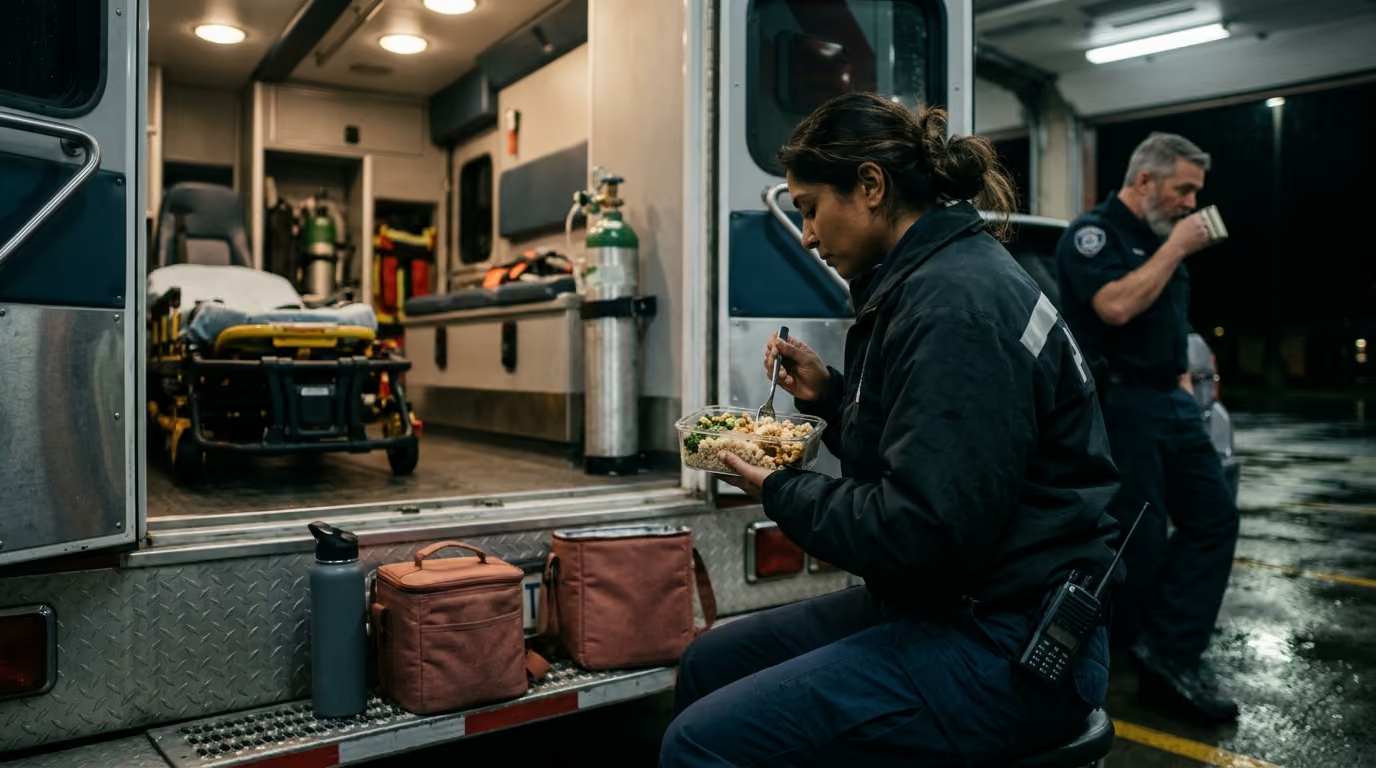

Night-shift nutrition requires strategic meal timing, balanced macronutrients, and mindful caffeine management to maintain steady alertness and protect restful daytime sleep.





It is 02:30 on a Tuesday morning. You are halfway through a twelve-hour shift, sitting in a patrol car, an ambulance bay, or an empty station kitchen. The energy from your evening meal has vanished. Your eyes feel heavy, your concentration is dipping, and the only open food options are convenience store hot cases, vending machines, and cold coffee.
Eating during overnight duty is not simply about shifting your normal daytime meals by twelve hours. The human body is biologically wired to rest, digest slowly, and clear blood glucose less efficiently during the overnight hours. Eating the wrong foods at the wrong times creates a painful double bind: you feel sluggish on duty, yet you struggle to fall asleep when you finally get home.
The solution is a structured nutrition framework built around your biological clock. You can maintain steady energy and protect daytime recovery by eating a substantial meal before your shift, relying on smaller protein-rich meals overnight, timing caffeine smartly, and eating a light snack before bed.
Eating at night creates a fundamental conflict between your work schedule and your internal biological clock. This state is known as circadian misalignment. While your job requires physical vigilance and mental focus, your digestive organs, liver, and pancreas are programmed to operate in a low-activity recovery mode.
Research shows that the human body handles food very differently at 02:00 than it does at 14:00. Insulin sensitivity naturally declines during the biological night. When you consume a heavy meal rich in refined carbohydrates during overnight hours, your body takes longer to clear glucose from the bloodstream. A controlled laboratory study found that participants who consumed standardized meals or snacks during simulated night shifts experienced marked impairments in glucose tolerance compared to those who fasted overnight.
Large systematic reviews confirm that irregular shift work creates meaningful metabolic stress over time. A comprehensive meta-analysis of 28 studies found that shift workers have a 23 percent higher risk of overweight or obesity compared to day workers. Other large occupational reviews report a 14 percent increased risk of developing type 2 diabetes and significantly higher rates of metabolic syndrome and elevated blood pressure among long-term night workers.
These metabolic changes are driven by a combination of factors. Circadian disruption directly alters appetite hormones like leptin and ghrelin, which increases cravings for calorie-dense, sugar-rich foods. Furthermore, digestive motility slows down at night. Stomach acid production, gastric emptying, and intestinal enzyme activity drop, making heavy or greasy meals sit uncomfortably in the stomach for hours.
Understanding this biological reality allows you to work with your body rather than fighting against it. You do not need to follow an extreme or rigid fasting protocol to stay healthy. Instead, you can design an eating pattern that respects your digestive capacity while providing the steady fuel required for demanding work.
For first responders and emergency personnel, overnight nutrition involves unique operational challenges that standard office workers never experience. Emergency duty rarely allows for predictable, uninterrupted meal breaks. You might sit down to eat, only to have the station tones drop or an urgent priority call dispatch your unit.
This operational unpredictability leads to several common eating traps:
Physical workload also varies wildly from one shift to the next. A paramedic or police officer might spend hours performing low-movement monitoring, followed by twenty minutes of intense physical exertion carrying equipment or managing a volatile scene. Firefighters might face hours of strenuous structural work in full turnout gear during the early morning hours.
These intense demands mean that blanket rules, such as complete overnight fasting, are often impractical or unsafe on duty. If you perform heavy physical labor at 03:00 without adequate glycogen stores, your performance, safety, and decision-making can suffer. Your nutrition strategy must remain flexible enough to support high-intensity physical output while avoiding digestive overload during quieter periods. Exploring energy, nutrition, and body composition resources can provide additional foundations for balancing physical readiness with demanding schedules.
To prevent energy crashes and protect daytime sleep, divide your 24-hour food intake into four distinct phases. This system minimizes digestive burden during the biological night while providing sustained physical energy.
Your anchor meal is the most substantial meal of your shift cycle. You should consume this meal roughly one to two hours before your shift begins or during the earliest, quietest part of your tour.
The goal of the anchor meal is to fill liver glycogen stores and provide sustained satiety. This reduces the urge to seek heavy, high-fat food at 02:00 or 03:00. Build your anchor meal using whole foods divided into clear components:
Eating a complete, balanced meal early in the shift ensures that the bulk of your daily digestion occurs while your metabolic rate and insulin sensitivity are still relatively high.
Between midnight and 05:00, your digestive tract operates at its lowest efficiency. If you need food to sustain energy or manage hunger, rely on a small, planned mini-meal rather than a full dinner.
According to occupational guidelines from the National Institute for Occupational Safety and Health, overnight duty meals should be lighter than daytime meals. Aim for 300 to 450 calories composed primarily of lean protein, high-fiber produce, and moderate complex carbohydrates.
Excellent overnight mini-meal combinations include:
These combinations provide steady amino acids and fiber to keep your brain alert without triggering the heavy, lethargic feeling caused by high-fat restaurant takeout.
A small snack is appropriate if your workload suddenly spikes, if your shift runs long, or if you feel mental fatigue setting in. Snacks should be portioned in advance so you do not mindlessly graze from bulk packaging when tired.
Keep shelf-stable, nutrient-dense options in your duty bag or vehicle:
Avoid keeping bags of chips, pastries, or candy bars in your workspace. When fatigue sets in during the circadian low point between 03:00 and 05:00, your brain seeks immediate glucose rewards, making willpower unreliable.
What you eat as your shift ends directly influences how well you sleep during the day. Going to bed with a completely empty, growling stomach can trigger stress hormones that wake you up after only three or four hours. Conversely, eating a heavy, greasy breakfast right before bed causes gastrointestinal reflux and elevates your core body temperature, preventing deep sleep.
If you are genuinely hungry when your shift finishes, consume a small snack of 150 to 250 calories 30 to 60 minutes before going to bed. Choose easily digestible carbohydrates paired with a small amount of protein:
If you finish your shift feeling completely satisfied, you do not need to force yourself to eat. Simply drink a small amount of water to rehydrate, and head directly to your sleep environment. To build a comprehensive recovery routine, review strategies for building a shift-specific sleep plan.
The macronutrient composition of your meals plays a massive role in subjective alertness and digestive comfort. Balancing your plates correctly keeps blood glucose stable and prevents steep energy drops.
Protein stimulates the release of satiety hormones like peptide YY and cholecystokinin while providing essential amino acids for tissue recovery. It helps blunt the glucose spike of accompanying carbohydrates, preventing rapid swings in energy.
Include a dedicated protein source with every meal and mini-meal. Excellent sources for night workers include:
Protein is not a central nervous system stimulant. It will not keep you awake on its own, but it prevents the intense hunger pangs that drive workers toward sugary snacks.
Carbohydrates are the primary fuel source for your brain and high-intensity muscular work. However, the type of carbohydrate you choose overnight is critical.
Refined, sugar-heavy carbohydrates cause a rapid surge in blood glucose followed by an acute insulin surge. Because insulin sensitivity is naturally blunted at night, this cycle leads to prolonged blood sugar elevation followed by a sharp drop that triggers severe drowsiness.
Focus on minimally processed, high-fiber carbohydrates that digest slowly:
Limit or eliminate low-fiber processed carbohydrates during the night hours. These include white bagels, pastries, donuts, sweetened specialty coffee drinks, soda, candy, and chips.
Dietary fats are essential for hormone production and nutrient absorption, but they take significantly longer to clear the stomach than carbohydrates or proteins. High-fat meals slow gastric emptying and relax the lower esophageal sphincter. When you consume large amounts of fat overnight, you increase your risk of heartburn, acid reflux, and heavy lethargy.
Distinguish between healthy, moderate fat portions and large, greasy meals:
Keep your overnight meals relatively low in total fat. Save slightly richer meals for your pre-shift anchor meal or your scheduled rest days when your digestion is operating on a normal daytime rhythm.
Caffeine is one of the most widely used performance tools in emergency services, but improper timing is a primary cause of post-shift insomnia. To use caffeine effectively, you must understand its pharmacokinetics.
Caffeine has an average elimination half-life of five to six hours in healthy adults, but this rate varies widely based on genetics, liver function, and medications. A systematic review published in 2025 evaluated the dose and timing effects of caffeine on subsequent sleep. The researchers estimated that a moderate coffee containing 107 milligrams of caffeine must be consumed at least 8.8 hours before bedtime to avoid reducing total sleep time. For high-dose pre-workout drinks or large energy drinks containing over 200 milligrams of caffeine, that window extends to roughly 13 hours.
If you finish your shift at 07:00 and plan to sleep by 08:30, consuming a large energy drink or coffee at 04:00 or 05:00 means that most of that caffeine will still be active in your brain when your head hits the pillow. You might fall asleep due to sheer exhaustion, but your sleep architecture will be severely disrupted, cutting your deep slow-wave sleep and REM sleep short.
Use caffeine strategically following these guidelines:
Never use caffeine to mask intense physical hunger or severe chronic sleep debt. If you find yourself needing escalating doses of stimulants just to function, examine your broader recovery habits. Reviewing practical protocols for managing caffeine and energy during night shifts will help you establish sustainable boundaries.
Gastrointestinal distress is one of the most common physical complaints among night workers. Slower bowel motility, altered enzyme output, and irregular meal timing frequently cause bloating, constipation, nausea, and gastroesophageal reflux disease (GERD).
To minimize digestive problems on duty, use a structured comfort checklist to evaluate your meals:
Acid reflux occurs when stomach acid flows back into the esophagus. This is especially common when first responders eat a heavy meal and then sit in a vehicle or lie down in a station bunk.
Bloating causes genuine physical discomfort when wearing restrictive duty belts, body armor, or turnout gear.
Hydration is critical for physical performance, cardiovascular stability, and cognitive function. However, drinking large volumes of water immediately before bed forces you to wake up repeatedly for bathroom trips, fragmenting daytime sleep.
Maintain steady hydration throughout your shift by sipping water regularly during the first eight hours. During the final two hours of duty, taper your fluid intake to small sips. Empty your bladder completely right before getting into bed.
Fasting during night shifts has gained significant attention in performance communities. The central concept involves consuming all daily calories during daylight hours and drinking only water, black coffee, or plain tea during the overnight shift.
Research on this approach shows interesting metabolic results alongside practical trade-offs. Small controlled trials show that avoiding food consumption during the biological night helps preserve normal glucose tolerance and reduces digestive strain. A 2025 systematic review and meta-analysis on time-restricted eating in shift workers noted positive trends in fasting blood glucose and insulin sensitivity.
However, the same review found no clear, statistically significant improvement in total sleep duration or sleep efficiency. Furthermore, clinical trials show that rigid overnight fasting often leads to compensatory overeating. Workers who completely avoid food during an active twelve-hour night shift frequently consume an extra 1,000 calories or more during the morning after their shift and throughout the following day.
Fasting overnight is an optional strategy, not a mandatory rule. Use this decision matrix to determine whether overnight fasting fits your operational profile:
If you choose to test time-restricted eating, start gradually on quiet shifts. For deeper context on metabolic adaptation across changing shifts, see how eating windows and circadian strain intersect across operational rotations.
The best nutritional intentions fail when you arrive at work unprepared. Fatigue reduces executive function and decision-making capacity. If you have to make food decisions when exhausted at 02:00, you will almost always choose the easiest, highest-calorie option available.
Building a reliable food preparation system removes willpower from the equation.
Pack your food for duty using a clear three-layer structure:
Foodborne illness is a severe operational risk that will instantly incapacitate an emergency responder. Slower digestion overnight makes your gastrointestinal tract even more vulnerable to food contamination.
Follow fundamental food safety practices:
Nutrition is a powerful support tool, but it cannot cure extreme biological sleep deprivation. Never rely on food, sugar, or caffeine to keep yourself awake when physical fatigue makes operating a vehicle or making critical tactical decisions unsafe.
Keep these essential safety limits in mind:
Maintaining long-term operational health requires balancing your duty demands with evidence-based lifestyle systems. To explore comprehensive research on sleep physiology and shift rotations, consult these evidence-based shift work and sleep strategies.
Dietary adjustments resolve many common night-shift complaints, but persistent symptoms warrant a formal evaluation by a qualified medical professional or registered dietitian.
Consider seeking professional guidance if you experience:
A registered dietitian who understands emergency service schedules can help you build a personalized fueling plan tailored to your specific medical history and duty patterns.
Your career longevity and operational capability depend on how well you maintain your physical body across thousands of hours of disrupted schedules. Night shifts place real, measurable demands on your metabolic and digestive systems. By treating food as a functional operational tool, you can protect your daytime recovery, maintain steady mental focus on duty, and safeguard your health long after your final shift ends.
Revisit this guide whenever you transition between different shift schedules, notice a steady rise in your daily caffeine use, or begin experiencing frequent daytime awakenings caused by hunger or indigestion. Consistent attention to small nutritional details preserves your readiness today and protects your health for decades to come.
Stay connected for research-led guidance on duty fitness, shift-work sleep, injury recovery, stress, nutrition and career longevity. Practical ideas for first responders who want to stay capable on the job, recover well and protect their health for the long run.



Read practical guidance on first responder fitness, recovery, sleep, nutrition and resilience for demanding work and a long, active career.
read the blog



