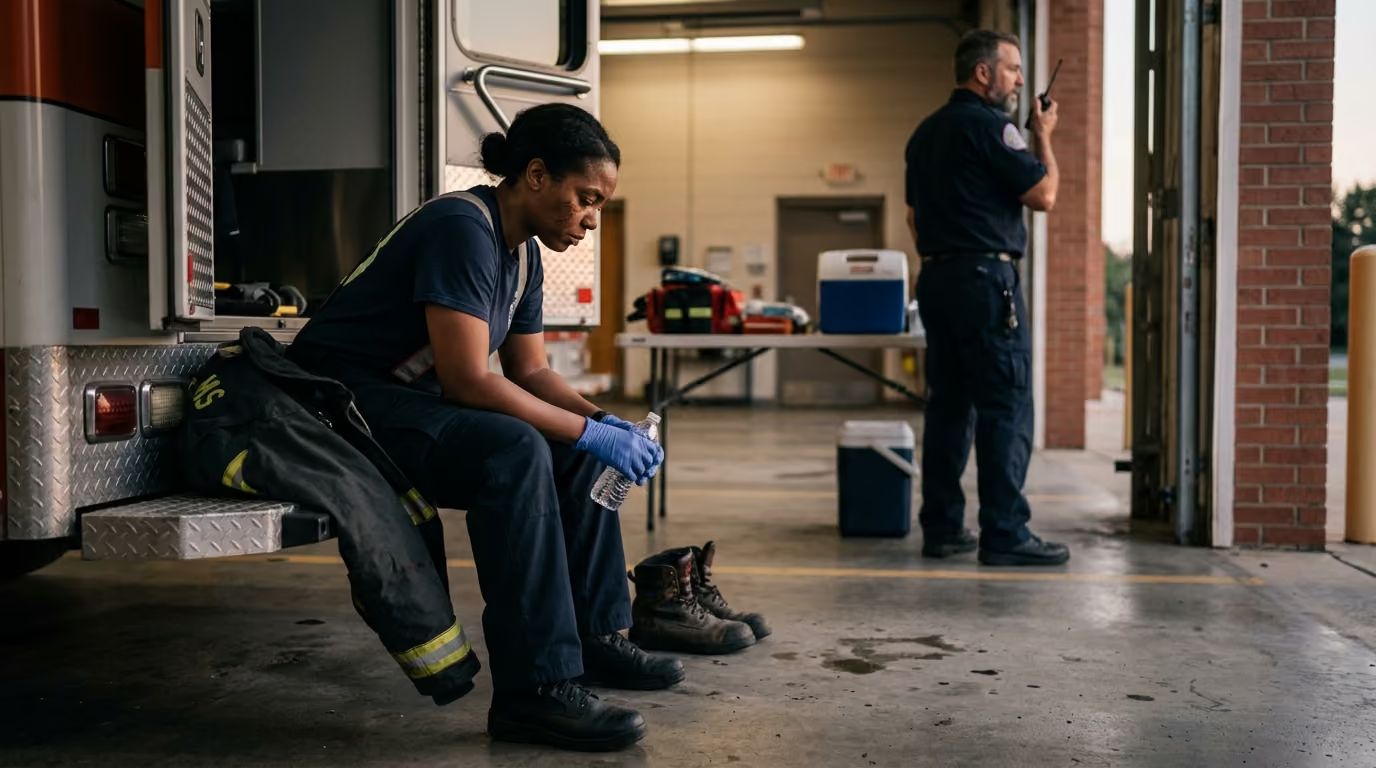

Sleepless nights and continuous emergency dispatches create heavy cumulative strain, requiring frontline crews to catch escalating symptoms early with practical baseline checks.





If you or a colleague are experiencing an immediate mental health crisis, support is available right now. Call or text 988 to reach the Suicide & Crisis Lifeline, and press 1 if you are a veteran. Military service members and veterans can also text 838255 for confidential support. For immediate physical danger, call 911 or follow your agency crisis protocols. If access to lethal tools or firearms is a concern during an acute crisis, arrange safe temporary storage immediately in coordination with a trusted colleague, family member, or healthcare professional.
Emergency services culture often treats acute, catastrophic incidents as the primary threat to psychological health. The deeper reality is that dramatic calls rarely account for the total toll on a responder. The most damaging pressure in emergency services is the slow accumulation of routine calls, sleep disruption, administrative friction, and incomplete recovery.
Cumulative stress is not a sudden collapse or a personal defect. It is an occupational health condition driven by continuous demand without sufficient time to reset. When physiological activation remains high for months or years, the nervous system adapts by staying perpetually on guard. Recognizing this pattern across yourself and your crew is critical for operational capability, personal safety, and long-term health.
Cumulative stress occurs when repeated work demands exceed your body's capacity to rest, repair, and reset. Unlike acute traumatic stress from a single horrific call, cumulative strain builds silently across hundreds of routine shifts, interrupted nights, and ethical dilemmas. It degrades decision-making, slows reaction time, strains personal relationships, and alters baseline physical health long before a crisis occurs.
The solution does not rely on toughing it out or relying on willpower alone. Responders need structured recovery habits, regular baseline self-checks, and psychological safety within their crews. When stress reactions begin to impair daily function, persist beyond a few weeks, or create safety risks on duty, professional clinical care is necessary. Managing cumulative load is an operational requirement for career longevity, not an optional wellness concept.
The human nervous system is built to handle acute spikes in threat. When an emergency alarm sounds, the sympathetic nervous system triggers a surge of adrenaline and cortisol. Heart rate climbs, blood pressure rises, pupils dilate, and non-essential functions like digestion shut down. Once the call ends and safety returns, the parasympathetic nervous system should bring the body back to its resting baseline.
In emergency response, this return to baseline rarely happens cleanly. Continuous call volume, mandatory overtime, and circadian disruption keep the nervous system in a chronic state of low-grade alarm. Over time, the physiological cost of repeated adaptation creates a persistent wear-and-tear pattern known as allostatic load.
Understanding the differences between clinical and descriptive stress terms prevents confusion and reduces stigma.
Acute stress response is the short-term physiological and psychological reaction during or immediately after a critical event. NIOSH notes that physical tension, intrusive thoughts, nightmares, and heightened alertness are common after traumatic incidents and often decline over time. These acute reactions are natural biological adaptations to abnormal events.
Cumulative stress is a descriptive occupational health term rather than a formal psychiatric diagnosis. It describes the total burden accumulated when operational demands, organizational friction, sleep debt, and repeated traumatic exposures exceed recovery capacity. A responder can experience severe cumulative stress without ever meeting the diagnostic criteria for a single formal trauma disorder.
Acute Stress Disorder is a specific clinical condition diagnosed when severe trauma symptoms occur between three days and one month following an event. According to clinical guidance from the Veterans Affairs and Department of Defense National Center for PTSD, Acute Stress Disorder requires specific symptom clusters across re-experiencing, avoidance, dissociation, and hyperarousal.
Posttraumatic Stress Disorder is considered when clinically significant trauma symptoms persist beyond one month and cause functional impairment. PTSD involves persistent intrusions, active avoidance of trauma cues, negative alterations in mood and cognition, and marked alterations in arousal and reactivity. Cumulative stress can lower the threshold for developing PTSD, and the two conditions frequently coexist.
Occupational health research demonstrates that mental health strain is widespread across public safety professions. The available data comes from a mix of systematic reviews, meta-analyses, and cross-sectional studies.
A systematic review published through the Agency for Healthcare Research and Quality reported estimated prevalence rates across emergency medical services and 911 workforces of approximately 15 percent for depression, 15 percent for anxiety, 11 percent for posttraumatic stress, and 27 percent for general psychological distress. A broader scoping review of first responders found PTSD prevalence estimates ranging between 10 percent and 23.2 percent.
Other international reviews report PTSD prevalence estimates between 18 percent and 33 percent depending on the specific branch, exposure history, and assessment tools used. Emergency dispatch and communications personnel show substantial vulnerability as well. A meta-analysis of dispatchers identified pooled estimates of 17.8 percent for PTSD, 28.2 percent for depression, 17.2 percent for anxiety, and 17.8 percent for hazardous drinking.
These numbers represent study estimates rather than absolute universal rates. Variations occur because studies use different measurement tools, sample sizes, and definitions of exposure. The overall evidence clearly indicates that psychological distress is a predictable occupational outcome of prolonged emergency service rather than an individual vulnerability.
Frontline operating environments directly change how stress impacts human physiology. Generic wellness advice often assumes a predictable eight-hour workday with uninterrupted nights and regular meal times. Emergency response breaks every one of these assumptions.
Shift work fundamentally alters hormonal balance, metabolic health, and neurological recovery. Firefighters on 24-hour shifts, paramedics rotating between day and night tours, and police officers working night shifts face persistent circadian misalignment.
Sleep is the primary window during which the brain clears metabolic waste products and processes emotional memory. When calls repeatedly interrupt slow-wave and rapid-eye-movement sleep, emotional regulation degrades quickly. Understanding how shift rotations drive circadian strain and sleep debt helps crews recognize that irritability and cognitive fog are direct physiological consequences of sleep loss rather than personal failures.
Different emergency service branches experience distinct profiles of cumulative strain:
Paramedics and EMTs handle high call volumes, repetitive exposure to pediatric trauma, geriatric neglect, and prolonged patient offload delays. They often work extended periods in confined vehicle spaces while managing heavy physical patient handling.
Firefighters experience intense physical loading, extreme thermal stress from structural gear, toxic smoke particulate exposures, and sudden shifts from resting states to maximal physical output. They also face prolonged search and recovery operations that carry deep emotional weight.
Law enforcement officers maintain a continuous state of hypervigilance against potential physical threats. They face regular moral conflicts, intense public and legal scrutiny, exposure to interpersonal violence, and prolonged periods of sedentary patrol interrupted by sudden physical confrontations.
Emergency dispatchers experience severe indirect traumatic exposure through repeated audio contact with life-threatening events. They manage callers during their worst moments while experiencing operational helplessness, high cognitive multitasking demands, and prolonged sitting without physical outlets.
Operational calls are rarely the sole driver of cumulative breakdown. Responders frequently cite organizational stressors as their heaviest daily burden.
Mandatory overtime, understaffed units, equipment failures, administrative investigations, and unsupportive leadership erode recovery capacity faster than field calls. Responders also carry moral injury, which occurs when operational circumstances force actions, or inactions, that violate their ethical standards. Witnessing preventable harm due to systemic failures leaves an invisible, corrosive footprint on crew morale.
Recognizing cumulative stress requires moving beyond rigid diagnostic checklists. Stress presents as observable patterns across physical health, cognitive processing, emotional regulation, and interpersonal behavior. Tracking these patterns against an individual's normal baseline helps crews intervene before operational safety is compromised.
Early signs represent subtle deviations from a responder's typical baseline. The individual is still functioning adequately on duty, but internal reserves are depleting.
Physical signs include persistent neck and shoulder tension, frequent morning headaches, clenching the jaw during sleep, gastrointestinal upset, and feeling tired despite having time off. The Substance Abuse and Mental Health Services Administration notes that rapid heart rate and an inability to relax off duty are common early warning markers.
Cognitive changes at this stage show up as mild forgetfulness, replaying mundane calls during quiet hours, taking longer to write routine run reports, and feeling mentally clouded during shift handoffs.
Emotional and behavioral shifts include emerging cynicism, reduced patience with minor patient complaints, feeling numb after tough calls, withdrawing from station banter, and consuming extra caffeinated drinks or alcohol to manage daily energy.
The recommended response at this early stage is self-monitoring and restoring baseline physical recovery. Responders should focus on protected sleep, regular nutrition, and low-stakes conversations with trusted peers or family members. NIOSH recommends delaying major life decisions immediately following heavy operational periods to allow baseline emotional balance to return.
Moderate cumulative stress indicates that normal recovery intervals between shifts are no longer sufficient to clear the stress load. The symptoms begin spilling directly into duty performance and home life.
Operational impairment becomes visible to partners and supervisors. Warning signs include:
Psychological escalation involves persistent nightmares, avoiding specific call types or geographic response areas, emotional detachment from family, chronic anger, and pervasive dread before shifts. Substance use often shifts from social drinking to functional self-medication for sleep and anxiety.
When moderate signs appear, passive observation is no longer appropriate. Peers and supervisors must initiate structured, private check-ins. Relying on active recovery principles from the evidence base for stress and mental performance helps responders rebuild resilience while arranging professional clinical assessments.
Severe cumulative stress represents a clinical or medical crisis where safety is directly compromised. Immediate escalation protocols must be activated.
Urgent behavioral and psychiatric red flags include:
Urgent physical red flags require immediate emergency medical evaluation. NIOSH highlights that chest pain, difficulty breathing, severe unexplained pain, and symptoms of physiological shock require immediate medical intervention rather than psychological processing. Shock symptoms include rapid and weak pulse, pale or moist skin, shivering, dilated pupils, and acute mental confusion.
When severe signs appear, the sole priority is immediate physical safety. Stay with the individual in a calm environment, notify medical or supervisory resources per departmental policy, and reduce access to lethal tools.
Recognizing stress in the field requires clear, simple assessment tools that do not require clinical training. Two practical field frameworks help responders assess themselves and their crew mates during daily operations.
The BASE model offers a rapid triage framework for evaluating crew readiness:
When checking in on a partner in private, the 5-S screen provides a structured conversational guide:
Effective peer support is about active listening and practical assistance, not conducting amateur therapy. Peer support members should create a private, non-judgmental environment and state objective observations rather than making accusations.
Say: "I noticed you seemed quiet after that pediatric arrest, and you missed a couple of radio calls today. How are you holding up?"
Avoid: "You look terrible. You need to stop letting this job get to you."
Listen without forcing the responder to recount gory operational details. Research demonstrates that forcing someone to describe a traumatic event before they are ready can cause secondary distress. Focus on their current functional state, validate the operational burden, and offer concrete assistance such as helping arrange schedule relief or finding a vetted, culturally competent clinician.
Emergency services historically relied on mandatory Critical Incident Stress Debriefing, which forced entire crews to recount emotional reactions immediately after major calls. Decades of psychological research have shown that mandatory, one-size-fits-all psychological debriefing does not prevent PTSD and can worsen acute distress in some participants.
Modern trauma response distinguishes operational debriefings from psychological support. Operational hotwashes are vital for reviewing tactics, equipment performance, and communications. Psychological support must be voluntary, confidential, ongoing, and tailored to individual needs over weeks and months rather than completed in a single mandatory session.
Recovery from cumulative stress requires both individual physiological regulation and structural agency support. Individual resilience cannot overcome a fundamentally toxic or unsupported work schedule.
Between calls and at the end of a shift, the body requires deliberate down-regulation strategies to shift out of sympathetic overdrive. Simple somatic reset techniques help lower heart rate and reduce resting muscle tone.
Using active post-incident transition protocols, such as transition strategies to clear residual tension and restore readiness, signals the brain that the immediate threat has passed. Practicing slow, diaphragmatic breathing with extended exhalations stimulates the vagus nerve, reducing circulating stress hormones.
Physical training should be adjusted based on operational fatigue. When cumulative fatigue is high, high-intensity workouts can further deplete the nervous system. Shifting toward low-fatigue aerobic conditioning, mobility work, and autoregulated strength sessions protects joint health and accelerates recovery. Responders should balance high-output training with balancing structured workouts and readiness sessions to avoid overtraining during demanding rotations.
True recovery requires establishing firm boundaries between emergency work and personal life. Responders should establish a clear decompression routine before entering their home. This may include changing out of uniform at the station, taking a warm shower, and using the commute home for quiet transition rather than consuming aggressive media or rehashing calls.
Protecting off-duty sleep is critical. Use
blackout shades, keep the bedroom cool, and implement consistent wind-down habits. Minimize alcohol intake, as alcohol disrupts rapid-eye-movement sleep and impairs cardiovascular recovery despite creating an initial feeling of sedation.
Agencies bear an occupational safety obligation to mitigate cumulative stress among their personnel. NIOSH provides guidelines for emergency responder health monitoring and surveillance to systematically track work-related health outcomes.
Agencies should establish:
Recognizing cumulative stress is only useful if clear action pathways exist when internal recovery strategies fall short. Knowing when and where to seek professional clinical care prevents career-ending burnout and protects life safety.
Self-care habits, peer check-ins, and physical fitness are vital preventive tools. They are not medical treatments for clinical depression, severe substance dependence, or unmanaged PTSD.
Believing that mental health struggles can always be overcome through discipline or outdoor recreation creates dangerous delays in care. When symptoms impair operational decision-making, disrupt personal relationships, or persist for several months, professional clinical intervention is the only evidence-based path forward.
Modern trauma psychology offers highly effective, evidence-based treatments tailored for public safety personnel. The VA/DoD Clinical Practice Guideline for the Management of Posttraumatic Stress Disorder strongly recommends manualized, trauma-focused psychotherapies as primary interventions.
These evidence-based modalities include:
Clinical guidelines also confirm that co-occurring conditions, such as depression, mild substance misuse, or chronic pain, do not prevent responders from participating in trauma-focused therapy. Licensed providers who specialize in emergency services can adapt these treatments to fit active-duty schedules.
A review by the Congressional Research Service highlighted persistent barriers that keep first responders from seeking timely care. These barriers include fear of career repercussions, concerns over medical confidentiality, lack of provider knowledge regarding public safety culture, and deep-seated internal stigma.
Research indicates that approximately one in three emergency responders reports experiencing mental health stigma. To counter this, agencies and union leadership must explicitly protect confidential help-seeking pathways. Seeking clinical care for cumulative stress should carry the exact same administrative and cultural normalization as visiting a physical therapist for a sprained ankle or back injury. Sustaining health over a multi-decade career is a core pillar of long-term career longevity across emergency services.
Recognizing cumulative stress early preserves your tactical readiness on the street and protects your quality of life long after your uniform is hung up for the final time.
Stay connected for research-led guidance on duty fitness, shift-work sleep, injury recovery, stress, nutrition and career longevity. Practical ideas for first responders who want to stay capable on the job, recover well and protect their health for the long run.



Read practical guidance on first responder fitness, recovery, sleep, nutrition and resilience for demanding work and a long, active career.
read the blog



