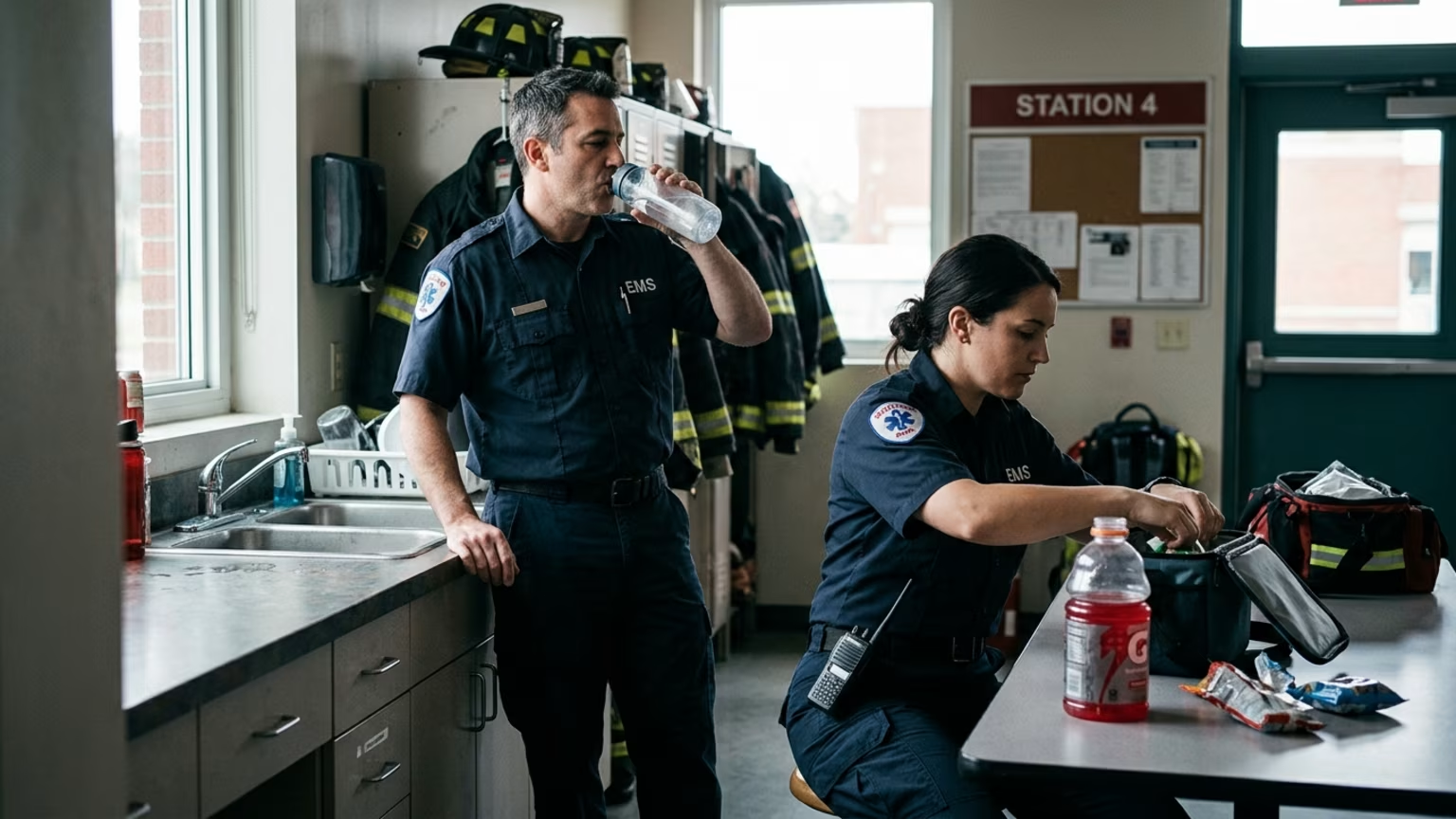

A practical guide for first responders managing hydration, heat stress and electrolytes during long shifts. Understand how heavy gear impacts fluid intake.





How do fluid requirements change when emergency personnel operate in heavy protective gear during prolonged hot weather shifts? Fluid needs rise significantly because protective clothing blocks evaporative cooling, requiring personnel to manage intake by drinking regular small amounts rather than waiting for thirst. This dynamic creates a dangerous gap between perceived hydration and actual physiological readiness. Hydration needs are not fixed across a normal duty day. Heat exposure, heavy exertion, impermeable uniforms, long incidents and illness can all increase the risk of rapid fluid loss.
First responders cannot always rely on the sensation of thirst when operating in hazardous environments. Acute stress and high adrenaline levels frequently mask the body's natural dehydration signals. They must follow a structured plan that accounts for their specific operational constraints. A routine shift calls for accessible water and regular drinking habits throughout the day. Heavy exertion, delayed meals and longer operations increase the need for planned rehabilitation and careful fluid monitoring.
Long-duration operations deserve a different plan from a standard, routine emergency call. Cool potable water may be sufficient for quick responses or short jobs. However, longer incidents require electrolyte-containing fluids to be available alongside plain water. That distinction should not be treated as a rigid physiological cutoff across the board. Sweat rate, heat load, clothing, work intensity and food intake can make a shorter event highly demanding.
Supervisors and individual responders must evaluate each situation dynamically based on the work environment. A recent systematic review found that structured firefighter training programs improved simulated fireground task performance. This included tasks like victim rescue, hose advancement and ladder operations. However, this research did not establish a universal hydration dose for these specific operational tasks. The lack of a universal target means departments must rely on practical, schedule-based drinking frameworks.
Heat-related illness develops when the body cannot adequately regulate internal temperature during heat exposure and sweat loss. The human body cools itself primarily by producing sweat across the skin surface. This sweat must evaporate into the surrounding air to remove excess body heat. This physiological mechanism works well in standard clothing under normal environmental conditions. It begins to fail rapidly when the environmental heat load exceeds the body's capacity to dissipate it.
For first responders, the effective heat load is often greater than the outdoor temperature suggests. Turnout gear, vapor barriers, multilayer police uniforms and respiratory protection severely restrict heat transfer. This critical equipment blocks the air circulation needed for normal sweat evaporation. The trapped moisture creates a microclimate that rapidly accelerates internal heat accumulation. The practical conclusion is to treat protective equipment as an added heat and sweat burden. Ignoring this extra burden frequently leads to premature exhaustion and dangerous field errors.
The operational problem is especially pronounced during high-output physical tasks on the fireground. Hose advancement, victim removal, ladder work and patient movement generate massive internal body heat. Prolonged searches, wildland line work and repeated apparatus drills heavily compound this thermal stress. Sweat rate varies substantially with body size, baseline fitness and overall heat acclimatization. Workload and individual physiology further complicate the total fluid loss equation for each responder.
Because the body is losing fluid rapidly, overall blood volume can begin to drop. This forces the heart to work harder to deliver oxygen to working muscles. It also reduces the amount of blood available to transport heat to the skin surface. This cascading failure explains why proactive fluid replacement is so critical during long shifts. A sensible station setup should always include cool drinking water and a clear symptom monitoring plan.
Transitioning to active field recovery requires adjusting fluid intake based on incident length and meal availability. Cool water is generally sufficient for shorter jobs. Personnel can typically rely on plain water when normal meals are available throughout the shift. Food can replace much of the sodium lost in sweat during routine duties. For work lasting two hours or more, personnel should have access to electrolyte-containing beverages.
Field recovery should begin before the shift or training evolution even starts. Personnel should arrive normally hydrated rather than trying to consume a large volume immediately before work. First responders must consider the expected heat, workload and respiratory protection demands early in the day. If the shift includes prolonged sweating or delayed meals, they should arrange access to multiple fluid options. Continuing to drink normally after heavy work is also necessary for full operational recovery.
It is also crucial to recognize when active recovery fails and medical care becomes an immediate necessity. Personnel should treat new headaches, dizziness, nausea, weakness or unusual fatigue as reasons to stop working. Cramps, irritability and difficulty concentrating are also clear warning signs of physiological distress. These symptoms require responders to report the issue, cool down and reassess their overall condition. You must escalate to medical care if symptoms worsen or fail to improve.
Viral respiratory illness fundamentally alters the decision from routine hydration to a requirement for medical assessment. Fever, vomiting, diarrhea, weakness, fatigue and reduced appetite severely interfere with fluid replacement and work capacity. A responder experiencing these symptoms should seek occupational-health guidance immediately. They should never attempt to push through a shift while actively ill. A compromised immune system cannot safely manage heavy occupational heat stress.
Shift personnel should treat caffeine as a targeted alertness tool rather than a fluid replacement strategy. A practical approach involves starting a shift with water before having a morning coffee. Personnel should use coffee for alertness rather than treating it as the primary hydration source. The available evidence does not show that one ordinary coffee makes a responder clinically dehydrated. This means personnel can consume standard coffee sensibly without fearing immediate, severe fluid loss.
Energy drinks, however, require a much more cautious approach during hot weather operations. Some energy drinks deliver much more caffeine than standard servings of common caffeinated drinks. This high concentration of stimulants may be a significant concern during severe heat strain. Rapid heart rate and increased physiological stress from massive caffeine doses can complicate heat exposure. Mixing heavy stimulant use with high ambient temperatures creates an unpredictable cardiovascular response. Responders should never count high-dose energy drinks as the foundation of their daily fluid intake.
Timing these beverages appropriately can help mitigate their potential negative impacts on shift performance. Consuming a standard cup of coffee before a morning briefing is generally safe and effective. Relying on multiple energy drinks during a prolonged, hot afternoon incident is a massive operational risk. Departments should integrate this understanding into their steady energy for long shifts training programs. Structuring caffeine intake helps protect the cardiovascular system during periods of heavy physical exertion.
Electrolytes are highly relevant when sweating is heavy, prolonged or when routine meals are delayed. They are also necessary when an incident involves repeated work cycles in a hot environment. However, the available evidence does not justify recommending indiscriminate high-dose electrolyte products for every responder. Personnel should avoid individualized sodium prescriptions unless specifically directed by a qualified clinician. A blanket recommendation for salt tablets is not supported for general first responder populations.
The safest approach is prioritizing water first and adding electrolytes only when indicated by the workload. This avoids the common error of treating every single duty day as an extreme endurance event. It also prevents the dangerous assumption that unlimited plain water is completely harmless. More fluid is not always safer when managing prolonged exertion. Responders should not force fluids beyond thirst simply because a heavily marketed sports drink is available. High sodium concentrations without adequate water can actually pull fluid away from working muscles.
Evaluating shift rosters for actual recovery opportunity is the first step in occupational health. When personnel face back-to-back calls in heavy gear, electrolyte availability becomes a logistical priority. A practical apparatus setup should include an appropriately selected electrolyte beverage for these specific situations. Managing this balance effectively is detailed in our guide on electrolytes for heat, sweat and long shifts. Proper planning keeps the right tools available precisely when the physiological demand peaks.
Managing cumulative heat stress protects long-term health by preventing severe physiological damage over decades of service. The safest cultural shift for emergency services is moving away from instructions to drink as much as possible. Departments must transition toward controlled intake, planned rehabilitation, symptom reporting and early medical intervention. Supervisors should account for protective clothing and respiratory equipment when setting work-rest expectations. They should never treat ambient outdoor temperature as the only relevant heat variable.
Recognizing the true signs of heat stroke is a vital skill for career longevity and survival. Confusion, irrational behavior, seizures, loss of consciousness and very high body temperature indicate severe heat stroke. These symptoms require immediate emergency medical assistance, active cooling and removal of unnecessary outer clothing. Hydration cannot treat heat stroke, severe viral infection, altered mental status or physiological shock. A collapsing responder needs immediate emergency evaluation, not a misguided instruction to drink more water.
Medical conditions, prescription medications and kidney disease can alter safe fluid intake. Heart failure and diabetes also require specific individualized management over a long career. The available occupational guidance provides an excellent baseline for healthy, active personnel. However, retired responders and active personnel with medical factors should direct specific fluid questions to their clinician. Planning for physical capability requires a careful approach to all accumulated physical wear.
Understanding how heavy protective gear impacts hydration is only one part of the operational recovery equation. First responders must also manage their body temperature actively during and after major fireground incidents. The next step is evaluating how environmental conditioning can improve your baseline tolerance to heat stress. We recommend reading our detailed breakdown on Heat and Environmental Conditioning for First Responders: A Practical Performance and Safety Guide. This guide provides evidence-backed methods for building resilience against the extreme temperatures encountered during prolonged summer shifts. Learning to manage this environmental strain safely will help protect your cardiovascular health throughout your entire service life.
Conflicting advice that prioritises short-term performance while ignoring long-term health routinely challenges emergency personnel trying to manage irregular shifts. Navigating unpredictable emergency calls and heavy heat exposure requires practical guidance, and Rescuris helps first responders build sustainable metabolic habits that support career longevity. We translate clinical data into functional programming that respects erratic duty schedules and the reality of protective gear. Explore Resources
Rescuris publishes evidence-aware guidance for firefighters, police officers, paramedics and other first responders on fitness, recovery, sleep, nutrition, stress resilience and long-term capability.






Read practical guidance on first responder fitness, recovery, sleep, nutrition and resilience for demanding work and a long, active career.
read the blog
