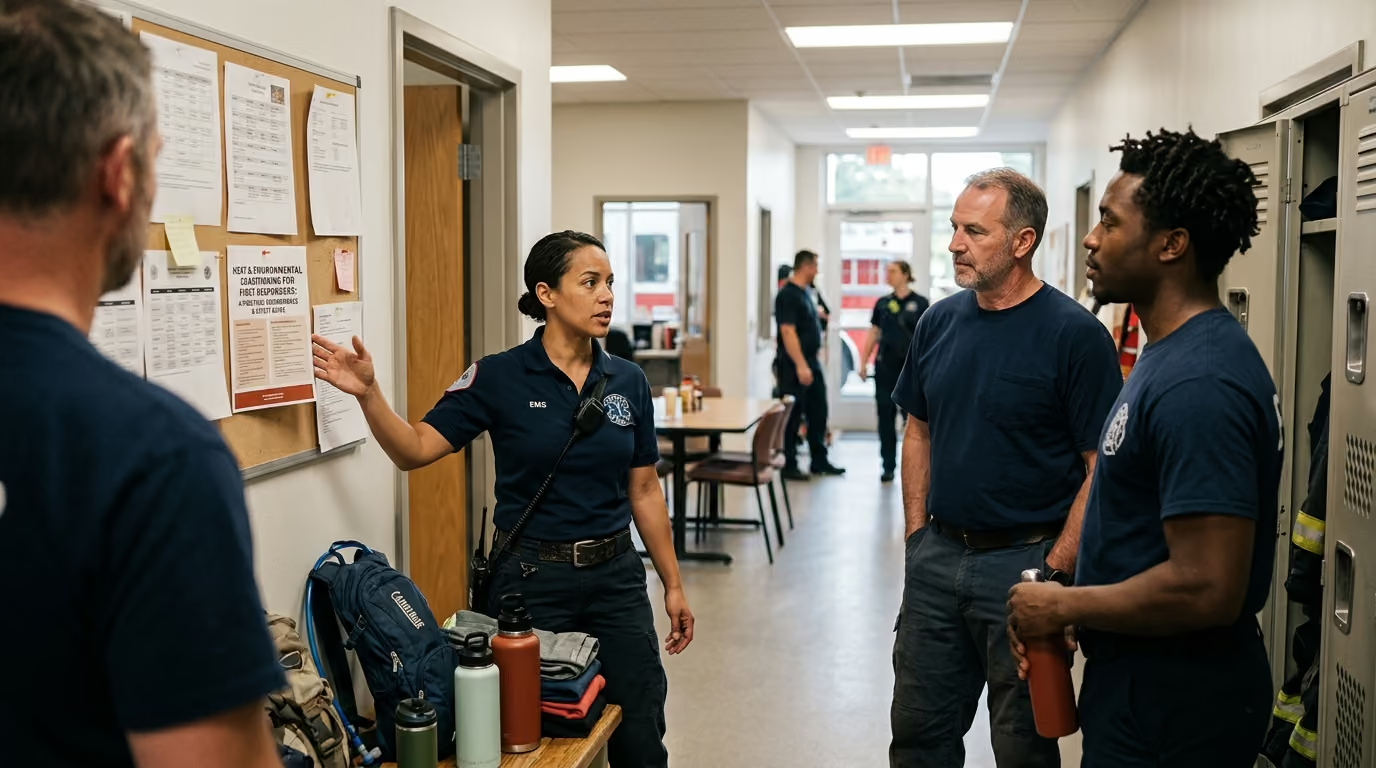

Heavy gear and intense fireground heat push emergency crews to dangerous physiological limits, requiring structured thermal conditioning and proactive rehabilitation protocols.





Most emergency personnel treat hydration as the primary defense against thermal collapse. Drinking cold water is necessary, but fluid intake alone cannot prevent dangerous internal heat accumulation when impermeable gear blocks sweat evaporation. Heavy physical labor in protective equipment generates internal thermal energy far faster than the human body can dissipate it. True environmental conditioning requires a complete physiological system. This system combines progressive acclimatization, calculated cardiovascular development, active cooling protocols, and strict operational pacing.
Managing thermal stress demands a shift from reactive drinking to proactive physical preparation. First responders who understand how clothing ensembles, metabolic work, and climate interact can sustain physical output longer and recover faster. This guide details the physiological mechanisms of heat strain, outlines structured preparation protocols, and provides field-tested strategies for high-temperature operations.
Thermal strain on the fireground, tactical perimeter, or roadside rescue is rarely caused by weather alone. Occupational heat stress is the cumulative total of internal heat generated by working muscles, external heat absorbed from the surrounding environment, and the thermal barrier created by duty uniforms. When heat production exceeds heat dissipation, internal body temperature climbs steadily toward dangerous thresholds.
Metabolic heat is the internal energy produced by skeletal muscle contraction during physical labor. Walking with basic gear creates a mild metabolic load. Advancing a charged hose line, performing forcible entry, carrying structural tools, or dragging an unconscious adult generates extreme metabolic heat. In heavy work cycles, metabolic heat production can increase ten to fifteen times above resting levels.
Environmental heat encompasses ambient air temperature, relative humidity, radiant energy from direct sunlight or structural flames, and air velocity. Standard weather reports rely on the ambient temperature or the public heat index. The heat index estimates how warm the air feels in the shade based on humidity and air temperature. For occupational safety, this measurement is inadequate.
Wet-bulb globe temperature provides a more realistic assessment for heavy work. Wet-bulb globe temperature measures ambient temperature, relative humidity, wind speed, and radiant solar or thermal energy. By accounting for radiant heat and airflow, this metric gives supervisors an accurate foundation for setting work-rest cycles. A moderate reading can still produce dangerous conditions when physical tasks are severe and equipment prevents heat dissipation.
Protective clothing adds an aggressive layer of thermal burden. Structural firefighting gear, chemical suits, hazardous material ensembles, and tactical body armor act as thermal insulators. These garments trap air, add physical weight, and restrict sweat evaporation. Sweating cools the body only when moisture evaporates from the skin. When gear traps humid air against the body, sweat rolls off without providing cooling benefits, leading to rapid fluid loss and accelerated heat strain.
The operational distinction between heat stress and heat strain is critical:
Two responders operating under identical heat stress may experience completely different levels of heat strain. Age, cardiovascular fitness, sleep history, hydration status, recent illness, and acclimatization determine individual strain. Managing safety requires monitoring both the environment and the individual physiological response.
The human body adapts remarkably well to repeated, controlled heat exposures. Decades of occupational and exercise research demonstrate that consistent thermal training produces clear physiological adaptations. These adaptations lower cardiovascular strain and improve thermal tolerance.
Repeated exposure to heat triggers plasma volume expansion within the circulatory system. Expanding blood volume allows the heart to pump more blood per stroke. This increased stroke volume stabilizes cardiac output while supplying working muscles with oxygen. It also maintains robust blood flow to the skin for heat dissipation.
Acclimatization alters the sweating mechanism. An acclimatized responder begins sweating at a lower core body temperature threshold. The sweat glands also increase their maximum sweat output and distribute moisture more evenly across the skin. Sweat glands adapt to reabsorb sodium and chloride, conserving essential electrolytes during
long shifts.
These adaptations produce measurable improvements during hot operations:
The evidence confirms that heat acclimatization is task-specific and highly perishable. Adapting to jogging in shorts and a t-shirt in warm weather does not prepare a responder for structural firefighting in full protective ensembles. The thermal barrier of structural gear impairs evaporation, eliminating the primary benefit of an elevated sweat rate.
Acclimatization decays rapidly once regular exposure stops. Significant cardiovascular adaptations begin to decline within three to five days of non-exposure. Most thermal tolerance is lost within two to four weeks of normal temperatures. Responders returning from vacations, injury leave, or desk assignments must rebuild their heat tolerance gradually.
Rushing unacclimatized personnel into intense operations during heatwaves creates immediate safety hazards. Both the National Institute for Occupational Safety and Health (NIOSH) and the Occupational Safety and Health Administration (OSHA) provide clear, phased exposure frameworks. Training divisions and operational officers should use these schedules to build baseline thermal capability safely.
For personnel new to a hot environment, acclimatization must occur over a minimum of 7 to 14 days. Work exposure should be introduced in measured increments. This progression allows internal plasma volume and sweat systems to adapt without overwhelming cardiovascular capacity.
The standard NIOSH framework for new workers limits initial exposure to small percentages of a full shift:
For experienced first responders returning from illness, light duty, or extended time off, re-acclimatization occurs faster. A four-day re-entry protocol is recommended:
During these acclimatization periods, direct supervision is critical. New recruits and returning veterans are often hesitant to report early warning signs of thermal fatigue. Instructors, company officers, and peers must actively look for unsteady movements, flushing, or confusion.
Training divisions can apply these protocols by scheduling outdoor drills and live-fire evolutions progressively. Early summer training cycles should start with brief sessions in station wear. Over two weeks, instructors can increase session lengths, add protective gear, and introduce operational tasks. Pushing recruits to heat exhaustion during initial summer drills does not build mental resilience. It increases medical risk and impairs long-term physical readiness.
Physical fitness provides a crucial physiological reserve during hot operations. A robust cardiovascular base lowers baseline physiological strain, allowing personnel to work with lower relative cardiovascular demand. Conditioning programs should build functional capability in controlled environments before adding high thermal stress.
Conditioning must prioritize aerobic capacity alongside full-body muscular strength. The cardiovascular system serves two competing masters during hot operations: delivering oxygen to contracting muscles and sending warm blood to the skin for cooling. Higher aerobic capacity increases maximum cardiac output. This extra capacity allows the heart to meet muscular demands without starving peripheral circulation.
When structuring a fitness routine around shift work, using targeted conditioning sessions that fit demanding schedules helps maintain aerobic fitness without causing chronic exhaustion. Training in normal temperatures builds movement efficiency, strength, and work capacity. Once physical foundations are solid, thermal stress can be introduced deliberately.
Conditioning priorities for thermal resilience include:
When introducing environmental heat into physical training, change one variable at a time:
Operational pacing is an essential survival skill. First responders often sprint through the initial minutes of an emergency call, driving their heart rates and core body temperatures up immediately. Once core temperature spikes inside impermeable gear, bringing it down without active cooling is difficult. Responders should establish a sustainable pace, taking controlled pauses between task cycles. Learning to regulate output based on fatigue helps preserve capacity across multi-hour operations. Using autoregulating training intensity based on daily readiness ensures that physical conditioning builds endurance without creating systemic exhaustion before emergency calls.
Hydration planning requires practical structure rather than arbitrary guidelines. Arriving on duty dehydrated compromises heat tolerance and increases cardiovascular strain. However, drinking excessive amounts of plain water without electrolytes creates serious health risks. Fluid balance must be managed across pre-shift, during-incident, and post-incident recovery phases.
Responders should establish baseline hydration throughout the day. Relying on thirst during an emergency call is ineffective because thirst signals lag behind actual fluid loss. During intense structural firefighting or heavy rescue work, a responder can lose one to two liters of sweat per hour.
NIOSH provides clear benchmarks for fluid consumption during moderate work in hot conditions:
During deployments lasting longer than two hours of heavy sweating, plain water is insufficient. Sweating depletes internal sodium, potassium, and magnesium reserves. Drinking large volumes of plain water without replacing sodium dilutes the blood, potentially causing exercise-associated hyponatremia. Hyponatremia is a life-threatening medical condition characterized by cellular swelling, mental confusion, seizures, and respiratory arrest.
When operations exceed two hours of heavy sweating, personnel should drink balanced electrolyte beverages containing sodium and potassium. High-sugar energy drinks and sodas should be avoided on scene. High concentrations of simple sugars slow gastric emptying, cause gastrointestinal distress, and worsen dehydration. Solid nutritional strategies, such as using structured first responder shift nutrition strategies, help maintain steady blood glucose and electrolyte balance during extended incidents.
Monitoring hydration in the field relies on practical indicators:
Personal protective equipment is mandatory for physical safety, but it creates an extreme microclimate against the skin. Structural turnout gear, hazardous materials suits, and heavy ballistic armor prevent convective air movement and trap 100% relative humidity inside the ensemble. Managing this burden requires formal, protocol-driven rehabilitation sectors.
Rehabilitation is an operational safety function, not an informal rest break. A proper rehabilitation sector provides physical rest, shade or climate control, gear removal, active cooling, medical assessment, and controlled rehydration.
Removing or loosening gear is the essential first step upon entering a rehabilitation sector. Keeping turnout gear on while resting traps body heat, causing core temperature to rise even after physical work stops. Responders should immediately remove helmets, flash hoods, coats, and gloves, and unzip or remove bunker pants when safe.
Active cooling methods lower core body temperature much faster than passive resting in the shade:
Cooling equipment must never compromise the integrity of protective gear. Ice packs or wetted undergarments that retain excessive moisture must be removed before putting on structural turnout coats and returning to live-fire operations. Wet base layers can superheat inside turnout gear when exposed to radiant fireground heat, creating severe steam burn hazards.
National operational standards, including benchmarks derived from National Fire Protection Association (NFPA) rehabilitation frameworks, recommend formal rehabilitation sectors during hot or prolonged operations. Responders should enter rehabilitation after using two 30-minute self-contained breathing apparatus (SCBA) cylinders, after one 45-minute cylinder, or after 40 minutes of intense physical labor without breathing apparatus. Crews should spend a minimum of 20 minutes in rehabilitation, undergoing active cooling, rehydration, and medical monitoring before returning to duty.
Thermal illness occurs along a continuum, ranging from mild heat cramps to fatal exertional heat stroke. Recognizing early warning signs allows crews to intervene before irreversible organ damage occurs. Team members must watch one another closely, as responders experiencing heat illness often lose the ability to recognize their own symptoms.
Heat cramps present as painful, involuntary muscle spasms, typically affecting the calves, thighs, shoulders, or abdominal wall. These spasms result from localized muscle fatigue combined with fluid and sodium depletion. Treatment involves resting in a cool environment, gentle stretching, and consuming oral electrolyte fluids.
Heat exhaustion occurs when the cardiovascular system struggles to meet the demands of muscle work, skin cooling, and blood pressure regulation. Signs and symptoms include:
A responder showing signs of heat exhaustion must stop work immediately. Move the individual to a cool, shaded, or air-conditioned area, remove all protective gear, apply cold towels or misting, and administer oral fluids if the responder is alert and not nauseated. Personnel with heat exhaustion should not return to duty on the same shift. They require comprehensive medical evaluation to verify full recovery.
Exertional heat stroke is a life-threatening medical emergency. It is defined by severe hyperthermia accompanied by central nervous system dysfunction and systemic organ damage. A critical operational misconception is that a person suffering from heat stroke will always have hot, dry skin. In exertional heat stroke, the responder may sweat profusely while their core temperature climbs dangerously high.
Central nervous system dysfunction is the hallmark of heat stroke:
When heat stroke is suspected, activate emergency medical services immediately and begin aggressive cooling on scene. The accepted clinical principle for exertional heat stroke is to cool first and transport second, provided trained personnel and cooling equipment are on site. Transporting an uncooled patient in an ambulance delays life-saving interventions, increasing the risk of permanent brain, kidney, and liver damage.
Cold-water immersion is the most effective treatment for exertional heat stroke. Submerging the patient's torso and limbs in a tub of ice water (temperatures between 35°F and 59°F) cools tissue rapidly through direct conduction. Clinical consensus guidelines from the American College of Sports Medicine (ACSM) and the National Athletic Trainers' Association (NATA) emphasize that rapid reduction of core temperature below 102°F (38.9°C) within 30 minutes of collapse prevents fatal outcomes.
If an immersion tub is unavailable, responders should use tarp-assisted cooling oscillation. Place the patient on a heavy salvage tarp, pour water and ice over the body, and have four to six responders hold the edges of the tarp to oscillate the water continuously over the patient. If tarps are unavailable, continuously douse the body with cold water from a hose line while applying ice bags to the neck, axillae, and groin until transport arrives.
Applying thermal safety principles across real-world emergency operations requires practical decision-making. The following illustrative scenarios show how environmental conditioning, work-rest cycles, and hydration strategies work during demanding shifts.
A cohort of newly hired recruits begins academy training during mid-July, facing 95°F ambient temperatures and high humidity. Several recruits are physically strong but have had minimal exposure to working in hot environments.
By gradually introducing thermal stress over two weeks, training staff allow recruits' plasma volumes and sweat mechanisms to adapt safely, avoiding medical interventions.
A senior firefighter returns to full operational duty following a six-week medical leave for an off-duty orthopedic injury. On their first shift back, the crew is dispatched to a multi-alarm commercial structure fire.
Recognizing that heat acclimatization decays within weeks prevents cardiovascular collapse in experienced personnel returning from extended leave.
A tactical law enforcement unit establishes a perimeter during an extended barricade situation on a humid afternoon. Operators are wearing full tactical loadouts, ballistic vests, and ballistic helmets while holding static positions in direct sunlight.
Active rotation and proactive cooling maintain tactical focus and physical readiness during extended operations.
Following the knockdown of a residential structure fire, a crew transitions to interior overhaul and debris removal. The ambient temperature is moderate, but humidity inside the burned structure is near saturation from suppression water.
Treating neurological changes as immediate medical emergencies prevents fatal outcomes on the fireground.
A wildland firefighting crew operates on a remote fire line for four consecutive days in dry, hot terrain. Supervisors repeatedly instruct personnel to drink water at every break.
Replacing broad drinking instructions with measured intake and electrolyte replacement protects personnel from life-threatening fluid imbalances.
Protecting personnel from extreme thermal environments requires agency-level administrative policies. Individual discipline cannot replace structured workplace standards. Fire departments, law enforcement agencies, and emergency medical services should develop comprehensive heat illness prevention programs.
A complete agency thermal management policy includes:
Managing thermal strain is an operational discipline that directly affects duty performance, crew safety, and career longevity. When agencies treat heat mitigation as a complete operational system, crews remain capable in demanding environments. When paired with sustainable work patterns and strategies for managing cumulative sleep debt across extended shifts, comprehensive thermal conditioning ensures that first responders protect their long-term health while meeting the physical demands of emergency service.
Sustainable emergency capability requires managing internal heat, protective gear, and physical workloads with the same precision applied to any high-risk operational skill.
Stay connected for research-led guidance on duty fitness, shift-work sleep, injury recovery, stress, nutrition and career longevity. Practical ideas for first responders who want to stay capable on the job, recover well and protect their health for the long run.



Read practical guidance on first responder fitness, recovery, sleep, nutrition and resilience for demanding work and a long, active career.
read the blog



