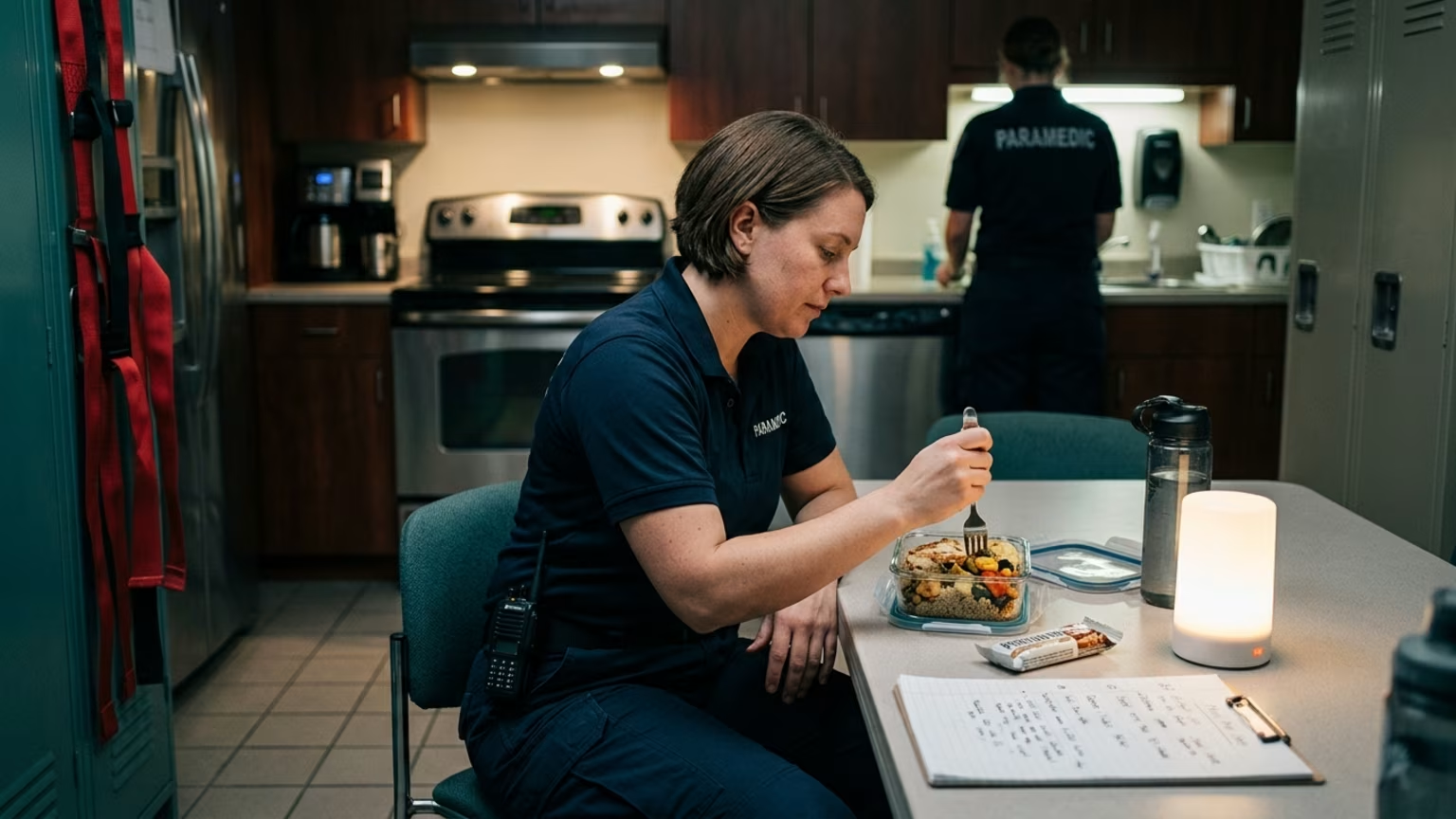

Learn how to sustain physical and cognitive energy during demanding first-responder shifts with practical nutrition, hydration, and timed caffeine strategies.





What is the most reliable way to maintain physical and cognitive energy during an unpredictable first-responder shift? You build a baseline of adequate sleep before relying on strategically timed meals, targeted hydration, and limited caffeine.
Many emergency personnel look for a single diet protocol to solve mid-shift fatigue. The reality of emergency work demands a layered approach to energy management. A single nutritional intervention cannot replace the combined effects of rest and proper fueling. Maintaining high performance requires treating your sleep opportunity as the primary foundation.
Relying on energy drinks to power through a long rotation only masks underlying exhaustion. True operational readiness comes from giving your body the raw materials it needs to perform. Proper fueling requires planning ahead so you have the right nutrients available. Food acts as the structural support for a nervous system that is already taxed by the job.
A structured approach to shift nutrition works by addressing multiple biological demands simultaneously. Carbohydrates provide readily available glycogen for intense physical efforts like advancing hose lines or carrying patients. Protein acts as a structural tool to repair tissue damage and support physical readiness. Proper hydration regulates core temperature and cardiovascular function during heavy exertion.
When work schedules disrupt standard meal times, sleep deprivation compounds the physical stress. Paramedic-specific evidence identifies insomnia and fatigue as important occupational concerns. A study titled Insomnia, Fatigue, and Comorbidity with Mental Disorder Symptoms Among Paramedics in Ontario, Canada focuses specifically on those problems in Ontario paramedics. Chronic sleep restriction impairs judgment and slows physical reaction times.
No nutritional strategy can fully replace missed rest. Food and caffeine are simply support mechanisms for a well-rested responder. A 2026 systematic review specifically addresses nutrition interventions for shift workers, indicating that nutrition and shift-work performance remain active research topics. Understanding how to balance these inputs helps maintain performance across a long career.
The value of sleep for operational execution is well documented in high-stress medical environments. In a critical-care simulation study, medical residents given a nap opportunity scored 14.8 points higher in clinical performance than controls. The study also reported higher nontechnical-skill scores, including leadership and resource utilization, after a nap opportunity. This biological support helps preserve cognitive clarity when critical decisions matter most.
A firefighter-athlete nutrition guide recommends carbohydrate-containing foods before and between demanding efforts. The guide also recommends combining carbohydrates with protein two to three hours before competition or demanding activity to provide energy while limiting digestive discomfort. This combination helps stabilize blood sugar and prevents rapid energy drops. Options like oats, rice, and whole-grain bread offer practical fuel for sustained exertion.
Emergency service work rarely allows for perfectly timed meals. A tactical-nutrition practitioner recommends preparing a portable "go-bag" of shelf-stable foods, planning two meals ahead, and using caffeine earlier in the shift. Relying on vending machines or fast food often leads to poor nutrient quality and subsequent lethargy. Portable options like tuna pouches, jerky, and protein bars help bridge the gap.
Carbohydrate needs depend entirely on your specific workload and environmental conditions. A police officer working a sedentary patrol has different energy demands than a firefighter operating in high heat. During extended incidents, small carbohydrate snacks can sustain output when a full meal is impossible. Distributing these practical meal strategies across the day supports consistent physical capability.
Protein should be spread evenly throughout the day to support ongoing muscle maintenance. Consuming a massive protein-heavy meal during a shift can cause uncomfortable digestive sluggishness. Lighter meals keep you ready for sudden physical demands without overloading your stomach. This balanced pacing prevents the heavy lethargy that often follows poor dietary choices on duty.
Preparing food ahead of time eliminates the stress of finding decent options on shift. Bringing cooked chicken, rice, and vegetables in sealed containers provides high-quality nutrition when calls stack up. This proactive approach stops you from eating heavy takeout meals that induce extreme drowsiness. Controlling your own food supply gives you a distinct operational advantage during chaotic shifts.
First-responder guidance consistently frames caffeine use as a timing issue rather than a replacement for food or sleep. Using stimulants late in a rotation can severely disrupt your upcoming recovery window. A first-responder snack article citing NIOSH fatigue guidance recommends avoiding caffeine at least five hours before bedtime, with a longer cutoff for people who are more sensitive. This cutoff is critical for night-shift personnel who must sleep during daylight hours.
Firefighter Nation recommends using coffee for alertness, not as the main fluid source, and keeping total caffeine under approximately 400 milligrams per day. Consuming moderate amounts of coffee can safely support cognitive clarity during long rotations. Escalating your intake to chase every dip in alertness only masks dangerous fatigue levels. If exhaustion impairs your judgment or physical coordination, you need rest rather than another stimulant.
Strategic stimulant use supports first responder training around shift work when applied correctly. Consuming caffeine early or mid-shift provides an alertness benefit while allowing your body to clear the compound. Relying on heavily caffeinated energy drinks often leads to disrupted sleep cycles. Protecting your sleep opportunity remains the most effective way to recover for your next tour.
Rotating shifts make caffeine management particularly difficult. Switching from days to nights often tempts personnel to consume massive amounts of energy drinks. This strategy usually results in fragmented sleep during the day and subsequent exhaustion on the next shift. Adhering to the five-hour cutoff rule helps protect your necessary daytime rest period.
Fluid intake plays a massive role in maintaining physical capability and cognitive focus. The Minnesota Firefighter Initiative advises firefighters to drink regularly, keep water available in an assigned unit or vehicle, and begin the day with approximately 16 to 24 ounces of fluid. The organization also repeats general daily fluid targets of 2.7 liters for women and 3.7 liters for men. These targets serve as broad population guidance rather than individualized fireground prescriptions.
Working in heavy protective equipment accelerates fluid loss rapidly. You should adapt your hydration strategy to your specific work environment and sweat rate. Steady fluid intake proves especially critical during intense heat exposure or extended physical operations. While plain water serves as the foundation, electrolytes become useful after significant sweat loss.
Many responders assume that all caffeinated beverages cause dehydration. Research indicates that normal coffee consumption can actually contribute to hydration when consumed in appropriate amounts. Water should remain your primary hydration tool, and coffee should be used selectively for mental clarity. Preventing severe thirst prevents the physical decline that accompanies serious dehydration.
Carrying a dedicated water bottle on your apparatus makes consistent hydration much easier. Waiting until you feel intensely thirsty means you have already fallen behind your biological needs. Properly balanced hydration keeps your core temperature regulated during strenuous emergency responses. This fundamental practice directly supports both immediate decision-making and physical stamina.
The physical wear of irregular shifts accumulates over decades of emergency service. Failing to manage nutrition and sleep during your career can lead to metabolic issues and chronic fatigue in retirement. Poor fueling habits often translate directly into reduced physical capacity as you age. Protecting your baseline health now directly influences your career longevity and life after service.
Physical capability requires a combination of adequate nutrition and structured activity. A 2026 systematic review reported that structured, occupation-specific firefighter training programs were associated with better performance in simulated fireground tasks. Maintaining that performance relies heavily on consistent protein intake and carbohydrate availability. You cannot sustain a high physical output for twenty years without deliberate recovery practices.
Transitioning to civilian life often requires rebuilding daily routines from scratch. Personnel who learn to manage their energy through food and sleep find this transition much smoother. Treating your body as a depreciating asset only leads to eventual breakdown. Building sustainable habits today protects your physical independence long after you turn in your gear.
Many retired responders struggle with weight gain and joint pain after their service ends. Establishing a strong nutritional framework during your active years prevents many of these common physical declines. Healthy metabolic function supports healthy hormone levels and a robust immune system. Your long-term quality of life depends entirely on the daily choices you make on duty.
Mastering your shift nutrition is only one part of sustaining a long emergency service career. Proper fueling gives you the biological foundation to handle high-stress environments. You must also consider how prolonged physical load affects your joints and tissues over time. Deliberate physical training supports your body alongside your daily food intake.
Read Low-Impact Conditioning Options for First Responders: A Practical Decision Framework for Longevity and Duty Readiness to build a training routine that protects your joints. Learning to train intelligently prevents accumulating unnecessary fatigue between heavy shifts. Structuring your workouts properly complements a strong nutritional approach. A balanced physical program keeps you highly capable without running your body into the ground.
Unit commanders and field supervisors regularly face the challenge of keeping crews fueled during unpredictable operational tempos, but maintaining steady energy becomes achievable when Rescuris structures the approach. Balancing strength, endurance, mobility and body composition across a demanding career requires more than generic diet advice, and we equip emergency professionals to sustain their capability over the long term. Explore Resources
Rescuris publishes evidence-aware guidance for firefighters, police officers, paramedics and other first responders on fitness, recovery, sleep, nutrition, stress resilience and long-term capability.






Read practical guidance on first responder fitness, recovery, sleep, nutrition and resilience for demanding work and a long, active career.
read the blog
