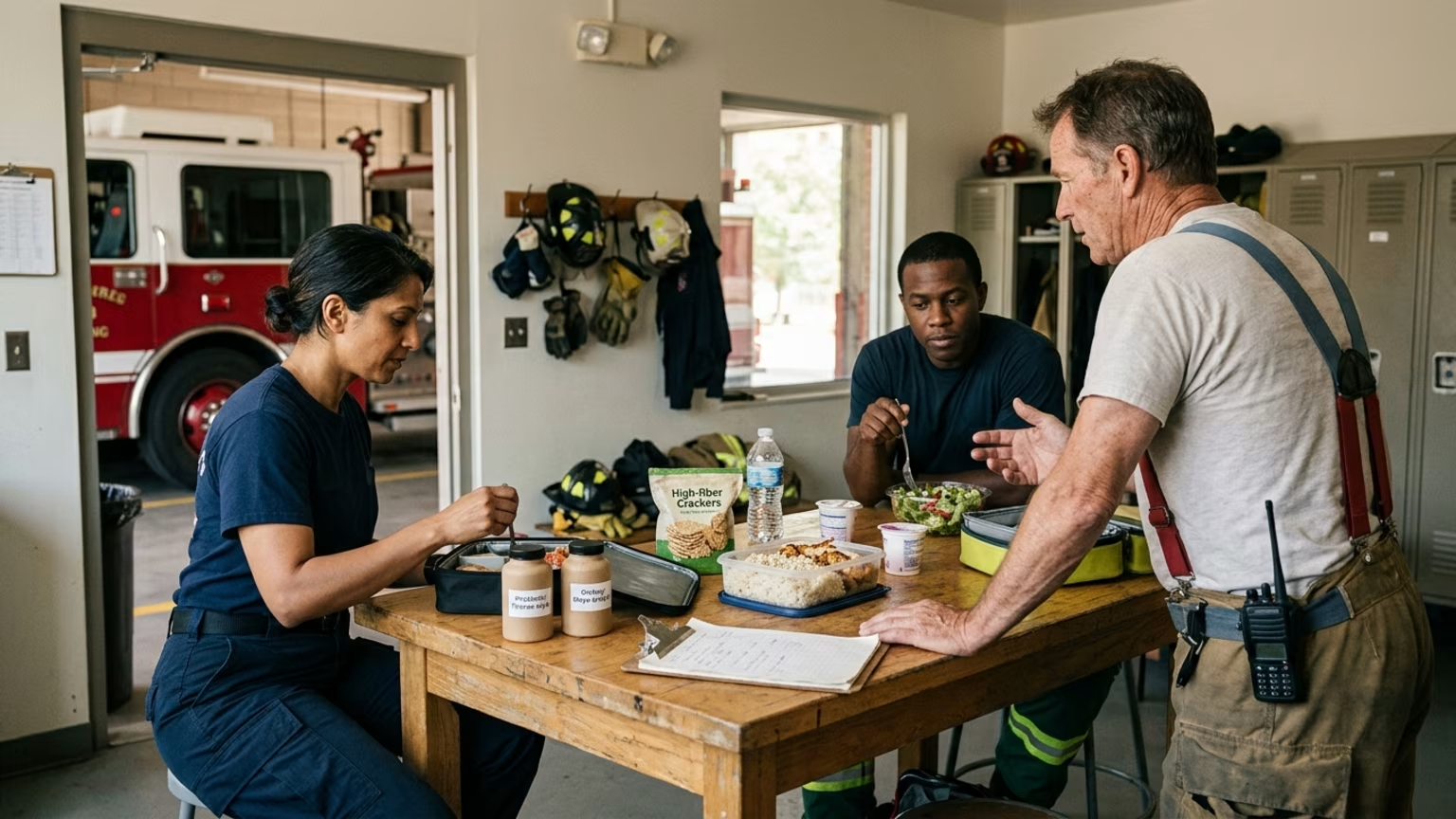

Evaluating Thorne and Mayo Clinic guidance on gut health for first responders. Learn why sustainable habits, not quick detoxes, support shift-work digestion.





On September 21, 2026, Thorne published a gut-health article on its Take 5 Daily site bylined to Brent Bauer, MD, of Mayo Clinic. The publication argues that lasting gut-health changes are better pursued through consistent habits rather than a quick detox.
The central takeaway from the Thorne publication is that extreme resets do not reliably improve digestive health. Bauer states that the gut microbiome responds primarily to everyday dietary patterns over time. Attempting to force changes through short-term restrictive cleanses often fails to produce lasting physiological benefits. True digestive stability requires the slow integration of supportive nutrients across daily meals.
Fiber intake represents a significant gap in standard daily habits across the population. The article reports that more than 90% of U.S. women and 97% of U.S. men fall short of recommended fiber intake. Addressing this massive deficit requires intentional adjustments to standard meal planning. The guidance prioritizes plant-food variety as the primary mechanism for supporting microbial health.
Specific foods provide necessary compounds like prebiotics and polyphenols to support the gut. The Thorne article identifies onions, garlic, and leeks as practical options. Asparagus also serves as a recommended vegetable for daily consumption. Oats, legumes, and berries also deliver substantial digestive support when eaten regularly. Incorporating additional options like whole grains and nuts provides necessary plant diversity. Seeds, herbs, and spices also deliver the foundational elements required for microbial health.
However, the guidance strictly advises against sudden dietary shifts when trying to correct this deficit. A rapid increase in fiber can cause bloating, gas, and abdominal discomfort. The digestive tract needs adequate time to process new volumes of plant material. Adding large amounts of fiber abruptly often disrupts normal bowel habits and creates temporary distress.
Physical activity levels also directly influence microbial diversity and overall digestive capability. The article links regular, moderate exercise with positive outcomes for general gut function. Moving the body consistently helps maintain proper physical systems and supports daily physiological cycles. Conversely, the guidance cautions that prolonged high-intensity exercise can actually add excessive stress to the gut.
The guidance also connects sleep and psychological state to digestive health outcomes. The article links chronic psychological stress with negative changes in gut function and microbiome measures. Furthermore, poor or irregular sleep correlates directly with similar functional changes. Bauer suggests stress-reduction activities and a consistent sleep routine to build lasting resilience.
Emergency personnel operate under conditions that routinely compromise optimal digestion and recovery. The Thorne article highlights the connection between chronic psychological stress and negative gut function. First responders face acute occupational stress during critical calls and chronic stress from heavy operational demands. This combined psychological load makes careful digestive management critical for long-term physiological health.
Disrupted sleep patterns present another massive barrier to the routines recommended by the article. The guidance points to poor or irregular rest as a direct factor in altered gut function. Night shifts and interrupted rest periods prevent the body from maintaining a natural circadian digestive rhythm. Professionals reviewing their digestive health and nutrition for first responders must account for these unavoidable operational disruptions.
The specific caution regarding high-intensity exercise holds deep relevance for the emergency services. First responders routinely engage in severe physical exertion while wearing heavy protective equipment. A prolonged fireground operation or a complicated medical extraction represents an intense physical load. Adding aggressive physical conditioning immediately after these events might severely compound total gut stress.
Personnel should prioritize moderate activity during periods of heavy operational fatigue or extended shifts. Moderate exercise supports microbial diversity without overwhelming an already taxed physiological system. Active recovery days provide a safer opportunity to maintain baseline fitness while protecting digestive function. Crews can integrate fatigue-resilient team practices to better manage their overall occupational load.
Translating this general guidance into field practice requires realistic expectations from the reader. The Thorne publication does not provide a specialized protocol for first responders or shift workers. It does not test these dietary practices on individuals working unpredictable or rotating schedules. Personnel must adapt the foundational concepts to fit their specific operational realities without causing duty interference.
The commercial health sector frequently promotes intense cleanses to rapidly fix digestive issues. The Thorne publication overturns the assumption that a sudden detox can completely reset the gut microbiome. Bauer indicates that lasting functional changes rely on practical habits maintained consistently over months and years. A three-day juice cleanse cannot reverse the cumulative effects of chronic shift-work stress.
This perspective challenges the severe restrictions many professionals apply toward their own nutrition. Responders often attempt extreme diets to quickly offset poor dietary choices made during chaotic long shifts. The guidance suggests that these severe dietary corrections are both unnecessary and physically ineffective. Gradual improvements in meal quality yield far better results than brief periods of intense restriction.
The article also reframes the necessity of fermented foods for maintaining daily gut health. Fermented products receive significant attention in general wellness advice for their dense microbial content. However, the publication describes these foods as strictly optional rather than universally necessary for everyone. Microbial content varies drastically between different products, brands, and processing methods.
Benefits from fermented foods differ widely by the specific food and the individual consumer. Some people experience distinct digestive problems when attempting to force them into their daily diet. The guidance notes that individuals can fully support their gut health without ever consuming fermented items. This flexibility allows first responders to build practical diets without relying on heavily marketed trends.
Implementing this guidance requires careful adjustments that respect the immediate demands of emergency response. The most practical initial step is to increase fiber-containing foods very gradually over time. Sudden additions of raw legumes or fibrous vegetables can cause severe abdominal discomfort during an active shift. Gradual additions allow the digestive system time to adapt without compromising duty readiness.
Personnel can start by adding single portions of tolerable items to their regular meals. Adding simple options like oats, berries, or nuts provides necessary plant diversity with minimal risk. Tracking individual digestive responses is necessary when making any new dietary additions while on duty. There is no single ideal microbiome composition that identically applies to everyone in the field.
An intervention that works perfectly for one officer might cause severe bloating for a paramedic partner. First responders might benefit from a basic nutrition experiment to identify their own optimal food choices. Managing exercise intensity around shift schedules represents another immediate adjustment personnel can control. Responders should carefully evaluate their planned physical training against their recent occupational exertion levels.
If a responder spent several hours on a demanding call, they should default to moderate physical activity. This conservative approach limits the compounding stress placed on the vulnerable digestive system. Personnel can establish a rigid sleep routine during their off days to build a functional baseline. Engaging in specific stress-reduction activities before attempting to sleep can help stabilize gut function over time.
The current guidance provides a highly sensible framework for general lifestyle and health management. However, emergency personnel must carefully recognize the distinct limits of general population medical research. The Thorne article is not a study of firefighters, police officers, paramedics, or EMTs. It does not establish that these habits will treat specific job-related disorders or guarantee performance improvements.
Future research needs to directly evaluate the interaction between extreme shift work and overall nutrient absorption. We need to understand how the body actually processes dietary fiber during sustained overnight operations. It is critical to investigate how disrupted circadian rhythms alter the promised benefits of moderate exercise. General wellness advice rarely accounts for the deep physiological toll of chronic sleep deprivation.
Readers must also evaluate the surrounding commercial context in modern health and wellness publications. The Thorne article includes a specific section mentioning their FiberMend and Complete Biotic products. First responders should distinguish the practical, evidence-based dietary advice from the supplemental product marketing. Sustainable health practices do not inherently require the purchase of specialized commercial supplements.
As nutritional research evolves, emergency service professionals should track studies focused specifically on occupational health. Reliable evidence will eventually map the exact physical relationships between shift schedules and long-term digestive resilience. Until then, professionals can review comprehensive meal timing for rotating shifts guidance to properly refine their daily approach. Maintaining a balanced, informed perspective prevents dietary burnout and supports a long, capable career in the field.
Establishing a consistent digestive foundation allows professionals to better manage the physical wear that accumulates across years of service. Recovering from accumulated physical wear without losing duty readiness requires structural frameworks that respect the realities of irregular shifts, and Rescuris provides evidence-led guidance to help emergency personnel maintain capability over time.
Rescuris publishes evidence-aware guidance for firefighters, police officers, paramedics and other first responders on fitness, recovery, sleep, nutrition, stress resilience and long-term capability.






Read practical guidance on first responder fitness, recovery, sleep, nutrition and resilience for demanding work and a long, active career.
read the blog
