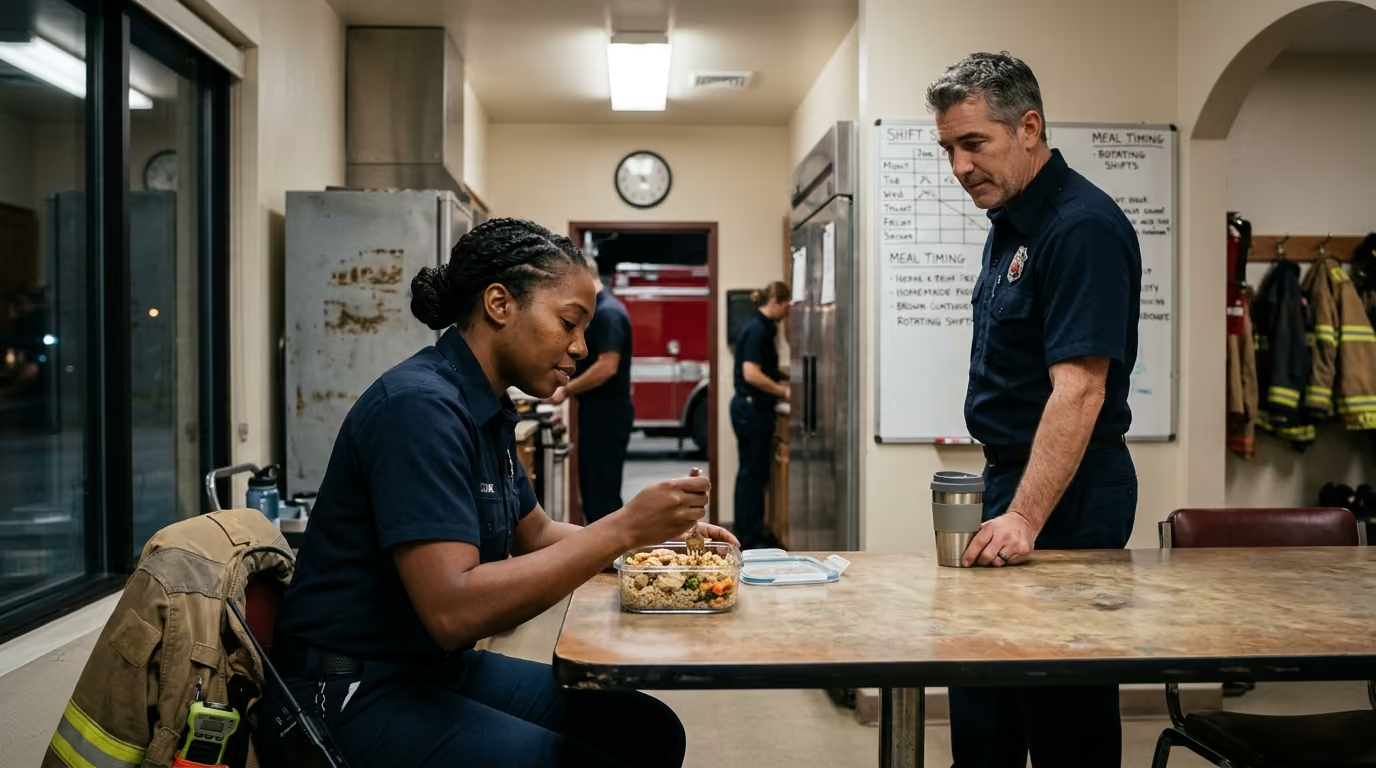

Four evidence-based nutrition pillars help first responders time meals, coordinate caffeine, and protect metabolic health across rotating day, evening, and night shifts.





The most common advice given to shift workers is to stop eating after dark. Mainstream chrononutrition tells personnel that any calorie consumed past midnight will lead to rapid metabolic dysfunction. For an emergency medical technician running back-to-back calls at 3:00 a.m. or a firefighter pulling a hose line through heavy smoke, strict fasting rules can compromise basic performance. When acute physical demands strike during the biological night, an empty fuel tank creates sudden fatigue, cognitive slowing, and physical failure.
A workable nutrition strategy cannot rely on rigid clock times. It must treat meal timing as an operational tool that balances internal circadian rhythms against the physical realities of the job.
Emergency responders need an adaptable framework. The goal is to place the largest, most carbohydrate-dense meals during active wakefulness and demanding work, while keeping overnight food light, functional, and protective of daytime recovery.
Circadian biology dictates how the human body processes food across twenty-four hours. Central pacemakers in the brain coordinate with peripheral clocks in the liver, pancreas, gut, and skeletal muscle. When light enters the eyes, the brain signals wakefulness and prepares metabolic organs to process nutrients efficiently. During the biological day, insulin sensitivity remains higher, and the gastrointestinal tract clears food with minimal distress.
When wakefulness shifts into the biological night, these systems change. The body naturally reduces insulin secretion and slows down gastric motility. Controlled laboratory studies demonstrate that consuming substantial meals during simulated night work impairs glucose tolerance. In multiple feeding trials, nighttime meals produced higher postprandial glucose peaks and delayed clearance compared to identical daytime meals. Research indicates that eating large meals during simulated night shifts can produce an increase of roughly 30 percent in glucose area under the curve.
The evidence separating daytime and nighttime metabolic processing is robust in controlled laboratory environments. When healthy adults are kept awake in simulated shift-work protocols, eating overnight disrupts peripheral metabolic rhythms. Restricting food intake to the biological day prevents this internal circadian misalignment. This research provides strong evidence that the human body prefers to process the bulk of its calories while the sun is up.
The evidence becomes mixed when translated to real-world shift work. Observational data consistently associate night-shift work with increased cardiometabolic risks, higher rates of gastrointestinal distress, and elevated markers of systemic inflammation. However, real shift workers experience chronic sleep restriction, irregular physical loads, emotional stress, and altered dietary quality. These confounding variables make it impossible to blame meal timing alone for long-term health risks.
Clinical trials on time-restricted eating among active shift workers remain small and limited. While brief eating windows help reduce uncontrolled grazing, they do not automatically fix poor sleep or prevent fatigue. The evidence justifies a cautious, circadian-aware approach rather than an extreme fasting protocol. Personnel should minimize unnecessary large meals during biological night, but they should never force rigid fasts through heavy physical calls.
First responder work does not happen in a quiet metabolic laboratory. Firefighters, police officers, paramedics, and dispatchers face rapid shifts in operational tempo. A sedentary night at a station can turn into hours of heavy exertion inside protective equipment within minutes. This unpredictable workload changes how nutritional principles must be applied on duty.
When an alarm sounds, the sympathetic nervous system triggers an immediate surge of adrenaline and cortisol. Blood flow moves away from the stomach and intestines toward the heart, lungs, and skeletal muscle. If a responder has just eaten a heavy, high-fat meal, this sudden shift in circulation causes severe gastric distress, reflux, and nausea. Conversely, if a responder has practiced strict water fasting for twelve hours before a multi-alarm fire, glycogen depletion occurs rapidly.
Turnout gear and ballistic vests trap body heat, raising core temperature and driving up sweat rates. High ambient heat increases carbohydrate oxidation rates in active muscles. Under these conditions, the body burns through circulating glucose and liver glycogen at an accelerated pace. A paramedic carrying equipment up multiple flights of stairs or a firefighter performing roof ventilation cannot rely on slow fat oxidation alone. Operational readiness demands immediate, accessible fuel.
Understanding circadian timing and shift length helps personnel anticipate these physiological strains. When long shifts collide with delayed sleep windows, hunger hormones become dysregulated. Sleep deprivation raises circulating ghrelin, the hormone that stimulates appetite, while suppressing leptin, which signals fullness. This hormonal shift drives cravings for refined sugars and dense fats during the early morning hours. Recognizing this biological drive helps responders differentiate true operational energy needs from sleep-deprived craving cycles.
To maintain physical readiness and long-term metabolic health, personnel need a practical system. Rather than following a rigid diet, responders can organize their intake around four functional pillars. These four decisions provide structure while allowing complete flexibility for unexpected calls.
The anchor pillar establishes the primary nutritional base during the responder's main waking period. This is the first substantial meal consumed after waking, regardless of what the clock says. For a day worker, this occurs in the early morning. For a night worker, this anchor meal happens in the late afternoon or early evening before reporting for duty.
The anchor meal should supply adequate protein, complex carbohydrates, and moderate healthy fats. Because it is consumed during wakefulness, the body processes these nutrients under better insulin sensitivity. Establishing a consistent anchor meal stabilizes blood sugar, blunts extreme hunger spikes later in the shift, and prevents impulsive station snacking. Responders who build a solid baseline using a structured first responder shift nutrition framework maintain far better dietary control across their entire rotation.
The fuel pillar matches carbohydrate and calorie intake to actual operational demands. Carbohydrates serve as the primary fuel for high-intensity physical efforts, prolonged extrications, and sustained tactical operations. Restricting carbohydrates during demanding work compromises muscle power, reaction time, and decision-making clarity.
Personnel should supply fuel before and during known periods of high output. If a training drill or strenuous physical call is scheduled, easily digestible carbohydrates provide rapid energy without gastrointestinal burden. During quiet periods or desk-bound duties, carbohydrate density can be scaled down. The fuel pillar ensures energy is available when lives depend on physical capability, without overfeeding sedentary downtime.
The protect pillar shields the upcoming sleep episode from nutritional interference. What and when a responder eats directly impacts sleep architecture, sleep latency, and nighttime awakenings. Consuming a large, high-fat, or heavily spiced meal immediately before bed increases core body temperature and promotes acid reflux.
To protect sleep, the final meal before a major rest period should be moderate in volume and easy to digest. CDC and NIOSH guidelines advise avoiding heavy meals within two to three hours of sleep. However, going to bed aggressively hungry also disrupts sleep, causing early awakenings from cortisol spikes. The protect pillar balances these extremes by using small, targeted snacks when necessary to support uninterrupted rest.
The recover pillar focuses on tissue repair, glycogen restoration, and systemic rehydration after heavy duty or intense training. When a demanding call or high-volume physical training session finishes, the body requires raw materials to rebuild. Postponing recovery nutrition entirely because of an arbitrary fasting window impairs muscle adaptation and prolongs soreness.
Recovery intake must be scaled to the physical work performed. A quiet shift requires minimal post-shift calories, while a grueling overnight commercial fire requires substantial protein and carbohydrate replenishment. Distributing quality protein evenly across waking hours supports muscle protein synthesis across a long career. Hydration and electrolyte recovery must also begin immediately, replacing fluid losses incurred while wearing heavy equipment.
Applying the four pillars requires adapting to the distinct demands of day, evening, night, and extended 24-hour shifts. Each schedule creates different metabolic and digestive challenges that require specific adjustments.
Day shifts present challenges with rushed morning routines, skipped breakfasts, and heavy mid-day lunches. Early alarms often lead responders to rely solely on coffee until mid-day. When lunch finally arrives, hunger triggers the selection of large, refined-carbohydrate meals from station pantries or fast-food outlets. This pattern causes a rapid blood sugar spike followed by an afternoon energy crash, reducing alertness during emergency responses.
A practical day-shift structure distributes fuel steadily across the morning and afternoon:
Evening or swing shifts (typically 15:00 to 23:00 or 16:00 to 02:00) disrupt typical family meal patterns. Responders often wake late, train in the late morning, and arrive home past midnight with severe hunger. Eating a large, hot meal at 01:30 right before lying down frequently leads to gastrointestinal reflux and poor sleep efficiency.
An effective evening-shift strategy places the largest meals before and during the early portion of the shift:
Night shifts (typically 19:00 to 07:00) present the greatest circadian challenge. The body operates in direct opposition to its natural biological clock. Controlled research on eating during night shifts and circadian alignment confirms that the gut processes heavy meals poorly between midnight and 06:00. Consuming large meals during this window impairs insulin sensitivity and causes significant gastrointestinal distress.
A field-tested night-shift structure keeps calories aligned with metabolic tolerance:
Extended tours combine all shift challenges into a continuous operational block. Station dining culture often centers on massive communal evening meals followed by unplanned overnight snacking during call recoveries. On busy nights, crews often swing between prolonged under-fueling and sudden overeating.
A systematic approach to extended tours balances station meals with individual readiness:
Meal timing cannot be separated from fluid and stimulant intake. Dehydration mimics acute fatigue, decreases cognitive function, and worsens cardiovascular strain during heavy work. Conversely, poorly timed fluid intake disrupts critical sleep episodes through frequent nighttime awakenings.
Baseline hydration requirements vary based on climate, gear use, and individual sweat rates. General guidance suggests consuming roughly half an ounce of water per pound of body weight daily as a baseline. When personnel operate in structural turnout gear, sweat rates can exceed one to two liters per hour. Under these conditions, water alone is insufficient. Responders must consume electrolyte solutions containing sodium and potassium to maintain plasma volume and avoid cramping.
Hydration timing must respect sleep windows. NIOSH recommends reducing large fluid boluses in the final two hours before planned sleep. Personnel should hydrate aggressively throughout their active shift and taper volume before bed. This practice minimizes nocturnal trips to the bathroom, preserving consolidated slow-wave sleep.
Caffeine is a valuable operational countermeasure for fatigue, but its misuse creates severe downstream sleep disruption. Caffeine has an average elimination half-life of five to six hours in healthy adults. A high-dose energy drink or strong coffee consumed at 03:00 will still exert central nervous system stimulation at 09:00. This lingering stimulant activity reduces total sleep time and fragments deep restorative sleep stages.
Responders can optimize stimulant use by following tactical rules:
Personnel seeking a deeper dive into stimulant protocols can review detailed strategies for managing caffeine on night duty to maintain vigilance without sacrificing subsequent rest.
Rotating-shift personnel frequently fall into recurring nutritional traps. These mistakes stem from applying conventional nine-to-five dietary rules to an irregular operating environment. Identifying these pitfalls helps personnel maintain sustainable habits across an entire career.
Some responders attempt absolute twelve-hour fasts during night shifts because of laboratory chrononutrition studies. When a prolonged, physically demanding rescue call occurs at 03:00, they experience sudden lightheadedness, tremors, and severe mental fatigue. Fasting should never take priority over acute physical capability or crew safety. If operational demand spikes, consume accessible carbohydrates immediately, then return to normal timing once the call concludes.
Emergency stations are notoriously filled with pastries, chips, cookies, and processed snacks. Personnel frequently graze on these items out of boredom, fatigue, or stress rather than true physiological hunger. This continuous snacking keeps insulin continuously elevated and adds hundreds of low-quality calories across a shift. Responders should establish clear meal boundaries, keep high-quality food visible, and store junk food out of sight.
Crews ending a long night shift or a grueling 24-hour tour frequently visit local diners for heavy breakfasts of pancakes, fried meats, and hash browns. Consuming massive, high-fat meals right before daytime sleep causes severe digestive distress, worsens acid reflux, and fragments recovery rest. Save celebratory crew breakfasts for days off or occasions when immediate sleep is not required. When heading home to rest, keep intake light, balanced, and sleep-compatible.
When duty fatigue builds, personnel often substitute large energy drinks or pots of coffee for real food. While caffeine temporarily masks feelings of exhaustion, it provides zero cellular energy, amino acids, or micronutrients. This habit leads to elevated cortisol, adrenal strain, and rebound binge eating later in the day. Stimulants should supplement a solid nutritional foundation, never replace real food.
Protecting daytime recovery requires integrating meal timing directly into a comprehensive shift-specific sleep planning routine. Aligning your stomach with your sleep schedule is one of the most effective ways to secure deep, uninterrupted recovery sleep.
Adjusting meal timing, practicing time-restricted eating, or shifting macronutrient distribution introduces physiological trade-offs. Responders must recognize when strict dietary rules become unsafe for operational duty. Individual tolerance varies widely based on age, medical history, metabolic health, and baseline physical conditioning.
Never allow an aggressive fasting or meal-timing protocol to compromise operational safety:
Eating plans must always bend to operational requirements and baseline physical safety. No dietary philosophy is worth an accident on the roadway or a collapse on the fireground.
While general frameworks provide valuable structure, complex health challenges require individualized clinical assessment. Shift work places unique strains on human physiology, often unmasking latent medical conditions or accelerating metabolic disease. Responders should recognize when self-management reaches its limit.
Consult a licensed healthcare professional, such as a registered dietitian, physician, or gastroenterologist, under the following circumstances:
For broader resources on building lifelong resilience, explore our comprehensive library of nutrition and body composition resources designed specifically for emergency service personnel.
Mastering meal timing across an unpredictable shift-work career is not about achieving dietary perfection. It is about reducing unnecessary metabolic friction, fueling demanding physical operations, and protecting the sleep windows that sustain your capability.
Sustainable capability across a decades-long emergency services career depends on working with your biology rather than fighting it. By aligning your nutrition with your operational tempo and sleep needs, you protect your health on duty and safeguard your vitality for the years after service.
Stay connected for research-led guidance on duty fitness, shift-work sleep, injury recovery, stress, nutrition and career longevity. Practical ideas for first responders who want to stay capable on the job, recover well and protect their health for the long run.



Read practical guidance on first responder fitness, recovery, sleep, nutrition and resilience for demanding work and a long, active career.
read the blog



