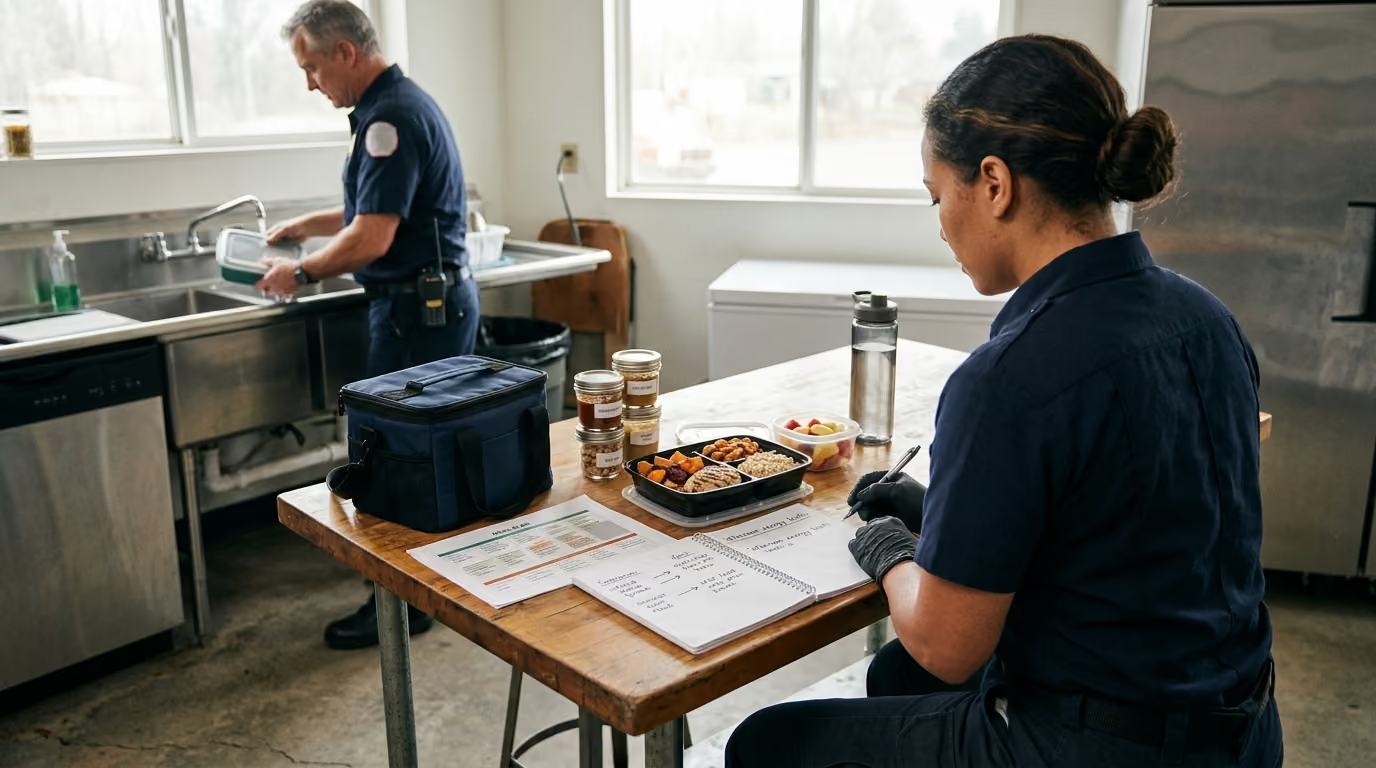

Standard meal plans assume uniform metabolic responses, but structured self-experimentation helps first responders identify the optimal foods for shift work performance and recovery.





A structured food-response experiment is a systematic method for tracking how specific meals, portions, and meal timings affect your body during shift work. It is not an extreme elimination diet, a rigid set of moral food rules, or a commercial detox protocol.
Instead of declaring foods universally clean or toxic, this approach treats your daily nutrition as a series of controlled observations. By identifying how different foods influence your alertness, digestive comfort, appetite, physical output, and sleep, you can build an adaptable fueling strategy tailored to the demands of emergency service.
Nutritional science demonstrates that people process identical foods in remarkably different ways. Research published in Cell by Zeevi and colleagues continuously tracked glucose levels in 800 individuals across tens of thousands of meals. The researchers observed high person-to-person variability in post-meal blood sugar levels after eating standardized meals with identical carbohydrate amounts.
Their findings confirmed that a single universal diet cannot produce identical metabolic outcomes for everyone. Body composition, physical activity, sleep patterns, and the individual gut microbiome all shape how a person metabolizes a meal.
However, scientific evidence also cautions against turning personalized nutrition into unnecessary dietary restriction. An isolated blood sugar rise or a single bout of digestive distress does not automatically mean a food is harmful. True food allergies involving immunoglobulin E (IgE) are distinct clinical conditions that trigger rapid immune reactions. Most day-to-day digestive or energy complaints stem from meal size, rapid consumption, poor hydration, operational stress, or circadian disruption.
Current consensus in occupational and sports nutrition suggests establishing a predictable baseline first. Once baseline nutrition is steady, individuals can test specific foods using repeated observations under similar conditions. This separates reliable patterns from random noise caused by operational chaos.
First responders face physiological demands that fundamentally alter digestive physiology. When you transition from a regular routine to a night rotation or a 24-hour shift, your central circadian clock falls out of sync with your peripheral organs.
During nighttime hours, insulin sensitivity declines and digestive motility slows down. A high-carbohydrate, high-fat meal that causes no issues during a daytime rest day can trigger severe heartburn, lethargy, and bloating when eaten at 0200. The problem in that scenario is rarely the food itself. The issue is the biological timing of the digestive system. Exploring practical eating windows for shift work can help mitigate some of this circadian mismatch.
Operational stress creates a similar physiological distortion. High-stress calls activate the sympathetic nervous system, shifting blood flow away from the stomach and intestines toward skeletal muscle. Eating a heavy meal immediately after a critical incident or wolfing down food between calls almost guarantees gastrointestinal distress.
When evaluating a food reaction, you must account for the operational environment. You must ask whether the food caused the symptom, or whether the symptom resulted from stress hormones, rapid eating, dehydration, and exhaustion.
To build a reliable system, you must learn to separate underlying food intolerance from operational friction. You can do this by examining your reactions across five distinct performance areas.
To run an effective personal nutrition experiment, you must replace vague impressions with measurable operational outcomes. A meal should be evaluated by how well it supports your ability to perform on duty and recover at home.
Tracking five specific domains provides a clear picture of how food choices affect your body across a full shift cycle.
Alertness on duty requires sustained cognitive processing without sharp peaks and valleys. When testing a meal, record your focus and mental clarity at 30, 90, and 180 minutes after eating.
Notice whether a meal produces sustained focus or heavy lethargy that forces you to rely on stimulants. High-glycemic meals consumed during quiet periods can lead to rapid post-meal sleepiness. Conversely, balanced meals combining protein, complex carbohydrates, and moderate fat tend to support steady cognitive performance.
Gastrointestinal distress can compromise safety during critical calls. Track specific symptoms including upper stomach fullness, acid reflux, lower abdominal cramping, gas, and sudden bowel urgency.
Note the time elapsed between eating and the onset of symptoms. Upper digestive issues like heartburn often appear within an hour, whereas lower bowel discomfort may emerge several hours later. Distinguish between isolated incidents caused by eating too fast and repeatable patterns triggered by specific ingredients.
Satiety is essential when call volume prevents predictable meal breaks. A meal that leaves you ravenously hungry ninety minutes later creates an unnecessary operational vulnerability.
Track how long a meal keeps you comfortably satisfied without mental distraction. Distinguish between true physical hunger, which develops gradually, and reward-driven cravings triggered by fatigue or stress. Meals containing adequate dietary protein and fiber generally provide longer satiety windows than refined convenience foods.
Physical readiness requires adequate muscle glycogen and cellular hydration. Assess your physical capacity during workouts or physical tasks on duty.
Record metrics such as perceived exertion, grip strength, muscular endurance, and recovery between intense efforts. A low-carbohydrate meal might support stable daytime alertness during desk tasks, but it may cause premature fatigue during hose-drags, heavy carries, or high-intensity interval training. Using a comprehensive nutrition framework for shifts helps you align food composition with your planned physical workload.
Nutrition directly influences sleep onset and sleep architecture. This domain is critical when attempting to sleep during daylight hours after a night shift.
Record how long it takes to fall asleep, nighttime awakenings, acid reflux episodes while lying flat, and overall sleep quality. Large, high-fat meals eaten immediately before bed can disrupt core temperature cooling and fragment your sleep. The National Institute for Occupational Safety and Health (NIOSH) recommends avoiding heavy meals one to two hours before main sleep episodes.
An N-of-1 experiment is a structured personal trial where you compare two specific options across multiple occasions. Rather than relying on guesswork, you test one variable while keeping other factors as consistent as possible.
Following a phased process prevents common testing mistakes and ensures your conclusions are based on repeatable data.
Spend ten to fourteen days logging your current eating patterns without making aggressive changes. A representative food diary must capture what you consume, approximate portion sizes, fluid intake, and the timing of meals.
Record your shift schedule, total sleep duration, and physical training alongside your food log. NHS clinical diary protocols recommend noting stress levels and eating speed during meals. A solid baseline reveals your existing habits and shows whether symptoms correlate with food choices or overall fatigue.
Select one specific problem to solve. Broad, unfocused questions such as "Why am I tired?" cannot be answered through a simple food experiment.
Construct narrow, actionable questions based on operational demands:
Change only one factor at a time during your test. If you simultaneously alter your breakfast, start taking new supplements, and change your caffeine intake, you cannot identify which change caused the outcome.
Keep total energy and macronutrient profiles reasonably close when comparing two meals. If you are comparing two breakfast options, ensure both contain similar total bulk so that volume alone does not skew your digestive results.
Test your conditions repeatedly across comparable shifts. A single positive or negative experience provides clues, but repeated trials confirm patterns.
Use an alternating test sequence over several weeks:
If removing or modifying a food resolves an issue, systematically reintroduce it to verify the result. True food triggers will consistently reproduce symptoms upon re-exposure.
Test different serving sizes during reintroduction. Many digestive symptoms are strictly dose-dependent. You may discover that a half-cup of beans causes no digestive discomfort, whereas a two-cup portion causes severe bloating.
Translate your experimental findings into simple, actionable rules for duty. Your final strategy should consist of reliable food templates built around specific operational contexts.
Examples of personalized operating rules include:
Looking at realistic shift scenarios illustrates how structured observation uncovers the real causes of physical symptoms.
A firefighter noticed severe abdominal distension, gas, and lethargy ninety minutes into morning shifts. He assumed oats were causing a food intolerance and considered cutting out grains entirely.
By isolating variables, the firefighter retained a convenient, nutrient-dense breakfast option without unnecessary food restrictions.
A paramedic working night shifts regularly drank a 200-milligram energy drink at 0500 to stay sharp for morning changeover. While her alertness at 0600 was high, she struggled to fall asleep at 0830 and woke up exhausted four hours later.
A systematic review on caffeine and sleep indicates that late caffeine consumption consistently increases sleep latency and reduces total sleep time. Structuring your stimulant intake according to practical caffeine management strategies protects daytime sleep while maintaining operational alertness.
A police officer reported experiencing extreme brain fog, sweating, and sleepiness every time he ate a sandwich for lunch. He concluded that carbohydrates were causing severe blood sugar crashes and attempted an aggressive low-carbohydrate diet.
Laboratory research demonstrates that extended wakefulness impairs glucose regulation and amplifies post-meal fatigue. Understanding how circadian timing and sleep debt impair metabolic function prevents you from blaming diet for the consequences of chronic exhaustion.
An emergency medical technician consumed a large raw vegetable salad with black beans, avocado, and chicken two hours before a mandatory physical fitness test. During the test, he suffered severe stomach cramps and nausea.
Sports nutrition guidelines emphasize that pre-exercise meals should be moderate in protein, rich in easily digestible carbohydrates, and low in fat and fiber. Matching food composition to physical demands ensures optimal performance without digestive failure.
You do not need complicated mobile apps or laboratory equipment to run an effective nutrition trial. A simple notebook, digital document, or phone note works well, provided you record the necessary variables consistently.
Tracking these specific markers across two full shift cycles gives you enough objective data to spot clear patterns. You will see which meal templates support your energy on duty and which ones compromise your performance. Exploring resources in our nutrition and body composition collection will provide additional meal ideas to test within this logging structure.
While self-experimentation is valuable for optimizing daily performance, it has strict boundaries. You must understand what lifestyle observation can accomplish and when clinical evaluation is necessary.
A personal nutrition log is designed to optimize energy, digestion, and performance. It is not an instrument for diagnosing gastrointestinal disease, metabolic disorders, or immune conditions.
If you suspect a true food allergy, do not attempt to test it yourself. The National Health Service (NHS) notes that IgE-mediated food allergies can cause rapid swelling of the lips, tongue, or throat, hives, wheezing, and difficulty breathing within minutes. These reactions require formal allergy testing and clinical oversight.
A common pitfall in wellness culture is unnecessary food elimination. When people feel unwell, they often remove entire nutrient categories such as gluten, dairy, grains, or legumes without a structured plan for reintroduction.
Broad elimination diets create several risks:
The National Institute of Diabetes and Digestive and Kidney Diseases (NIDDK) notes that protocols like the low-FODMAP approach should be temporary. The goal is always to reintroduce foods systematically to establish personal tolerance thresholds, returning to the most varied diet possible.
If you have diagnosed medical conditions such as type 1 or type 2 diabetes, chronic kidney disease, cardiovascular disease, or active inflammatory bowel disease, consult your physician before altering your diet.
Individuals taking glucose-lowering medications should never make drastic carbohydrate adjustments without clinical monitoring. Similarly, those with a history of disordered eating or orthorexia should avoid meticulous food tracking, as detailed logging can reinforce obsessive dietary behaviors.
Self-directed nutrition testing is appropriate for healthy individuals looking to fine-tune their energy, digestion, and physical stamina on shift. However, certain physical symptoms require prompt evaluation by a licensed healthcare professional.
A registered dietitian specializing in sports nutrition or gastrointestinal health can help interpret complex symptom patterns. If you suspect conditions like celiac disease or irritable bowel syndrome, seek medical testing before removing foods from your diet. Testing for celiac disease, for example, requires that you are actively consuming gluten for the blood markers and biopsies to be accurate.
Finding the right foods for shift work is not about achieving dietary perfection or following rigid rules. It is about building a practical, evidence-based fueling system that protects your physical readiness on duty and supports your health across a long career.
No. While continuous glucose monitors (CGMs) provide detailed blood sugar data, they are not necessary for building a successful nutrition plan. Your subjective alertness, gastrointestinal comfort, physical output, and sleep quality provide reliable feedback for optimizing your diet. Relying too heavily on continuous glucose numbers can cause unnecessary stress over normal blood sugar fluctuations.
If you suspect a specific food is causing digestive distress, remove it for two to three weeks while keeping your other habits stable. This window allows baseline symptoms to settle. After this period, systematically reintroduce the food in measured portions across three separate days to confirm whether the symptoms return.
You do not need to cook separate meals from your crew to test your food tolerance. Focus your experiment on variables you can control easily, such as portion size, meal timing, hydration, and your personal snacks or breakfasts. When eating shared meals, make simple adjustments to the ratio of protein, carbohydrates, and vegetables on your plate to match your operational needs.
During the night, your body's circadian rhythms naturally slow digestive motility and reduce insulin sensitivity. A large or heavy meal eaten at 0200 sits in the stomach longer and causes a larger metabolic disruption than the same meal eaten at noon. On night shifts, smaller, protein-centered meals and easily digestible snacks generally support better alertness and comfort.
Stay connected for research-led guidance on duty fitness, shift-work sleep, injury recovery, stress, nutrition and career longevity. Practical ideas for first responders who want to stay capable on the job, recover well and protect their health for the long run.



Read practical guidance on first responder fitness, recovery, sleep, nutrition and resilience for demanding work and a long, active career.
read the blog



