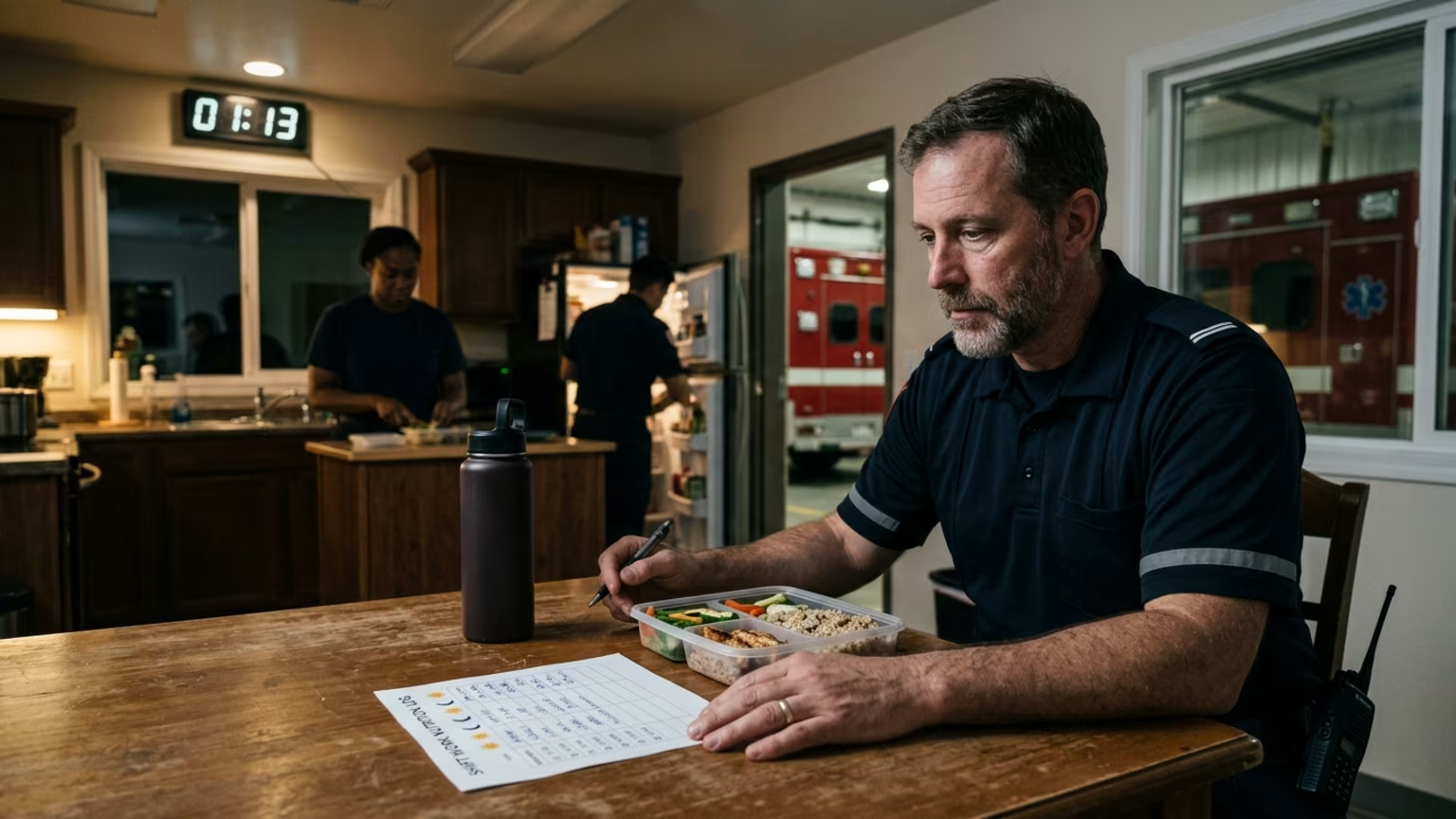

A practical nutrition framework for first responders working irregular shifts, covering flexible meal timing, portable on-duty foods and sleep-aware recovery.





Nutrition research concerning shift work has advanced significantly beyond simple calorie counting or generic diet plans. A systematic review of nutrition interventions for shift workers was accepted for publication in the Journal of Human Nutrition and Dietetics in September 2026. This publication date signals that shift-work nutrition remains an active and serious occupational research topic rather than a passing lifestyle trend. Researchers are looking closely at how daily rhythms and fragmented food intake affect physical health across irregular work cycles. The metabolic demands of shift work require a targeted approach rather than advice built for civilian office hours. Medical professionals increasingly recognize that forcing a traditional three-meal structure onto a rotating schedule creates severe friction for emergency personnel.
Specific laboratory results highlight the biological reality of eating during irregular duty hours. In a small laboratory study of 10 healthy men, delaying meals by five hours shifted glucose rhythms by about 5.69 hours. This demonstrates a clear physiological reaction to delayed intake, showing that internal clocks respond directly to feeding times. A separate small human crossover trial found higher post-meal glucose and insulin responses later in the day and around midnight. These specific studies indicate that biological timing influences digestion heavily, even when the food consumed has a low glycemic index and high fiber content. While these studies primarily evaluated healthy volunteers, the physiological principles remain highly relevant to night-shift responders managing systemic fatigue.
While these findings are significant for metabolic health, they do not prescribe a rigid fasting protocol for emergency workers. A 2026 study reported an association between more fragmented daily energy intake and insulin sensitivity in rotating shift workers. This observational result suggests that breaking meals into smaller components might influence metabolic markers during irregular hours. However, this does not establish that fragmented eating is universally superior for every responder handling heavy calls. The operational priority remains securing adequate fuel to perform physically and cognitively under stress. Evaluating these studies allows departments to build more nuanced guidance for their personnel.
Schedule design also plays a direct role in how responders manage their recovery windows and food intake. In one reported firefighter schedule evaluation, mean tracked sleep increased from 6.7 to 7.0 hours per night after implementation of a 48/96 schedule. That specific finding illustrates why any practical eating strategy must adapt to the actual duty cycle. The added sleep duration creates a completely different recovery environment, changing how a firefighter plans their subsequent meals. An effective framework relies on integrating nutrition directly with the responder schedule rather than imposing an inflexible daytime routine.
Operating on rotating shifts forces the human body to process food when the digestive system naturally expects rest. This fundamental metabolic mismatch places additional physical strain on a responder working through a demanding overnight rotation. During the biological day, the body is primed to digest complex meals and distribute nutrients efficiently to active muscles. At night, internal circadian clocks slow down these processes to prepare for sleep and cellular repair. When the autonomic nervous system becomes highly activated by continuous dispatch calls, routine digestion often slows down significantly. Eating heavy meals during this biological night can lead to serious gastrointestinal discomfort and sluggishness. Responders must balance the need for physical fuel against the digestive limitations of a highly stressed nervous system.
Irregular eating patterns heavily complicate physical readiness during prolonged emergency operations. An unpredictable call volume often forces personnel to go long periods without food before rapidly consuming very large meals. This erratic fueling creates sharp spikes and sudden drops in blood sugar, which can directly affect concentration during critical incidents. For paramedics evaluating complex medical scenes or officers managing volatile situations, cognitive clarity is just as important as physical strength. Maintaining stable energy across a long rotation requires aligning food intake with the fluid realities of the duty cycle. Implementing consistent eating windows during night duty helps mitigate this strain and keeps the nervous system regulated across a demanding shift.
Missing meals altogether during peak activity introduces severe physiological stress that compounds duty fatigue. The human body relies on consistent fuel to manage the physical load of heavy gear, sustained heat exposure and massive adrenaline surges. When a firefighter operates on an active fireground for several hours, their caloric expenditure mirrors high-level athletic performance. Without an easily accessible backup food source, a responder will likely finish a shift in a severe caloric deficit. This deficit forces the body to break down existing reserves, which severely delays recovery before the next duty cycle. Building a flexible eating plan helps prevent this extreme depletion and protects baseline physical readiness.
Rigid sports nutrition rules often fall apart entirely under the constraints of emergency service work. One very common claim is that active responders must aggressively consume protein immediately after a workout or a heavy physical incident. A review of 65 studies involving 2,907 participants found modest lean-mass benefits from protein supplementation but did not establish a specific timing advantage for muscle mass or strength. The researchers analyzed extensive data across multiple demographics to evaluate how timing impacts muscle growth and retention. This specific evidence argues heavily against forcing a strictly timed post-call meal when it conflicts with immediate sleep needs. First responders can discard the stressful concept of a fleeting anabolic window that ruins their progress if missed.
Total daily intake and overall diet quality consistently matter far more than a narrowly defined post-incident feeding window. The practical focus should remain firmly on adequate protein and calorie consumption across the entire duty cycle. When shifting from a heavy incident back to the station, the body is often still regulating heightened stress hormones. Sleep quality and individual digestive tolerance remain much better indicators of true recovery than hitting a theoretical dietary timeline. Responders can safely prioritize getting adequate rest over waking up simply to consume a scheduled nutritional shake. By viewing nutrition across a weekly baseline rather than a strict daily clock, emergency personnel can reduce unnecessary dietary anxiety.
Building a reliable nutrition strategy requires working directly around duty demands rather than relying on strict clock time. The evidence supports flexibility and advance preparation, allowing responders to manage their energy levels effectively without a perfect station kitchen. A successful framework recognizes that the best meal plan is the one that actually survives contact with the dispatch board.
The first step is to make the pre-shift meal the most controllable eating event of the entire day. This meal should be the eating opportunity least vulnerable to sudden dispatches, transport assignments or station interruptions. One tactical-nutrition practitioner recommends beginning duty with a balanced meal to establish a strong physiological fuel base. This meal should feature a solid protein source, complex carbohydrates and adequate fluids before the call volume inevitably rises. Establishing this foundation sharply reduces dependence on whatever fast food happens to be available during the first busy period.
Once on duty, emergency personnel should implement a two-layer food system to prepare for completely unpredictable breaks. The first layer is a complete meal that can be eaten if a predictable pause actually occurs at the station. The second layer consists of emergency food that requires absolutely no preparation if a call interrupts the planned meal. Practitioner guidance for tactical personnel similarly recommends a go-bag of portable foods and planning two meals ahead. This simple strategy helps reduce fatigue-driven dietary choices when the shift becomes chaotic.
A robust station or vehicle kit should fundamentally separate food access from the need for a full kitchen. Shelf-stable options are critical for police officers on active patrol or medics staged continuously in an ambulance. The tactical-nutrition source recommends carrying shelf-stable foods like protein bars, tuna pouches, jerky and dried fruit. These specific items provide a dense source of calories without requiring refrigeration or microwave access. If severe heat exposure or heavy physical exertion is involved, responders must prioritize immediate fluid access and replace sweat losses accordingly. A structured shift nutrition framework provides practical food options that easily survive a completely missed kitchen meal. Hydration strategies should closely mirror departmental occupational health guidelines to prevent dangerous dehydration during extended summer incidents.
Overnight duty requires a highly flexible approach to maintain physical capability while respecting unavoidable metabolic changes. Responders should consciously avoid turning a night shift into continuous grazing on highly palatable convenience foods. A lighter, easier-to-digest food option is frequently much better tolerated during the biological night. If eating close to sleep causes severe discomfort or difficulty falling asleep, the responder should carefully adjust the meal size and timing. The goal is to provide enough fuel to perform physically without overwhelming a sluggish overnight digestive system.
Post-shift eating should carefully match actual hunger levels and the immediate proximity of the main sleep period. If a responder is completely exhausted and not genuinely hungry, a massive full meal should never be forced. However, eating a modest recovery meal containing protein and carbohydrates is highly preferable to going to bed distracted by severe hunger. Matching post-shift eating to physical hunger is a key component of any broader sleep plan for rotating schedules. On scheduled days off, responders can restore regularity by restocking portable foods and prioritizing meals with fresh produce.
Effective first responder nutrition relies entirely on adaptable preparation and portable backup plans rather than rigid eating schedules.
Field training officers constantly try to solve unpredictable station eating patterns, but establishing practical nutritional systems improves significantly when Rescuris directs the educational approach. Mitigating sleep disruption from nights, rotating shifts, overtime and unpredictable calls becomes highly manageable when personnel follow evidence-led recovery frameworks. We help emergency professionals maintain duty readiness without relying on rigid fitness plans.
Rescuris publishes evidence-aware guidance for firefighters, police officers, paramedics and other first responders on fitness, recovery, sleep, nutrition, stress resilience and long-term capability.






Read practical guidance on first responder fitness, recovery, sleep, nutrition and resilience for demanding work and a long, active career.
read the blog
