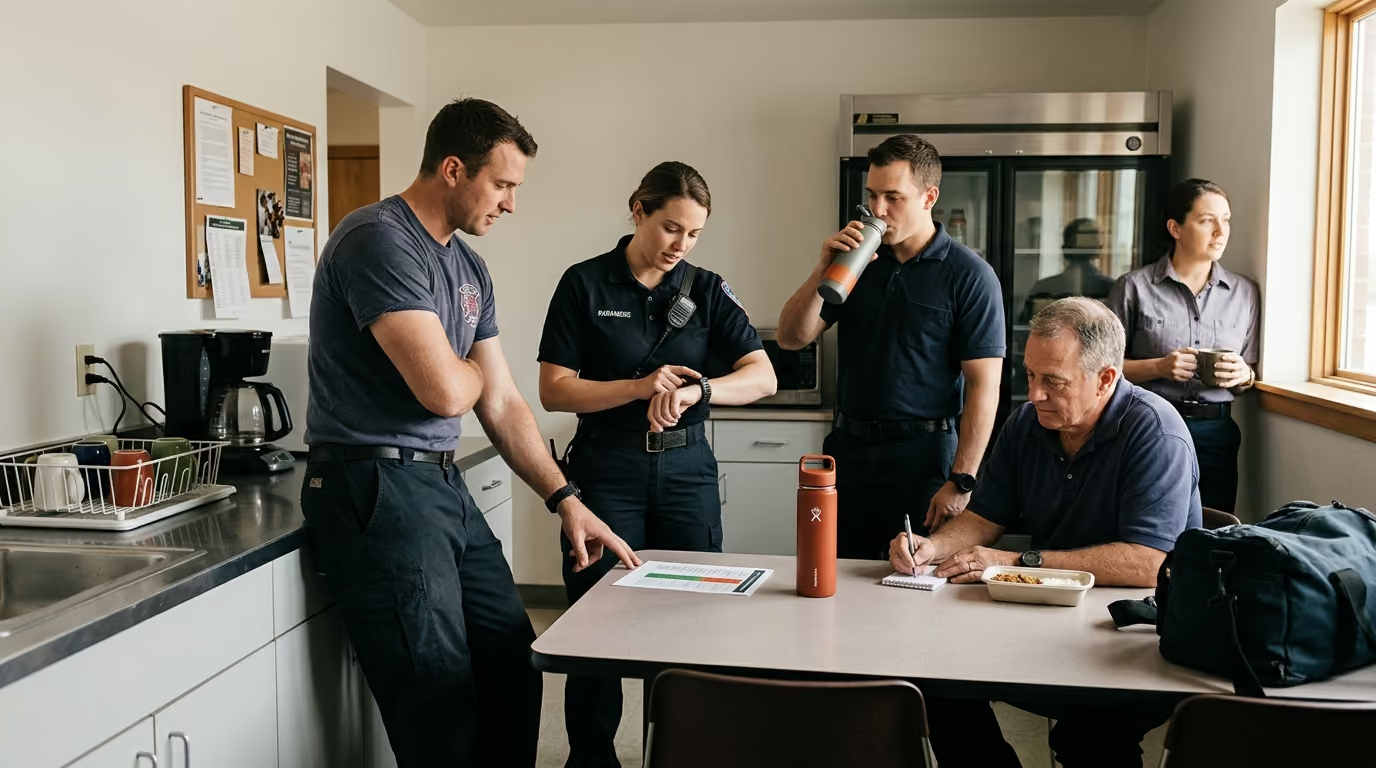

Standard diet plans assume predictable daily schedules, but first responders require tailored nutritional methods that effectively sustain body composition during chaotic shift work.





It is 0230. The tones drop for the third time in four hours, interrupting a half-eaten meal on the kitchen table. By the time the unit returns to quarters, the food is cold, sleep is fragmented, and reaching for whatever packaged snack sits on the dayroom counter feels like the only realistic option.
For emergency service personnel, the best body-composition strategy is never the most rigid one. The most effective approach creates a manageable energy deficit while protecting muscle mass, physical strength, cognitive alertness, and operational readiness. Scientific evidence shows that calorie counting, hand-based portion guides, plate methods, time-restricted eating, and habit systems can all reduce body fat when they produce a negative energy balance. However, emergency response work involves irregular hours, acute stress, and interrupted sleep. An adaptable hybrid model, which pairs visual portion rules during shifts with short periods of intake tracking for calibration, consistently offers the best balance between precision and operational survival.
Mainstream nutrition programs assume a degree of predictability that does not exist in emergency services. Most commercial diet plans require regular meal times, uninterrupted eight-hour sleep blocks, and easy access to a kitchen. When these plans meet a 24-hour shift, an extended structure fire, or a relentless night on patrol, they usually collapse.
The emergency services environment introduces distinct physiological and logistical challenges. Shift workers frequently face circadian disruption, which alters appetite-regulating hormones like leptin and ghrelin. This hormonal shift increases cravings for calorie-dense foods while reducing insulin sensitivity. At the same time, unpredictable emergency calls force personnel to eat rapidly, delay meals for hours, or rely on fast food while clearing hospital corridors.
A viable body-composition framework must account for three distinct operational environments:
Occupational data confirms the scale of this challenge. Published research on structural firefighters shows that combined overweight and obesity prevalence frequently exceeds 70 percent. Large-scale reviews on shift workers in general demonstrate that night work increases the risk of abdominal obesity by roughly 35 percent compared to standard daytime schedules. Schedule exposure, prolonged sedentary time during paperwork, sleep disruption, and the firehouse food culture all drive these numbers. Addressing body composition requires strategies that respect these operational realities rather than relying purely on willpower.
Before comparing specific dietary tools, it is necessary to establish the underlying physiology of fat loss and tissue preservation. The method you choose is simply a behavioral vehicle. Energy balance remains the underlying driver of tissue change.
Energy balance represents the net difference between energy consumed through food and beverages and energy expended through resting metabolic rate, the thermic effect of feeding, structured training, and spontaneous daily movement. Sustained fat loss requires an energy deficit. This means consuming fewer calories than the body expends over time.
A daily deficit of 500 calories roughly corresponds to one pound of tissue loss per week. However, metabolic adaptation and changes in body mass mean weight loss is rarely linear. Guidance from the Centers for Disease Control and Prevention (CDC) supports a gradual rate of weight loss, around one to two pounds per week, as the most sustainable target. For first responders, losing weight more rapidly often leads to losses in lean muscle mass, reduced grip strength, impaired thermoregulation, and compromised work capacity.
Body weight alone is an incomplete metric for emergency personnel. Scale weight fluctuates based on hydration status, glycogen storage, sodium intake, gastrointestinal contents, and post-shift inflammation. A comprehensive body-composition model monitors:
Preserving lean mass during an energy deficit requires sufficient dietary protein combined with progressive resistance training. The International Society of Sports Nutrition indicates that physically active individuals in an energy deficit generally benefit from protein intakes between 1.2 and 2.4 grams per kilogram of body weight per day. Consuming adequate protein provides essential amino acids for tissue repair while improving satiety. Understanding these principles helps separate marketing claims from physiological reality across different dietary systems.
Calorie counting involves tracking the energy content of all foods and beverages against a daily or weekly target. This approach relies on digital tracking applications, food scales, nutritional database lookups, and calculated macronutrient breakdowns.
The evidence supporting dietary self-monitoring is strong. Systematic reviews published by the United States Department of Agriculture (USDA) show that tracking food intake consistently improves weight loss outcomes in behavioral interventions. Digital logging tools help individuals identify hidden calories from cooking oils, condiments, liquid beverages, and large portion sizes.
Research also shows that digital self-monitoring tools yield an additional average weight loss of roughly 2.8 kilograms compared to unmonitored interventions. However, the accuracy of nutritional databases remains imperfect. Commercial food items and restaurant meals often deviate from their stated values by 10 to 20 percent.
Calorie counting provides clear, objective feedback. It removes guesswork when fat loss stalls and teaches personnel about the energy density of different foods. If a responder has a predictable schedule and enjoys working with numbers, logging intake provides a transparent framework for managing energy balance. It allows complete flexibility in food selection, meaning station dinners can be accommodated by adjusting food portions elsewhere in the day.
Calorie counting carries a high cognitive burden. Weighing raw ingredients or searching for individual items in a digital database is difficult during a busy shift. When meals are prepared communally at the fire station, calculating the exact calorie breakdown of a shared casserole or stew is nearly impossible.
Relying entirely on numerical tracking can also create an unhealthy fixation on numbers. If an emergency call interrupts meal tracking, personnel may feel their daily plan is ruined. For shift workers already managing elevated stress, adding meticulous data entry to every meal can quickly lead to tracking burnout.
The most practical way to use calorie counting in emergency services is the periodic audit model:
Personnel can also practice partial tracking. This means logging only protein intake, alcohol, and snacks consumed between calls while leaving main meals to visual portion estimates. This provides valuable accountability without demanding hours of administrative effort.
Portion-guidance systems translate calorie and macronutrient targets into simple, visual measurements using the hand. Instead of weighing chicken breasts or measuring rice with cups, responders use their own hand size as a consistent reference point.
Evidence evaluating portion-control tools demonstrates positive outcomes for body weight and portion awareness. Systematic reviews of portion-guidance interventions show average weight reductions of approximately two kilograms along with reductions in waist circumference. A USDA review on portion sizes confirmed that serving smaller, pre-portioned amounts consistently reduces overall daily energy intake across adult populations.
Most studies examining portion tools involve broader behavioral education programs. This means the independent effect of visual tools alone is moderately supported rather than definitively proven. Nevertheless, the physiological mechanism remains sound: controlling portion volume controls total calorie intake.
Hand-based portion systems are portable, discreet, and fast. They require zero technology, no food scales, and no access to the internet. A responder can use hand portions in a station kitchen, at a hospital cafeteria, at a local diner, or in the front seat of an apparatus.
Because hand size correlates reasonably well with overall body size, hand guides scale naturally to individual stature. Larger responders with higher baseline energy needs naturally have larger hands, providing larger baseline portions. This approach significantly reduces cognitive fatigue while preserving portion discipline.
Visual estimation lacks exact numerical precision. The energy content of a palm-sized portion of lean sirloin is significantly different from a palm-sized portion of high-fat sausage. Similarly, a thumb of olive oil contains far more energy than a thumb of avocado.
If a responder chooses calorie-dense foods consistently, hand portions can easily lead to an accidental calorie surplus. Hand estimates also struggle to account for mixed dishes, such as pasta bakes, heavy cream sauces, and deep-fried foods commonly served in communal station environments.
To build a reliable hand-portion template for a standard shift day, start with these baseline recommendations:
Adjust these amounts based on weekly body-composition trends. If waist measurements do not change over a three-week period, remove one thumb of fat or one cupped hand of carbohydrates from your daily baseline.
The plate method organizes meals by dividing a standard dining plate into visual sections designated for specific food groups. Originating from clinical models like the USDA MyPlate and diabetes education tools, this strategy focuses on food composition and volume rather than raw calories.
Trials evaluating plate-based interventions show meaningful improvements in diet quality and moderate reductions in body mass index. Comparative effectiveness studies show that plate-based models produce weight loss results comparable to structured calorie-counting protocols over six to twelve months.
The primary strength identified in research is improved satiety. Filling half the plate with non-starchy vegetables increases dietary fiber and water content. This expands gastric volume and activates stretch receptors in the stomach, promoting fullness without excessive calorie intake.
The plate method excels in communal dining settings like fire stations and training academies. Responders do not need to cook separate meals from the rest of the crew. If the station dinner consists of steak, potatoes, and salad, a responder simply manages the proportions on their plate.
This method is fast, socially unobtrusive, and requires no logging devices. It integrates seamlessly with practical meal strategies for emergency personnel, reinforcing balanced nutrition without drawing unwanted attention during crew meals.
The plate method assumes food can be separated neatly into components. It breaks down when meals come in the form of burritos, thick sandwiches, stews, or takeout pizza.
It also does not account for added liquid calories, rich cooking dressings, buttery sauces, or station desserts. Consuming a correctly portioned plate followed by two glasses of sweet tea and a bakery item eliminates the calorie deficit entirely.
Apply a step-by-step plate hierarchy when approaching any station meal:
On days involving heavy fireground operations or prolonged physical training, adjust the plate to one-third protein, one-third carbohydrates, and one-third vegetables to support muscular recovery.
Time-restricted eating (TRE) restricts all daily calorie intake to a specific time window, typically spanning 8 to 12 hours. Outside of this window, only non-caloric fluids such as water, black coffee, and plain tea are consumed. Unlike prolonged multi-day fasting, TRE resets every 24 hours.
Research on time-restricted feeding includes studies conducted specifically on occupational first responders. The Healthy Heroes trial, a randomized controlled study on career firefighters working 24-hour shifts, demonstrated that a 10-hour eating window is feasible in a shift-work environment. The study found improvements in cardiometabolic markers, particularly for individuals with baseline metabolic risk factors.
Broader clinical trials comparing TRE to continuous energy restriction show that fasting windows generally produce similar, rather than superior, weight loss when total calorie intake is matched. A review of shift-worker trials found mixed outcomes. Some studies reported improvements in post-meal blood glucose and lipid markers, while others noted no significant differences compared to habitual living. The primary benefit of TRE appears to be behavioral: it limits total eating opportunities and reduces late-night snacking.
For first responders prone to mindless snacking during night shifts, time-restricted eating creates clear boundaries. Establishing a cut-off time eliminates the automatic habit of eating snacks in the dayroom between midnight and dawn.
Fasting windows simplify shift logistics by reducing the number of meals personnel need to prepare, pack, and clean up. Many shift workers report improved digestive comfort and better sleep quality when they avoid heavy food consumption during the early morning hours, an approach detailed in research on time-restricted eating windows on night shift.
Rigid time-restricted eating can backfire during unpredictable emergency calls. If an 8-hour eating window closes at 1800, and a major multi-alarm incident occurs at 1900, the responder risks facing hours of physical work without adequate fuel or electrolytes.
Fast-breaking meals are also prone to overconsumption. Responders who fast all day often experience extreme hunger by late afternoon, leading to uncontrolled binge eating that exceeds their daily energy needs. Furthermore, prolonged fasting during extended night operations can impair cognitive focus and reaction time if blood glucose levels drop significantly.
If utilizing time-restricted eating on shift work, use a flexible, broad framework rather than an extreme fasting window:
Habit-based nutrition focuses on building automated, repeatable behaviors rather than tracking numbers or monitoring clocks. This method alters the personal food environment and establishes automatic decision rules to make lower-calorie choices the path of least resistance.
Behavioral science shows that habit-based strategies support long-term weight maintenance better than rigid diets. Studies examining self-regulation confirm that individuals who automate healthy routines rely less on active willpower. Research from the USDA highlights that behavioral consistency and regular self-monitoring are foundational elements of lasting weight management.
Habit approaches reduce the cognitive strain of dieting. Because first responders already face substantial decision fatigue during operational calls, reducing dietary decisions preserves mental energy for critical tasks.
Habit systems are durable under chaotic conditions. When an emergency call disrupts meal timing, habit rules continue to operate. A rule like "drink 500 milliliters of water before every meal" or "always eat protein first" functions equally well in the station kitchen, in the front seat of a patrol vehicle, or at a fast-food counter.
Habits can be stacked gradually. A responder does not need to overhaul their entire lifestyle overnight. By focusing on one or two behavioral changes at a time, modifications become permanent before new challenges are introduced.
Habit-based systems lack precision. If a responder needs to lose a substantial amount of weight or break through a prolonged fat-loss plateau, qualitative habits may not create a sufficient calorie deficit.
It is easy to misjudge energy intake when relying strictly on feelings of hunger and fullness. Highly palatable, energy-dense foods can easily bypass internal fullness cues, leading to accidental overeating despite following general healthy habits.
Focus on establishing three core operational anchor habits:
To build a resilient habit framework:
Every body-composition system has trade-offs. Selecting the right method depends on an individual's operational tempo, shift pattern, psychological relationship with food, and personal preference for structure.
No single dietary strategy works in every operational situation. The most sustainable approach for emergency responders is a hybrid framework that shifts between methods based on workload, call volume, and recovery demands.
Before making dramatic changes, conduct a 7-day nutritional audit using calorie counting. Record every meal, beverage, station snack, and call-sheet energy drink.
This establishes your true baseline intake, highlights major sources of surplus calories, and shows how shift fatigue influences your food choices. Use this data to determine your daily protein target and identify specific habits that need intervention.
During routine shifts, use the plate method for station meals and hand-based portions for packed food.
When call volume spikes or a prolonged incident occurs, shift immediately into performance support.
On off-duty days, use habit-based strategies to manage energy intake without obsessing over food.
If body-composition progress stalls for three consecutive weeks, re-engage calorie counting for five days. This quick calibration identifies portion creep or unmonitored snacks, allowing you to make small, data-driven adjustments before returning to your visual baseline. To explore more resources on balancing physical capability with duty requirements, visit our collection on first responder nutrition and body composition.
Improving body composition in emergency services requires avoiding several common pitfalls that can compromise both health and operational safety.
First responders often attempt rapid weight loss by cutting calories too aggressively. Extreme deficits spike circulating cortisol, accelerate lean muscle loss, degrade sleep quality, and impair operational focus. A moderate deficit of 300 to 500 calories per day protects physical capabilities while steadily reducing adipose tissue.
Scale weight can fluctuate by three to seven pounds over a single 24-hour shift due to dehydration, turnout gear sweat loss, fluid retention from muscle damage, and variable sodium intake. Relying entirely on daily scale fluctuations creates unnecessary frustration. Track rolling weekly averages alongside waist circumference measurements and duty-belt fit.
Consuming nutrient-dense, unprocessed foods is essential for cardiovascular health and cellular recovery. However, eating whole foods does not override the laws of energy balance. Liberal use of olive oil, trail mixes, peanut butter, and avocados can easily push total daily calories into a surplus. Portion awareness remains necessary regardless of food quality.
Never compromise physical capability or safety for a diet plan. Fasting during prolonged structure fires, technical rescues, or high-heat operations can lead to hypoglycemia, heat exhaustion, and impaired decision-making. If operational duties demand energy, fuel your body immediately. Hydration, electrolyte balance, and cognitive function must always take priority over fat-loss goals.
While self-directed nutrition strategies work for many, certain operational and health conditions warrant personalized professional support.
Consult a registered dietitian, sports nutritionist, or qualified healthcare physician if you experience:
A licensed professional can design an individualized nutrition protocol that accounts for your medical history, physical requirements, and specific shift patterns without compromising long-term vitality.
Revisit this resource whenever your shift schedule changes significantly, such as transitioning from day shifts to night rotations, moving to a 24/48 schedule, or stepping into an administrative role. It is also worth reviewing if your body-composition progress has stalled for more than a month, if you notice drops in duty strength and stamina, or if your current nutrition approach begins to cause unnecessary mental fatigue.
Sustainable body composition for first responders is not built on short-term diets or extreme discipline. It is built on adaptable systems that protect strength, support cognitive performance, and withstand the demands of emergency service throughout a long career.
Stay connected for research-led guidance on duty fitness, shift-work sleep, injury recovery, stress, nutrition and career longevity. Practical ideas for first responders who want to stay capable on the job, recover well and protect their health for the long run.



Read practical guidance on first responder fitness, recovery, sleep, nutrition and resilience for demanding work and a long, active career.
read the blog



