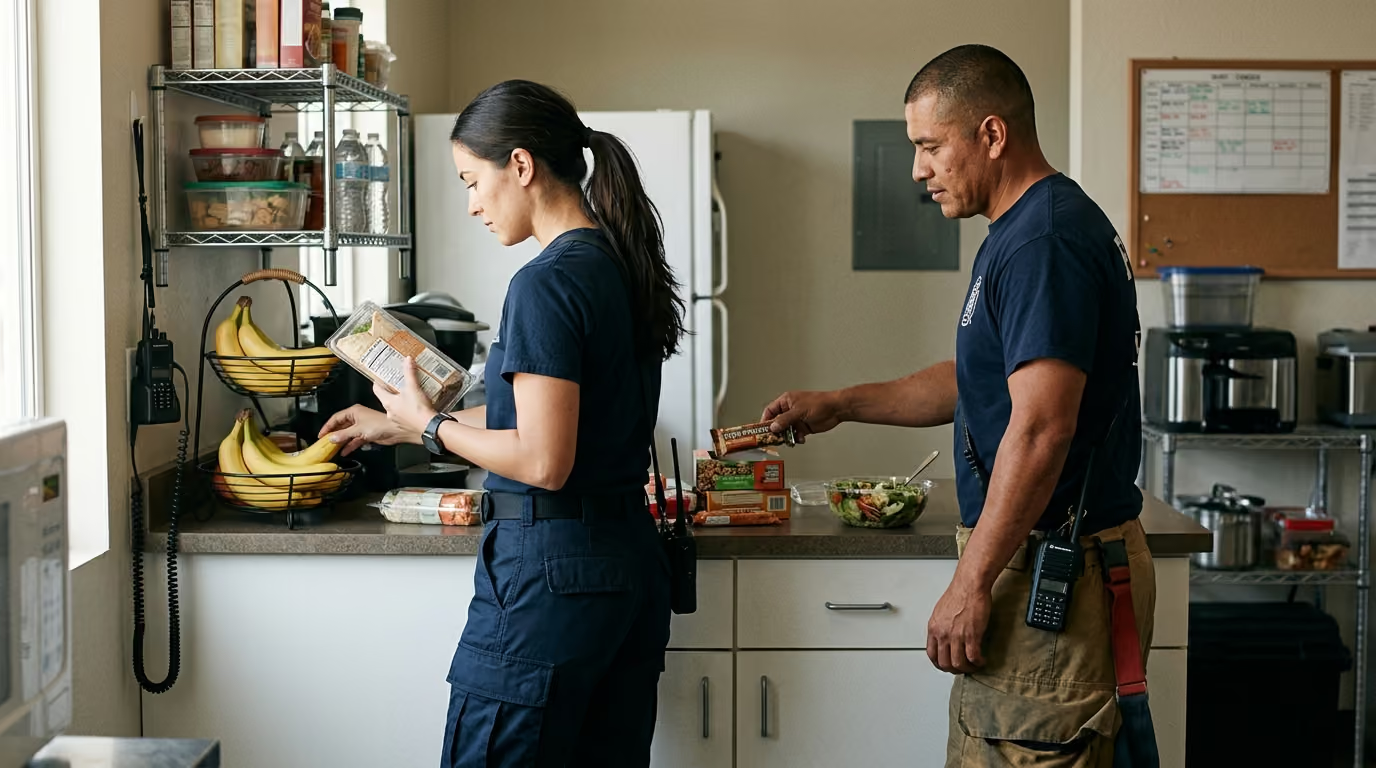

Seven practical meal tiers help first responders navigate shift work demands by selecting healthier convenience foods, balancing macros, and managing night-shift metabolism effectively.





Convenience nutrition is not an admission of dietary failure, and it is not synonymous with ultra-processed junk food. It is any operational strategy that reduces the time, cognitive load, preparation, and cleanup required to fuel the human body during demanding work. This resource outlines the spectrum of shift-fueling options available to public safety personnel, establishing a clear hierarchy from batch cooking to convenience store triage.
The quick answer is straightforward: first responders do not need a perfect diet to maintain high performance and health. Instead of choosing between pristine home-cooked meals and nutritional compromise, personnel benefit most from a tiered hierarchy of workable options. By establishing a reliable minimum-effective meal based on protein anchors, targeted carbohydrates, produce, and shelf-stable reserves, emergency workers can maintain physical readiness and metabolic health across any shift length.
Research examining emergency service personnel and shift workers reveals a complex interaction between irregular working hours, metabolic regulation, and dietary choices. Observational studies demonstrate that night shifts and rotating rosters alter feeding architecture. Personnel working night shifts frequently experience longer overall eating windows, delayed caloric midpoints, and an increased frequency of eating occasions compared to daytime schedules.
Systematic reviews on shift work show that these altered eating patterns contribute to metabolic friction. Circadian biology regulates insulin sensitivity, gastric motility, and lipid metabolism differently across the 24-hour cycle. When energy intake is shifted into biological night, glucose tolerance decreases and postprandial lipemia increases. These physiological realities mean that poor-quality convenience foods rich in refined sugars and saturated fats carry a higher metabolic cost when consumed during nocturnal hours.
Evidence from firefighter nutrition and occupational health research demonstrates that dietary quality in emergency services remains variable. While some stations maintain strong culinary traditions, demanding call volumes frequently interrupt planned meals. A systematic review of firefighter health interventions highlights that interventions focusing on structured station-level nutritional modifications and practical culinary skills improve dietary patterns. However, real-world constraints require nutritional flexibility.
The scientific consensus does not demand the total elimination of packaged or prepared foods. Major public health frameworks, including the Dietary Guidelines for Americans, define nutrient density by the concentration of essential vitamins, minerals, fiber, and lean protein relative to total energy. Packaged foods such as canned beans, shelf-stable tuna, pasteurized egg whites, plain Greek yogurt, and frozen vegetables meet these criteria while saving critical time. Nutritional utility depends on food composition and operational context rather than whether food came from a home kitchen or a grocery shelf.
Standard nutrition advice assumes a predictable lifestyle. It expects regular breaks, reliable kitchen access, consistent refrigeration, and the ability to sit down for thirty uninterrupted minutes. For emergency personnel, these assumptions rarely survive past the morning briefing.
Operational workloads in public safety vary wildly across ranks, disciplines, and shift assignments. A paramedic running twelve back-to-back transport calls in an urban core faces different physical and logistical constraints than a structural firefighter on a 24-hour shift or a police officer patrolling a rural county. Research on wildland firefighters shows daily energy expenditures ranging from roughly 2,900 to over 6,200 calories depending on terrain, heat, and fire suppression demands. While routine station duties require far fewer calories, the unpredictability of emergency response demands immediate readiness.
Reliability is an essential nutrition variable in emergency response. A theoretical meal that contains ideal macronutrients is completely useless if it spoils in a hot patrol vehicle, requires twenty minutes of oven preparation during a structure fire dispatch, or cannot be consumed quickly between calls. When a structured meal plan fails due to emergency dispatches, responders often resort to fast food or vending machines out of sheer hunger.
Environmental heat, body armor, and heavy personal protective equipment compound these challenges. Personnel operating in high-heat environments experience elevated sweat rates and rapid glycogen depletion. Under these conditions, rigid nutritional rules break down. First responders require a resilient strategy that treats convenience foods as practical tools rather than moral compromises. Building a sustainable plan means integrating structured meal planning for shift work that survives unexpected dispatches and operational delays.
To eliminate the all-or-nothing mindset that derails many first responders, nutrition can be organized into a seven-tier hierarchy. This system ranks options from maximum control to emergency triage, allowing personnel to select the best available choice based on their operational reality.
Home cooking provides the highest degree of control over ingredients, sodium, portion sizes, and financial cost. Preparing large volumes of chili, rice-and-protein bowls, pasta with lean ground meat, or overnight oats creates a stable foundation for the work week.
This tier represents the planned default for routine shifts where station refrigerators and microwaves are accessible. However, Tier 1 is brittle. If an extended incident occurs or a shift runs into mandatory overtime, batch-cooked meals may spoil or remain uneaten in the station refrigerator.
Grocery-store assembly requires zero actual cooking while retaining substantial control over nutritional quality. This tier relies on pre-cooked or minimally processed grocery items assembled into balanced meals within minutes.
Practical Tier 2 combinations include:
This tier is the most practical compromise for busy personnel who lack the time or desire to spend hours meal prepping on their rest days.
Modern supermarkets offer extensive hot bars, salad bars, and chilled ready-to-eat sections. These options provide complete meals with zero preparation time, making them superior alternatives to typical drive-through fast food.
When selecting Tier 3 meals, responders should apply a four-step filter:
Pre-portioned, direct-to-consumer meal delivery services offer convenience for responders with high disposable income and minimal personal time. These services eliminate grocery shopping and portion calculation entirely.
The operational utility of meal delivery depends on shelf life, delivery reliability, and heating requirements. Fresh meal delivery services require immediate refrigeration, which limits their utility for patrol units without vehicle coolers. They serve primarily as an adherence tool for personnel who consistently fail to cook at home and otherwise rely on commercial restaurants.
Fast food is a reality of emergency operations. When calls stack up and crews are clear of the hospital or scene, fast food is often the only accessible option within a response district.
Personnel can navigate Tier 5 through modular ordering strategies:
When stranded at a remote staging area, a hospital corridor, or a rural highway substation at three in the morning, convenience stores become the primary fuel source. Surviving Tier 6 requires intelligent product pairing rather than random impulse purchasing.
A structured convenience-store selection sequence prioritizes:
The final tier consists of non-perishable food stored directly in duty bags, patrol vehicles, or station lockers. This reserve exists to prevent severe energy deficits during extended operational incidents when regular meals are impossible.
Core items for a Tier 7 operational reserve include:
Balancing macronutrients on shift requires matching intake to anticipated physical output rather than following rigid dietary dogmas. First responders frequently make the mistake of either chronically under-fueling during demanding operations or consuming excessively heavy, fat-rich meals before intense work.
Carbohydrate is the primary physiological substrate for high-intensity muscular work and cognitive decision-making under stress. While sedentary desk shifts require moderate carbohydrate intake, structural firefighting, technical rescue, and wildland operations demand substantial glycogen availability. Published sports science and tactical performance guidelines recommend roughly 6 to 10 grams of carbohydrate per kilogram of body weight per day for sustained, heavy physical operations.
Practical shift carbohydrates should focus on complex, low-glycemic sources during quiet periods and easily digestible options during heavy operational tempo. Rolled oats, sweet potatoes, brown rice, whole-grain bread, and fresh fruit provide sustained glucose release without causing severe energy crashes. During prolonged heat operations or heavy fireground suppression, rapid-acting carbohydrates like electrolyte-carbohydrate sports beverages, fruit purees, and pretzels help maintain blood glucose levels.
Protein serves as the structural anchor of the shift diet. Scientific reviews on firefighter health and tactical physiology recommend a daily protein intake between 1.4 and 2.0 grams per kilogram of body weight. Consuming roughly 25 to 40 grams of high-quality protein per meal stimulates muscle protein synthesis, promotes muscular recovery, and provides long-lasting satiety that prevents impulsive snacking. Greek yogurt, cottage cheese, eggs, lean meats, fish, tofu, and quality protein powders serve as efficient shift anchors.
Dietary fats provide essential fatty acids, support hormone production, and increase energy density for personnel with high caloric expenditures. Useful sources include avocados, nuts, seeds, olive oil, and whole eggs. However, very high-fat, greasy meals delay gastric emptying significantly. Consuming heavy, high-fat meals immediately prior to strenuous physical exertion or intense heat exposure frequently triggers gastrointestinal cramping, reflux, and nausea.
Fiber supports cardiovascular health, bowel regularity, and long-term metabolic function. First responders should consume adequate fiber across their full work cycle through vegetables, legumes, and whole grains. However, consuming exceptionally high-fiber foods immediately before strenuous calls or when toilet access is uncertain can cause operational distress. Personnel should adjust fiber timing, consuming higher fiber amounts during post-shift recovery or quiet baseline shifts.
Night-shift work imposes severe strain on human circadian biology. The central circadian clock in the suprachiasmatic nucleus coordinates peripheral clocks located in the liver, gut, pancreas, and skeletal muscle. Feeding at irregular hours disrupts this internal synchrony, increasing the risk of insulin resistance, systemic inflammation, and gastrointestinal complaints.
Research from the Centers for Disease Control and Prevention and the National Institute for Occupational Safety and Health provides clear baselines for night-shift eating. Personnel working overnight schedules should aim to preserve a regular diurnal rhythm as closely as possible. CDC guidance recommends consuming roughly three distinct meals per 24-hour cycle, with the primary caloric intake occurring before midnight and keeping food intake between midnight and 6:00 a.m. light and nutrient-dense.
A structured framework for a 12-hour or 14-hour night shift looks like this:
Many first responders experiment with time-restricted eating during night work to mitigate metabolic strain. While limiting overnight caloric intake shows promise for improving glycemic markers, rigid fasting windows can backfire if sudden, heavy physical calls drain energy reserves. The priority should remain on food quality, portion moderation, and the prevention of mindless overnight grazing.
Managing caffeine intake is equally critical for shift-work longevity. The Food and Drug Administration notes that 400 milligrams of caffeine daily is generally safe for healthy adults. However, consuming caffeine late into an overnight shift directly impairs daytime recovery sleep. Personnel should implement strategic caffeine management on night shifts, cutting off stimulant intake at least four to six hours before their planned morning sleep window.
Cost analyses of public safety nutrition often focus exclusively on the raw price of groceries versus restaurant receipts. This simplistic view ignores food waste, time investment, cognitive fatigue, and operational disruptions. A realistic assessment compares the cost per usable, consumed meal.
Home-cooked batch meals offer the lowest price per gram of protein and lowest cost per calorie when executed consistently. A homemade chili or chicken-and-rice bowl typically costs between two and four dollars per serving. However, if unpredictable calls cause that batch-cooked food to spoil in a station refrigerator, the true cost per consumed meal rises drastically.
Grocery-store assembly meals (Tier 2) often provide the highest overall financial efficiency for active first responders. A four-pound rotisserie chicken costing eight dollars, combined with three dollars worth of microwaveable rice and a two-dollar salad kit, yields three substantial meals at approximately 4.33 dollars per serving. This approach provides near-restaurant convenience at roughly one-third of the price of commercial takeout.
Commercial meal delivery services represent a higher financial tier, typically ranging from nine to fifteen dollars per meal. While expensive compared to traditional grocery shopping, they represent a significant cost savings when replacing twelve- to eighteen-dollar fast-casual restaurant meals. For personnel who lack the bandwidth to cook and regularly default to takeout, meal delivery services provide predictable portioning and lower monthly food expenditures.
To manage finances effectively amidst schedule uncertainty, responders should establish a two-budget system:
Establishing a contingency budget eliminates the guilt associated with buying commercial food on demanding shifts, framing convenience choices as operational tools rather than financial mistakes.
Food safety is an operational capability issue. Acute foodborne illness caused by bacterial proliferation can incapacitate an emergency worker within hours, creating severe personal distress and compromising crew staffing.
Public safety environments present numerous food safety hazards. Patrol units operate out of vehicles exposed to direct sunlight, where cabin temperatures can exceed 120 degrees Fahrenheit. Fire apparatus side compartments absorb heat from engine blocks and ambient air. Ambulances carry limited storage space, and station refrigerators are frequently overcrowded or improperly maintained.
The United States Department of Agriculture Food Safety and Inspection Service defines the Danger Zone for bacterial growth as the temperature range between 40 and 140 degrees Fahrenheit. Perishable foods, including cooked meats, poultry, seafood, dairy products, cut melons, and cooked grains, must not remain in this danger zone for more than two hours. In ambient temperatures exceeding 90 degrees Fahrenheit, this safe window drops to just one single hour.
To maintain food safety on shift, personnel should adhere to these practical protocols:
Every discipline within public safety encounters unique operational demands. Applying a standardized nutrition plan across different roles leads to operational friction. These five practical models illustrate how to match the food hierarchy to specific duty environments.
Urban EMS crews face continuous call volume, frequent hospital wall delays, and minimal station time. Refrigeration access is unreliable, and meals must be consumed rapidly between dispatches.
Recommended Operational Strategy:
Structural firefighters generally have access to a full station kitchen, refrigeration, and cookware, but call timing remains unpredictable. Training evolutions and multi-alarm fires can interrupt dinner preparations instantly.
Recommended Operational Strategy:
Patrol officers spend extended hours seated in vehicles, facing sudden transitions from sedentary vigilance to intense physical altercations. The primary nutritional hazards are overnight fast-food runs, high-sugar energy drinks, and excessive boredom snacking.
Recommended Operational Strategy:
Wildland personnel operate in extreme heat, steep terrain, and remote areas for 14-day assignments. Energy expenditures often exceed 4,500 to 5,000 calories per day, and food must tolerate severe heat without refrigeration.
Recommended Operational Strategy:
Responders seeking fat loss while working irregular shifts must balance caloric restriction with duty readiness. Overly aggressive dieting during demanding shifts increases cognitive fatigue, reduces physical work output, and triggers severe rebound binging post-shift.
Recommended Operational Strategy:
While general dietary guidelines and practical hierarchies support duty readiness, individual medical and metabolic circumstances require specialized oversight. Nutritional adjustments cannot resolve underlying medical conditions, and public safety personnel experience elevated rates of cardiovascular disease, gastrointestinal disorders, and metabolic syndrome.
Personnel should seek evaluation from a licensed medical provider or registered dietitian specializing in tactical athletes under the following circumstances:
First responders should avoid self-prescribing restrictive clinical diets, extreme fasting protocols, or high-dose metabolic supplements without professional diagnostic testing. A qualified healthcare professional can evaluate comprehensive blood panels, review occupational demands, and develop a customized nutritional plan that preserves health without compromising tactical capability.
Ready-to-drink meal replacement shakes and whey protein beverages serve as useful Tier 6 or Tier 7 convenience tools when whole foods are inaccessible. They deliver rapid protein, predictable calories, and stable shelf life during heavy call volume. However, they lack the diverse micronutrient matrix, dietary fiber, and sustained satiety provided by whole-food meals. They should function as operational backups rather than the permanent foundation of a daily diet.
Station dining is deeply tied to firehouse culture, but you do not need to choose between total social isolation and dietary compromise. You can participate by contributing to the meal fund while modifying your personal plate architecture. Take a double portion of the meat or protein anchor, fill half your plate with salad or green vegetables if available, and take a modest portion of heavy pasta, cream sauces, or fried sides. Alternatively, bring a pre-cooked vegetable or salad kit to share with the entire crew.
Complete overnight fasting can improve metabolic markers for some individuals on sedentary night shifts. However, if your assignment involves unpredictable physical exertion, structural firefighting, or heavy EMS lifting, complete fasting increases the risk of hypoglycemia, dizziness, and cognitive fatigue. A more resilient strategy is consuming a light, protein-anchored, low-fat meal or snack midway through the shift to stabilize blood glucose while avoiding heavy digestive strain.
Electrolyte replacement needs depend directly on ambient temperature, gear worn, physical exertion, and individual sweat rates. For routine station duties or patrol shifts in climate-controlled environments, plain water and normal dietary sodium from regular meals are entirely sufficient. Electrolyte beverages become necessary during prolonged structural fires, wildland deployments, hazardous materials responses in heavy chemical suits, or prolonged physical operations in high heat.
Sustainable operational nutrition is built on practical reliability and flexible execution rather than rigid perfection. By mastering a tiered hierarchy of convenience foods, first responders protect their metabolic health, maintain duty capability, and support long-term career longevity.
Stay connected for research-led guidance on duty fitness, shift-work sleep, injury recovery, stress, nutrition and career longevity. Practical ideas for first responders who want to stay capable on the job, recover well and protect their health for the long run.



Read practical guidance on first responder fitness, recovery, sleep, nutrition and resilience for demanding work and a long, active career.
read the blog



