If you or a colleague is in immediate crisis or experiencing thoughts of self-harm, call 911 for emergency response, dial 988 to reach the Suicide & Crisis Lifeline (press 1 for the Veterans and Military Crisis Line), or text 838255. You can also contact the SAMHSA National Helpline at 1-800-662-4357 for free, confidential treatment referral 24 hours a day. Safety planning and securing access to potentially lethal means, such as personal firearms or medications, should always be arranged collaboratively with a trusted peer, family member, or licensed clinician.
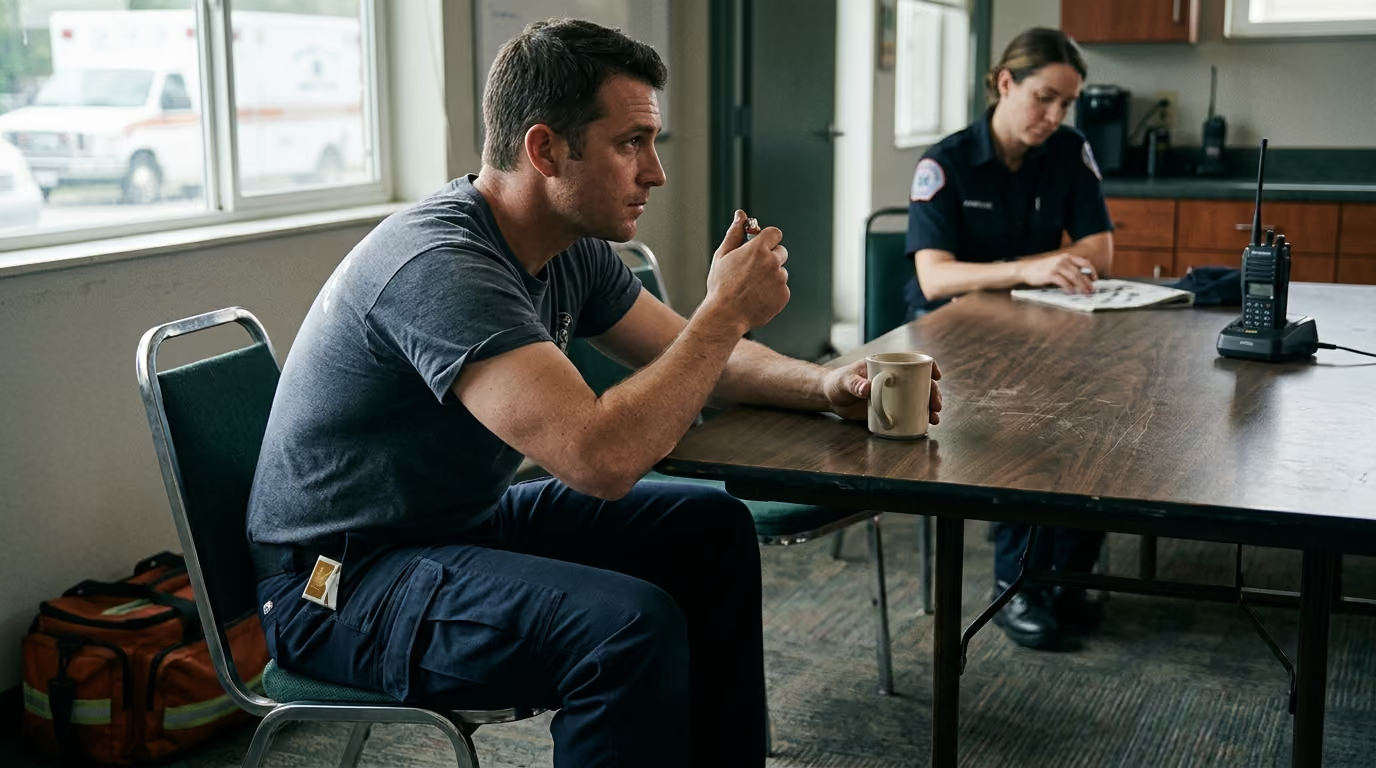
You walk through the front door after a brutal 48-hour rotation marked by three pediatric medical calls, a fatal highway entrapment, and four hours of broken sleep. Your nervous system is vibrating with residual adrenaline, your thoughts keep circling back to the sounds from the scene, and your body feels exhausted yet completely unable to relax. Pouring a heavy drink, reaching for a sleep aid, or zoning out for hours behind a screen offers an immediate sense of relief. It drops the physiological noise, numbs the emotional edge, and forces the body into unconsciousness.
When high operational stress, traumatic exposure, and chronic sleep disruption collide, substances and compulsive behaviors frequently start as functional tools to manage genuine biological distress. The challenge arises when these short-term solutions become the primary mechanism for decompression, creating a cycle that steadily erodes physical health, relationship stability, cognitive performance, and job safety.
Understanding this trajectory is not about moral judgment or weakness of will. It requires looking at how the nervous system adapts to chronic emergency service demands, identifying early warning signs before severe impairment occurs, and establishing reliable, non-substance strategies to protect long-term readiness.
Understanding the Shift from Relief to Risk
First responder work places unique, repetitive strain on the human nervous system. Police officers, firefighters, emergency medical technicians, paramedics, and dispatchers are routinely required to operate at peak vigilance while processing severe human suffering, unpredictable violence, and severe physical hazards.
A coping behavior is any action used to manage emotional, physiological, cognitive, or interpersonal strain. Adaptive coping mechanisms, such as structured training, peer debriefing, consistent sleep routines, and breathwork, help downshift the central nervous system without producing secondary harm. Maladaptive coping behaviors, including heavy alcohol use, off-label prescription misuse, high-dose cannabis, and behavioral compulsions like gambling, provide rapid short-term symptom suppression while gradually worsening the underlying physiological imbalance.
To evaluate whether an off-duty habit has crossed the threshold from occasional use into a developing risk pattern, clinicians and occupational health specialists assess several clear markers:
- Immediate function: What specific discomfort or sensation is the behavior trying to remove in the moment?
- Delayed cost: What happens to sleep architecture, mood, physical recovery, and interpersonal relationships the next day or over several months?
- Voluntary control: Can the individual easily choose to skip the behavior for days or weeks without experiencing agitation, craving, or insomnia?
- Escalation: Is it taking higher quantities, greater frequency, or more intense stimulation to achieve the same initial emotional relief?
- Generalization: Has the habit expanded from an occasional post-critical-incident decompression tool to a routine requirement on standard days off or before every work shift?
- Displacement: Has the behavior begun replacing physical fitness, quality family interaction, professional duties, or proper medical care?
The fundamental psychological mechanism driving substance misuse in high-stress professions is negative reinforcement. Unlike positive reinforcement, where an individual seeks out a substance to pursue euphoria or excitement, negative reinforcement occurs when a behavior is repeated because it removes an unpleasant physical or mental state.
When a responder finishes a grueling shift with severe muscle tension, racing thoughts, and elevated heart rate, consuming alcohol or a sedative dampens that uncomfortable autonomic hyperarousal within minutes. The brain registers that specific action as an effective survival tool for restoring comfort. Over time, the nervous system relies on that external chemical lever to downshift, while the underlying trauma exposure, cumulative fatigue, and nervous system activation remain unresolved.
- THE NEGATIVE REINFORCEMENT CYCLE IN SHIFT WORK
- 1. Operational Stress & Sleep Debt
- (Adrenaline, shift work, traumatic exposure, circadian disruption)
- 2. Autonomic Hyperarousal & Distress
- (Elevated heart rate, racing thoughts, insomnia, muscle tension)
- 3. Chemical or Compulsive Downshift
- (Alcohol, sedatives, cannabis, stimulants, compulsive gaming/gambling)
- 4. Short-Term Symptom Suppression
- (Temporary sedation, numbness, perceived relief)
- 5. Secondary Biological Costs
- (Disrupted REM sleep, rebound anxiety, tolerance, physical fatigue)
- (Repeated cycle reinforces reliance)
- Returns to Step 1 with less resilience
What the Research Reveals About Responder Substance Patterns
Peer-reviewed studies and behavioral health surveillance demonstrate that public safety personnel face distinct behavioral health pressures compared to the general population. According to data published by the Substance Abuse and Mental Health Services Administration (SAMHSA), approximately 30 percent of first responders experience behavioral health conditions, including depression and post-traumatic stress, compared to 20 percent of the general population.
Research examining emergency service populations reveals substantial ranges across distinct occupational groups, reflecting differences in operational schedules, exposure types, and department cultures:
- Fire service: Studies across fire departments report problem drinking rates between 16.5 percent and 40 percent, with binge drinking reported by up to 58 percent in specific cohorts. In a study of female career firefighters, 40 percent reported binge drinking during the prior month, and 16.5 percent screened positive for problem drinking behaviors.
- Law enforcement: Research across police departments indicates hazardous drinking rates ranging from 2.9 percent to 25.7 percent, with broader at-risk drinking patterns identified in up to 60 percent of surveyed officers in select cohorts.
- Emergency Medical Services: Paramedics and emergency medical technicians demonstrate elevated risks for sleep disruption and secondary traumatic stress. A 2026 study of EMS clinicians found that 58.2 percent used cannabis at least monthly, 92.7 percent consumed alcohol monthly, and 50.9 percent reported monthly co-use of both substances.
These wide statistical ranges reflect differences in study methodologies, screening questionnaires, regional department cultures, and occupational differences. A self-reported screening survey indicating past-month binge drinking does not automatically represent a clinical diagnosis of a severe substance use disorder. However, these figures establish that alcohol and other substances are widely utilized across the public safety sector.
Longitudinal occupational research highlights that stress accumulation in emergency services is rarely tied to a single isolated event. A Centers for Disease Control and Prevention monitored longitudinal study tracking urban firefighters over two years found that nine out of twelve measures of post-traumatic and occupational stress symptoms increased significantly over time. Baseline operational stressors and trauma exposure were strong predictors of clinical symptoms two years later, demonstrating that cumulative wear gradually erodes coping reserves over a long career.
Occupational background also shapes how behavioral health risks manifest. SAMHSA research bulletins highlight that career personnel often report higher rates of problem alcohol use and post-traumatic stress symptoms, whereas volunteer firefighters frequently demonstrate higher comparative rates of depression and self-harm ideation. Recognizing these distinct occupational profiles prevents departments from applying rigid, one-size-fits-all assumptions to diverse emergency responder groups.
The Physiology of Operational Stress and Sleep Disruption
To understand why chemical coping is so prevalent among emergency workers, one must examine the biological interplay between autonomic nervous system arousal, traumatic memory processing, and chronic sleep deprivation.
The sympathetic nervous system drives the fight-or-flight response, flooding the body with cortisol, epinephrine, and norepinephrine during emergency calls. This surge increases cardiac output, sharpens visual focus, and diverts blood flow to major muscle groups. In a healthy physiological cycle, the parasympathetic nervous system engages once the danger passes, lowering heart rate, slowing respiration, and allowing restorative recovery.
In emergency services, this recovery phase is frequently cut short. Back-to-back emergency dispatches, tones dropping in the station during the middle of the night, mandatory overtime, and extended shift rotations keep the sympathetic nervous system locked in a state of chronic hyperarousal.
This state is further intensified when responders manage traumatic calls involving severe physical injury, pediatric mortality, or threat to their own life. Intrusive memories and emotional distress keep the autonomic system primed for immediate threat even when the responder is sitting off-duty in their living room.
- THE TRAUMA-SLEEP-SUBSTANCE INTERACTION TRIANGLE
- Traumatic Exposure / PTSD
- Heightens Hyperarousal / \ Increases Coping Motives
- & Intrusive Thoughts / \ to Numb Distress
- Chronic Sleep Substance Misuse
- Disturbance Disrupts Sleep (Alcohol, Sedatives
- (Insomnia, Apnea) Architecture Cannabis, Stimulants)
Sleep disruption serves as the central biological catalyst in this dynamic. Systematic reviews of public safety personnel reveal striking rates of sleep pathology across emergency occupations:
- 59 percent of firefighters report chronic sleep deprivation, and 23 percent experience clinical insomnia symptoms.
- 64 percent of EMS personnel and 51 percent of law enforcement officers report poor overall sleep quality.
- A comprehensive meta-analysis of first responders estimated the prevalence of shift-work disorder at 31 percent, obstructive sleep apnea at 30 percent, insomnia at 28 percent, and excessive daytime sleepiness at 28 percent.
When severe sleep debt combines with operational hyperarousal, the physiological drive to force rest becomes urgent. A landmark study evaluating trauma symptoms, sleep quality, and drinking motives in career firefighters found that post-traumatic stress severity was strongly correlated with both alcohol use severity and drinking specifically to cope.
Crucially, statistical analysis revealed that the interaction between traumatic stress symptoms and sleep disturbance accounted for 23.6 percent of the variance in alcohol use severity and 37.6 percent of the variance in alcohol coping motives.
When a responder has high trauma exposure but maintains good sleep, coping-motivated drinking remains relatively low. However, when traumatic stress is paired with severe sleep disruption, the likelihood of using alcohol as a chemical coping mechanism increases dramatically.
A 2026 study of Korean firefighters confirmed this direct link, showing that coping motives for drinking mediated the relationship between post-traumatic stress symptoms and alcohol misuse. The research also established that strong family support served as a vital moderating buffer, reducing the probability that an officer or firefighter would turn to alcohol to suppress distress.
Addressing sleep architecture and circadian disruption from extended shift lengths is therefore a core medical intervention for reducing substance risk, rather than a secondary lifestyle topic.
Substance Profiles and Behavioral Compulsions
First responders use various substances and behaviors to manage the physiological and emotional demands of the job. Each category carries distinct short-term effects and specific biological costs.
- COMMON COPING TOOLS, MECHANISMS, AND SECONDARY RISKS
- Coping Tool Perceived Short-Term Function Secondary Biological & Operational Risk
- Alcohol Sedation, downshifts tension, Destroys REM sleep, causes rebound anxiety
- numbs intrusive memories and dependence, increases cardiac strain
- Cannabis Eases anxiety, blunts hyper- Next-day cognitive lag, motor slowing
- arousal, induces drowsiness potential rebound insomnia upon cessation
- Prescription Rapid suppression of panic, High tolerance risk, dangerous withdrawal
- Sedatives forces rapid sleep onset severe respiratory depression with alcohol
- Stimulants / Counters severe fatigue, Elevates resting heart rate, masks sleep
- High-Dose Caffeine maintains operational focus debt, creates stimulant-sedative loop
- Compulsive Non- Emotional numbing, rapid dopa- Severe financial strain, relationship loss
- Substance Habits mine spike, temporary escape sleep deprivation, secondary crisis risk
Alcohol
Alcohol remains the most socially acceptable and widely accessible downshifting substance in public safety culture. It is frequently integrated into station traditions, post-shift debriefs, and off-duty social gatherings.
- Primary function: Alcohol acts as a central nervous system depressant by enhancing gamma-aminobutyric acid (GABA) activity. It blunts autonomic hyperarousal, quiets racing thoughts after severe calls, and decreases sleep latency, allowing an exhausted worker to fall asleep rapidly.
- Biological cost: While alcohol accelerates sleep onset, it disrupts sleep architecture during the second half of the night. As the liver metabolizes ethanol, sympathetic tone rebounds, fragmenting sleep cycles, suppressing rapid eye movement (REM) sleep, and worsening sleep apnea events. This produces poor restorative recovery, next-day cognitive fog, elevated resting blood pressure, and morning irritability, which prompts further drinking the following evening.
Cannabis and Cannabinoids
With widespread legislative changes, cannabis and cannabinoid formulations are increasingly utilized by emergency personnel looking for non-alcohol sleep aids and stress management tools.
- Primary function: Cannabinoids interact with the endocannabinoid system to reduce subjective anxiety, ease chronic musculoskeletal pain, blunt the intensity of traumatic flashbacks, and induce drowsiness.
- Biological cost: High-potency tetrahydrocannabinol (THC) products can impair short-term working memory, slow motor reaction times, and alter risk perception. While cannabis can assist with initial sedation, chronic high-dose use alters natural sleep-wake architecture, and sudden cessation often triggers vivid nightmares, severe rebound insomnia, and irritability.
Combining cannabis with alcohol or sedating prescription medications multiplies central nervous system depression, creating substantial off-duty cognitive impairment.
Prescription Sedatives and Sleep Aids
Prescription sleep medications, including benzodiazepines, non-benzodiazepine hypnotics, and sedating antihistamines, are frequently prescribed to manage acute insomnia or panic.
- Primary function: These medications target GABA receptors to rapidly downshift an overactive nervous system, suppress night terrors, and induce prolonged unconsciousness.
- Biological cost: Benzodiazepines and related prescription hypnotics carry significant tolerance and physical dependence profiles. Over time, the brain downregulates its own calming neurotransmitter pathways, requiring higher doses to achieve sleep.
Rebound anxiety and severe, medically hazardous withdrawal symptoms can occur if these medications are stopped abruptly. Combining prescribed sedatives with alcohol creates a compounded depressant effect that significantly increases the risk of fatal respiratory depression and severe accidental injury.
Stimulants and Caffeine Overuse
Managing 24-hour rotations, midnight dispatches, and back-to-back shifts frequently causes severe daytime sleepiness, prompting heavy reliance on stimulants.
- Primary function: High-dose caffeine, pre-workout supplements, energy drinks, and prescription stimulants (such as amphetamines or methylphenidate) increase dopamine and norepinephrine in the prefrontal cortex. This temporarily restores alertness, speeds reaction times, and masks profound physiological exhaustion during critical duty hours.
- Biological cost: Stimulants do not clear biological sleep debt; they merely block adenosine receptors in the brain. Escalating caffeine intake late into a shift creates an extended half-life problem, preventing natural sleep during off-duty recovery windows.
This dynamic often establishes a damaging stimulant-sedative loop: responders consume high levels of stimulants during the shift to maintain operational alertness, followed by alcohol or sedatives at home to force their overstimulated nervous system to sleep.
Nicotine and Inhaled Products
Cigarettes, cigars, smokeless tobacco, and electronic nicotine delivery systems remain common coping mechanisms across firehouses, patrol cars, and ambulance bays.
- Primary function: Nicotine delivers rapid, transient spikes in dopamine and acetylcholine, providing momentary stress relief, mild stimulation, and a structured pause during intense shifts.
- Biological cost: Nicotine is a potent cardiovascular stimulant that elevates resting heart rate, constricts peripheral blood vessels, and increases baseline blood pressure. Nicotine withdrawal symptoms can emerge within two hours of the last dose, producing agitation, restlessness, and sleep fragmentation that directly mimic and exacerbate operational anxiety.
Compulsive Non-Substance Behaviors
Coping through negative reinforcement is not limited to ingestible chemicals. Repetitive behavioral compulsions frequently serve the exact same emotion-regulation purpose without involving a substance.
- Gambling: Online sports betting and casino gaming provide intense dopamine spikes that cut through emotional numbness and distract the brain from distressing call memories. Escalation can lead to rapid financial losses, severe debt, and profound despair.
- Compulsive media use and pornography: Extended, compulsive consumption of high-stimulation digital media provides an accessible emotional escape, allowing a responder to avoid confronting hyperarousal, family strain, or unresolved grief.
- Compulsive exercise to exhaustion: While physical fitness is an essential duty requirement, using extreme physical training compulsively to physically exhaust the body into sleep can mask unresolved trauma. When used as an avoidance tool, it increases overtraining syndrome, elevates chronic cortisol levels, and raises musculoskeletal injury risk.
Recognizing the Warning Signs on and off Duty
Recognizing when coping behaviors have shifted into dangerous territory requires looking across physiological, functional, behavioral, and occupational domains. Because emergency service professionals are trained to push through discomfort and maintain outward composure, high-functioning individuals can mask serious substance and behavioral issues for years before experiencing visible failure.
- PROGRESSION OF FUNCTIONAL AND OCCUPATIONAL WARNING SIGNS
- Early Subtle Shifts
- Shifting from social drinking to solo consumption at home
- Needing substances to fall asleep or quiet racing thoughts
- Increased morning irritability, brain fog, and chronic fatigue
- Moderate Behavioral Changes
- Escalating doses, frequency, or combining substances (e.g. alcohol pills)
- Using substances earlier in the day or on workdays
- Withdrawing from family routines, hobbies, and social connections
- Minor physical injuries, near misses, or micro-sleeps behind the wheel
- High-Acuity Risk Indicators
- Arriving at work hung over, sedated, or with detectable alcohol odor
- Severe tremors, sweating, or panic symptoms when unable to use
- Secretive behavior, hidden financial debt, or legal difficulties
- Severe depression, feelings of hopelessness, or active crisis ideation
Pattern and Frequency Changes
- Transitioning from social drinking with crew members to drinking alone behind closed doors.
- Expanding substance use from the beginning of a 4-day rest period to the night before returning on shift.
- Needing larger quantities of alcohol, cannabis, or sleep medication to achieve baseline relaxation.
- Experiencing early physical withdrawal signs upon waking, including hand tremors, cold sweats, unexplained nausea, or intense rebound morning anxiety.
- Hiding bottles, concealing financial transactions, or rotating retail locations to avoid being noticed by peers.
Functional and Interpersonal Indicators
- Relying exclusively on chemical aids to achieve sleep, downshift after calls, or engage with family members.
- Withdrawing completely from family meals, children's activities, or personal hobbies to spend time isolated.
- Increasing emotional outbursts, irritability, or uncharacteristic detachment during routine household discussions.
- Accumulating unexplained debt, missing payments, or borrowing money from colleagues to support gambling or private habits.
Occupational and Safety Red Flags
- Arriving for shift change looking disheveled, displaying bloodshot eyes, or carrying the faint scent of stale alcohol.
- Demonstrating delayed reaction times during emergency vehicle operation, clinical interventions, or tactical decision-making.
- Experiencing recurrent near-miss incidents, uncharacteristic physical injuries around the station, or equipment errors.
- Falling asleep unexpectedly during training drills, crew briefings, or behind the wheel of an apparatus.
- Displaying sudden defensive anger when a supervisor or peer asks about sleep quality, stress levels, or off-duty well-being.
Practical Harm Reduction and Safety Guardrails
Harm reduction is an evidence-based public health approach designed to minimize the negative biological, physical, and occupational consequences of substance use. It does not condone dangerous behavior or replace clinical care. Instead, it establishes non-negotiable safety guardrails to protect the responder, their crew, their family, and the public while practical, long-term solutions are arranged.
SAMHSA emphasizes that harm-reduction strategies act as vital bridges to health services, reducing fatal events and connecting individuals to support without requiring instant perfection.
Absolute Operational Safety Rules
- Zero-impairment on duty: Never operate emergency vehicles, handle firearms, administer medications, manage scene safety, or make safety-critical tactical decisions while under the influence of alcohol, cannabis, sedating medications, or severe hangover effects.
- Establish guaranteed transport plans: If you are off duty and have consumed alcohol or substances, establish an absolute rule to use rideshare services or designated drivers. Never operate personal vehicles while sedated or intoxicated.
- Strict separation of depressant substances: Never combine alcohol with prescription benzodiazepines, sleep aids, opioids, or sedating antihistamines. Polysubstance depressant combinations multiply respiratory suppression and are a primary driver of accidental fatal overdoses.
- NON-NEGOTIABLE SAFETY AND HARM REDUCTION PROTOCOLS
- CRITICAL MEDICATION SAFETY
- Take prescription sleep aids and analgesics strictly as directed by a doctor.
- Never consume someone else's prescription medication.
- Keep all medications secured in a private, locked location away from children.
- COLLABORATIVE MEANS RESTRICTION
- When experiencing severe emotional distress, heavy substance reliance, or
- hopelessness, collaborate with a trusted partner, peer, or clinician to
- temporarily secure off-duty personal firearms and high-risk medications.
- MEDICAL WITHDRAWAL SAFETY
- Never abruptly stop heavy, daily alcohol use or long-term benzodiazepines
- without professional medical oversight. Autonomic withdrawal can trigger
- life-threatening seizures, delirium tremens, and cardiovascular collapse.
Proactive Peer Support Protocols
- The honest crew check-in: If you notice a crew member struggling with delayed reactions, alcohol odor, or uncharacteristic withdrawal, address the behavior directly, privately, and calmly. Focus on observable performance, sleep issues, and physical well-being rather than making moral accusations.
- Designated accountability partners: Establish an off-duty agreement with one or two trusted peers to check in after known high-stress calls, such as pediatric arrests or line-of-duty injuries, to actively track decompression habits and provide mutual support.
- Safe station storage: Ensure that department spaces, bunk rooms, and apparatus bays maintain a strict policy against storing personal alcohol or illicit substances on department property.
Building Non-Substance Downshift Systems
Replacing chemical coping mechanisms requires establishing practical, structured routines that physiologically downshift the autonomic nervous system. Expecting a first responder to transition from operational hyperarousal to home rest through willpower alone is biologically unrealistic.
The human body needs deliberate physiological signals to transition from sympathetic fight-or-flight activation into parasympathetic rest-and-digest recovery.
- PRACTICAL 4-STAGE POST-SHIFT DOWNSHIFT FRAMEWORK
- Stage 1: Physical Decontamination & Decompression (15-20 mins)
- Hot shower at the station or home to remove toxins and reset cutaneous nerves
- Change completely out of uniform into comfortable civilian clothes
- Stage 2: Physiological Nervous System Reset (5-10 mins)
- Controlled breathing: 4-second inhale, 6 to 8-second slow exhale
- Progressive muscle relaxation or gentle mobility stretching
- Stage 3: Cellular Refueling & Hydration
- Balanced, low-inflammatory meal containing complex carbohydrates and protein
- Electrolyte hydration; completely terminate caffeine intake
- Stage 4: Dark, Low-Stimulation Rest Environment
- Blackout curtains, cool room temperature (65-68 degrees F), sound machine
- Disconnect from emergency group chats, tactical news feeds, and social media
Developing a Shift Decompression Routine
Instead of heading straight to a bar, picking up a drink, or collapsing on the couch with a smartphone, use a structured 20 to 30-minute decompression framework at the end of every tour:
- Uniform removal and decontamination: Strip off your uniform and shower before engaging with family. The warm water serves a dual purpose: washing away occupational carcinogens and toxins while stimulating peripheral vasodilation to lower core blood pressure.
- Controlled respiration: Spend 5 minutes practicing physiological sighing or box breathing (inhale for 4 seconds, hold for 4 seconds, exhale for 6 to 8 seconds, hold for 2 seconds). Prolonging the exhalation activates the vagus nerve, sending direct signals to the heart's sinoatrial node to slow resting cardiac output. Utilizing fast grounding techniques between calls helps prevent acute operational tension from accumulating into chronic evening hyperarousal.
- Nutritional stabilization: Consume a balanced meal containing clean proteins, complex carbohydrates, and essential electrolytes. Avoid high-sugar, highly processed foods that trigger insulin spikes and subsequent adrenaline surges that mimic anxiety.
- Mental transition marker: Create a deliberate mental boundary between the firehouse, cruiser, or ambulance and your personal life. This can involve a specific podcast on the drive home, five minutes of quiet sitting in the driveway, or changing into civilian clothes before entering the house.
Optimizing Sleep Architecture Naturally
Because sleep disturbance is a primary driver of substance use, stabilizing your sleep hygiene is an essential health intervention. Responders can protect their sleep architecture by building a shift-specific sleep plan designed around shift rotations:
- Light management: Wear dark sunglasses during the morning commute home after a night shift to prevent early morning sunlight from suppressing melatonin production. Keep the home sleep environment pitch black using blackout curtains or a comfortable eye mask.
- Temperature control: Keep the bedroom cool, ideally between 65 and 68 degrees Fahrenheit (18 to 20 degrees Celsius). The human body must drop its core temperature by 1 to 2 degrees to enter deep slow-wave sleep.
- Strategic caffeine cut-offs: Establish a strict caffeine cut-off at least 8 to 10 hours before your planned sleep window. If you are working night shifts, switch from coffee to water or herbal tea past 02:00 to ensure adenosine receptors can bind normally during daytime sleep.
- Non-chemical relaxation tools: Utilize white noise machines, magnesium glycinate (under medical guidance), or guided progressive muscle relaxation audio tracks to facilitate sleep onset rather than relying on alcohol or sedatives.
Evidence-Informed Clinical Psychotherapies
When traumatic memories, severe hyperarousal, or intrusive flashbacks make natural relaxation impossible, engaging with professional psychological therapies is necessary. Evidence-based trauma therapies include:
- Cognitive Processing Therapy (CPT) and Prolonged Exposure (PE): Structured cognitive therapies that help responders identify, reframe, and process traumatic memories, reducing their power to trigger acute distress.
- Eye Movement Desensitization and Reprocessing (EMDR): A specialized modality utilizing bilateral stimulation to help the brain reprocess traumatic material and disconnect emotional hyperarousal from specific call memories.
- Cognitive Behavioral Therapy for Insomnia (CBT-I): The gold-standard clinical intervention for chronic sleep disorders, targeting the conditioned mental anxiety around sleep without requiring sedating medications.
- Integrated Dual-Diagnosis Therapy: Programs that simultaneously treat trauma symptoms and substance misuse together, recognizing that treating one while ignoring the other is rarely successful. Ongoing national legislative efforts, such as mental health fellowship training for emergency responders, are actively working to expand the number of clinicians specialized in these integrated responder treatments.
Navigating Professional Care and Department Resources
A common barrier preventing first responders from seeking assistance with substance use or emotional distress is the fear of occupational consequences. Personnel worry about losing their professional certifications, having their service weapons confiscated, being passed over for promotions, or facing stigma from department leadership and peers.
Understanding the available care pathways helps responders access confidential, professional support early, long before a crisis creates disciplinary or legal issues.
- STEPPED-CARE PATHWAY FOR FIRST RESPONDER WELLNESS
- Level 1: Self-Tracking and Early Harm Reduction
- Monitor weekly substance intake, sleep hours, and emotional triggers
- Implement structured post-shift decompression routines and sleep hygiene
- Level 2: Peer Support and Family Resources
- Confidential conversations with certified, trusted peer support members
- Family education and communication regarding shift recovery needs
- Level 3: Primary Medical & Confidential Clinical Care
- Primary care physician check-up for sleep apnea, bloodwork, and cardiac health
- Independent, culturally competent trauma and addiction counselors (CBT/EMDR)
- Level 4: Specialized Intensive Treatment Programs
- Medically supervised detoxification for safe, managed chemical withdrawal
- Responder-specific Intensive Outpatient (IOP) or Residential Treatment
Clarifying Confidentiality and Legal Realities
Confidentiality laws, including HIPAA and state privacy statutes, strictly protect medical and psychological treatment. Seeking voluntary, off-duty outpatient therapy, contacting an independent addiction specialist, or calling confidential help resources does not generate an automatic report to your department command staff.
Exceptions to confidentiality occur only in specific, life-safety circumstances: credible, imminent threats of suicide, credible threats of severe physical harm to others, or documented child or elder abuse. When contacting an Employee Assistance Program (EAP), a union wellness liaison, or an outside private therapist, always ask clear questions during the first consultation:
- What specific information is shared with my department or municipality?
- Under what precise circumstances would you be legally required to notify my employer?
- How are billing records, diagnostic codes, and session notes stored to protect my privacy?
If you have concerns about your department's internal EAP program, you can always seek confidential, independent care using private medical insurance or self-pay arrangements with private clinicians who specialize in first responder behavioral health.
The Role and Boundaries of Peer Support
Trained peer support teams are invaluable because peers understand the operational environment, the dark humor, the shift schedules, and the specific pressures of the job. A peer can validate experiences without judgment and guide a struggling colleague toward vetted clinical resources.
However, peer support members are not licensed psychotherapists, addiction doctors, or medical detoxification specialists. A properly structured peer support network maintains clear boundaries:
- Peers provide active listening, operational empathy, and resource navigation.
- Peers must never attempt to manage medical alcohol withdrawal, supervise medication tapering, or provide formal trauma therapy.
- Peers should have established, direct referral pathways to vetted, licensed emergency responder clinicians and medical treatment facilities.
Comprehensive Treatment Programs
When substance use or compulsive behaviors have escalated beyond self-management, specialized responder treatment programs provide intensive support:
- Medically supervised detoxification: Crucial for individuals experiencing physiological dependence on alcohol, benzodiazepines, or opioids. Medical teams administer stabilizing medications to prevent seizures, manage cardiac strain, and ensure physical safety during withdrawal.
- Intensive Outpatient Programs (IOP): Allows personnel to attend multi-hour clinical therapy, trauma processing, and relapse prevention groups several days per week while living at home and managing daily responsibilities.
- Residential responder treatment: Immersive inpatient programs specifically designed for public safety professionals. These facilities house firefighters, police officers, paramedics, and military veterans together, addressing post-traumatic stress, cumulative grief, and substance dependence simultaneously in a culturally safe environment away from the operational line.
For direct, confidential guidance on finding verified treatment facilities, individuals or family members can contact the SAMHSA National Helpline at 1-800-662-HELP (4357). This service provides 24/7, 365-day treatment referral and information support in English and Spanish without cost or departmental reporting.
Developing these supportive structures and non-substance tools is central to sustaining long-term career longevity and protecting both physical capability and family life through retirement.
When to Revisit This Resource
Revisit this resource whenever you notice your post-shift habits shifting from occasional relaxation to a required coping mechanism, when sleep quality steadily degrades despite heavy fatigue, after experiencing an unusually distressing critical incident, or when a crew member shows signs of escalating withdrawal, performance decline, or emotional isolation.
Sustainable duty capability and long-term health depend on matching the high operational demands of emergency service with equally disciplined, non-chemical recovery systems. Protecting your nervous system, sleep architecture, and personal well-being ensures you remain ready for the next call while safeguarding your life long after your uniform is retired.
Sources
- Connecting Communities to Substance Use Services: Practical Approaches for First Responders
- Substance Use Disorders in First Responders
- First Responders: Behavioral Health Concerns, Emergency Response ...
- National Helpline for Mental Health, Drug, Alcohol Issues
- (PDF) First Responder Mental Health: The Importance of Training and ...
- Posttraumatic Stress Disorder Symptoms and Alcohol Use ...
- Emergency Responder Health Effects
- Working hours, sleep, and fatigue in the public safety sector - PMC
- Posttraumatic stress, alcohol use, and alcohol use reasons in firefighters: The role of sleep disturbance - PubMed
- Posttraumatic stress, alcohol use, and alcohol use motives among firefighters: The role of distress tolerance