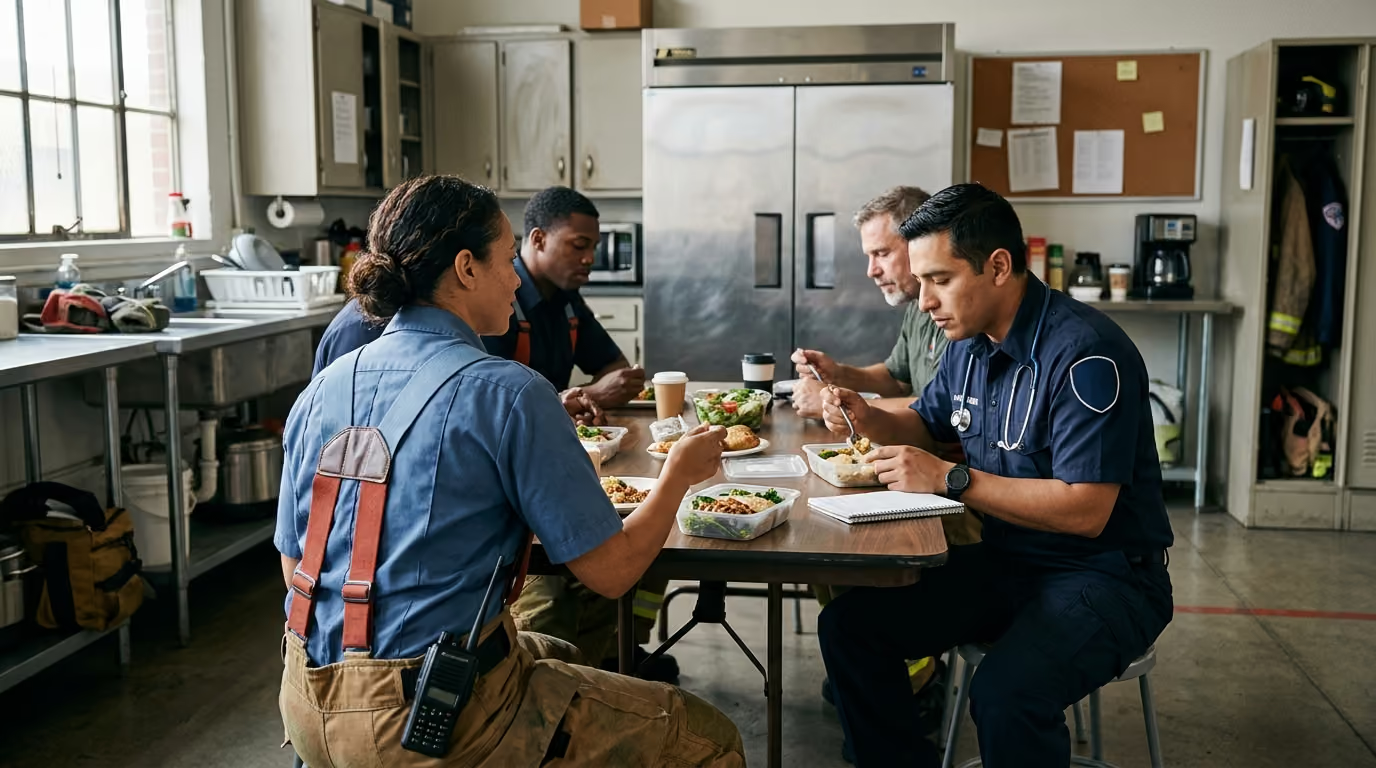
You clear the hospital bay at two in the morning, finish documentation in the front seat, and realize your last solid meal was ten hours ago. The station refrigerator is miles away, dispatch is holding pending calls, and the only open businesses are a drive-through lane and a gas station convenience store. In that moment, rigid meal prep advice fails. What you need is an operational decision framework that works in the field.
Eating on shift is rarely a failure of personal discipline. It is a logistical problem shaped by interrupted breaks, unpredictable call volume, heavy gear, and limited access to fresh food. When cooking at home or carrying a cooler is impossible, you can still protect your physical readiness, maintain steady energy, and support long-term metabolic health. The goal is not perfection at every stop. The goal is using simple, repeatable decision rules to choose the best available food in any environment.
The core shift-eating framework
When access to optimal food is cut off, construct your meal around five practical components:
- A clear protein anchor to support muscle repair and long-term satiety.
- Produce or high-fiber food to slow digestion and provide micronutrients.
- Carbohydrates matched to workload to fuel physical demands without causing post-meal lethargy.
- Hydration focused on water and essential electrolytes while limiting liquid sugars.
- Portion sizes adjusted to the clock so that large meals do not disrupt tactical movement or daytime sleep.
By applying this sequence across restaurants, drive-throughs, hospital cafeterias, and convenience stores, you remove the guesswork from eating on duty.
What the evidence shows on shift nutrition
Research examining shift work, tactical physiology, and metabolic health shows that irregular working hours present distinct biological challenges. The evidence base includes robust nutritional biochemistry alongside occupational studies of firefighters, law enforcement personnel, and emergency medical clinicians.
Current literature demonstrates several consistent findings:
- Circadian disruption alters digestion. Metabolic research indicates that insulin sensitivity, gastric motility, and glucose tolerance drop during late-night and early-morning hours. Eating heavy, carbohydrate-dense, or high-fat meals during the biological night leads to higher blood lipid spikes and greater digestive distress compared to eating the same meals during daytime hours.
- Protein requirements are elevated for tactical readiness. Evidence published in tactical sports medicine reviews indicates that active first responders benefit from higher daily protein intakes, typically between 1.4 and 2.0 grams per kilogram of body weight per day. Single doses of roughly 30 grams of high-quality protein effectively stimulate muscle protein synthesis and promote prolonged satiety across unpredictable gaps between meals.
- Carbohydrate needs depend directly on physical output. Carbohydrates serve as the primary fuel source for high-intensity physical exertion, structural firefighting, suspect apprehension, and heavy patient extrications. However, when duties involve prolonged periods of stationary patrol or desk work, excessive refined carbohydrates produce rapid blood sugar swings that worsen shift-related fatigue.
- Dietary quality on shift is consistently lower than off shift. Observational studies examining EMS professionals and firefighters reveal that food consumed during active duty tends to be higher in sodium, saturated fat, and added sugars than food eaten on off-duty days. This difference is driven primarily by convenience, time limitations, and environmental availability rather than a lack of health awareness.
- Fluid and electrolyte deficits impair cognitive and physical performance. Research on firefighter rehabilitation demonstrates that sweat rates under protective gear can quickly outpace fluid consumption. Dehydration increases cardiovascular strain, elevates core body temperature, and impairs decision-making under stress.
While research has not identified a single universal diet plan that fits every emergency worker, the evidence strongly supports structured, flexible eating patterns built on whole food components.
The operational realities of emergency service
Standard dietary advice assumes a predictable schedule with set lunch hours, quiet break rooms, and stable access to a refrigerator. First responder work routinely disrupts these assumptions.
A crew may sit down to eat, only for the alarm tones to drop while the food is still hot. Meals are frequently abandoned, eaten cold hours later, or consumed in under three minutes in the front seat of a moving vehicle. Furthermore, the physical demands of the job are highly intermittent. A paramedic or police officer may transition from two hours of low-activity report writing directly into a maximal-effort physical struggle, structural fire, or CPR call.
Physical load and protective equipment also alter digestive tolerance. Heavy body armor, structural firefighting turnout gear, and duty belts exert direct pressure on the abdominal cavity. Consuming large, greasy, or highly acidic meals before putting on tight duty gear increases the risk of severe gastrointestinal reflux, cramping, and sluggishness.
Finally, shift timing shifts the body's internal clocks. Working rotating shifts, 24-hour tours, or permanent overnights alters hunger hormones like ghrelin and leptin. These hormonal shifts increase cravings for energy-dense, highly processed carbohydrates and fried foods precisely when the body is least equipped to process them efficiently. Understanding these operational realities allows you to choose foods that support duty readiness rather than fighting your physiology.
The five-part plate for field meals
To make rapid, reliable choices under time pressure, use the five-part plate system. You can review our broader meal planning strategies for emergency shifts to see how this fits into a complete operational routine. When you walk into any food establishment, run through these five checkpoints in order.
1. Protein anchor
Select your protein source first. Protein stabilizes blood sugar levels, maintains lean muscle mass, and keeps you full when the next meal window is unpredictable. Aim for approximately 25 to 40 grams of protein depending on your body size and daily targets.
Look for protein sources that are grilled, roasted, baked, or boiled rather than deep-fried. Excellent on-shift protein choices include:
- Grilled chicken breast, tenderloins, or patties
- Sliced roast turkey, lean ham, or roast beef
- Canned or pouched tuna, salmon, or chicken
- Plain or low-sugar Greek yogurt and cottage cheese
- Hard-boiled eggs or egg-white scrambles
- Black beans, pinto beans, edamame, or firm tofu
- Low-sodium beef, turkey, or salmon jerky
Ensure that the item provides an adequate total amount of protein. A light sprinkling of cheese or a handful of peanuts contains fat and trace protein, but it does not constitute a complete protein anchor for an eight-to-fourteen-hour shift.
2. Produce and dietary fiber
Produce provides volume, micronutrients, potassium, and soluble and insoluble fiber. Fiber slows gastric emptying, preventing sharp energy crashes after eating, and supports gut motility during periods of irregular sleep.
Scan the menu for visible vegetables or whole fruit. Look for:
- Side salads with dark leafy greens
- Steamed, roasted, or grilled vegetables such as broccoli, green beans, or peppers
- Vegetable-based soups like minestrone, lentil, or tomato vegetable
- Fresh whole fruit such as apples, bananas, oranges, or cups of mixed berries
- Pico de gallo, tomato salsa, lettuce, tomato, and onion added generously to sandwiches or bowls
Be cautious with salads that disguise high levels of saturated fat and refined carbohydrates. A bowl of iceberg lettuce covered in creamy dressing, processed bacon bits, croutons, and shredded cheese can easily exceed the caloric load of a double cheeseburger without providing lasting operational energy.
3. Workload-matched carbohydrates
Carbohydrates are your operational fuel. Rather than eliminating them or consuming them without limits, match the type and amount of carbohydrate to your expected physical output over the next four hours.
If you anticipate heavy physical labor, structural fires, strenuous tactical training, or prolonged foot patrols, select carbohydrates that digest steadily to replenish glycogen:
- Steamed brown or white rice
- Baked potatoes or sweet potatoes
- Whole-wheat bread, rolls, or whole-grain wraps
- Oatmeal or overnight oats
- Beans, lentils, and corn
If you expect a quiet period, extensive vehicle operations, or a chance to sleep, keep carbohydrate portions modest. Prioritize fiber-rich options like fruit, vegetables, or smaller portions of whole grains to avoid sudden drowsiness behind the wheel.
4. Smart fats and sodium management
Dietary fat is essential for hormone production and nutrient absorption, but high amounts of added fat slow digestion excessively. Meals heavy in deep-fried oils, heavy cream, and processed animal fats can sit in the stomach for hours, leading to gastrointestinal discomfort during sudden physical exertion.
Control added fats with these adjustments:
- Order creamy dressings, mayonnaise, aioli, and special sauces on the side.
- Choose vinaigrettes, mustard, hot sauce, salsa, or lemon juice for flavor.
- Pick baked, grilled, or roasted sides over French fries, onion rings, or potato chips.
- Use moderate portions of wholesome fats such as sliced avocado, nuts, or seeds.
Sodium requires a balanced approach. Emergency personnel working in heavy gear or high heat lose significant amounts of sodium through sweat. For those individuals, moderate sodium in restaurant food aids fluid retention and prevents cramping. However, if your shift involves prolonged sitting and minimal sweating, stacking heavily processed cured meats, canned soups, and salty sides can lead to fluid retention, elevated blood pressure, and sluggishness.
5. Fluids and hydration timing
Your fluid choice completes the meal. Liquid calories from regular sodas, sweetened iced teas, frozen coffee drinks, and oversized juice blends enter the bloodstream rapidly, causing steep glucose spikes followed by fatigue.
Make your default drink water, sparkling water, or unsweetened iced tea. If you need flavor, choose water infused with lemon or zero-calorie flavorings. Save dedicated electrolyte beverages for times when you are actively losing sweat through heat exposure or heavy gear.
Navigating drive-throughs and fast-food counters
Fast-food restaurants are common options during late-night shifts and short response windows. You do not need to avoid them entirely to maintain a healthy diet. Use these strategies to make fast-food meals functional for duty.
Burger restaurants
Fast-food burger chains offer accessible options if you modify standard combinations:
- The protein base: Choose a single or double hamburger patty, or a grilled chicken sandwich if available. A single or double patty provides quality protein and iron without excessive saturated fat.
- Smart customizations: Skip the mayonnaise and special sauce, or ask for them on the side so you can use a single light spread. Add extra lettuce, tomato, pickles, and onions to increase volume.
- Side swaps: Replace large French fries with a side salad, apple slices, or a cup of fruit if the chain offers them. If you prefer fries, choose the smallest available size rather than upgrading the value meal.
- Drink selection: Pair the meal with cold water, unsweetened iced tea, or black coffee.
Mexican-style fast casual
Mexican-style establishments offer excellent control over ingredients, making them among the easiest places to build a balanced meal:
- The foundation: Order a burrito bowl or salad bowl instead of a large flour tortilla wrap. A large flour tortilla alone can add hundreds of calories of refined carbohydrates before any filling is added.
- Protein choices: Select grilled chicken, steak, carnitas, or barbacoa. Double protein is a reliable way to hit a 40-gram target.
- Fiber and micronutrients: Add a double portion of fajita vegetables, a scoop of black or pinto beans, and fresh tomato salsa or salsa verde.
- Managing energy density: Choose either guacamole or cheese, rather than full portions of both, along with sour cream. Salsa provides moisture and bold flavor with minimal added fat.
Sub and sandwich shops
Sandwich shops allow direct customization, but the final nutritional quality depends heavily on bread and sauce choices:
- The bread: Select a six-inch sub on whole-grain bread or turn the sandwich into a salad or wrap bowl.
- The meat: Look for sliced roast turkey, chicken breast, roast beef, or lean ham. Limit heavily processed, cured meats such as salami, pepperoni, and bologna, which pack high amounts of sodium and saturated fat relative to their protein content.
- Vegetable loading: Request maximum vegetables: spinach, cucumbers, green peppers, tomatoes, onions, and banana peppers.
- Condiments: Use yellow or brown mustard, vinegar, oregano, and black pepper. If you want mayonnaise or oil, request a light spread rather than the standard heavy pour.
Quick-service chicken restaurants
Chicken chains provide straightforward access to lean protein, provided you look past the deep fryer:
- Primary pick: Choose grilled chicken breast sandwiches, grilled nuggets, or grilled chicken wraps.
- Sides: Select fruit cups, side salads, or grilled corn over waffle fries, biscuits, and mac and cheese.
- Sauce awareness: Fast-food dipping sauces often contain high levels of sugar and soybean oil. Check the labels, choose barbecue or hot sauce, or use a fraction of the packet.
Hospital cafeterias and station delis
Hospital cafeterias are common meal stops for transport crews and emergency responders. Because they serve a wide variety of foods, they offer great flexibility if you take time to survey the entire layout before grabbing a tray.
Navigating the main hot line
Avoid immediately taking the featured daily comfort meal, which is often pasta covered in cream sauce, fried meatloaf, or breaded cutlets:
- Look for the carved meat station or simply prepared proteins, such as roasted turkey breast, baked salmon, flank steak, or baked chicken quarters.
- Check the vegetable pans. Ask the server for a generous portion of steamed vegetables, roasted squash, green beans, or carrots. If the vegetables are swimming in butter, ask for a scoop from the top or drain the serving spoon against the pan edge.
- Select a clean starch: a plain baked sweet potato, steamed brown rice, or roasted red potatoes.
Building a functional salad bar
A self-serve salad bar offers total portion control, but it requires a systematic approach to ensure you get adequate energy without hidden calorie bombs:
- Step 1: Greens. Fill half the container with dense leafy greens like spinach, spring mix, or romaine rather than plain iceberg lettuce.
- Step 2: Colorful produce. Add cucumbers, shredded carrots, bell peppers, broccoli florets, beets, and tomatoes.
- Step 3: Protein anchor. Add hard-boiled eggs, diced chicken breast, plain tuna, cottage cheese, edamame, or chickpeas. Ensure you add enough protein to match the size of your palm.
- Step 4: Smart crunch and fat. Add a tablespoon of sunflower seeds, walnuts, or sliced almonds instead of fried croutons or bacon bits.
- Step 5: Dressing. Choose olive oil and vinegar, or request a lighter vinaigrette. Keep the dressing in a separate small container and dip your fork into it before each bite.
Deli and soup combinations
A classic soup and sandwich combination provides a warm, comforting meal during cold weather shifts, but sodium levels can accumulate quickly:
- Choose broth-based vegetable, chicken noodle, or minestrone soups over heavy cream-based bisques, clam chowders, or broccoli cheddar soups.
- Pair a cup of broth-based soup with a lean turkey or roast beef half-sandwich on whole-grain bread.
- Add an apple, banana, or side salad to complete the plate.
Convenience stores and vending machines
When calls are stacked and restaurants are closed, a gas station convenience store becomes your primary supply point. Rather than looking for a single pre-made meal, treat the convenience store as a component market where you assemble individual whole food items.
High-value convenience store combinations
Look for combinations that satisfy the protein, produce, and functional fuel requirements:
- The dairy and fruit pack: Single-serve plain or low-sugar Greek yogurt (15 to 20 grams of protein), a banana or apple from the counter basket, and a small bag of raw almonds or walnuts.
- The deli protein pack: Two hard-boiled eggs (commonly sold in two-packs in the dairy case), an individual package of string cheese, baby carrots with hummus, and a bottle of plain water.
- The seafood and whole-grain pack: A single-serve, seasoned tuna or salmon pouch (lemon pepper or sweet spicy), a package of whole-wheat pita crackers, and a fresh orange.
- The cold cuts and produce box: Pre-packaged turkey breast roll-ups, pre-cut celery and carrot sticks with guacamole dip, and a sparkling water.
How to evaluate protein bars
Protein bars are marketed as fitness foods, but many are nutritionally identical to candy bars with added whey isolate. When selecting a protein bar from a convenience store rack, check the nutrition facts panel:
- Protein content: Look for at least 15 to 20 grams of protein per bar.
- Added sugars: Look for bars that keep added sugars under 5 to 8 grams. Be mindful of sugar alcohols like maltitol or sorbitol, which can cause significant gas, bloating, and cramping during an active shift.
- Dietary fiber: Aim for bars with 5 to 10 grams of dietary fiber from natural sources like oats, nuts, or chicory root.
- Total energy: Match the total calories to your needs. A 200-calorie bar functions well as an emergency bridge between calls, while a 400-calorie bar serves as a full meal replacement during long operations.
Vending machine triage
If you are stranded at an outpost or substation with only a coin-operated vending machine, you can still make functional choices:
- First priority (Fluids): Buy bottled water, unsweetened tea, or black coffee instead of soda or high-sugar fruit drinks.
- Second priority (Protein and healthy fats): Look for roasted peanuts, almonds, mixed nuts, sunflower seeds, or beef jerky strips.
- Third priority (Fiber and carbohydrates): Select whole-wheat crackers with peanut butter, plain popcorn, or small bags of pretzels over chocolate bars, pastries, and potato chips.
- Emergency sweet handling: If only sweet confections are available and you are experiencing genuine hypoglycemia, choose a peanut-based candy bar. The fat and protein from the peanuts will slow the absorption of sugar compared to pure gummy or hard candies.
Meal timing across shifts and rotations
What you eat matters, but when you eat determines how well your body uses that fuel. For deeper insight into nocturnal metabolic regulation, review our detailed guide on nutrition timing across night shifts.
Day shift strategy
Day shifts align closely with natural circadian biology, meaning your digestive tract processes food efficiently:
- Pre-shift (0530 to 0700): Consume a balanced meal containing protein, complex carbohydrates, and fluid at home. Good options include eggs with whole-grain toast and fruit, or overnight oats made with Greek yogurt.
- Mid-shift meal (1130 to 1330): Take advantage of your primary meal window to eat a complete five-part plate. Include a solid protein anchor, a generous serving of vegetables, and complex carbohydrates to sustain you through afternoon calls.
- Late afternoon bridge (1600 to 1730): If your shift extends into overtime or evening traffic, consume a light bridge snack like an apple with string cheese or a handful of almonds to prevent severe hunger on the drive home.
Night shift strategy
Night shifts require a completely different tactical approach to avoid gastrointestinal distress, insulin resistance, and fragmented daytime sleep. National health research organizations like the National Institute for Occupational Safety and Health emphasize that night workers should avoid large, heavy meals during late-night hours.
- Pre-shift meal (1700 to 1830): Eat your main meal of the day before your shift begins. Treat this as your primary dinner, including lean protein, colorful vegetables, complex carbohydrates, and plenty of water.
- Early shift (2100 to 2300): If hungry, consume a moderate meal composed of lean protein, vegetables, and easily digested carbohydrates.
- The biological night window (0100 to 0500): Minimize heavy food intake during this period. Digestive motility drops significantly, and large meals increase sleepiness and trigger acid reflux. If hunger strikes, use light snacks: a cup of bone broth, Greek yogurt, a piece of fruit, or a small handful of walnuts.
- Pre-sleep recovery (0630 to 0800): Do not go to bed uncomfortably full or completely starving. A large, greasy breakfast after shift disrupts daytime sleep and causes reflux. If you are hungry, eat a small, easily digested meal: a slice of whole-grain toast with peanut butter, a small bowl of oatmeal, or a hard-boiled egg with water.
Hydration, heat stress, and caffeine
Proper hydration supports blood volume, cognitive clarity, and cardiovascular efficiency. For emergency personnel, fluid management is an operational safety requirement.
Daily baseline hydration
General guidelines from the Institute of Medicine set baseline adequate fluid intake at approximately 2.7 liters per day for women and 3.7 liters per day for men, counting all fluids from water, beverages, and food.
First responders require structured hydration rather than drinking massive quantities all at once:
- Keep a reusable water container in the vehicle cab or station office.
- Sip steadily throughout the tour rather than drinking an entire liter right before an assignment.
- Monitor urine color: aim for pale yellow, like straw or lemonade. Dark amber urine indicates dehydration, while completely clear urine produced constantly may indicate you are drinking too fast without retaining fluids.
Managing sweat and heat exposure
When operating in structural turnout gear, hazmat suits, or high heat, sweat rates can reach 1.0 to 2.0 liters per hour.
Guidelines from tactical sports nutrition recommend:
- Immediate replenishment: Drink roughly 0.4 to 0.8 liters of fluid for every hour of heavy physical work under heat stress.
- Electrolyte inclusion: When working in high temperatures, high humidity, or during physical exertion lasting longer than two hours, replace lost sodium and potassium. Use oral rehydration salts, lower-sugar electrolyte packets, or lightly salted foods alongside plain water.
- Sports drinks in context: Standard commercial sports drinks contain significant amounts of simple sugars designed for athletes running continuous marathons. During ordinary low-intensity shift duty, these drinks add unneeded sugars. Reserve full-strength sports drinks or oral rehydration solutions for active physical rehabilitation following major incidents.
Tactical caffeine management
Caffeine is a potent operational tool for alertness, but mismanaging it ruins sleep quality and increases anxiety. For a structured approach to alertness, explore our recommendations on strategic caffeine use during shift work.
Health agencies like the Food and Drug Administration identify 400 milligrams of caffeine daily as an amount not generally associated with negative side effects in healthy adults. This equals roughly three to four standard eight-ounce cups of brewed coffee.
Apply these rules for caffeine on duty:
- Check the labels: Energy drinks can contain anywhere from 80 to over 300 milligrams of caffeine per can. Account for all sources, including coffee, pre-workout mixes, sodas, and energy drinks.
- Use the half-life rule: Caffeine has an average elimination half-life of five to six hours. If you plan to sleep at 0800 after a night shift, cut off all significant caffeine intake between 0100 and 0200.
- Avoid caffeine escalation: If you are chronically fatigued, escalating caffeine doses will not restore reaction time or cognitive accuracy. It will merely increase resting heart rate, elevate blood pressure, and fragment your next sleep window. To fix the root cause, establish structured sleep strategies for rotating shifts.
Food safety in vehicles and station houses
Foodborne illness ruins operational capability. First responders face distinct food safety risks because meals are frequently interrupted and left sitting at room temperature in warm apparatus bays, patrol cars, and station kitchens.
According to food safety standards from the Food and Drug Administration:
- The two-hour danger rule: Perishable cooked food, cut meats, dairy products, and prepared takeout items must be refrigerated at or below 40 degrees Fahrenheit (4 degrees Celsius) within two hours of purchase or cooking.
- The one-hour heat rule: If the ambient temperature inside a vehicle or station bay exceeds 90 degrees Fahrenheit (32 degrees Celsius), perishable food becomes unsafe after just one hour at room temperature.
- The reheat requirement: When reheating takeout food or station leftovers, heat the meal thoroughly until it reaches an internal temperature of 165 degrees Fahrenheit (74 degrees Celsius).
If a high-priority call interrupts your takeout meal and your food sits on the apparatus bench or patrol seat for three hours, throw it away. Dealing with hunger is inconvenient; dealing with sudden, severe food poisoning during an emergency response is dangerous. Keep shelf-stable emergency snacks in your gear bag so you are never forced to eat compromised food.
Operational limits and clinical safety
While practical nutrition strategies improve day-to-day resilience, you must balance operational goals with personal health limits.
Avoid drastic, highly restrictive diets during active duty blocks. Extreme carbohydrate elimination or severe caloric deficits reduce physical strength, impair thermal regulation, and cause cognitive deficits during high-stress calls. If your goal is fat loss, create modest, sustainable caloric deficits during off-duty days and light shifts while preserving adequate fuel for heavy operational assignments. Explore our complete nutrition and body composition resources for sustainable long-term strategies.
Never compromise driving safety or tactical situational awareness to eat or drink. Consuming food while driving an emergency vehicle under priority conditions, managing communication radios, or monitoring suspect behavior introduces dangerous distractions. Eat only when the vehicle is safely parked and you can dedicate attention to your surroundings.
When professional support matters
A structured on-shift eating framework solves common operational problems, but it cannot replace specialized medical evaluation.
Consult a licensed healthcare professional, such as a registered dietitian, board-certified physician, or endocrinologist, if you experience:
- Persistent gastrointestinal distress, chronic acid reflux, severe bloating, or unexplained abdominal pain.
- A personal diagnosis of type 1 or type 2 diabetes, metabolic syndrome, chronic kidney disease, or cardiovascular disease requiring individualized dietary adjustments.
- Unexplained, chronic fatigue that does not resolve after restoring sleep and hydration.
- A history of disordered eating patterns, extreme anxiety surrounding food choices, or cycles of severe restriction followed by binge eating.
When to revisit this resource
Review this guide whenever your operational environment changes:
- When transitioning from steady day shifts to rotating or permanent night tours.
- When moving into high-heat summer operations or wildfire deployment cycles.
- When changing assignments from active field responses to prolonged vehicle or desk duties.
- When you find yourself routinely defaulting to high-sugar, deep-fried convenience foods due to operational stress.
Building reliable nutrition habits on shift is not about achieving culinary perfection; it is about establishing repeatable, resilient defaults that protect your readiness on duty and your health long into retirement.
Sources
- NIOSH Training for Nurses on Shift Work and Long Work Hours
- Fuelling Performance, Resilience, and Recovery in Military ...
- Diet & Nutrition - NIDDK
- Strategies for Improving Firefighter Health On-Shift: A Review - PMC
- NIOSH Training for Nurses on Shift Work and Long Work Hours
- Characterizing the Quality of On- and Off-Shift Dietary Intake by EMS ...
- (PDF) Circadian Adaptation to Shift Work
- (PDF) COPING WITH SHIFT WORK - American Academy of Sleep Medicine
- Diet Suggestions for Night-Shift Nurses (Continued) - CDC Archive