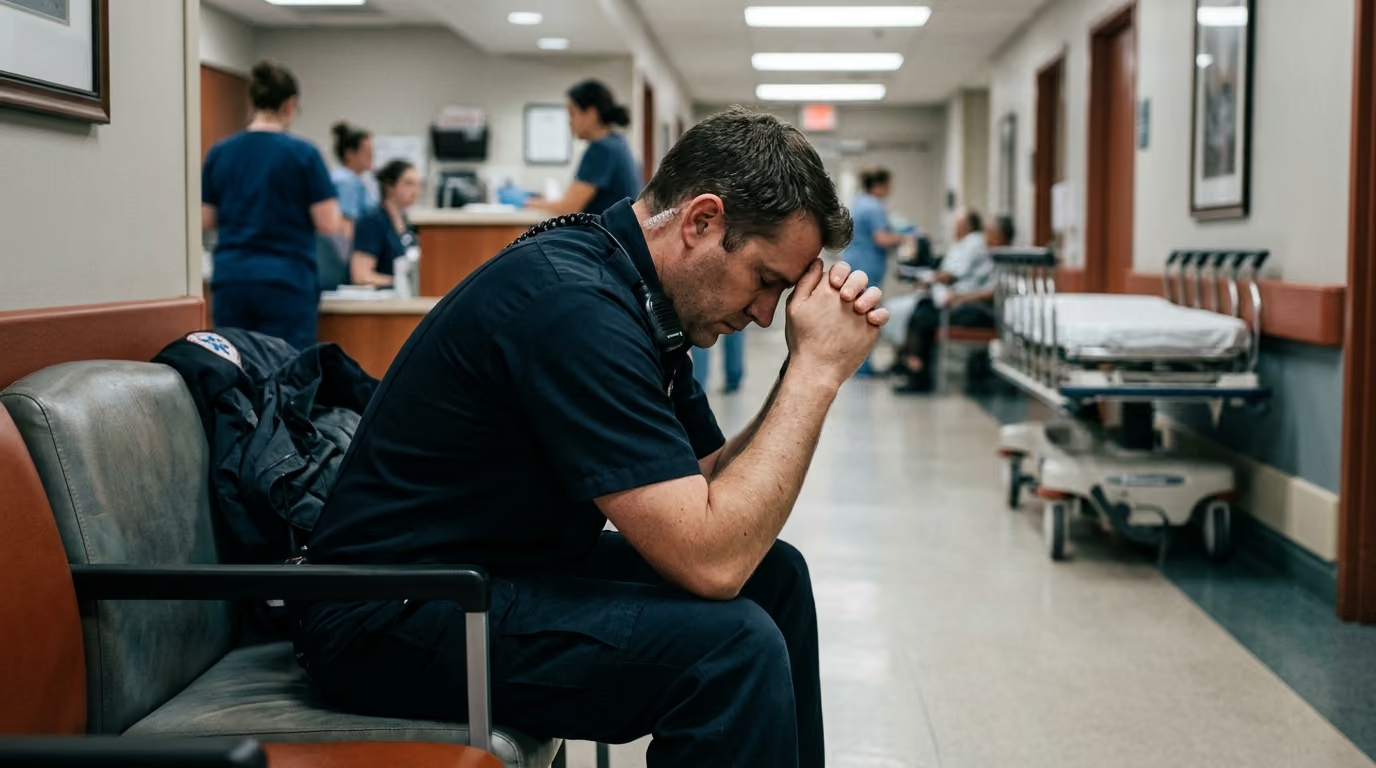

First responders build lasting psychological resilience by separating duty-based composure from chronic suppression to prevent burnout, moral injury, and compassion fatigue.





If you or someone you know is in immediate danger, call 911. If you are experiencing a mental health crisis, call or text 988 to reach the Suicide & Crisis Lifeline (press 1 for the Veterans Crisis Line) or text 838255 for confidential support.
Professional composure is the temporary, task-focused regulation of emotion that allows emergency personnel to make sound decisions and protect life under pressure. Emotional suppression is the chronic, involuntary concealment or denial of internal distress across both duty and personal life. Composure is a vital operational skill that preserves safety. Suppression is an unsustainable coping pattern that increases the risk of burnout, sleep disruption, and behavioral health strain.
True professionalism is not the absence of emotion. It is the ability to notice, regulate, communicate, and recover from intense emotional responses without allowing them to compromise operational judgment. This guide examines the boundary between functional containment and harmful avoidance, details the physiological and psychological evidence across emergency services, and provides practical systems for building sustainable operational capability.
Emergency services require personnel to function in volatile environments. When arriving at a multi-casualty collision or structure fire, a responder cannot stop to process grief or fear. Task-focused emotional regulation is mandatory for survival and public safety. Confusion arises when the ability to set emotion aside during a call becomes a lifelong habit of denying all vulnerability.
Understanding the difference requires clear definitions of common regulatory behaviors:
Composure is not emotional absence. An experienced paramedic or police officer can remain visibly calm while maintaining complete awareness of their physiological arousal. The goal of composure is controlled attention and behavioral flexibility. Avoidant suppression, by contrast, locks the nervous system into rigid concealment.
The distinction between healthy regulation and avoidant suppression appears clearly in daily operational habits. A responder using healthy regulation might think, "I am physically activated, but I can execute the next safe step." They acknowledge the stress, complete the assignment, and utilize downtime or peer support to decompress. A responder relying on avoidant suppression operates under the rule, "I must never feel or show anything." They bury their reactions, postpone recovery indefinitely, and view any sign of fatigue as personal weakness.
Data gathered across emergency medical services, fire protection, and law enforcement indicates that chronic stress takes a measurable toll on behavioral health. Research published by the Substance Abuse and Mental Health Services Administration (SAMHSA) estimates that approximately 30 percent of first responders develop behavioral health conditions, including depression and post-traumatic stress, compared to 20 percent of the general population.
Systematic reviews demonstrate substantial variation in symptom rates across different branches of emergency response. Research examining occupational mental health profiles reports the following prevalence ranges:
Emergency exposures do not automatically cause clinical trauma. Acute stress reactions are normal human responses following severe critical incidents. Personnel may experience short-term sleep disruption, intrusive memories, irritability, and heightened physiological arousal. Clinical guidelines from the National Institute for Health and Care Excellence (NICE) emphasize that when acute symptoms are mild and have lasted less than four weeks, structured monitoring and practical support are preferred over aggressive psychological treatment.
PTSD is defined by persistent, impairing symptoms lasting well beyond the immediate aftermath of an event. These include re-experiencing, active avoidance of reminders, negative alterations in cognition and mood, and sustained hyperarousal. Differentiating normal acute stress from persistent disorders protects responders from unnecessary pathologizing while ensuring that chronic conditions receive proper clinical care.
Evidence regarding early post-incident intervention has evolved significantly. Guidelines from the World Health Organization (WHO) and NICE advise against mandatory, psychologically focused debriefing that forces responders to recount traumatic details immediately after an incident. Research shows that mandatory debriefing provides no clear preventive benefit and can worsen outcomes for some individuals. WHO strongly recommends Psychological First Aid instead. This approach focuses on practical comfort, physical safety, basic needs, and voluntary peer connection without requiring emotional disclosure.
Emergency service organizations possess strong cultural norms centered on stoicism, self-reliance, and physical grit. These traditions build unit cohesion and help crews perform during chaotic events. However, when unexamined, these same cultural strengths create systemic barriers to recovery.
The culture of stoicism often teaches new recruits that acknowledging stress equals professional incompetence. Common station phrases such as "leave your problems at the door" or "if you cannot handle this call, you are in the wrong job" turn normal human reactions into secrets. Personnel learn to hide exhaustion to protect their professional standing.
Hyperavailability has become another rewarded occupational behavior. In many agencies, working endless overtime, answering off-duty messages, and skipping leave are viewed as badges of honor. This work pattern creates severe self-neglect. Responders routinely skip meals, sacrifice restorative sleep, ignore physical injuries, and abandon personal relationships to cover organizational staffing shortages.
The fear of professional repercussions remains a major driver of chronic concealment. Literature examining emergency service populations reveals that a significant portion of personnel fear negative career consequences if they seek mental health support. Many believe supervisors would view them as unreliable or unfit for duty. A study surveying first responder populations noted that only 13 percent of responders experiencing symptoms sought professional treatment, highlighting a deep divide between operational distress and formal support utilization.
Identity fusion deepens this vulnerability. When an individual views their identity solely through their badge or uniform, any internal struggle threatens their core sense of self. A firefighter or officer who cannot admit to feeling overwhelmed will often double down on aggressive self-reliance. They use dark humor, excessive training, or complete detachment to mask their distress.
Cultural pressures do not affect all personnel equally. Probationary recruits, junior officers, dispatchers, volunteers, and personnel from underrepresented backgrounds often face heightened scrutiny. A probationary firefighter may fear that admitting to sleep disruption will cost them their job. A dispatcher dealing with secondary traumatic stress from repeated crisis calls may feel their distress is invalid because they were not physically on scene.
Distinguishing between healthy operational composure and toxic avoidance requires objective assessment. Responders can evaluate their coping patterns using a practical five-part framework:
When containment is functional, flexible, conscious, and followed by genuine recovery, it represents professional composure. When suppression is rigid, permanent, costly, and involuntary, it represents chronic avoidance.
Sustainable readiness operates as a continuous cycle rather than a state of permanent deployment. An effective operational cycle includes five distinct phases:
Systems that demand continuous performance without structured recovery consume their workforce. True readiness requires organizations and individuals to respect the recovery phase as an operational requirement.
Emotional suppression and chronic availability carry severe physiological and psychological costs. Denying the body basic recovery does not eliminate stress; it transfers the load to cardiovascular, metabolic, and neural systems.
The combination of continuous emotional vigilance, irregular shift work, and sleep deprivation disrupts the autonomic nervous system. Responders who maintain an uninterrupted operational mindset show elevated resting heart rates and prolonged cortisol production. Over years of service, this sustained sympathetic activation contributes to hypertension, systemic inflammation, and metabolic disorders.
The psychological costs of chronic concealment frequently manifest in specific occupational conditions:
Burnout is characterized by physical exhaustion, cynicism, depersonalization, and a perceived loss of professional capability. Compassion fatigue represents the progressive erosion of empathy caused by constant exposure to human suffering. When personnel suppress their natural responses to suffering, they often become emotionally detached to protect themselves. This detachment degrades patient care, increases communication errors, and damages crew morale.
Moral injury occurs when personnel witness, perpetrate, or fail to prevent actions that violate their moral values. In emergency response, this often stems from preventable tragedies, severe resource shortages, operational directives that compromise safety, or institutional betrayal by leadership. Unlike fear-based trauma, moral injury produces intense guilt, shame, and anger. Suppressing moral distress leads to deep cynicism and complete alienation from the organization.
Traumatic impact in emergency services is rarely caused by a single critical incident. It is driven by the steady accumulation of difficult calls over decades. Research demonstrates that a higher lifetime count of critical incident exposures correlates with increased odds of behavioral health strain. When personnel never process intermediate exposures, their psychological buffer erodes, leaving them vulnerable to sudden operational decompensation.
The downstream effects of chronic suppression ripple into home life. Responders who cannot disengage from tactical hypervigilance bring emotional detachment home to their families. Spouses and children experience the responder as emotionally distant, irritable, or unpredictable. This breakdown in social support removes the responder's primary buffer against duty stress, accelerating psychological isolation.
Transitioning from chronic suppression to sustainable composure requires practical, field-tested habits. These strategies bridge the gap between operational performance and physical recovery.
Responders can utilize structured grounding methods immediately after clearing a high-stress call. Taking two minutes in the apparatus or patrol vehicle to downregulate the nervous system resets physiological arousal. Simple techniques, such as physiological sighs or five-sense environmental grounding, help signal to the brain that immediate danger has passed. You can learn more about using practical grounding techniques between calls to clear residual adrenaline before arriving at the next incident.
Physical recovery forms the foundation of emotional regulation. An exhausted, dehydrated brain cannot regulate mood or executive function effectively. Responders should establish clear boundaries around off-duty rest. Protecting sleep requires managing light exposure, bedroom temperature, and caffeine intake. Implementing structured strategies for building a shift-specific sleep plan helps personnel maintain circadian stability across rotating tours.
Nutrition directly affects neurotransmitter production and autonomic stability. Extended shifts often lead to reliance on ultra-processed station food and energy drinks, which spikes blood glucose and increases anxiety-like physical symptoms. Establishing a reliable routine using a structured shift nutrition framework provides sustained physical energy and improves mental clarity during high-stress operational windows.
Communication habits within crews can be reshaped without undermining operational toughness. Informal decompression should be voluntary, non-coercive, and focused on shared reality. Peer support programs trained under SAMHSA models provide effective avenues for early intervention. Trained peers provide active listening, normalize stress reactions, reduce stigma, and assist colleagues in navigating formal resources when distress persists.
Setting professional boundaries protects long-term operational capability. Responders must learn to decline non-mandatory overtime when physical fatigue impairs their judgment. Refusing to answer non-emergency administrative communications while off duty preserves the mental separation required for nervous system recovery. Treating rest as a non-negotiable part of duty readiness supports lasting long-term career longevity.
Self-management and peer support are foundational, but they cannot replace licensed clinical care when distress becomes persistent or impairing. Recognizing the threshold where operational stress crosses into a clinical condition is a critical safety skill.
Responders should consider evaluation by a licensed mental health professional when experiencing any of the following patterns:
Clinical care for first responders must be culturally competent. Personnel should seek licensed clinicians who understand emergency service operations, shift work realities, and the cumulative nature of public safety trauma. Evidence-based therapies such as Cognitive Behavioral Therapy (CBT), Prolonged Exposure (PE), and Eye Movement Desensitization and Reprocessing (EMDR) have strong research support for resolving trauma-related conditions.
When safety concerns arise regarding self-harm, rapid intervention is essential. Means safety is a proven, life-saving measure during acute crises. If a responder is experiencing severe distress, temporarily securing personal firearms and dangerous items outside the home is a critical step. This should be arranged collaboratively with a trusted peer, family member, or clinician until stability is fully restored.
Occupational health services and Employee Assistance Programs (EAPs) can provide confidential initial pathways to care. Personnel should review their department's specific confidentiality policies, ensuring they understand the legal boundaries protecting their privacy during voluntary mental health consultations.
Individual effort alone cannot overcome toxic organizational design. True resilience is a systemic capability created through leadership behavior, work policies, and institutional culture.
Agency leadership directly shapes the emotional climate of the station and the field. Supervisors who demonstrate balanced professionalism model healthy habits for younger personnel. Effective supervisors avoid glorifying dangerous overwork. They conduct private, informal welfare checks after complex calls and openly discuss the importance of rest.
Organizations must address structural contributors to workforce fatigue. Chronic understaffing, forced overtime, and unpredictable shift schedules directly erode psychological resilience. Understanding and managing fatigue and circadian strain across department scheduling templates reduces operational errors and supports workforce retention.
Agencies should implement structured operational recovery systems, including:
Building psychological safety within an agency does not mean lowering operational standards or tolerating incompetence. It means creating an environment where personnel can report fatigue, operational errors, and emotional distress without fear of administrative retaliation or peer ridicule. Agencies that support both high operational performance and structured recovery build crews capable of serving their communities across full careers.
No. Composure during an active call is a protective performance skill that allows you to focus on tactical tasks and patient care. Emotional detachment becomes a concern only if you cannot disengage from that numbed state hours or days after the call ends.
Look for rigid behavior patterns that extend beyond duty hours. Warning signs include increasing cynicism, complete withdrawal from crew socializing, heavy alcohol use to sleep, explosive irritability over minor issues, and taking on extreme overtime to avoid going home.
Modern clinical guidelines from the World Health Organization and NICE advise against mandatory, emotionally focused debriefings. Post-incident support should be voluntary, focused on practical needs, physical rest, and peer connection through Psychological First Aid principles.
In most jurisdictions, voluntarily seeking outpatient counseling for stress, grief, or mild anxiety is confidential and does not affect your duty status. Fitness-for-duty evaluations are separate processes triggered by observable operational impairment, safety violations, or severe acute crises. Always confirm your agency's specific confidentiality policies and state protections.
Sustainable emergency capability requires both unwavering composure in the field and deliberate recovery away from it. Protecting your health, maintaining honest self-awareness, and seeking support when cumulative stress builds ensures you remain ready for the next call and the life that follows it.
Stay connected for research-led guidance on duty fitness, shift-work sleep, injury recovery, stress, nutrition and career longevity. Practical ideas for first responders who want to stay capable on the job, recover well and protect their health for the long run.



Read practical guidance on first responder fitness, recovery, sleep, nutrition and resilience for demanding work and a long, active career.
read the blog



