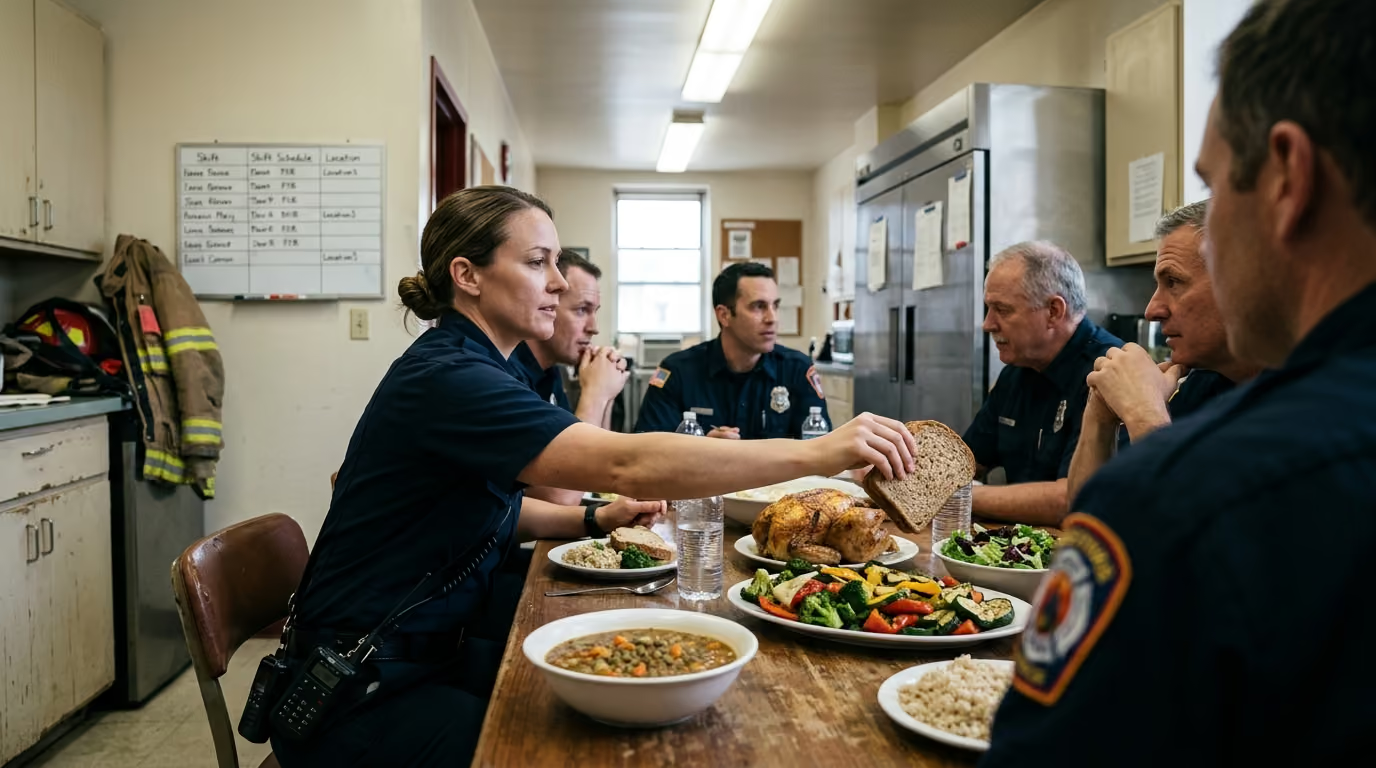

Long 24-hour station shifts demand smart nutrition strategies that lower cardiovascular disease risks without compromising the physical strength needed for intense fireground operations.





Standard cardiovascular nutrition advice tells people to cut sodium drastically, reduce calories, and avoid heavy carbohydrates. In emergency services, following that generic advice can lead to early fatigue, heat cramps, brain fog, and reduced strength during demanding operations.
A heart-healthy dietary strategy for first responders must accomplish two goals at once. It must protect long-term cardiovascular health while supplying enough energy, carbohydrates, protein, fluids, and electrolytes for grueling physical labor.
Nutrition serves as one part of a complete occupational health system. Food choices can improve blood pressure, blood lipids, and recovery capacity. However, nutrition cannot eliminate the intense physical stress of emergency scenes or replace regular medical evaluations.
Cardiovascular events remain the leading cause of duty-related fatalities across emergency services. U.S. Fire Administration data recorded 89 on-duty firefighter fatalities in 2023. A 2024 summit report from the U.S. Fire Administrator noted that roughly 50 percent of line-of-duty deaths stem from cardiovascular events. These events include acute myocardial infarction, sudden cardiac arrest, and stroke. National Fire Protection Association reports confirmed that heart attacks were the primary medical cause of fatal firefighter injuries in 2023.
Dietary patterns play a major role in managing modifiable vascular risk factors. Strong clinical trial evidence supports the cardiovascular benefits of structured eating patterns. The American Heart Association emphasizes overall dietary patterns over isolated nutrients or single supplements. Their dietary guidance prioritizes vegetables, fruits, whole grains, legumes, lean plant and animal proteins, and liquid vegetable oils.
Research on dietary sodium and blood pressure provides clear evidence. The Dietary Approaches to Stop Hypertension study, known as the DASH-Sodium trial, demonstrated substantial blood pressure reductions. Participants following the DASH dietary pattern experienced systolic blood pressure drops of 5.9, 7.2, and 8.9 mm Hg across high, intermediate, and low sodium intake levels. Diastolic pressure dropped by 2.9, 3.5, and 4.5 mm Hg across those same levels. Combining a nutrient-dense dietary pattern with moderate sodium reduction produced the largest clinical improvements.
For exercising personnel, protein intake recommendations from the International Society of Sports Nutrition range from 1.4 to 2.0 grams per kilogram of body weight per day. This intake supports muscle repair, physical readiness, and training adaptations. Combining an athletic protein target with a cardioprotective food pattern provides the structural foundation for sustainable career longevity.
Cardiovascular health and immediate operational fueling require different nutritional priorities. Everyday heart health focuses on blood pressure control, lipid management, systemic vascular health, and optimal body composition. In contrast, operational fueling focuses on immediate glycogen availability, neuromuscular performance, sustained hydration, and cognitive focus.
Emergency personnel must balance both priorities. Eliminating carbohydrates indiscriminately to lose weight can impair physical performance. Fireground tasks, victim rescues, and rapid stair climbs rely heavily on anaerobic and fast aerobic energy systems. These energy pathways depend directly on stored muscle and liver glycogen.
Base carbohydrates provide ongoing energy, dietary fiber, and micronutrients. Foods like oats, brown rice, beans, potatoes, and whole-wheat pasta support steady blood sugar levels and long-term lipid targets. Eating these foods throughout the week keeps glycogen stores full without relying on refined sugars.
Pre-incident and mid-shift nutrition demands faster digestion. When crews expect heavy calls or structured physical training, high-fiber and high-fat foods can cause stomach distress. Choosing lower-fiber carbohydrates, such as bananas, white rice bowls, or fruit purees, delivers quick energy to working muscles. Pairing these carbohydrates with lean protein after strenuous calls restores muscle tissue and restocks glycogen reserves.
You can learn more about coordinating these meal patterns by reading about meal planning across rotating shifts to stay fueled during long tours.
Sodium guidance creates significant confusion for emergency responders. Population health guidelines advise keeping sodium intake low to protect arterial walls and manage blood pressure. The Dietary Guidelines for Americans recommend keeping daily sodium intake below 2,300 milligrams. The American Heart Association suggests an optimal target of 1,500 milligrams per day for adults with elevated blood pressure.
However, prolonged physical labor inside personal protective equipment causes heavy sweat losses. Firefighters, tactical officers, and paramedics often lose between one and two liters of sweat per hour during intense responses. Sweat contains significant concentrations of sodium, potassium, and chloride. Severe sodium deficits can trigger painful muscle cramping, rapid fatigue, heat exhaustion, and impaired decision-making.
Managing sodium requires a two-context approach. On non-exertional days and during standard station routines, responders should follow general cardioprotective sodium guidelines. They should minimize fast food, frozen meals, cured sandwich meats, and heavily salted condiments.
During extended emergency calls, extreme heat exposure, or training sessions lasting longer than 90 minutes, responders must actively replace lost sodium. The National Athletic Trainers' Association recommends individualizing electrolyte and fluid replacement based on sweat rates and environmental conditions. Drinking pure water in large volumes without electrolytes during heavy sweating can lead to exertional hyponatremia. Responders should practice electrolyte replacement strategies during training rather than testing them during active emergencies.
Individuals with diagnosed hypertension, renal disease, or congestive heart failure must consult their physicians before using high-sodium electrolyte supplements.
Managing dietary fat is not about removing all fat from the diet. The American Heart Association recommends replacing saturated and trans fats with unsaturated liquid vegetable oils, nuts, seeds, and fatty fish. Saturated fats elevate low-density lipoprotein cholesterol, which accelerates atherosclerotic plaque formation inside coronary arteries.
Responders can make simple substitutions at the station house. Replace stick butter and lard with extra virgin olive oil, avocado oil, or canola oil during cooking. Swap processed breakfast meats for eggs, egg whites, ground turkey, or plant proteins. Incorporate salmon, tuna, or mackerel into weekly station dinner rotations to obtain cardioprotective omega-3 fatty acids.
Dietary fiber works alongside healthy fats to clear cholesterol and improve metabolic control. Viscous soluble fiber binds bile acids in the digestive tract, encouraging the liver to remove circulating cholesterol from the bloodstream. High-fiber diets also support a healthy gut microbiome, stabilize glucose levels, and improve satiety.
Responders should aim for 28 to 30 grams of dietary fiber daily. Excellent sources include black beans, pinto beans, lentils, rolled oats, berries, chia seeds, broccoli, and apples.
Responders must increase fiber intake gradually over several weeks. A sudden jump from a low-fiber diet to a high-fiber diet often causes bloating, abdominal cramping, and sudden bowel urgency. These symptoms can become problematic while wearing turnout gear or body armor. Drinking adequate water helps fiber pass smoothly through the digestive system.
Station cooking often revolves around large, heavy meals that lead to post-meal sluggishness. Building meals around a balanced visual template keeps cooking simple, supports heart health, and prevents midday fatigue.
This plate structure can adapt to any station meal. The following examples show how to prepare satisfying, high-volume meals that meet cardiovascular and performance standards.
Mix rolled oats with low-fat dairy milk or fortified soy milk. Stir in ground flaxseeds, chia seeds, and a scoop of unflavored whey or plant protein powder. Top the warm oats with fresh blueberries, sliced bananas, and a handful of raw walnuts.
This breakfast delivers complex carbohydrates, soluble fiber, unsaturated fatty acids, and high-quality protein. It avoids the excess sodium, saturated fat, and refined flour found in standard station breakfast sandwiches.
Fill whole-wheat wraps with sliced grilled chicken breast, cucumbers, diced tomatoes, shredded spinach, and kalamata olives. Add two tablespoons of garlic hummus or a homemade Greek yogurt tzatziki sauce instead of mayonnaise.
Serve the wraps with a side of fresh fruit and a handful of unsalted almonds. This portable lunch provides lasting energy without creating digestive discomfort during afternoon training or emergency responses.
Brown extra-lean ground turkey breast with onions, bell peppers, garlic, and celery. Stir in low-sodium crushed tomatoes, kidney beans, black beans, and diced chili peppers. Season the pot with cumin, chili powder, oregano, and smoked paprika rather than heavy salt.
Serve the chili over baked sweet potatoes or brown rice. Top each bowl with diced avocado and chopped cilantro. This meal provides substantial fiber, plant-based and animal protein, potassium, and minimal saturated fat.
Understanding nutrition and body composition strategies helps crews tailor these plate frameworks to their daily physical demands.
Long calls frequently delay planned meals. Crews must keep shelf-stable, heart-healthy snacks stored inside apparatus cabs and gear bags to avoid relying on gas station convenience foods.
Pack these resilient options:
When working overnight shifts, combining smart snacking with time-restricted eating overnight helps minimize digestive stress and metabolic dysfunction.
Maintaining a healthy body composition reduces chronic strain on the heart, lowers resting blood pressure, and improves operational mobility. A Centers for Disease Control and Prevention occupational analysis identified firefighters and law enforcement officers as having the third-highest obesity rates among male-dominated professions. A U.S. Fire Administration report noted that 36 percent of firefighters had an unhealthy body weight.
Carrying excess adipose tissue forces the heart to work harder during rest and exertion. It accelerates left ventricular hypertrophy, increases systemic inflammation, and raises the risk of obstructive sleep apnea. However, extreme calorie restriction is dangerous for active first responders. Crash dieting causes muscle loss, drops resting metabolic rate, causes lightheadedness, and impairs physical performance on duty.
Body Mass Index can misclassify heavily muscled first responders as overweight or obese. Personnel should assess multiple health markers together. These include waist-to-hip ratio, resting blood pressure, fasting lipid panels, blood glucose, and cardiorespiratory endurance.
To lose excess fat safely, create a minor caloric deficit of 300 to 500 calories below daily maintenance needs. This steady approach preserves skeletal muscle mass while slowly reducing fat stores. Pair this nutritional deficit with conditioning around irregular shifts to preserve muscular strength and aerobic fitness.
Applying nutritional science requires adapting to unpredictable operational demands. These five illustrative models demonstrate how to apply these concepts across common duty situations.
Profile: An experienced firefighter has a resting blood pressure of 142/92 mm Hg, regularly eats station pizza and processed meats, drinks sweetened iced tea, and wants to protect their heart.
Nutritional Strategy:
Profile: A new recruit strictly cuts carbohydrates and salt to get lean for the academy. The recruit experiences muscle cramps, afternoon exhaustion, headaches, and declining physical performance.
Nutritional Strategy:
Profile: A senior officer has substantial muscular strength and a high BMI. A recent medical evaluation revealed an expanding waist circumference, elevated triglycerides, and borderline fasting blood glucose. The officer eats most meals from commercial restaurants.
Nutritional Strategy:
Profile: Wildland crews and rescue personnel operate in heavy protective equipment for six hours in high temperatures. Crew members sweat heavily and have limited access to formal meals.
Nutritional Strategy:
Profile: An emergency medical technician working a 12-hour night rotation skips daytime meals, consumes high-calorie fast food at 2:00 a.m. relies heavily on energy drinks, and experiences digestive distress.
Nutritional Strategy:
Nutrition plays a vital role in occupational health, but it has distinct operational and physiological limits. Dietary changes improve modifiable risk factors like resting blood pressure, blood lipids, systemic inflammation, and metabolic function. However, food choices cannot eliminate the acute cardiovascular strain caused by emergency operations.
An alarm sounding triggers an immediate spike in heart rate and blood pressure through sudden sympathetic nervous system activation. Entering a burning structure or carrying heavy equipment in high heat creates cardiovascular strain that no diet can prevent.
Responders must never rely on dietary improvements to manage active medical symptoms. Never report for duty, drive emergency apparatus, or begin intense physical training if experiencing lightheadedness, chest discomfort, shortness of breath, or unexplained fatigue. Nutrition works best as one part of a comprehensive safety strategy that includes medical physicals, aerobic conditioning, sleep hygiene, and stress management.
Nutritional strategies support occupational health, but they do not replace formal clinical care. First responders must schedule comprehensive annual medical evaluations that follow occupational health standards, such as NFPA 1582 guidelines.
Consult a licensed healthcare provider, registered dietitian, or cardiologist in the following situations:
Seek immediate emergency medical care if you experience chest pain, radiating discomfort in the neck, jaw, or arms, sudden unexplained shortness of breath, heart palpitations, or fainting during or after duty.
Building a heart-healthy dietary pattern protects your cardiovascular system while delivering the energy required for demanding emergency work. Adopting these sustainable nutritional habits preserves physical capability during your active career and supports long-term health in retirement.
Stay connected for research-led guidance on duty fitness, shift-work sleep, injury recovery, stress, nutrition and career longevity. Practical ideas for first responders who want to stay capable on the job, recover well and protect their health for the long run.



Read practical guidance on first responder fitness, recovery, sleep, nutrition and resilience for demanding work and a long, active career.
read the blog



