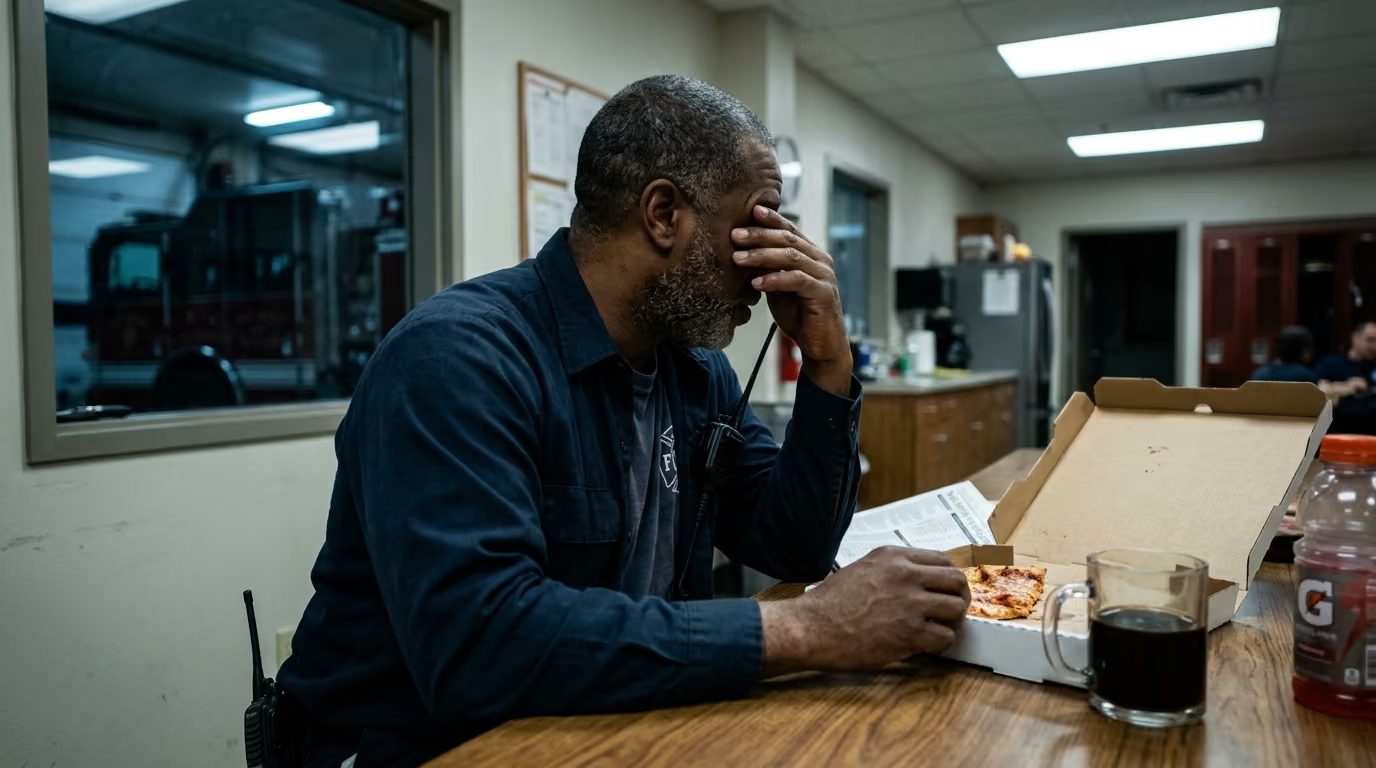

Battling intense junk food cravings during an overnight shift stems from disrupted hormones that strategic meal timing and planned fueling can control.





Most fitness and nutrition advice treats unwanted weight gain as a simple lack of discipline. If body composition changes for the worse, the standard assumption is that someone simply ate too much and moved too little. When sleep is cut short or rotated across the clock, biological hunger signals, glucose handling, and energy expenditure change automatically. Appetite regulation is not an isolated test of willpower. It is an endocrine, neurological, and metabolic process governed by circadian timing and sleep recovery.
When you sleep less than your body requires, hunger increases, insulin sensitivity drops, and the brain becomes far more responsive to calorie-dense foods. When work schedules force you to eat, train, and stay awake during the biological night, these disruptions multiply. Circadian misalignment changes how the body handles carbohydrates and fats, even when total daily calories remain identical. Managing body composition across a demanding career requires looking at sleep, meal timing, and occupational stress as one connected metabolic system.
Treating diet and sleep as separate health habits creates a frustrating cycle for shift workers. Many people cut calories during the day, only to experience intense cravings at night or after consecutive shifts. They assume their self-control is failing. In reality, short sleep and circadian disruption alter the neurobiological systems that govern appetite, satiety, and reward.
Appetite regulation relies on continuous communication between the gut, adipose tissue, and the central nervous system. Leptin, produced primarily by fat cells, signals energy sufficiency to the brain. Ghrelin, produced mainly in the stomach, stimulates hunger and promotes food intake. When sleep is restricted, these regulatory signals often shift, driving up subjective hunger and appetite for energy-dense foods.
Sleep restriction also changes executive function and neural reward processing. Functional imaging research shows that sleep-deprived brains exhibit higher activation in reward centers when exposed to high-calorie foods. At the same time, the prefrontal regions responsible for planning and impulse control show reduced activity. You are fighting an uphill neurological battle against heightened cravings and reduced inhibitory control.
When you add irregular working hours to this dynamic, the problem expands. Shift work forces waking activity into biological rest phases, disrupting the peripheral clocks located in the liver, pancreas, gut, and skeletal muscle. These metabolic tissues operate on predictable 24-hour cycles. Forcing them to process nutrients at abnormal hours changes glucose tolerance and fat oxidation, making standard dietary approaches far less effective.
Laboratory and clinical research provides clear evidence on how sleep loss changes human metabolism. Controlled studies allow researchers to separate the acute effects of sleep restriction from confounding lifestyle factors. The resulting data demonstrates significant changes across appetite, caloric intake, and glucose regulation.
Controlled sleep restriction trials consistently demonstrate an increase in daily energy intake. A meta-analysis of randomized trials found that partial sleep restriction increased subjective hunger by 13.4 points on a 100-millimeter scale. The same analysis showed that sleep-restricted participants consumed an average of 253 additional kilocalories per day. This acute caloric surplus was associated with an average short-term weight gain of 0.34 kilograms across the included study protocols.
Other experimental trials report even larger surges in energy intake. In one study, sleep-restricted participants consumed roughly 559 additional kilocalories daily, with no increase in physical activity energy expenditure to offset the surplus. A systematic review confirmed that experimental sleep curtailment leads to larger portion sizes, higher fat intake, and more frequent eating occasions. When waking hours are extended, people have more opportunities to eat, experience greater hunger, and find palatable foods more rewarding.
Early research suggested a tidy hormonal mechanism: sleep loss decreased leptin and increased ghrelin, directly causing excessive hunger. Initial trials reported an 18 percent drop in leptin alongside a 28 percent increase in ghrelin after severe sleep restriction. These hormonal swings coincided with a 24 percent increase in hunger, especially for high-carbohydrate, calorie-dense foods.
Subsequent meta-analyses have shown that the endocrine response is more nuanced. While elevated ghrelin predicts higher food intake during sleep restriction protocols, serum leptin and ghrelin levels do not always change predictably across every demographic. The drive to overeat after poor sleep is not governed by a single hormonal switch. Instead, it reflects a broader combination of increased reward sensitivity, impaired executive restraint, and prolonged daily eating opportunities.
Sleep loss degrades glucose metabolism rapidly. Laboratory research shows that a single night of severe sleep loss can reduce whole-body glucose disposal by approximately 25 percent. When sleep is restricted to four or five hours per night for one week, peripheral insulin sensitivity decreases by roughly 11 to 20 percent without an adequate compensatory increase in insulin secretion.
In a landmark protocol, six consecutive nights of four hours in bed reduced glucose effectiveness and the acute insulin response by 30 percent each. This state of impaired glucose tolerance occurred alongside elevated evening cortisol levels and increased sympathetic nervous system activity. The body temporarily resembles a prediabetic state, struggling to clear glucose from the bloodstream efficiently after a meal.
Sleep loss and circadian misalignment are related, but they are not the same biological phenomenon. Sleep loss means getting fewer hours of rest than your body requires for cellular repair and neurological recovery. Circadian misalignment occurs when your behavioral schedule is out of phase with your endogenous biological clock.
You can sleep for eight full hours during the day and still experience significant metabolic dysfunction. The master circadian pacemaker, located in the suprachiasmatic nucleus of the brain, coordinates internal biological rhythms with the 24-hour light-dark cycle. Peripheral circadian clocks inside the liver, pancreas, adipose tissue, and skeletal muscle regulate local metabolic processes. Light exposure synchronizes the master clock, but feeding and physical activity strongly influence peripheral clocks.
When you eat a large meal during the biological night, your peripheral tissues receive feeding signals that conflict directly with the master clock in your brain. The pancreas produces less insulin in response to glucose during the night, and muscle tissue exhibits lower insulin-stimulated glucose uptake. This internal desynchronization impairs nutrient processing and promotes metabolic dysfunction over time.
Clinical trials demonstrate that identical meals produce very different metabolic responses depending on the time of day they are consumed. In a randomized crossover trial, shifting an identical test meal from 13:00 to 16:30 increased the post-meal glucose incremental area under the curve by 46 percent. This delayed timing also reduced fasting carbohydrate oxidation and lowered resting energy expenditure by 4 percent.
A separate controlled trial examined the effects of simulated night work on glucose control. Participants who
ate meals during the night shift experienced an average 6.4 percent increase in postprandial glucose levels. Restricting identical meals exclusively to the daytime completely prevented this blood glucose rise, despite working an identical night schedule. Meal timing directly modifies the metabolic impact of shift work.
Consuming large, heavy meals late in the evening alters how the body stores and burns fuel. A randomized crossover study comparing a 22:00 dinner to an 18:00 dinner found that the late meal caused nocturnal glucose intolerance and significantly reduced overnight fatty acid oxidation. The metabolic impairment was particularly pronounced in participants with earlier natural chronotypes who were forced to eat late.
Another randomized trial demonstrated that late isocaloric eating increases waking hunger, decreases 24-hour leptin concentrations, and lowers waking energy expenditure. These controlled human studies show that when you eat relative to your biological clock alters energy balance, hormone secretion, and substrate utilization. Exploring targeted night shift eating strategies helps align feeding windows with metabolic tolerance.
Standard sleep and nutrition studies are conducted in quiet, climate-controlled laboratory environments. First responders operate under vastly different conditions. Firefighters, police officers, paramedics, and dispatchers face unpredictable emergency calls, high physical loads, protective equipment, environmental heat, and acute adrenaline spikes.
A 24-hour shift in emergency services rarely offers uninterrupted rest. A crew might get dispatched to a structure fire, a vehicle collision, or a medical emergency just as they fall asleep. This abrupt transition from rest to maximal physical or mental exertion triggers an immediate surge of catecholamines and cortisol. Heart rates spike, peripheral blood vessels constrict, and liver glycogen is rapidly mobilized into the bloodstream to fuel immediate action.
These recurring sympathetic nervous system surges alter digestion and metabolic regulation throughout the shift. Digestion slows during emergency calls, delaying gastric emptying and increasing gastrointestinal distress if high-fat meals were consumed right before a call out. When first responders return to the station, their nervous systems often remain in an elevated state of arousal, preventing deep restorative sleep.
Prolonged sedentary periods inside patrol vehicles or ambulances create another distinct challenge. Sitting for hours wearing heavy duty belts or body armor leads to physical discomfort, spinal compression, and low active energy expenditure. When boredom or fatigue sets in during long night patrols, access to healthy food is often limited to all-night convenience stores, gas stations, or fast-food drive-throughs. Establishing a reliable structured shift nutrition framework provides pre-planned options that counteract erratic duty calls.
Building a nutrition strategy for shift work requires working with human physiology rather than fighting it. Attempting rigid, identical meal timing on days on versus days off frequently fails. The goal is to establish predictable anchor points and adjust portion sizes based on circadian tolerance and duty demands.
Your largest and most nutritionally complete meal should occur before your shift begins or early in the working period. Consuming balanced carbohydrates, lean proteins, and fiber while you are naturally alert allows your digestive system to process nutrients effectively. This pre-shift meal provides steady blood glucose and stabilizes appetite, reducing the urge to graze on high-sugar snacks later in the night.
A balanced pre-shift meal combines lean protein, high-fiber complex carbohydrates, vegetables, and moderate healthy fats. Examples include grilled chicken or tofu with roasted sweet potatoes and mixed greens, or a bowl of steel-cut oats topped with whey protein, chia seeds, and berries. These combinations slow gastric emptying just enough to provide sustained energy without creating sluggishness or gastrointestinal heaviness.
Consuming heavy, high-calorie meals during the biological night leads to higher post-meal blood glucose and poorer sleep quality after the shift. The National Institute for Occupational Safety and Health recommends keeping meals light during the night shift and avoiding large meals within one to two hours of your main daytime sleep episode.
If hunger arises during the early morning hours, choose small, easily digestible protein and fiber options rather than high-fat convenience foods. A cup of Greek yogurt with a handful of berries, a small protein shake with an apple, or hummus with crisp vegetables will satisfy biological hunger without overloading your digestive system. These lighter options support steady alertness while protecting metabolic function during hours of reduced insulin sensitivity.
Eating a massive breakfast immediately before going to bed after a night shift is a common mistake. A heavy meal elevated blood glucose and forces the gastrointestinal tract to work hard while you are trying to initiate restorative sleep. This often leads to fragmented daytime sleep, acid reflux, and early awakenings.
If you are hungry when arriving home in the morning, consume a light, easily digestible snack thirty to sixty minutes before bed. A slice of whole-grain toast with a thin layer of nut butter, a warm cup of milk, or a small bowl of oatmeal provides sufficient satiety to prevent hunger-induced awakenings. Keep the total volume modest so your core body temperature can drop naturally to initiate sleep. Applying comprehensive energy and nutrition strategies helps balance energy demands across complex shift rotations.
Nutrition is only one component of metabolic regulation. Physical training and caffeine use interact directly with sleep quality and body composition. When planned thoughtfully, these tools support energy balance and insulin sensitivity. When used haphazardly, they deepen sleep debt and exacerbate metabolic dysfunction.
Resistance training and cardiovascular exercise improve peripheral insulin sensitivity and promote the maintenance of lean muscle tissue. Skeletal muscle is the primary site for glucose disposal in the body. Maintaining muscle mass protects metabolic health, particularly when shift work creates regular circadian challenges.
Training timing must be balanced against recovery needs. High-intensity interval training or heavy lifting sessions elevate core body temperature, heart rate, and central nervous system arousal. Performing intense workouts immediately after an exhausting night shift can impair daytime sleep quality. If possible, schedule heavy training sessions before your shift, during afternoon waking hours, or on designated off-duty days. If you must train after a shift, keep the intensity low to moderate, focusing on mobility, zone-two aerobic work, or technique drills.
Caffeine is a powerful adenosine receptor antagonist that temporarily masks feelings of fatigue. It is an essential operational tool for many first responders working extended shifts. Caffeine has an average elimination half-life of five to seven hours, and individual clearance rates vary significantly based on genetics and liver enzyme activity.
Consuming energy drinks, high-dose pre-workouts, or strong coffee during the latter half of a night shift will disrupt daytime sleep architecture. It reduces slow-wave sleep and rapid eye movement sleep, leaving you unrefreshed despite spending seven hours in bed. Establish a strict caffeine cutoff four to six hours before your planned sleep window. Rely on hydration, movement, and strategic bright light exposure to maintain alertness toward the end of your tour. Learning practical guidelines for managing caffeine on night duty ensures you stay sharp without compromising recovery.
Daytime sleep is inherently vulnerable to environmental disturbances. Sunlight, ambient community noise, household activity, and natural circadian alerting signals work together to fragment daytime rest. Even minor sleep fragmentation reduces sleep efficiency, which laboratory studies link directly to impaired glucose control and increased daytime appetite.
Invest in a sleep environment that mimics biological night. Use blackout window shades or a contoured sleep mask to block all external light. Run a white noise machine or a high-efficiency particulate air filter to mask sudden outdoor sounds. Keep the bedroom temperature cool, ideally between 65 and 68 degrees Fahrenheit, to assist the body in maintaining the lower core temperature necessary for deep sleep. Building a consistent shift-specific sleep plan provides a structured defense against chronic sleep loss.
The acute metabolic changes observed in sleep laboratories translate into documented long-term health risks across large working populations. Observational and epidemiological research demonstrates a clear association between long-term shift work and cardiometabolic disorders.
Large-scale cohort studies and meta-analyses show that shift workers experience higher rates of metabolic complications than their day-working peers. A comprehensive meta-analysis of 28 studies found that shift work was associated with an increased risk of overweight and obesity, with an odds ratio of 1.23. Rotating shift workers face an elevated risk of developing metabolic syndrome, with relative risk estimates ranging from 1.29 to 1.57 across different occupational cohorts.
A meta-analysis published in 2024 evaluated ten prospective cohort studies and found that night-shift workers had a 30 percent higher incidence of type 2 diabetes compared to permanent day workers. These observational associations do not prove that working nights alone causes diabetes. Shift schedules often co-occur with altered dietary quality, disrupted physical activity patterns, chronic occupational stress, and shorter sleep duration, all of which contribute to positive energy balance and insulin resistance.
Focusing solely on scale weight provides an incomplete picture of physical readiness and metabolic health. Sleep restriction can impair recovery, reduce muscle protein synthesis, and alter fat distribution without immediately showing up as weight gain on a standard bathroom scale.
When sleep debt accumulates, the body may lose lean muscle tissue while simultaneously gaining visceral adipose tissue. Visceral fat, stored around internal abdominal organs, is metabolically active and releases pro-inflammatory cytokines that worsen insulin resistance. First responders should monitor waist circumference, resting blood pressure, blood glucose markers, and duty performance rather than judging physical progress solely by scale weight.
Physical fatigue degrades operational safety, reaction times, and situational awareness. No nutritional strategy, meal timing protocol, or dietary supplement can replace the physiological need for restorative sleep. Attempting to compensate for chronic, severe sleep debt by pushing harder in the gym or cutting calories aggressively will accelerate overtraining, increase injury risk, and elevate systemic inflammation.
When fatigue compromises motor control or cognitive focus, demanding training sessions must be modified or postponed. Driving home after an extended shift with high sleep debt carries genuine hazards. First responders must prioritize basic biological recovery, tactical napping, and sleep protection before attempting restrictive body composition protocols.
Examining how different operational schedules interact with metabolic health highlights the need for tailored strategies. The following models illustrate common real-world challenges faced by shift workers.
Consider an illustrative scenario involving a patrol officer working rotating twelve-hour day and night shifts. The officer averages five hours of broken sleep between tours, consumes high-caffeine energy drinks to maintain alertness, and experiences intense cravings for sugary baked goods at 03:00.
This pattern is not a failure of willpower. Sleep curtailment elevates subjective hunger and amplifies neural reward responses to simple sugars, while acute insulin resistance impairs glucose handling. A structured intervention for this profile focuses on extending sleep opportunity by ninety minutes, introducing a protein-dense pre-shift meal, switching to light whole-food snacks overnight, and removing late-shift energy drinks.
Consider an illustrative model of a firefighter paramedic stationed on a busy 24-hour rotation. The crew experiences five interrupted sleep calls per night, returns to the station physically exhausted, and habitually cooks a massive, heavy breakfast of pancakes, sausage, and eggs at 07:00 before heading home to sleep.
This large morning caloric load coincides with peak circadian glucose intolerance and disrupted digestion from repeated adrenaline surges. A modified approach replaces the heavy station breakfast with a light protein shake or a slice of toast with nut butter. The firefighter then sleeps in a dark, quiet room at home and consumes their primary, balanced meal upon waking in the afternoon.
Occupational fatigue and shift work can mask underlying clinical conditions that require medical evaluation. If severe daytime sleepiness, chronic exhaustion, or metabolic dysfunction persists despite following good sleep hygiene and nutrition habits, consult a qualified healthcare professional.
Obstructive sleep apnea is highly prevalent among first responders, particularly those with larger neck circumferences or higher body mass. Sleep apnea causes repeated upper airway collapses throughout the night, fragmenting sleep architecture and dropping blood oxygen saturation. Common warning signs include loud snoring, witnessed breathing pauses, waking with a dry mouth, morning headaches, and unrelenting daytime exhaustion. Sleep apnea significantly accelerates insulin resistance and cardiovascular disease, and it requires clinical diagnosis and treatment.
First responders managing diagnosed medical conditions such as type 1 or type 2 diabetes, gastrointestinal disorders, or cardiovascular disease must coordinate meal timing and shift adjustments with their physician. Individuals using insulin or sulfonylurea medications face real risks of hypoglycemia if meal timing is shifted without adjusting medication dosages.
Persistent shifts in mood, severe anxiety, or depressive symptoms also warrant professional attention. Mental health challenges and sleep disorders reinforce each other, directly altering appetite, food intake, and energy expenditure. Working with a licensed physician, clinical dietitian, or mental health specialist provides individualized care that respects the unique demands of emergency service.
Managing your sleep, meal timing, and recovery windows protects metabolic health, preserves duty capability, and builds a sustainable foundation for a long, healthy career.
Stay connected for research-led guidance on duty fitness, shift-work sleep, injury recovery, stress, nutrition and career longevity. Practical ideas for first responders who want to stay capable on the job, recover well and protect their health for the long run.



Read practical guidance on first responder fitness, recovery, sleep, nutrition and resilience for demanding work and a long, active career.
read the blog



