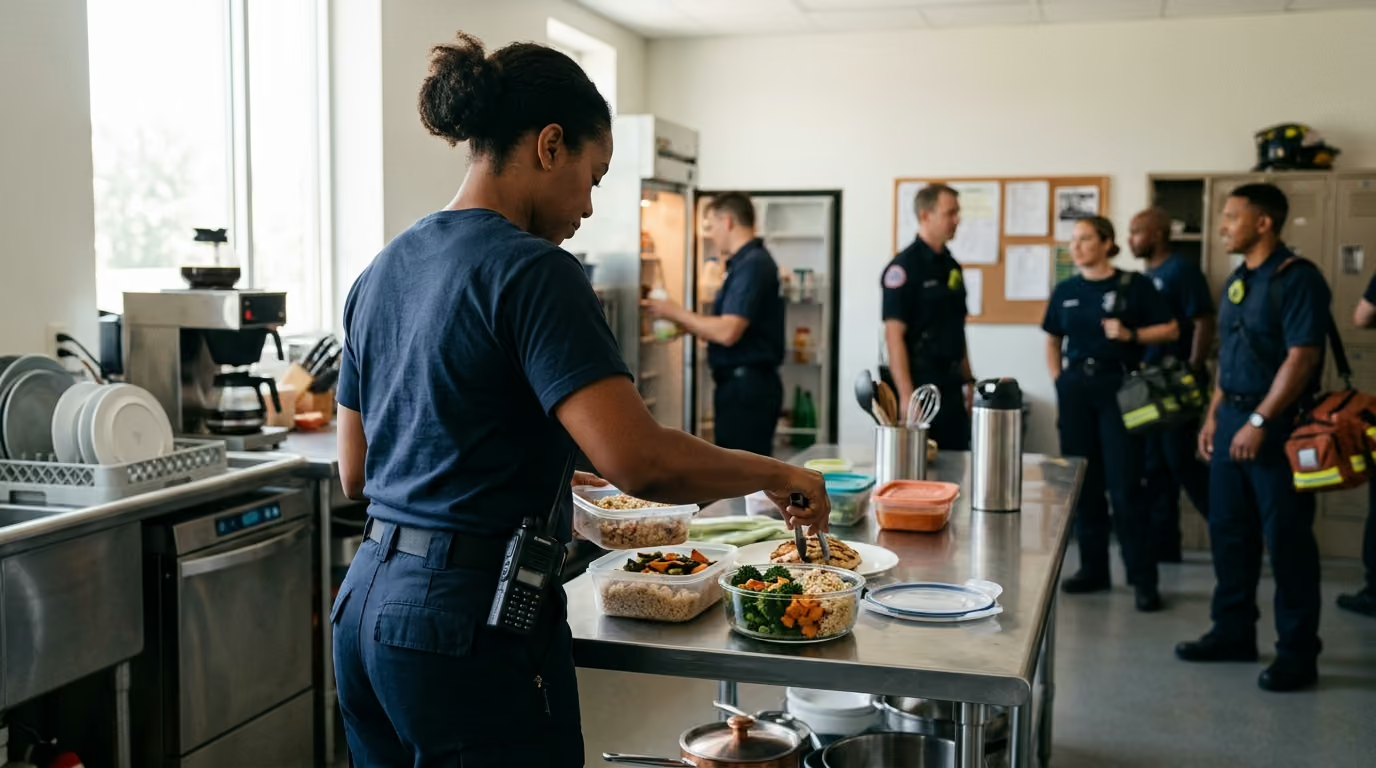

Rigid meal plans fail during emergency response, but a flexible five-component framework allows first responders to maintain balanced nutrition across unpredictable shifts.





Many first responders search online for ways to eat healthy on shift after another meal gets abandoned on the station counter or replaced by drive-thru fast food at two in the morning. Rigid meal prep guides assume a predictable schedule, access to a clean microwave, and uninterrupted thirty-minute lunch breaks. When emergency calls interrupt meal preparation or keep crews on the road for hours, rigid diets collapse.
A functional shift meal is not a gourmet recipe, a rigid diet, or a set of color-coded containers. It is a repeatable decision system that allows you to construct balanced nutrition from whatever food source is available. Whether you are eating from the station kitchen, a takeout counter, a gas station cooler, or an insulated lunch bag, the goal remains the same. You need a reliable method to combine protein, produce, carbohydrates, fluids, and healthy fats in portions that match your operational workload.
Research examining emergency service personnel and shift workers demonstrates consistent patterns of dietary disruption. Studies show that shift workers frequently skip primary meals, consume fewer nutrient-dense foods, and ingest a higher proportion of calories during late-night hours compared to daytime workers. A comprehensive review of emergency healthcare staff confirmed that irregular rotations negatively affect both the quality and overall volume of dietary intake.
When circadian rhythms are disrupted by night duty or rotating schedules, gastrointestinal function and glucose tolerance change. Digestion slows during biological night, meaning large, high-fat, or high-sugar meals consumed in the early morning hours can cause significant gastrointestinal discomfort. Slower gastric emptying and reduced insulin sensitivity overnight make large meals harder to process efficiently.
Evidence regarding rigid dietary rules for shift workers remains mixed. Research does not support a single mandatory feeding schedule for every emergency worker. However, professional dietetic guidance from organizations like the British Dietetic Association highlights clear benefits from consuming primary meals earlier in the waking day, using lighter modular meals during nighttime hours, and avoiding large meals immediately before daytime sleep.
A sustainable nutrition strategy treats balance as an average across an entire shift cycle rather than demanding nutritional perfection at every single sitting. When you view nutrition as an adaptable pattern, missed meals or emergency calls become manageable logistical obstacles rather than dietary failures. You can learn more about managing your nutritional timing by reviewing the first responder shift nutrition framework for emergency crews.
Standard nutrition advice fails in public safety because it ignores operational context. A meal suitable for an eight-hour administrative desk shift can cause severe nausea or cramping if consumed immediately before donning structural firefighting gear, running a flight of stairs, or performing prolonged chest compressions. Conversely, an ultra-light diet meal provides insufficient physical energy for structural fires, extended wilderness searches, or high-volume transport shifts.
Emergency calls introduce continuous physical and cognitive stressors that directly dictate nutritional needs:
Field nutrition must adapt to these physical realities. When physical exertion increases, carbohydrate needs rise to maintain operational readiness and mental focus. When shifts are quiet or sedentary, meals should emphasize protein, vegetables, and moderate portions of slower-digesting carbohydrates to maintain steady energy levels without excessive sluggishness.
A dependable method for assembling meals anywhere is the five-component plate model. This system does not require calorie counting or food scales. Instead, it provides a visual checklist that works with fresh cooking, cafeteria food, restaurant takeout, or packaged goods.
Protein forms the structural foundation of every major meal and substantial snack. Distributing protein evenly across the shift supports muscle tissue repair, promotes satiety, and stabilizes blood sugar between unpredictable calls. Aim for an identifiable protein source whenever you sit down to eat.
Practical shift-ready protein sources include:
Rather than obsessing over exact gram targets on shift, focus on consistency. A visual standard of one to two palm-sized portions of protein per main meal provides an effective baseline for most active responders.
Fruits and vegetables provide essential micronutrients, dietary fiber, antioxidants, and cellular hydration. Fiber supports regular digestion, which is frequently disrupted by irregular shift rotations and circadian strain. Adding produce also adds volume to your plate, keeping you full without excessive caloric density.
Simple options that survive shift conditions include:
A standard target is filling half your plate with colorful produce during routine meals. If a call interrupts your meal or heavy physical work is imminent, you can reduce fibrous produce temporarily to prevent digestive distress.
Carbohydrates supply the primary muscular and cognitive fuel required for high-intensity physical exertion and fast decision-making. Eliminating carbohydrates on shift often leads to severe mental fatigue, slower reaction times, and intense sugar cravings late in the work cycle. The key is matching the type of carbohydrate to the timing of your work.
Useful operational carbohydrate sources include:
Use higher-fiber, complex carbohydrates during routine station meals to sustain energy across several hours. When preparing for immediate heavy output or refueling after an exhausting call, lower-fiber options like white rice, fruit, or pretzels digest quickly without causing stomach cramps.
Dietary fat is essential for cellular health, hormone production, and nutrient absorption. Including moderate fat slows digestion, providing long-lasting fullness when you face unpredictable gaps between meals. However, excessive fat intake right before strenuous work or immediately before daytime sleep can cause indigestion and disrupt sleep architecture.
High-quality dietary fat options include:
A thumb-sized portion of added fats or oils per meal is generally sufficient. If your protein source is naturally higher in fat, such as whole eggs or beef, you can reduce added oils to keep the meal light and easily digestible.
Hydration directly impacts physical output, cardiovascular efficiency, thermoregulation, and mental alertness. Dehydration thickens blood viscosity, placing extra strain on the cardiovascular system during strenuous calls in hot protective gear. Plain water should serve as your primary hydration baseline throughout every tour.
Effective fluid components include:
General guidelines suggest a baseline daily fluid intake of roughly 2.7 to 3.7 liters from all dietary sources for adults. Responders working in encapsulating turnouts, body armor, or summer heat will need significantly more fluids and balanced electrolytes to replace sweat losses safely.
When alarms are sounding, calls are stacking, or you find yourself standing in front of a convenience store shelf, complex nutrition rules are useless. You can evaluate any meal or snack in seconds using three simple questions.
If an available meal lacks one or two of these components, at risk of acting on the urge to add them rather than abandoning the meal entirely.
Applying this additive mindset prevents all-or-nothing thinking. Instead of labeling foods as good or bad, you simply identify what is missing and complete the meal using available resources.
Measuring food with digital scales is impractical in a station kitchen, dispatch center, or ambulance cab. Hand-based portion estimates offer a portable, consistent method to size your meals based on your individual body frame.
Hand portions scale naturally with body size. A larger firefighter will have a larger hand, yielding a larger portion size that matches their higher baseline energy expenditure.
Operational nutrition requires adjusting plate composition to match expected physical intensity. On days spent largely on paperwork, station maintenance, or low-intensity driving, your body requires less rapid muscular fuel. On days involving multi-alarm fires, heavy rescue extrications, or prolonged active tactical responses, muscular fuel requirements increase substantially.
For a low-demand or sedentary operational period:
For a high-intensity operational period:
Matching fuel to work prevents energy crashes and supports healthy body composition over a long career. You can discover more strategies on balancing daily energy expenditure by exploring guidelines on programming workouts around shift work for emergency personnel.
Meal timing should align with human circadian physiology while maintaining flexibility for operational demands. The human digestive tract is optimized to process nutrients during daytime waking hours. Strategic planning helps minimize gastrointestinal distress, insulin resistance, and poor sleep quality across irregular tours.
Eating a substantial, balanced meal before arriving at the station ensures you do not begin your tour running on an empty tank. If dispatches drop immediately upon shift change, an established nutritional foundation prevents severe hypoglycemia, brain fog, and irritability.
A solid pre-shift plate includes:
If your shift begins early in the morning and you have a sensitive stomach, choose lighter options such as oatmeal cooked in milk with whey protein powder and sliced banana.
Consume your largest meal during the first half of your shift when digestive enzyme activity and insulin sensitivity are generally higher. For day crews, this is standard lunch. For night crews, this is an early evening meal consumed before the biological night begins.
A balanced early-shift plate consists of:
Taking the time to eat a complete, sit-down meal early in the shift reduces late-shift hunger and limits mindless snacking on refined pastries or processed snacks later.
Mid-shift nutrition should be modular and easily transportable. When alarms interrupt your schedule, having compact, non-perishable options prevents desperate trips to fast-food drive-thrus.
Effective modular options include:
These portable options allow you to refuel during brief administrative windows, hospital drop-offs, or rig staging without overloading your digestive system.
Eating heavily during the middle of the night can disrupt metabolic health and cause significant gastrointestinal distress. Between midnight and 06:00, gastrointestinal motility slows, and the pancreas produces less insulin in response to carbohydrates. If you are hungry overnight, focus on smaller, lighter, protein-forward snacks rather than large, greasy station dinners.
Smart overnight snacks include:
Eating smaller, easily digested foods overnight helps maintain cognitive focus without triggering post-meal lethargy. Learn more about the circadian impacts of nocturnal eating by reading about night shift meal timing strategies for public safety workers.
Arriving home from a demanding shift in a state of severe hunger can ruin daytime sleep. If you go to bed ravenous, elevated cortisol and hunger signals will wake you prematurely. Conversely, eating a massive, greasy breakfast right before bed causes acid reflux, elevated core body temperature, and fragmented sleep architecture.
Ideal pre-sleep recovery snacks include:
Keep this meal moderate in total size, low in saturated fat, and low in spicy ingredients. Consume it roughly thirty to sixty minutes before going to sleep to support muscle repair without disrupting sleep cycles.
Emergency responders must navigate diverse dining environments, from communal firehouse kitchens to rural gas stations. Applying the five-component framework ensures you can construct balanced meals regardless of the venue.
Station meals are an integral part of first responder culture, building crew camaraderie and morale. You do not need to isolate yourself from the crew table or bring a separate, plain diet meal to eat well. Use an additive strategy to balance traditional station staples.
If station culture revolves around frequent baked treats, keep a private stash of whole fruit, Greek yogurt, and beef jerky in your personal locker. This provides a satisfying, nutrient-dense alternative when sugar cravings strike between calls.
When extended calls keep your unit on the road, restaurant takeout is often the only available option. You can navigate almost any menu using simple substitutions.
Takeout meals do not have to derail your nutritional plan. Making deliberate component choices transforms convenience food into functional shift fuel.
When rural deployments or late-night transports leave you stranded at a convenience store, look past the pastry cases and candy aisles. Modern convenience stores stock numerous whole-food staples.
A five-minute convenience store meal can include:
Combining these basic elements allows you to construct a complete, shelf-stable meal in minutes without relying on deep-fried food or sugary snacks.
Foodborne illness causes severe dehydration, vomiting, and incapacitation, directly threatening operational readiness. First responders face unique food safety risks when meals are abandoned in warm apparatus cabs or left on station counters during extended dispatches.
Federal food safety guidelines define the temperature danger zone as the range between 40°F and 140°F. Within this zone, harmful bacteria such as Salmonella, E. coli, and Staphylococcus aureus multiply rapidly.
Key food storage rules for emergency personnel include:
Never rely on the smell, taste, or visual appearance of food to judge its safety. Pathogenic bacteria can multiply to dangerous levels without altering the smell or flavor of food. If perishable food has sat in a warm apparatus cab during an extended call past the safety limit, discard it immediately.
An insulated cooler bag provides food security on long shifts. Organizing your bag into three functional layers ensures you have access to the right food at the right time.
Using dedicated food thermoses expands your options when microwave access is impossible. Pre-heat your thermos with boiling water for five minutes, dump the water, and immediately fill it with piping hot chili, soup, or stew. High-quality vacuum-insulated thermoses maintain food temperatures safely above 140°F for up to six hours.
Hydration is a fundamental component of physical readiness and cardiovascular safety. Emergency personnel frequently operate in environments that induce profuse sweating, leading to acute fluid deficits and electrolyte imbalances.
Mild dehydration of just two percent of body mass significantly impairs cognitive vigilance, reduces muscular power output, and increases cardiovascular strain. However, simply chugging large volumes of plain water in a short time frame can dilute blood sodium levels, leading to exercise-associated hyponatremia.
Practical hydration rules for duty include:
When heavy sweating lasts longer than sixty minutes, consuming fluids with modest sodium content improves fluid retention and stimulates thirst, preventing excessive urinary fluid losses.
Caffeine is a valuable operational tool for managing acute fatigue and sustaining vigilance, but chronic over-reliance disrupts restorative sleep and elevates resting cardiovascular stress. Understanding caffeine pharmacokinetics helps you maximize alertness benefits without ruining recovery.
Caffeine has an average elimination half-life of five to six hours, meaning half the caffeine from an energy drink consumed at 18:00 remains active in your bloodstream at midnight. NIOSH guidelines for shift workers advise utilizing caffeine strategically at the beginning of a work cycle and cutting off intake several hours before planned sleep.
Rules for responsible shift caffeine usage:
If you struggle with shift-work fatigue, establish a structured caffeine protocol by reviewing our guide on managing caffeine and energy during night shifts to protect daytime sleep quality.
Nutrition is a powerful operational tool, but it has distinct physiological limits. High-quality food cannot fully compensate for chronic severe sleep deprivation, unmanaged psychological trauma, or extreme operational overwork. Expecting diet alone to eliminate all shift-work fatigue creates unrealistic expectations and self-blame.
Certain operational situations require practical trade-offs:
Recognizing these trade-offs prevents frustration and maintains operational readiness when optimal conditions do not exist.
General nutritional frameworks provide broad operational guidelines, but they do not replace individualized medical nutrition therapy. First responders managing specific chronic health conditions should work directly with licensed medical professionals.
Consult a registered dietitian or licensed physician if you experience:
A registered dietitian specializing in occupational or sports nutrition can customize carbohydrate distribution, electrolyte targets, and meal timing around your specific duty schedule and medical history.
Building balanced meals on shift does not require gourmet cooking skills or rigid diets. It relies on a repeatable decision system that adapts to the chaotic reality of emergency services. By focusing on protein anchors, produce, appropriate carbohydrate fueling, smart hydration, and reliable food safety, you can maintain duty readiness and protect your long-term health.
Use this actionable checklist to prepare for your upcoming shift rotation:
Taking deliberate, small steps to organize your nutrition builds sustainable operational capability on duty and protects your physical health throughout your career and into retirement.
Stay connected for research-led guidance on duty fitness, shift-work sleep, injury recovery, stress, nutrition and career longevity. Practical ideas for first responders who want to stay capable on the job, recover well and protect their health for the long run.



Read practical guidance on first responder fitness, recovery, sleep, nutrition and resilience for demanding work and a long, active career.
read the blog



