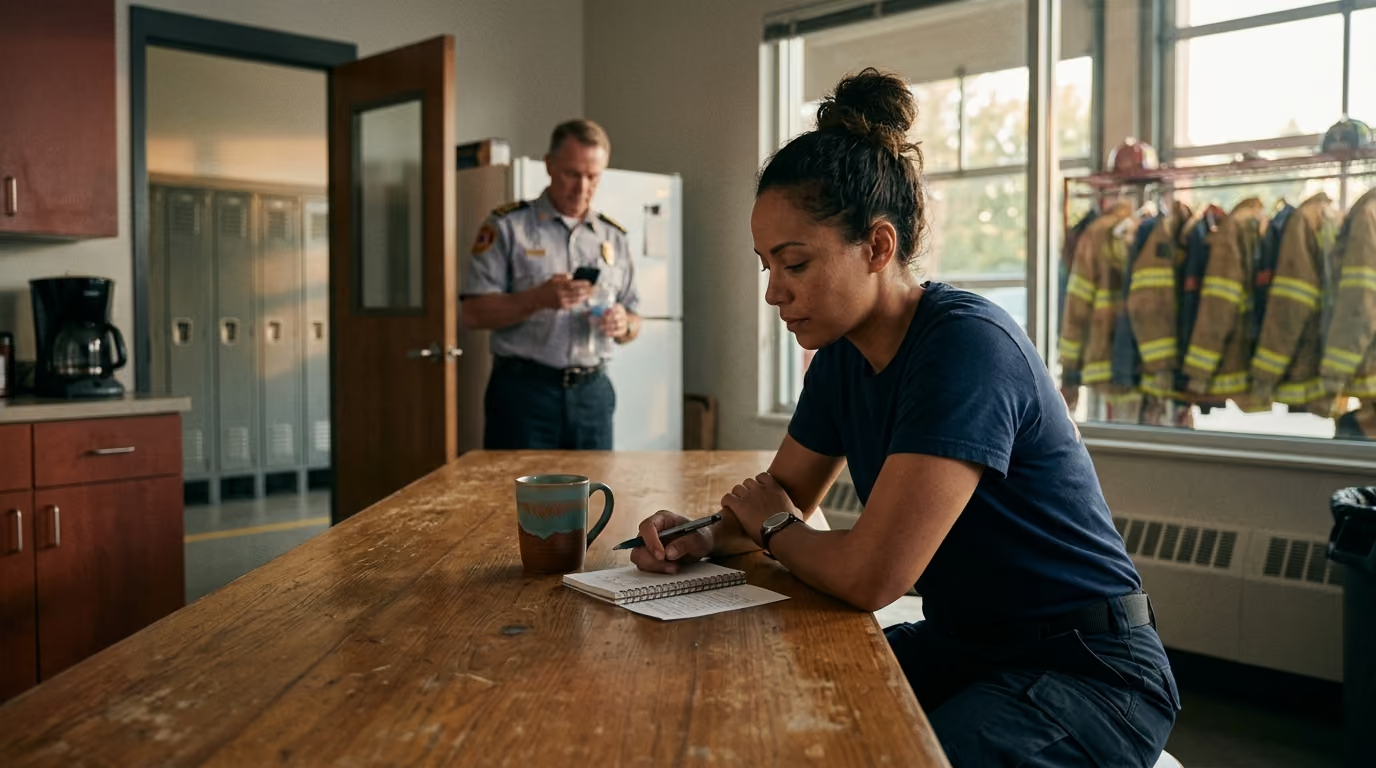

Six core assessment domains help first responders monitor operational mental readiness, track physiological stress, and utilize evidence-based screening tools to sustain a long career.





If you are experiencing acute psychological distress or thoughts of self-harm, immediate professional support is available. Call 911 for immediate operational danger. Dial 988 and press 1 to reach the Veterans and Military Crisis Line, or text 838255. When acute distress arises, storing firearms, duty weapons, or personal medications away from immediate access should always be arranged together with a clinician, trusted peer, or family member.
Emergency personnel often search for how to track psychological fatigue, emotional numbness, and chronic shift stress before these issues damage their health, job performance, or family life. The direct answer is that mental readiness is a variable occupational capacity, not a fixed personality trait or a clinical diagnosis. Monitoring it requires tracking personal shifts in mood, cognition, behavior, sleep, social connection, and trauma responses against your own baseline rather than waiting for a severe breakdown.
Mental readiness represents your current capacity to perform safety-critical duties with adequate attention, judgment, emotional regulation, communication, sleep-related alertness, and behavioral control. It is an operational state that fluctuates based on call volume, sleep debt, physical strain, and cumulative critical incident exposure.
Many first responders believe that mental readiness means feeling calm or completely unaffected by trauma. In reality, an emergency worker can feel appropriate distress during a difficult call and still execute their job safely. Conversely, a responder can appear outwardly composed while suffering from severe cognitive slowing, impulsivity, emotional detachment, or dangerous fatigue.
A functional monitoring framework does not pathologize normal short-term stress reactions. After a high-consequence incident, heightened alertness, mild sleep disruption, and vivid memories are expected physiological responses. A monitoring framework helps you distinguish between these short-term reactions and persistent patterns that degrade operational capacity over time.
Occupational readiness hinges on function rather than stoicism. When mental readiness declines, the earliest signs appear in subtle errors, slower processing of radio communications, increased friction with coworkers, or altered sleep patterns. Tracking these markers gives you an objective system to spot wear early and adjust before safety is compromised.
The occupational demands of emergency service create measurable psychological and physiological stress. According to estimates cited by the Substance Abuse and Mental Health Services Administration (SAMHSA), roughly 30 percent of first responders develop behavioral health conditions compared to 20 percent in the general population.
Systematic reviews evaluate this burden across multiple emergency sectors. Research cited by the Agency for Healthcare Research and Quality (AHRQ) indicates prevalence rates of approximately 15 percent for anxiety, 15 percent for depression, 11 percent for post-traumatic stress disorder, and 27 percent for general psychological distress among emergency personnel.
Other extensive systematic reviews show broader prevalence ranges depending on the specific branch of service, operational history, and measurement tools used. Post-traumatic stress disorder prevalence has been observed between 7 percent and 37 percent across various cohorts. Depression ranges between 15 percent and 25 percent, while anxiety symptoms span 15 percent to 20 percent. Hazardous alcohol consumption is estimated between 25 percent and 30 percent in responder populations.
Evidence demonstrates that these mental health outcomes do not emerge in a vacuum. Prolonged working hours, high call volume, administrative pressure, and low organizational support are consistently associated with adverse psychological symptoms. Furthermore, sleep disruption acts as a primary bidirectional driver, both intensifying psychiatric symptoms and resulting from them.
Emergency work fundamentally alters human biology through circadian disruption, unpredictable calls, and sustained physical load. Around-the-clock shift schedules interfere with natural sleep architecture, suppressing slow-wave and rapid eye movement stages that are essential for cognitive processing and emotional balance.
Research reveals high rates of sleep disorders among emergency personnel. Population estimates indicate that roughly 36 percent of responders experience insomnia, 27 percent report excessive daytime sleepiness, 25 percent suffer from obstructive sleep apnea, and 20 percent meet the criteria for shift work disorder.
When sleep debt accumulates, prefrontal cortex function drops quickly. This biological wear impairs situational awareness, working memory, emotional regulation, and procedural compliance. A responder operating on chronic sleep deprivation displays slower reaction times, flawed risk assessment, and reduced patience during high-stakes public interactions.
The physical demands of structural firefighting, tactical law enforcement, and emergency medical transports exacerbate this biological depletion. High thermal loads, prolonged equipment carriage, and irregular nutrition stress the autonomic nervous system. Without deliberate recovery strategies, the sympathetic nervous system remains chronically activated, which prevents full physiological reset between shifts.
To track changes objectively, responders can use the M-C-B-S-S-T monitoring model. This framework evaluates six functional domains to detect meaningful divergence from personal baselines.
This domain tracks your baseline emotional tone and your ability to modulate reactions under pressure. Noticeable changes include persistent irritability, sudden anger spikes over minor inconveniences, emotional numbness, uncharacteristic cynicism, or feelings of dread before shifts. A sustained loss of pleasure in hobbies or time spent away from the station signals a shifting baseline.
Cognitive readiness involves executive function, working memory, mental flexibility, and rapid situational assessment. Warning signs include forgetting routine radio codes, tunnel vision during standard operations, indecision during triage, or needing repeated explanations of basic dispatch information. Slowed information processing compromises personal and crew safety on emergency scenes.
This area evaluates day-to-day actions and stress management strategies. Meaningful changes include avoiding specific calls, driving recklessly, uncharacteristic absenteeism, or neglecting physical self-care. It also includes relying on alcohol, sedatives, excessive stimulants, or gambling to regulate mood or induce sleep after shifts.
Tracking sleep requires evaluating sleep duration, sleep continuity, and post-shift physical recovery. Red flags include waking frequently with racing thoughts, recurring nightmares, severe daytime drowsiness, or feeling completely unrefreshed after eight hours in bed. Monitoring how well you rebound during scheduled off-duty days provides a clear gauge of systemic fatigue.
This domain examines interpersonal interactions both at the station and at home. Common indicators of decline include withdrawing from kitchen conversations, escalating conflict with partners, impatience with patients or the public, and an increase in report-writing errors. Social withdrawal often serves as a maladaptive shield against emotional overload.
This critical safety domain monitors intrusive imagery, psychological triggers, and physiological hyperarousal. Warning signs encompass intrusive memories of specific calls, extreme startle reflexes, intense avoidance of incident locations, feeling detached from reality, or passive thoughts of wishing not to wake up. Any presence of suicidal thoughts requires immediate escalation and support.
Self-monitoring should be systematic rather than reactive. Standardized, validated screening instruments allow responders to track numeric trends over time without relying solely on subjective impressions.
The PHQ-9 is a nine-item screening tool that monitors depressive symptoms, low energy, sleep disturbances, appetite shifts, and difficulty concentrating over the previous two weeks. It is not an automated diagnostic tool, but rather an objective tracker of symptom severity and functional impairment. Any positive response to item nine regarding thoughts of self-harm requires an immediate safety protocol and a conversation with a qualified professional.
The GAD-7 measures excessive worry, restlessness, motor tension, and irritability over a two-week period. For emergency professionals, this tool helps determine if normal tactical alertness is hardening into generalized hyperarousal that bleeds into home life and disrupts restorative rest. Tracking GAD-7 scores clarifies whether anxiety is impairing decision-making or driving reliance on sedatives.
The PC-PTSD-5 is a brief five-question screen designed to identify post-traumatic distress over the preceding month. For deeper evaluation, the 20-item PTSD Checklist (PCL-5) measures symptoms across re-experiencing, avoidance, negative alterations in cognition and mood, and hyperarousal.
Research from the National Center for PTSD notes that a PCL-5 score between 31 and 33 suggests probable PTSD, though context and population norms influence cutoff utility. Rather than viewing the score as a permanent clinical label, responders should track score trajectories over quarterly cycles to spot symptom accumulation.
A standardized weekly sleep and function log provides high-value operational data. Track total time in bed, estimated sleep duration, night awakenings, caffeine cutoff times, and subjective waking alertness. Alongside sleep metrics, record operational markers such as near misses, equipment documentation errors, vehicle minor incidents, or sudden communication breakdowns with your crew.
A self-monitoring system is only valuable if it provides clear, structured actions based on observable trends. The four-tier escalation framework offers distinct operational categories.
Green status reflects stable baseline performance where symptoms are absent or brief and self-resolving. Sleep is restorative, occupational decision-making remains sharp, and coping mechanisms are healthy and flexible.
Actions in this tier focus on prevention:
Yellow status indicates persistent mild strain or upward trends in stress scores lasting more than two weeks. Symptoms may include recurring sleep debt, growing irritability at home, reluctance to go to work, or mild cognitive sluggishness.
Actions in this tier emphasize early course corrections:
Orange status denotes marked functional impairment or moderate-to-severe symptom persistence. The responder experiences severe insomnia, intense intrusive memories, marked emotional volatility, frequent near misses on duty, or reliance on substances to function.
Actions in this tier require professional engagement:
Red status represents an acute operational or personal safety crisis. This includes explicit suicidal thoughts, plans, or preparatory actions, severe substance intoxication on duty, extreme confusion, or an inability to maintain behavioral control.
Actions in this tier require decisive, mandatory safety protocols:
Reviewing real-world operational profiles illustrates how mental readiness issues actually emerge on shift.
A senior paramedic begins experiencing fragmented sleep following a month of heavy overtime. Over six weeks, their resting sleep drops to under five hours per night. They rely on high-dose energy drinks during night shifts and notice minor mistakes in medication documentation. While they report their mood as fine, their cognitive speed is severely impaired.
The appropriate response targets physical recovery rather than psychiatric intervention alone. The paramedic needs mandatory rest days, a medical evaluation for underlying sleep apnea, and temporary reassignment away from high-acuity driving duties until alertness scores stabilize.
A firefighter delivers exceptional technical performance on routine structure fires but begins trading shifts to avoid pediatric calls. At the station, they spend hours alone in the apparatus bay and stop eating meals with the shift crew. At home, they experience intense nightmares and sudden rage reactions over minor domestic disruptions.
This pattern demonstrates preserved technical skill alongside expanding trauma avoidance. The firefighter requires a confidential clinical assessment using trauma-focused screening tools. Relying solely on shift performance evaluations would completely miss this severe psychological injury.
A police officer denies experiencing depression or anxiety but shows a sharply rising trend in civilian complaints for discourtesy. They report constant physical neck tension, poor sleep quality, and daily post-shift alcohol use to decompress. Their primary symptom is not sadness, but persistent autonomic hyperarousal presenting as anger.
The intervention plan requires tracking behavioral markers alongside substance use patterns. Engaging a peer support team member, adjusting duty schedules, and learning structured stress-mitigation skills can interrupt this trajectory before disciplinary action or health failure occurs.
A communications dispatcher functions effectively for months following a mass casualty event. As the one-year anniversary approaches, they develop acute insomnia, gastrointestinal distress, and profound dread when logging into their console.
This predictable pattern requires proactive planning. Pre-scheduling rest leave, reviewing operational stress plans before anniversary windows, and accessing brief clinical support helps clear recurrent traumatic triggers.
First responders operate within high-reliability organizational cultures that sometimes foster unhelpful beliefs regarding psychological resilience.
Responders often equate technical competence with mental well-being. A high-performing paramedic or tactical officer can maintain professional execution on scene while their personal life, physical health, and emotional stability deteriorate rapidly. True readiness requires evaluating internal health and home functioning alongside on-scene performance.
Many emergency workers believe that only massive, horrific incidents cause psychological wear. In reality, the steady accumulation of routine calls, sleep deprivation, administrative disputes, and public hostility causes significant long-term strain. Recognizing the weight of cumulative exposure prevents responders from ignoring subtle symptoms.
Using alcohol to shut down after demanding shifts is common across emergency services. While alcohol induces sedation, it chemically fragments sleep architecture, destroys rapid eye movement sleep, and worsens autonomic recovery. This creates a destructive cycle of poor sleep, heightened daytime anxiety, and increased alcohol reliance.
Emotional detachment is often an adaptive short-term tool on gruesome scenes. However, when numbing becomes a permanent, automatic baseline, it damages family relationships and signals burnout. Resilience is the ability to regulate emotional responses flexibly, not the permanent elimination of all feeling. Responders can explore deeper concepts of sustainable agency support and operational resilience to build long-term career capacity.
Mandatory, highly detailed psychological debriefings immediately following traumatic incidents are not universally effective and can occasionally worsen acute distress. Psychological first aid should focus on voluntary support, practical safety, protected sleep, and ongoing monitoring rather than forced emotional processing immediately after a call.
Monitoring mental readiness cannot rest solely on the individual. Emergency service agencies must build operational cultures where crew members actively monitor one another for unsafe fatigue and psychological strain.
The National Institute for Occupational Safety and Health (NIOSH) recommends structured buddy-monitoring systems during extended deployments and high-stress operations. Crew members should look for visible fatigue indicators, such as microsleeps, prolonged blank staring, slurred speech, uncharacteristic silence, or erratic motor control.
When a team member displays evident signs of severe fatigue or emotional shock, safety demands immediate action. The buddy or company officer must transfer safety-sensitive duties, such as operating apparatus or administering medications, to an alert responder. Peer intervention must be treated as an essential safety protocol, identical to checking equipment or air levels.
Peer support programs serve as trusted bridges within public safety agencies. Trained peer supporters do not provide clinical therapy or diagnostic evaluations. Instead, they provide confidential, non-judgmental listening, assist with stress mitigation plans, and facilitate warm handoffs to culturally competent healthcare providers when symptoms persist.
Department leaders must ensure that seeking help does not lead to unfair administrative penalties. When agencies remove punitive barriers and protect confidentiality, personnel report symptoms early when problems are easily managed. For broader insights into maintaining operational capacity across your working life, explore the career longevity resources tailored for public safety professionals.
Self-monitoring is designed to indicate when professional clinical assessment is necessary. Knowing when and where to seek care ensures timely intervention before acute strain becomes chronic disability.
You should consult a licensed healthcare professional when:
When seeking professional support, prioritize clinicians who specialize in emergency responder populations or understand public safety culture. Culturally competent clinicians understand shift rotations, critical incident stress, operational terminology, and the specific pressures faced by emergency workers.
Treatment modalities with strong empirical support for trauma and stress disorders include Cognitive Processing Therapy (CPT), Prolonged Exposure (PE), and Eye Movement Desensitization and Reprocessing (EMDR). For generalized stress and insomnia, Cognitive Behavioral Therapy for Insomnia (CBT-I) provides targeted, non-pharmacological recovery protocols.
Mental readiness monitoring is an active occupational practice that safeguards your career, health, and family life. By tracking clear operational domains, utilizing standardized tools, and escalating decisively when warning signs appear, emergency responders can maintain high operational readiness across a full career and into a healthy retirement.
To implement this mental readiness monitoring system immediately, complete the following steps this week:
Stay connected for research-led guidance on duty fitness, shift-work sleep, injury recovery, stress, nutrition and career longevity. Practical ideas for first responders who want to stay capable on the job, recover well and protect their health for the long run.



Read practical guidance on first responder fitness, recovery, sleep, nutrition and resilience for demanding work and a long, active career.
read the blog



