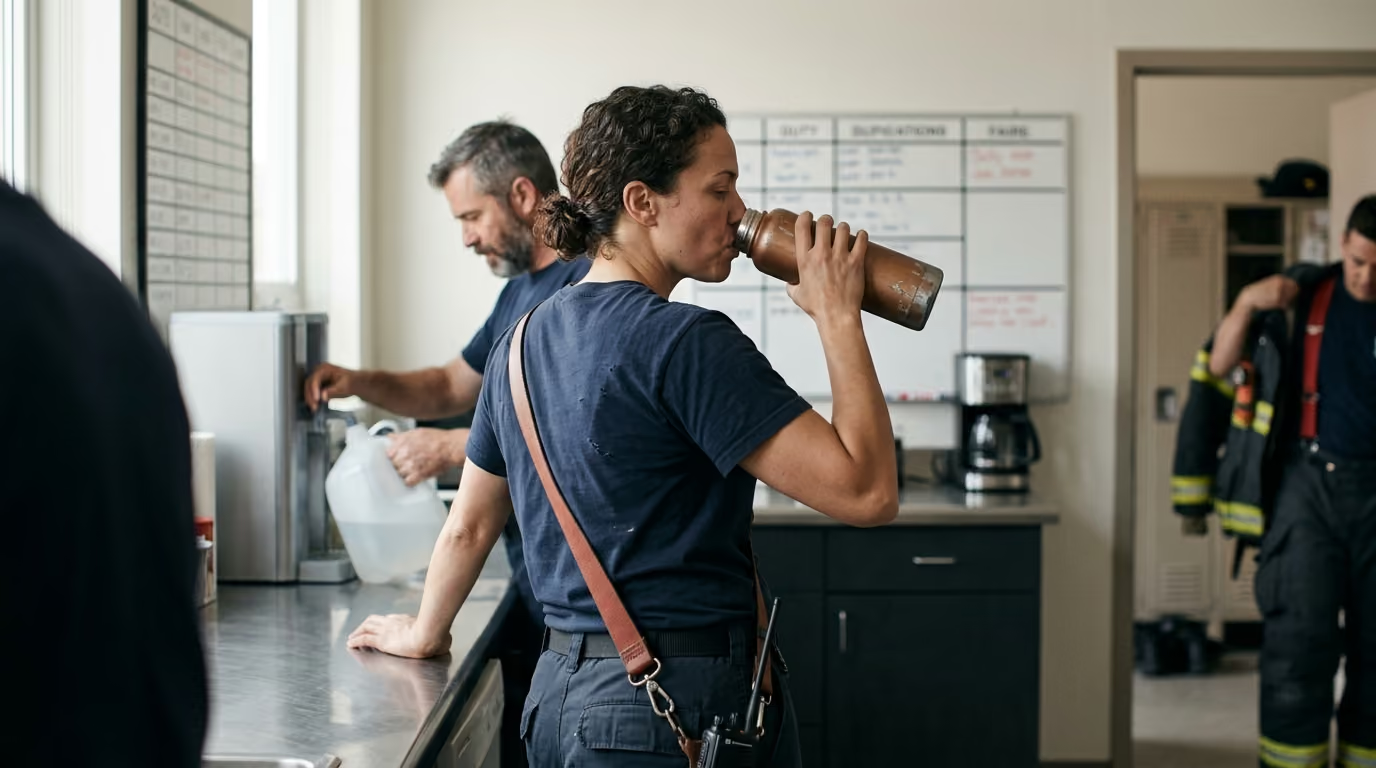

Working long shifts in heavy turnout gear or body armor accelerates fluid loss, requiring structured electrolyte strategies to sustain cardiovascular endurance and safety.





Hydration for first responders is not a simple wellness habit, nor is it an instruction to drink gallons of plain water each day. It is an operational discipline that directly impacts cardiovascular strain, core temperature regulation, cognitive processing under stress, and rapid recovery between emergency calls. True operational hydration means balancing fluid volume, mineral balance, and consumption timing against the physical demands of protective gear, climate, and unpredictable call volumes.
This guide provides a comprehensive breakdown of fluid dynamics for emergency personnel. It examines the physiological mechanisms of fluid loss in structural gear and body armor, details practical intake schedules, evaluates electrolyte requirements, and outlines the critical differences between dehydration and fluid overload.
For moderate work in warm environments, first responders should aim to drink roughly 8 ounces of fluid every 15 to 20 minutes rather than consuming massive quantities at irregular intervals. Plain water is sufficient for calls lasting under two hours, but work exceeding two hours of heavy sweating requires balanced electrolyte replacement. Personnel should target pale yellow urine, monitor body mass changes across training evolutions, and avoid drinking more than 48 ounces per hour to prevent dangerous fluid overload.
The scientific consensus regarding occupational hydration is strong, consistent, and drawn from extensive laboratory and field research. When the body loses water through sweat without adequate replacement, circulating blood plasma volume drops. This reduction in plasma volume forces the cardiovascular system to work harder to maintain cardiac output and blood pressure.
As plasma volume declines, the heart compensates by increasing its stroke rate, a phenomenon known as cardiovascular drift. Concurrently, peripheral blood flow to the skin is restricted to protect core perfusion. This restriction impairs the body's primary mechanism for heat dissipation, causing core body temperature to climb much faster during physical exertion.
A body mass loss of just two percent from fluid deficit reliably triggers measurable performance declines. These deficits manifest as reduced muscular endurance, slower reaction times, impaired situational awareness, and executive function errors on the fireground or during high-stress law enforcement encounters. Research on structural firefighters wearing full protective gear and self-contained breathing apparatus demonstrates that planned fluid replacement significantly extends heat tolerance and operational work time compared to operating with no fluid intake.
Evidence on fluid replacement highlights several consistent findings across occupational health literature:
First responders face environmental microclimates that differ drastically from standard athletic or industrial settings. The protective clothing required for safety creates an impermeable barrier that traps metabolic heat and prevents natural sweat evaporation.
Structural firefighting combines intense physical work, high ambient temperatures, radiant heat, and heavy protective equipment. Turnout gear incorporates a thermal liner, a moisture barrier, and an outer shell designed to protect against external heat and moisture. Unfortunately, this same barrier prevents sweat from evaporating into the ambient air.
Because evaporation is the human body's primary method of shedding heat, sweating in turnout gear becomes uncompensable. The body continues to produce sweat at high rates, often exceeding 1.5 liters per hour, even though that sweat cannot evaporate to cool the skin. This fluid pools inside the clothing, rapidly dehydrating the firefighter without delivering the expected physiological cooling.
Data from occupational heat assessments show that even a brief 30-minute structural firefighting exercise can trigger a body mass loss of more than one kilogram purely from sweat. When paired with the physical weight of bunker gear and breathing apparatus, the physical workload accelerates both fluid loss and glycogen depletion.
Emergency medical technicians and paramedics face a different operational pattern characterized by acute bursts of physical exertion. A crew may transition instantly from a sedentary posture inside an ambulance to carrying a heavy patient down multiple flights of stairs or performing continuous chest compressions.
EMS personnel frequently wear impermeable gloves, face shields, and high-visibility outerwear that restrict heat transfer. Because medical calls occur unpredictably, crews often delay drinking fluids while managing critical patient care, documenting interventions, or completing long decontamination procedures. Over a 12-hour shift, these accumulated delays lead to substantial dehydration before personnel recognize their thirst. Integrating practical meal strategies to keep emergency personnel properly fueled provides a predictable baseline to prevent these cumulative deficits.
Police officers and tactical operators face unique hydration barriers created by duty gear and vehicle work. Modern external vest carriers and concealed soft armor trap heat against the torso, creating a persistent microclimate that induces low-level sweating even in moderate ambient temperatures.
Officers spending extended hours in patrol vehicles frequently deal with the rapid thermal transition between air-conditioned vehicle cabins and extreme outdoor heat during traffic stops, foot pursuits, or perimeter control. Furthermore, tactical gear weight combined with restricted access to clean restrooms often leads to voluntary fluid restriction. Officers deliberately avoid drinking adequate fluids to avoid logistical complications while wearing a duty belt and armor, creating a state of chronic hypohydration.
Night duty disrupts the circadian rhythms that regulate fluid balance, renal filtration, and electrolyte excretion. During biological night, the brain normally increases the release of antidiuretic hormone to concentrate urine and prevent frequent waking.
When responders remain awake on overnight shifts, this hormonal cycle is disrupted. Personnel often substitute high-dose caffeinated energy drinks and coffee for water to combat acute fatigue. Excessive caffeine consumption, combined with poor meal timing and irregular sleep, alters hydration perception and increases baseline fluid losses. Applying structured fueling and caffeine strategies and time-restricted eating windows for shift work helps mitigate these metabolic and fluid disruptions.
Effective hydration relies on structured timing rather than reactive drinking. Managing fluids across distinct phases of duty protects blood volume before hot calls occur and restores homeostasis rapidly afterward.
Responders should arrive at every shift in a euhydrated state, meaning their total body water is balanced. Attempting to rapidly chug a large volume of water immediately before an emergency call leads to gastric distension, discomfort, and rapid urinary excretion rather than cellular hydration.
During active physical labor, firefighting, or prolonged outdoor tactical operations, fluid intake must be regular and measured. Occupational safety guidelines from NIOSH and OSHA advise against consuming massive boluses of fluid at wide intervals.
On-scene incident rehabilitation must combine passive and active cooling with structured fluid replacement. Fluid intake alone cannot reverse thermal strain if the responder remains encapsulated in hot protective gear.
Replacing fluid deficits after a demanding shift requires consuming more volume than the total amount lost in sweat. Because the kidneys continue to produce urine during recovery, a portion of ingested fluid is naturally excreted.
Electrolytes are essential minerals, primarily sodium, potassium, magnesium, chloride, and calcium, that carry an electrical charge. They regulate nerve impulses, govern muscle contractions, and maintain osmotic pressure across cell membranes.
Sodium is the primary electrolyte lost in human sweat. It is also the primary solute responsible for maintaining extracellular fluid volume and blood osmolality. When sodium levels in the blood drop, the brain signals the kidneys to excrete water, reducing fluid retention regardless of how much plain water a person drinks.
Sweat sodium concentration varies widely based on genetics, heat acclimatization, body mass, and diet. Unacclimatized responders working in high heat lose significantly more sodium per liter of sweat than fully acclimatized personnel. Over time, heat acclimatization prompts the sweat glands to reabsorb sodium, producing more dilute sweat to conserve critical minerals.
For standard station duties, routine vehicle patrols, and short medical responses lasting under two hours, cool potable water is completely sufficient. Standard, well-balanced meals provide all the sodium and trace minerals necessary to replace normal losses. Ingesting high-sugar sports beverages during low-intensity station tasks provides unneeded simple sugars that can impair long-term metabolic health.
Electrolyte-containing beverages become necessary under specific operational triggers where plain water alone is insufficient:
When formulating or selecting an operational electrolyte beverage, the sodium concentration should fall between 0.3 and 0.7 grams of sodium per liter (roughly 300 to 700 milligrams per liter). Solutions with modest amounts of carbohydrates (4 to 8 percent) accelerate the rate of intestinal water absorption via sodium-glucose cotransport mechanisms.
Salt tablets should never be used as a routine field hydration strategy. Concentrated salt tablets draw large volumes of water from the bloodstream into the stomach and intestines through osmosis, triggering severe nausea, gastric cramping, and vomiting. Furthermore, they can cause dangerous spikes in blood sodium levels and blood pressure, especially in responders with underlying cardiovascular conditions. Sodium should always be consumed in dilute liquid form or through whole foods.
While dehydration receives significant attention in emergency services, overhydration presents an equally dangerous, life-threatening occupational hazard. Exercise-associated hyponatremia occurs when blood sodium concentrations fall below 135 millimoles per liter, driven primarily by excessive consumption of hypotonic fluids beyond actual sweat losses.
When a responder drinks extreme volumes of water or low-sodium commercial beverages, the fluid intake can outpace the kidneys' ability to excrete water. During high physical stress, the body also releases elevated levels of non-osmotic arginine vasopressin, a hormone that further prevents the kidneys from producing urine.
As excess water accumulates, it dilutes the concentration of sodium in the extracellular fluid. Water then shifts down its osmotic gradient from the bloodstream into the body's cells, causing cellular swelling. When this swelling occurs in the brain within the rigid confines of the skull, it leads to cerebral edema, neurological crises, and potentially fatal outcomes.
Because the initial symptoms of hyponatremia mimic heat exhaustion and severe dehydration, responders frequently make the fatal mistake of drinking more water when they begin to feel ill. Accurate field differentiation is critical for survival.
A stable or increased body weight during a prolonged incident while drinking heavily is the most definitive field warning sign of hyponatremia. Consuming typical sports drinks does not prevent hyponatremia if total fluid volume exceeds sweat losses, as these beverages are still hypotonic relative to human blood.
When hyponatremia is suspected, fluid intake must stop immediately. The responder requires rapid transfer by emergency medical services to an advanced medical facility capable of administering intravenous hypertonic saline.
No single metric provides a complete picture of hydration status under dynamic operational conditions. Relying on one isolated marker can lead to incorrect hydration decisions. Responders must cross-reference multiple physiological cues.
Thirst is a delayed physiological indicator. By the time the brain's hypothalamus triggers a conscious sensation of thirst, an individual has typically lost between 1.5 and 2.0 percent of their body mass in fluids.
During emergency operations, acute sympathetic nervous system activation, adrenaline release, and intense task focus suppress the perception of thirst. A firefighter working an interior line or a police officer managing an active scene may experience zero conscious thirst despite entering a state of severe fluid depletion. Thirst remains a valuable baseline signal during downtime, but it must be supplemented with a drinking schedule during active operations.
Monitoring urine color against a standardized chart is a practical, non-invasive method for evaluating daily hydration trends. The operational target is pale straw yellow.
However, urine color has several operational limitations:
Tracking acute changes in body mass provides the most accurate, objective measure of fluid loss. First responders can calculate their personal hourly sweat rates during training evolutions to create tailored hydration plans.
Conducting this calculation across different seasons and operational scenarios allows responders to understand their personal sweat physiology. Understanding these personal metrics prevents both under-drinking and dangerous overhydration.
Hydration guidelines succeed only when integrated into standard operating procedures and station culture. Agencies must provide the infrastructure, logistics, and scheduling necessary for personnel to maintain fluid and electrolyte balance across dynamic operational environments. Understanding how physical strain accumulates reinforces why individual willpower fails to overcome cumulative duty fatigue, highlighting the need for systemic department policies.
Fire departments must treat incident rehabilitation as an operational priority rather than an afterthought. An effective on-scene rehabilitation protocol requires clear benchmarks:
Law enforcement agencies managing extended perimeters, search operations, or tactical deployments require mobile hydration logistics:
Daily station routines establish baseline hydration habits before emergency calls occur. Agencies should implement consistent station policies across shifts:
Hydration is a vital operational tool, but it has physiological limits. Drinking fluids cannot completely prevent heat-related illnesses when environmental heat and protective equipment overwhelm the body's cooling mechanisms.
When a responder operates in an environment where ambient temperature, radiant heat, and protective clothing prevent all heat dissipation, core body temperature will rise continuously regardless of hydration status. Drinking cold fluids provides a minor heat sink, but it cannot counteract the massive metabolic wattage generated by heavy physical exertion in bunker gear.
Hydration must be paired with strict work-to-rest ratios, mechanical ventilation, and active cooling. Fluid consumption should never be used as a justification to keep crews operating in uncompensable environments beyond safe thermal limits.
Hydration recommendations must be modified for personnel with underlying medical conditions or those taking specific medications:
Field rehabilitation personnel and company officers must recognize when fluid balance disruptions transition from routine fatigue into a medical emergency. Emergency responders must never attempt to manage severe thermal or fluid crises in the field with oral fluids alone.
Initiate immediate emergency medical care and transport to an advanced medical facility if any of the following symptoms appear on duty:
Responders should schedule an evaluation with an occupational medicine physician or primary care provider for chronic hydration issues that occur across normal shifts:
Sustainable operational readiness requires viewing hydration as a structured operational discipline rather than an afterthought. Balancing pre-shift fluid intake, paced hydration in protective gear, targeted electrolyte replacement, and structured incident cooling protects cardiovascular health, preserves sharp cognitive decision-making, and safeguards long-term career capability.
Moderate caffeine intake (under 300 to 400 milligrams per day) does not cause significant dehydration or compromise total body water in habitual caffeine consumers. Mild caffeinated beverages like black coffee and unsweetened tea do contribute to daily fluid volume. However, high-dose energy drinks containing massive sugar loads, taurine, and high caffeine concentrations should not replace water or balanced electrolyte beverages. Concentrated caffeine acts as a mild diuretic in non-habituated users, increases heart rate, and elevates baseline cardiovascular strain before entering high-heat environments.
Voluntary dehydration is a dangerous coping strategy that compromises reaction time and physical stamina. When continuous restroom access is difficult during extended details or rural transports, personnel should focus on consistent, small-volume sips of electrolyte-containing fluids rather than chugging large volumes of plain water. Electrolyte beverages with modest sodium levels are retained more effectively in the vascular space and tissues, resulting in less rapid urine production compared to equal volumes of pure water.
Cold weather operations create unique dehydration risks that are frequently overlooked. In cold environments, the body experiences cold-induced diuresis, where peripheral vasoconstriction shunts blood to the core, causing the kidneys to excrete more water. Furthermore, breathing cold, dry air forces the respiratory tract to warm and humidify every breath, resulting in substantial respiratory fluid loss. Responders in heavy winter turnout gear continue to sweat heavily, yet their thirst sensation is blunted by up to 40 percent in cold conditions. Scheduled fluid intake of warm broths, electrolyte teas, or room-temperature water remains critical during winter operations.
Drinking demineralized, distilled, or highly purified reverse-osmosis water during prolonged, heavy sweating can accelerate electrolyte dilution in the gastrointestinal tract and bloodstream. Because these waters lack natural dissolved minerals like magnesium, calcium, and sodium, they have very low osmolality. Consuming large volumes of demineralized water without food during long, hot calls increases urine output and speeds the development of exercise-associated hyponatremia. When consuming purified water during strenuous shifts, responders should ensure they are obtaining adequate dietary electrolytes through whole-food meals or balanced electrolyte packets.
Stay connected for research-led guidance on duty fitness, shift-work sleep, injury recovery, stress, nutrition and career longevity. Practical ideas for first responders who want to stay capable on the job, recover well and protect their health for the long run.



Read practical guidance on first responder fitness, recovery, sleep, nutrition and resilience for demanding work and a long, active career.
read the blog



