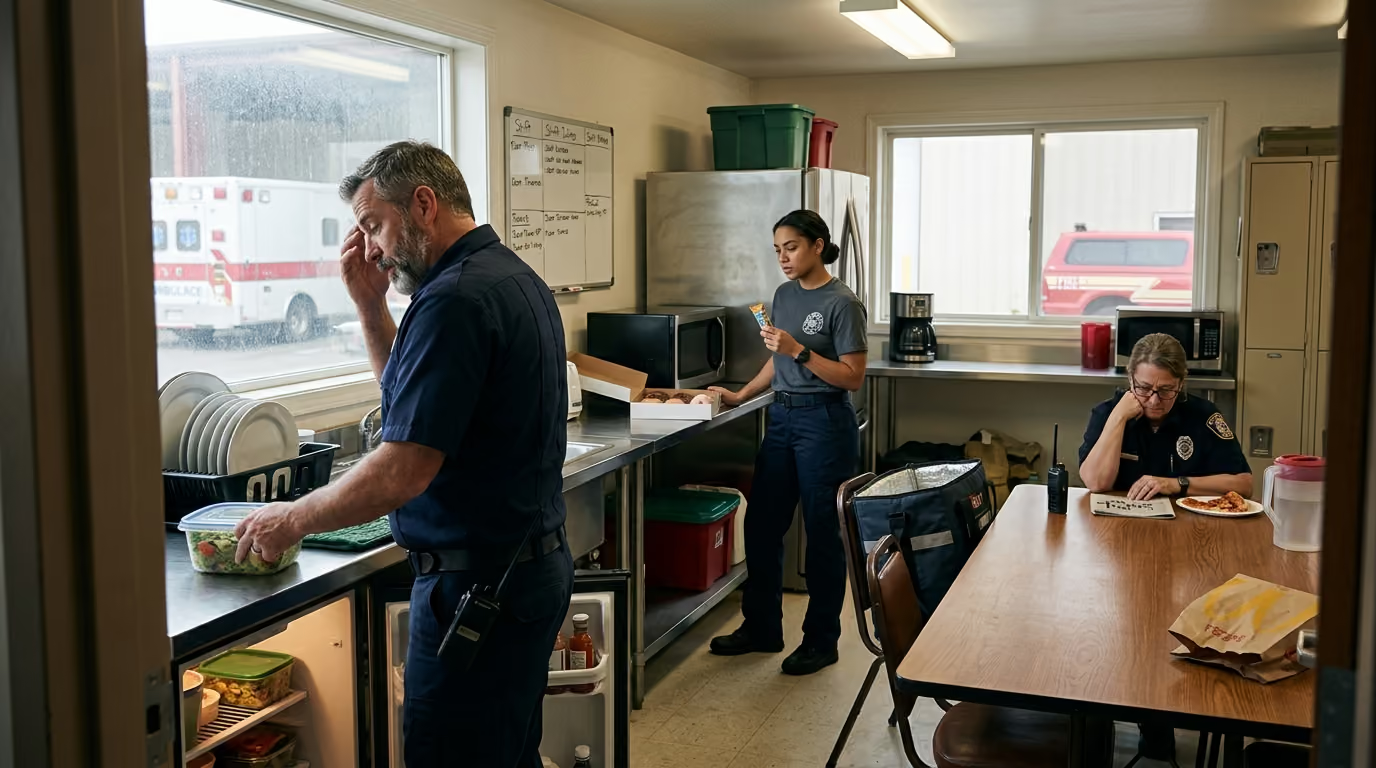

Late-night cravings and emergency stress distort your appetite, but structured meal timing helps you control hunger and maintain steady energy on shift.





Many emergency responders view late-night food cravings and post-call snacking as personal failures of discipline. When you find yourself standing in front of a station vending machine at three in the morning, it is easy to blame a lack of willpower. That assumption is biologically inaccurate. Working through the night, responding to high-acuity calls, and operating on fragmented sleep alters the neuroendocrine pathways that control appetite, glucose handling, and emotional regulation.
Controlling shift-work eating does not require aggressive restriction or rigid food rules. Instead, it requires understanding the physiological forces that drive hunger when your biological clock is out of alignment. By separating genuine energy deficits from stress responses and circadian signals, you can build a reliable fueling structure. This approach supports operational readiness on duty and protects your metabolic health over a long career.
Hunger on duty is rarely a simple signal that your body needs calories. In an emergency services environment, several distinct physiological systems interact to shape when, what, and how much you want to eat.
The primary biological driver is homeostatic hunger. This is the physiological drive to consume food after prolonged fasting or high energy expenditure. When you run multiple working fires, carry heavy equipment, or spend hours extricating a patient, your body burns through stored glycogen. In these situations, your stomach and intestines release signals demanding replacement energy.
Hedonic appetite functions through completely different neural pathways. Hedonic eating represents the desire to consume food for pleasure, comfort, or stimulation rather than energy balance. Palatable foods rich in refined fats, simple sugars, and salt activate brain reward centers. On shift, when mental exhaustion sets in, these foods become powerful tools for quick sensory stimulation.
Circadian appetite disruption occurs when you stay awake and eat at biological times meant for sleep. Your metabolic system runs on a 24-hour cycle coordinated by the central circadian clock in the brain and peripheral clocks in the liver, gut, and muscle tissue. When you work at night, your internal biological clock conflicts with your operational schedule. Simulated shift-work research shows that circadian misalignment alters appetite-regulating hormones, decreases insulin sensitivity, and changes how your body processes nutrients.
Sleep-loss-driven eating compounds these circadian effects. Restricting your sleep or experiencing frequent call interruptions alters your executive functioning and hormonal balance. Meta-analytic research demonstrates that short sleep elevates levels of ghrelin, the primary hormone that stimulates appetite, while suppressing leptin, the hormone that signals fullness. Laboratory data shows that sleep-deprived individuals experience higher total appetite ratings and consume more energy-dense foods than well-rested peers.
Stress-related eating occurs when the neuroendocrine response to high-stress incidents influences food choices. Acute stress activates the sympathetic nervous system, temporarily suppressing digestion and appetite. Once the incident ends, circulating cortisol levels remain elevated during the recovery phase. This hormonal state encourages the consumption of energy-dense foods to rebuild energy stores, creating strong cravings long after the call has cleared.
Ghrelin is a peptide hormone produced mainly in the stomach that acts on the brain to stimulate food intake. In healthy day-active schedules, ghrelin rises before customary meals and drops rapidly after eating. Circadian misalignment disrupts this predictable rhythm.
Clinical crossover trials in shift workers show that circadian misalignment increases 24-hour acylated ghrelin by roughly 17 percent. Studies also demonstrate that active ghrelin levels rise significantly during night-shift conditions, driving an estimated 38 percent increase in the desire to eat during test meals. Even when total caloric intake is controlled, workers report higher hunger scores during biological night shifts compared to daytime work.
Leptin acts as the metabolic counterbalance to ghrelin. Produced by adipose tissue, leptin signals long-term energy sufficiency to the hypothalamus to suppress appetite. Research consistently demonstrates that both simulated shift work and acute sleep deprivation reduce circulating leptin concentrations.
When ghrelin rises while leptin drops, your brain receives a false signal of severe energy deprivation. You experience intense biological hunger even if you have consumed adequate calories earlier in the day. Gut-derived satiety hormones like peptide YY can also show irregular patterns during shift rotations, decoupling subjective fullness from actual food consumption.
Sleep debt changes dietary behavior through both hormonal and cognitive pathways. Systematic reviews confirm that partial sleep deprivation increases overall daily energy intake across all macronutrients. When you are operating on four hours of broken sleep, your prefrontal cortex suffers from reduced activation.
This neurological state impairs impulse control and executive decision-making. At the same time, reward-processing centers in the brain become hyper-responsive to highly palatable food cues. Research shows that sleep-restricted individuals experience an increase in hunger and appetite of approximately 23 to 24 percent compared to well-rested conditions.
Sleep loss also increases evening cortisol concentrations and impairs peripheral glucose tolerance. Your cells become less responsive to insulin, meaning that a carbohydrate-heavy meal consumed after a sleepless night leads to larger blood sugar spikes and steeper crashes. These rapid glucose fluctuations trigger reactive hunger, leading to continuous grazing throughout the shift.
The physical and psychological stress of emergency work affects appetite in distinct phases. During an active high-acuity incident, your sympathetic nervous system initiates a fight-or-flight response. Epinephrine and corticotropin-releasing factors surge into circulation, diverting blood flow away from the digestive tract toward skeletal muscle and vital organs. In this state, physical hunger is completely suppressed.
The problem emerges during the post-call recovery window. As the immediate danger subsides, sympathetic tone declines while cortisol remains elevated in the bloodstream. Cortisol stimulates appetite and mobilizes glucose reserves, signaling the body to replenish spent fuel.
When high cortisol levels interact with brain reward pathways, cravings focus almost exclusively on high-fat, high-sugar, and high-sodium foods. Research indicates that stress increases both the craving for and the perceived pleasure of palatable foods. If you experience repeated high-stress calls throughout a 24-hour tour, this cycle repeats itself continuously. Chronic stress exposure builds a cumulative allostatic load that keeps stress pathways constantly active, making unplanned snacking a default coping response.
Emergency response work presents operational challenges that standard dietary advice fails to accommodate. First responders do not work in controlled environments with scheduled breaks and predictable routines. Understanding how specific job demands distort eating behaviors is the first step toward building a sustainable system.
The most obvious operational disruption is dispatch unpredictability. A crew may sit down to a balanced meal, only for the alarm tones to drop thirty seconds later. The meal is left on the table to get cold or spoil while the crew spends three hours on a highway extrication or structure fire.
When responders finally return to the station, they are physically depleted, biologically out of rhythm, and intensely hungry. In that moment of extreme depletion, nobody wants to spend twenty minutes reheating chicken and steaming vegetables. The path of least resistance is whatever can be eaten instantly, which is usually processed snack food, leftover station treats, or fast food purchased on the return drive.
Environmental food availability inside emergency facilities creates another significant hurdle. Fire station kitchens, dispatch break rooms, and hospital emergency department lounges are frequently filled with high-calorie, ultra-processed items. Donut boxes, baked goods dropped off by community members, and vending machines are constantly visible.
When you combine constant exposure to palatable foods with severe fatigue and circadian vulnerability, grazing becomes automatic. Workplace studies demonstrate that shift workers report significantly higher perceived stress levels on shift compared to off-duty periods. This work-related strain makes the immediate comfort of station food highly appealing.
Extended vehicle confinement also distorts food choices for law enforcement and emergency medical personnel. Spending ten to fourteen hours seated inside a patrol car or ambulance isolates workers from healthy food storage options. Convenience stores and fast-food drive-thrus become the primary access points for meals during long tours.
These environments are intentionally engineered to promote high-margin, ultra-processed products. Navigating these food environments while managing circadian fatigue, heavy gear loads, and acute stress requires deliberate operational strategies rather than spontaneous decision-making. You can explore active post-incident stress resets to help clear physical tension before addressing appetite after demanding calls.
To regain control over food decisions during irregular shifts, you must identify why you are reaching for food at any given moment. Most shift-work eating episodes attempt to satisfy three completely different needs: fueling the body, soothing emotional distress, or stimulating mental alertness.
When you confuse these three drivers, you ask food to solve problems that food cannot fix. Eating a box of cookies at four in the morning will not resolve nervous system arousal from a traumatic call, nor will it cure severe sleep debt. By decoupling these functions, you can select targeted solutions for each state.
The fuel function addresses physiological energy balance. If you have gone six hours without food while performing demanding physical tasks, your body requires genuine nutrients. Homeostatic hunger presents as a gradual, physical sensation in the stomach, often accompanied by mild fatigue or reduced concentration.
When you need fuel, any balanced food source is acceptable. You are satisfied by protein, complex carbohydrates, vegetables, and healthy fats. Satisfying this need requires structured meals and snacks that stabilize blood glucose and deliver sustained energy without overloading the digestive tract.
The soothe function represents an attempt to regulate acute distress, anxiety, frustration, or post-incident nervous system arousal. After responding to a critical pediatric call, a severe motor vehicle collision, or a violent confrontation, your nervous system is trapped in a state of high arousal. Food provides a rapid, accessible way to release dopamine and temporarily blunt uncomfortable emotions.
Eating to soothe is characterized by an urgent demand for specific, highly palatable comfort foods. You do not crave a chicken breast or an apple; you crave pizza, chips, or ice cream. Food can temporarily distract the brain, but it does not resolve nervous system activation. Soothing requires non-food transition routines, deliberate decompression practices, and social debriefing with crew members.
The stimulate function occurs when you use food to fight off circadian fatigue and sleepiness. Between two and five in the morning, your core body temperature reaches its lowest point, melatonin peaks, and alertness plummets. When you must remain awake and functional during this circadian low, the brain searches for any stimulus to maintain consciousness.
Sugary snacks, refined carbohydrates, and energy drinks provide a rapid surge of glucose and dopamine. This creates a transient boost in perceived alertness, but it is quickly followed by reactive hypoglycemia and deeper exhaustion. Stimulating alertness during the circadian low is better achieved through physical movement, bright ambient light exposure, deliberate hydration, and properly timed caffeine protocols.
Before reaching for food on shift, especially during night operations or immediately after stressful calls, run through this rapid mental diagnostic:
Answering these five questions clarifies the true origin of your craving. If six hours have passed since your last meal, you need fuel. If you just cleared a chaotic incident fifteen minutes ago, you need nervous system decompression before you make a food choice. If you are exhausted at four in the morning and plan to sleep at eight, you need a fatigue-management strategy rather than a massive dose of sugar.
Managing nutrition on shift requires an adaptable operational hierarchy. Rather than attempting to follow rigid meal schedules that collapse during busy operational periods, use a structured system based on tiers of food quality and situational availability.
This is your baseline nutritional foundation. A Tier 1 meal contains a high-quality protein source, fiber-rich complex carbohydrates, vegetables or fruit, and healthy fats. Guidelines from the National Institute for Occupational Safety and Health (NIOSH) recommend structured meals containing lean animal or plant proteins, starchy whole foods, and non-starchy vegetables to sustain energy balance.
Use Tier 1 meals prior to starting your shift or during predictable station downtime. Examples include grilled chicken breast with quinoa and roasted vegetables, or a salmon bowl with brown rice, avocado, and mixed greens. These meals provide a slow, sustained release of amino acids and glucose into the bloodstream, preventing the sharp peaks and troughs that trigger cravings.
When call volume prevents you from sitting down for a complete meal, Tier 2 options provide balanced nutrition in a mobile, easily consumed format. These snacks pair a protein source with a slower-digesting carbohydrate or healthy fat.
Practical examples include plain Greek yogurt with berries and walnuts, hard-boiled eggs with an apple, whole-grain crispbread with canned tuna, or a low-sugar protein shake paired with a handful of almonds. Tier 2 snacks keep blood sugar stable and prevent you from entering the late-shift window in a state of extreme hunger.
Emergency options are designed for situations where calls run back-to-back, you have missed multiple meals, and no fresh food is accessible. These items are shelf-stable, stowed directly inside your duty bag or vehicle, and require zero preparation.
High-protein meat sticks, individually portioned packs of mixed nuts, whole-food energy bars with minimal added sugar, and shelf-stable protein cartons fit this category. While not a complete replacement for fresh meals, consuming a Tier 3 option prevents the extreme hypoglycemia that leads to station bingeing later in the shift.
A realistic nutritional approach does not ban treats or station meals. Tier 4 represents comfort food consumed intentionally and with full awareness. If the station crew sits down together for Sunday dinner, or you decide to have a specific dessert, enjoy it as a deliberate choice.
The goal is to eliminate unplanned, unconscious grazing out of boredom or stress. When you choose to eat a Tier 4 item, portion it onto a plate, eat it without multitasking, and avoid turning a single treat into an open-ended eating episode. For a comprehensive overview of daily nutrition, review the practical meal planning on shift guide.
Structuring food intake across a night shift requires balancing digestive capacity with the need for operational alertness. Digestive enzyme secretion, gastric motility, and insulin sensitivity naturally decline during the biological night. Consuming large, heavy meals during these hours frequently causes gastrointestinal distress, acid reflux, and acute sleepiness.
Guidelines from the British Dietetic Association and NIOSH recommend consuming your main daily meal before the night shift begins, ideally in the early evening. This pre-shift meal should serve as your primary caloric and nutrient anchor.
During the overnight hours between midnight and six in the morning, shift your intake toward lighter, easily digested options. If your operational load is low, you may choose to minimize calorie intake during these hours. However, emergency responders performing active physical duties should not enforce rigid overnight fasts. If you require energy during the night, rely on Tier 2 compact snacks focused on lean protein, fiber, and modest healthy fats.
For workers exploring targeted fasting windows to support metabolic health, reviewing meal timing on night shift provides clear parameters that respect operational realities.
What you eat immediately after finishing a night tour directly impacts your daytime sleep quality. Arriving home ravenous after skipping food all night tempts you to consume a massive, heavy breakfast. Eating a large, fatty, or spicy meal within one to two hours of bedtime slows gastric emptying, elevates core body temperature, and increases the likelihood of sleep-disrupting acid reflux.
Conversely, attempting to go to sleep while completely hungry is equally counterproductive. Severe hunger stimulates orexin-producing neurons in the hypothalamus, promoting wakefulness and causing early awakenings.
The optimal strategy is a small, light snack consumed thirty to sixty minutes before your daytime sleep window. Choose items that are easily digested and combine a small amount of complex carbohydrate with protein. A bowl of oatmeal with a scoop of protein powder, a slice of whole-grain toast with almond butter, or cottage cheese with half a banana works well. Keep the portion modest to allow your digestive tract to rest while you sleep.
Caffeine is a valuable operational tool for managing alertness during extended shifts, but improper use fuels severe appetite dysregulation. When sleepiness peaks during early morning hours, many responders rely on energy drinks, pre-workout powders, or sweetened coffees to power through the remainder of the tour.
Caffeine functions primarily by blocking adenosine receptors in the central nervous system. Adenosine builds up in the brain throughout waking hours, creating homeostatic sleep pressure. While caffeine temporarily blocks these receptors, it does nothing to clear adenosine from your system. When the caffeine is metabolized, the accumulated adenosine binds rapidly to its receptors, causing an intense crash in alertness.
The American Academy of Sleep Medicine provides conditional recommendations for using caffeine to support alertness in shift work settings. However, you must account for its pharmacokinetics. Research documented by NIOSH indicates that caffeine has an average elimination half-life of five to six hours. In individuals with slower liver metabolism or those taking certain medications, the half-life can extend up to eight to ten hours.
Consuming high doses of caffeine during the second half of a night shift guarantees that significant concentrations will remain active in your bloodstream when you attempt to sleep. Even if you manage to fall asleep, caffeine degrades sleep architecture, particularly restorative slow-wave and REM stages. Fragmented, low-quality daytime sleep directly elevates next-day ghrelin, suppresses leptin, and amplifies cravings for high-calorie junk food.
To protect daytime recovery and break the fatigue-craving loop:
For detailed protocols on structuring intake across various rotations, consult the guide on strategic caffeine protocols on duty. To understand the wider physiological toll of operational exhaustion, review the analysis on circadian fatigue and sleep debt.
Under high stress and severe fatigue, complex nutritional plans fail. When your prefrontal cortex is exhausted, relying on spontaneous willpower leads to poor food decisions. Behavioral psychology shows that pre-committed implementation intentions, or "If-Then" plans, automate healthy decisions under operational pressure.
An implementation intention links an operational trigger directly to a pre-determined action:
> "If [Trigger Occurs], Then I Will [Pre-Planned Action]."
By deciding your response in advance, you eliminate the cognitive burden of decision-making when your willpower is compromised.
Applying nutritional strategies in an emergency services context requires balancing theoretical ideals with operational safety. Avoid several common misconceptions that can compromise performance or health.
Time-restricted eating and intermittent fasting have gained widespread popularity for improving metabolic markers. However, applying rigid fasting rules during active, unpredictable emergency duty can be hazardous.
If you are a firefighter engaged in sustained interior fire suppression or a tactical officer conducting an extended operation, your body requires available glucose and electrolytes. Enforcing a rigid "never eat after midnight" policy when your shift demands heavy physical output leads to acute hypoglycemia, impaired reaction time, mental confusion, and physical exhaustion. Nutritional timing must flex to match actual physical demands.
Many first responders attempt to offset shift-work weight gain by adopting aggressive, low-calorie diets. Chronically under-fueling while working long shifts elevates baseline cortisol levels and increases muscle protein breakdown.
This extreme restriction accelerates physical burnout and almost always ends in severe binge-eating episodes when fatigue peaks. The primary goal is adequate, predictable nourishment through high-quality whole foods, not chronic caloric deprivation.
Consuming large, fatty meals while working night shifts significantly increases the risk of gastroesophageal reflux disease (GERD) and functional dyspepsia. Gastric emptying slows during the biological night.
If you lie down in a station bunk or go to bed at home with a full stomach of greasy food, stomach acid enters the esophagus, fragmenting your sleep architecture. If you must eat during late-night hours, choose low-fat, low-spice foods that digest easily.
Food and energy drinks are never substitutes for sleep. If you are experiencing micro-sleeps, struggling to maintain lane position while driving an emergency vehicle, or finding yourself unable to focus on clinical radio traffic, you are dealing with severe sleep debt.
Snacking on sugar or drinking more caffeine provides a dangerous illusion of alertness while your cognitive processing remains severely degraded. In situations of dangerous sleepiness, utilize official department fatigue-management protocols, request crew rotation, or take an approved strategic recovery nap when operational conditions permit.
While structured lifestyle habits resolve most shift-work eating challenges, certain symptoms indicate underlying medical or psychological issues that require licensed clinical evaluation.
Consult a licensed healthcare provider, registered dietitian, or occupational medicine specialist if you experience:
A registered dietitian specializing in occupational or sports nutrition can help you calculate exact macronutrient targets and build meal plans that fit your specific department schedule. Medical professionals can evaluate metabolic labs, assess hormone panels, and provide evidence-based treatment plans that support your longevity.
Maintaining control over your nutrition during irregular shifts preserves physical capability under demanding operational loads. By applying practical, research-backed fueling strategies, you protect your health today and secure a resilient body for a long retirement after your service is complete.
Stay connected for research-led guidance on duty fitness, shift-work sleep, injury recovery, stress, nutrition and career longevity. Practical ideas for first responders who want to stay capable on the job, recover well and protect their health for the long run.



Read practical guidance on first responder fitness, recovery, sleep, nutrition and resilience for demanding work and a long, active career.
read the blog



