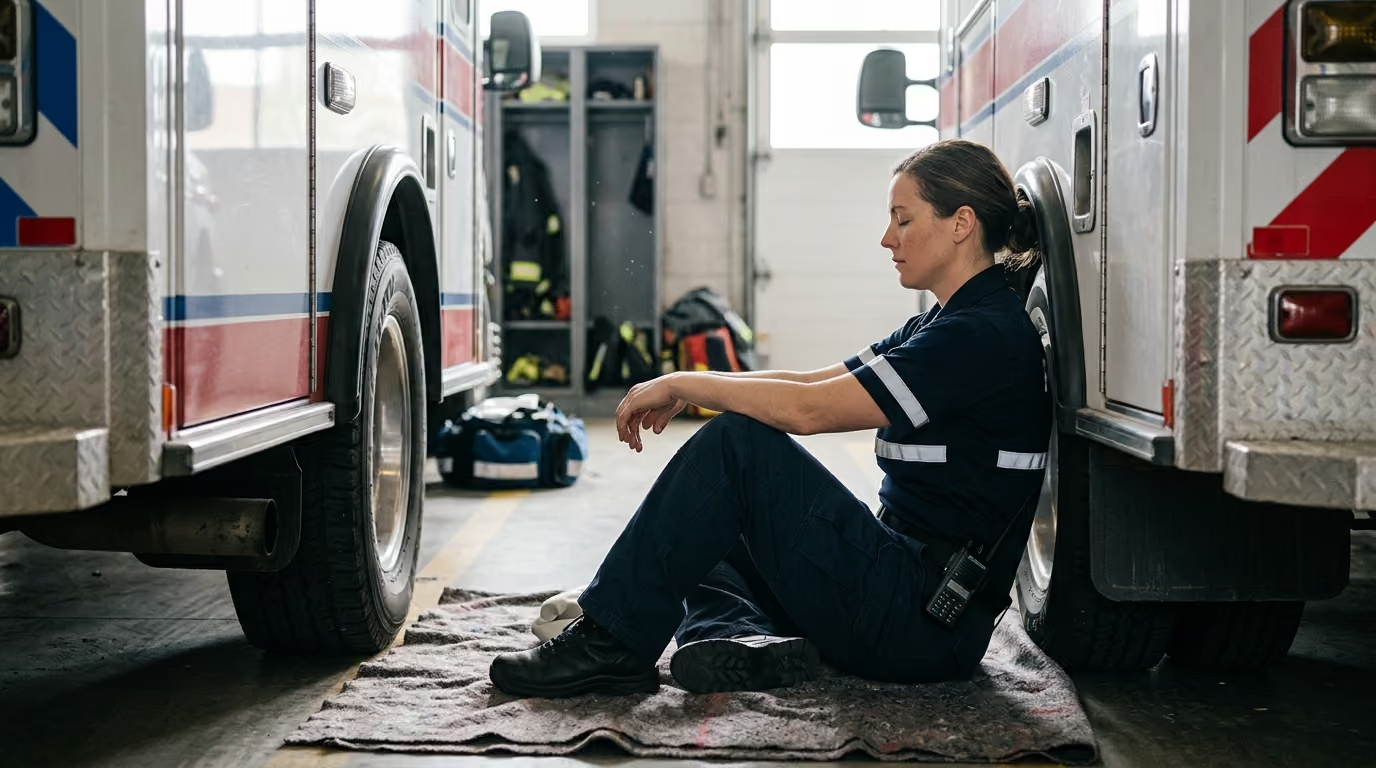

Four tiered practice models ranging from five seconds to thirty minutes help first responders build operational focus, navigate shift stress, and avoid ineffective mental training.





If you are in immediate danger, call 911. For 24/7 support, call or text 988 and press 1 for the Veterans Crisis Line, or text 838255.
Many emergency personnel search online for ways to quiet a racing mind after a rough shift, stop replaying critical incidents, or manage constant physical tension. They often encounter generic advice telling them to sit in silence for forty minutes, clear their thoughts, and relax. That advice usually fails because emergency work does not offer predictable quiet time, and tactical awareness cannot simply be turned off on command.
Mindfulness is not about forcing calm, emptying your mind, or passive acceptance of broken working conditions. It is a trainable attentional skill that helps you notice where your focus is, recognize stress responses early, and choose deliberate actions instead of operating on pure reflex. When adapted to the realities of shift work, brief and movement-based exercises can help reduce occupational strain, support recovery, and improve emotional regulation.
This guide breaks down what the clinical evidence actually shows, what mindfulness cannot fix, how to practice in thirty-second to ten-minute windows, and how to protect your safety when navigating high stress.
If you or a coworker are experiencing an immediate mental health crisis, resources are available right now. In the United States, call or text 988 to reach the Suicide & Crisis Lifeline, and press 1 if you are a veteran. You can also text 838255, call 911 for immediate medical emergencies, or contact your agency employee assistance program. Secure any lethal means at home with the support of a trusted peer, family member, or healthcare professional.
To evaluate mindfulness objectively, you must separate the underlying mental capacity from the formal culture that often surrounds it. Mindfulness is the practice of deliberately directing attention to current experience, noticing when focus drifts, and redirecting it without self-criticism. It is an active form of mental training, not a state of passive relaxation.
Mindfulness is not about emptying the mind. The human brain naturally generates thoughts, analyzes threats, and recalls past events. Trying to force mental silence usually creates frustration and raises physiological arousal. Mindfulness simply trains you to notice those thoughts without getting completely swept up in them.
Mindfulness is also distinct from generic relaxation techniques. Down-regulation drills, such as slow breathing or progressive muscle relaxation, aim specifically to lower heart rate and reduce physical arousal. Mindfulness practices may produce relaxation as a side effect, but their primary goal is attentional control. You learn to observe tension, discomfort, or cognitive fatigue without reacting impulsively.
In emergency services, this capacity is best understood as flexible attention under pressure. Responders must balance several attentional streams simultaneously:
Developing this flexibility relies on a simple six-step process. First, you orient by noticing the immediate environment. Second, you anchor your focus on a specific physical anchor, such as foot contact, grip on the steering wheel, or breathing cadence. Third, you recognize internal sensations, emotions, or distracting thoughts as they emerge.
Fourth, you allow the sensation to exist for a moment without fighting it or judging yourself for feeling stressed. Fifth, you return your attention to your anchor or to the immediate operational task. Sixth, you respond deliberately based on the actual requirements of the situation. Over time, practicing this loop strengthens your ability to disengage from unhelpful mental loops during and after demanding shifts.
The research base examining mindfulness in emergency services is growing, though it remains smaller and more variable than general clinical literature. Current evidence suggests notable benefits for self-regulation, perceived stress, and sleep disruption. However, studies vary in sample size and methodology, meaning findings should be viewed as promising rather than conclusive.
An eight-week Mindfulness-Based Resilience Training program studied across law enforcement cohorts demonstrated meaningful reductions in self-reported operational stress, organizational stress, fatigue, and emotional regulation difficulties. Participants reported lower overall anger and improved sleep parameters following the training. In that research, increases in mindful non-judging were specifically associated with reduced anger and lower operational strain, while increases in acting with awareness correlated with lower organizational stress.
Research evaluating emergency medical dispatchers highlights the value of remote delivery models. In a randomized controlled trial of the seven-week online Destress 9-1-1 program, dispatchers showed significant reductions in perceived stress compared to control groups. These improvements remained present at a three-month post-intervention follow-up. Because dispatch personnel face continuous cognitive strain in fixed work environments, structured digital programs offer a practical delivery method.
Short-duration practices have also shown utility in high-acuity medical environments. A study examining emergency department staff using a smartphone-guided mindfulness application for two to ten minutes daily found significant decreases in perceived stress and burnout over a four-week period. While within-group changes in healthcare workers cannot be directly applied to field responders, they indicate that brief daily practices can still yield measurable subjective benefits.
Broader systematic reviews and meta-analyses place mindfulness within the larger framework of first responder psychological interventions. A comprehensive meta-analysis of psychological interventions for emergency personnel found significant overall reductions in PTSD symptoms, depression, and anxiety across studied programs. However, interventions led by licensed clinicians and those built on cognitive-behavioral foundations produced significantly larger reductions in PTSD symptoms than non-clinical or peer-led approaches.
Meta-analyses examining meditation and mindfulness-based stress reduction as adjunctive approaches for diagnosed PTSD report modest reductions in depressive and post-traumatic symptoms. However, the overall quality of evidence remains low to moderate due to small sample sizes and brief follow-up periods. Mindfulness serves as a valuable tool for stress mitigation and daily regulation, but it does not replace structured clinical therapy for diagnosed post-traumatic stress.
Standard mindfulness instructions often fail first responders because they ignore the physical and logistical realities of the job. Asking a firefighter, paramedic, or police officer to sit quietly in a dark room for forty-five minutes is unrealistic during a busy tour. Emergency service schedules disrupt normal circadian rhythms, interrupt recovery windows, and keep the nervous system primed for sudden high-stakes calls.
Shift work creates persistent physical strain that alters baseline cognitive function. Sleep fragmentation and circadian disruption elevate circulating cortisol and increase baseline sympathetic nervous system activity. In this state, the brain naturally scans for danger. When a provider attempts passive meditation while sleep-deprived, they often experience severe restlessness or simply fall asleep immediately.
Understanding how shift rotations impact your recovery capacity is critical for long-term health. Extended wakefulness and irregular shift rotations create substantial sleep debt that simple relaxation cannot fix. To understand these physiological demands, explore how shift rotations drive fatigue and sleep debt. Mindfulness should be used to assist down-regulation when rest opportunities exist, not to replace actual sleep.
Hypervigilance is an adaptive operational necessity on duty that can become exhausting when personnel cannot switch it off at home. While patrolling, managing a fire ground, or working an unstable scene, wide sensory scanning keeps you and your crew safe. The goal of mindfulness is never to eliminate operational vigilance during an incident. The goal is to give you a conscious off-switch so you do not remain in high-threat scanning mode while writing reports, sitting at the station, or interacting with your family.
First responder practices must account for sudden interruptions. A call can drop ninety seconds into an exercise. If a technique requires deep trance states or twenty minutes of preparation, it is useless on shift. Attentional skills must be modular, brief, and immediately pauseable so personnel can instantly pivot back to operational readiness without feeling disoriented.
Building mental resilience works best alongside broader physical recovery strategies. When you learn how quick grounding techniques support shift recovery, you can integrate attention drills smoothly between high-stress calls without disrupting workflow.
Because emergency work varies wildly from day to day, a flexible training approach is far more effective than an all-or-nothing routine. Structuring your practice into four progressive tiers allows you to adapt to the operational tempo of each shift.
Micro-pauses are tactical interruptions designed to break automatic stress reactions during routine tasks. You can use these dozens of times per shift without taking time away from duty assignments.
Reset sequences help clear cognitive carryover between calls, difficult patient interactions, or frustrating administrative tasks.
Begin by visually orienting to your physical space. Look around the cab, station room, or office, noticing physical structures, colors, and lighting without evaluating them. Next, establish physical grounding by feeling the contact between your body and the seat, backrest, or floor.
Notice your current breathing cadence without trying to force a specific rhythm immediately. Slowly transition into slightly extended exhalations, allowing the out-breath to last one or two seconds longer than the in-breath. Mentally name your current internal state using a single neutral word, such as "rushed," "irritated," "fatigued," or "focused."
Conclude by asking yourself one practical operational question: "What is the single most important task I need to execute right now?" Direct your full attention toward that action, whether it is writing a narrative, cleaning equipment, or eating a meal.
Use Tier 3 practices during protected breaks, between calls on quiet shifts, or immediately following shift handoff.
Spend two minutes on external sensory grounding by noticing room temperature, ambient sounds, and physical contact points. Transition into two minutes of progressive body scanning, moving your attention sequentially from your jaw, neck, shoulders, hands, lower back, and legs. Simply note areas of tight muscle bracing without straining to relax them.
Spend three minutes practicing rhythmic breathing with attention anchored on the physical sensation of air moving through the nostrils or the rise of the ribcage. Finish with two minutes of gentle, unhurried mobility movements, such as shoulder rolls, ankle rotations, or standing hamstring stretches.
Tier 4 involves formal, protected practice typically done on off-duty days or during scheduled training blocks.
This includes structured guided meditation programs, comprehensive progressive muscle relaxation protocols, extended body scans, or dedicated mindful movement sessions like martial arts forms or yoga. Structured training builds baseline cognitive control, making Tier 1 and Tier 2 micro-practices far more effective when you are under acute operational stress.
Protecting your capacity across an entire career requires managing multiple stress pathways simultaneously. Reviewing principles within comprehensive career longevity strategies helps connect attentional drills with sleep hygiene, nutrition, and joint health.
Many first responders find traditional seated meditation unproductive, especially when dealing with high physical arousal, orthopedic pain, or restless energy. Movement-based mindfulness offers an accessible alternative that provides strong sensory feedback, making it easier to anchor attention without fighting your body.
Apparatus bay walking is an effective format that fits naturally into station life. Walk at a measured, normal pace across the bay or perimeter yard with your eyes open and alert. Anchor your attention entirely on the physical impact of your heels and toes striking the ground. Notice how your body weight shifts from side to side with each step. If your mind begins replaying a past dispatch or worrying about shift relief, simply note the thought and return focus to the physical sensation of walking.
Post-incident mobility work combines physical recovery with present-moment attention. After shedding heavy duty gear, body armor, or structural firefighting equipment, spend five minutes moving through basic ranges of motion. Focus your awareness on the sensation of joints unloading and muscle tissues stretching:
Standing duty-gear scans help reset posture during long periods of standing, such as perimeter control, hospital wall time, or staging. Stand with feet shoulder-width apart, knees slightly unlocked, and eyes open. Spend two minutes scanning upward from your boots to your helmet, noticing how your body compensates for the weight of your vest, gun belt, or pack. Consciously drop your shoulders half an inch, unclench your gluteal muscles, and balance your weight evenly across both feet.
Integrating attention practices into physical recovery helps maintain physical readiness. If you are balancing physical demands with duty shifts, understanding how autoregulation training protects responder performance provides a structured framework for managing daily volume.
Mindfulness can be a valuable tool, but misunderstanding its purpose leads to frustration, wasted effort, and institutional cynicism. Clarifying what mindfulness cannot do is just as important as learning how to practice it.
Mindfulness cannot solve organizational failures. Agencies sometimes promote wellness apps or meditation classes as a quick fix for systemic problems like severe understaffing, mandatory overtime, toxic leadership, or inadequate equipment. Mindfulness is an individual regulation skill, not a remedy for unsustainable working conditions. Expecting personal meditation to resolve chronic organizational burnout breeds resentment, and leadership must address administrative stressors directly.
Mindfulness is not a substitute for evidence-based clinical therapy. Attentional skills can help you manage daily occupational stress, but they cannot cure clinical depression, active substance dependence, severe panic disorders, or complex PTSD. When psychological injuries reach clinical thresholds, you need professional care from licensed mental health providers who understand trauma.
Forcing breath-focused exercises can sometimes backfire. Standard meditation scripts frequently tell participants to close their eyes and focus deeply on their breathing. For individuals carrying high traumatic stress, panic tendencies, or respiratory conditions, focusing narrowly on internal sensations can actually increase anxiety. Effective first responder training must always provide alternatives, such as eyes-open practice and external sensory anchors.
Mindfulness cannot replace biological sleep. While regular mindfulness practice can help quiet mental chatter and make it easier to fall asleep, it does not erase accumulated sleep debt. You cannot meditate your way out of the cognitive deficits caused by working consecutive seventy-two-hour weeks. Real recovery requires adequate sleep opportunities alongside smart stress management. For actionable sleep scheduling strategies, read our guide on building a shift-specific sleep plan.
Mindfulness should never compromise operational safety. Attempting an inward-focused meditation while operating an emergency vehicle, staffing a pump panel, clearing a building, or managing a critical patient is dangerous. Mindfulness during operations should strictly mean clear, focused awareness on the task at hand.
Mindfulness is generally safe, but like any form of training, it has boundaries and potential side effects. Research compiled by the National Center for Complementary and Integrative Health indicates that roughly eight percent of participants in general meditation studies report transient negative experiences, including spikes in anxiety, depressive thoughts, or unexpected emotional distress. Recognizing these possibilities ensures you can practice safely and adjust when needed.
Trauma-sensitive instruction is essential for public safety personnel. Because first responders encounter severe human suffering, sudden violence, and life-threatening scenes, unstructured inward meditation can occasionally surface distressing thoughts or intrusive images.
If an exercise begins to feel overwhelming, apply these trauma-sensitive adjustments:
Certain clinical situations require professional medical evaluation rather than self-directed mindfulness practice:
If you recognize these symptoms in yourself or a crew member, reach out for professional help. Consult a licensed psychologist, clinical social worker, or medical doctor experienced with first responder trauma. Department peer support teams, confidential employee assistance programs, and specialized first responder clinical networks can connect you with evidence-based treatments like Cognitive Processing Therapy, Prolonged Exposure, or EMDR.
Introducing mindfulness programs into emergency service agencies often runs into significant cultural and logistical hurdles. Fire stations, police departments, dispatch centers, and EMS bases are practical, mission-driven environments that tend to be skeptical of corporate wellness trends. Successful programs must adapt to this culture rather than trying to change it.
Language matters when introducing these tools. Framing mindfulness using esoteric, spiritual, or generic corporate wellness terms often alienates personnel. Using direct, operational language makes the underlying concepts much more accessible:
Program delivery must match shift work schedules. Mandating attendance at a single weekly class guarantees poor participation due to shift rotations, late calls, and overtime. Agencies should offer short, modular instructional videos, self-paced digital programs, and brief drills that can easily fit into morning briefings or company training rotations.
Strict confidentiality is critical for building trust. Responders often avoid department-sponsored wellness initiatives out of fear that admitting to stress will impact promotions, special team assignments, or duty status. Participation in mindfulness training must remain completely separate from fitness-for-duty evaluations and supervisory records. Involving respected peer support members and field training officers as program advocates helps normalize attentional training as a standard professional skill.
Building reliable attentional control does not require hours of daily meditation. Practicing brief, consistent drills each week will gradually strengthen your focus and recovery capacity throughout your career.
Use this practical checklist to build these habits over the coming week:
Attentional training is a practical skill designed to protect your performance on duty and your health at home. By utilizing brief, adaptable exercises that fit your schedule, you can build reliable mental focus, support physical recovery, and maintain a long, healthy career in emergency services.
Stay connected for research-led guidance on duty fitness, shift-work sleep, injury recovery, stress, nutrition and career longevity. Practical ideas for first responders who want to stay capable on the job, recover well and protect their health for the long run.



Read practical guidance on first responder fitness, recovery, sleep, nutrition and resilience for demanding work and a long, active career.
read the blog



