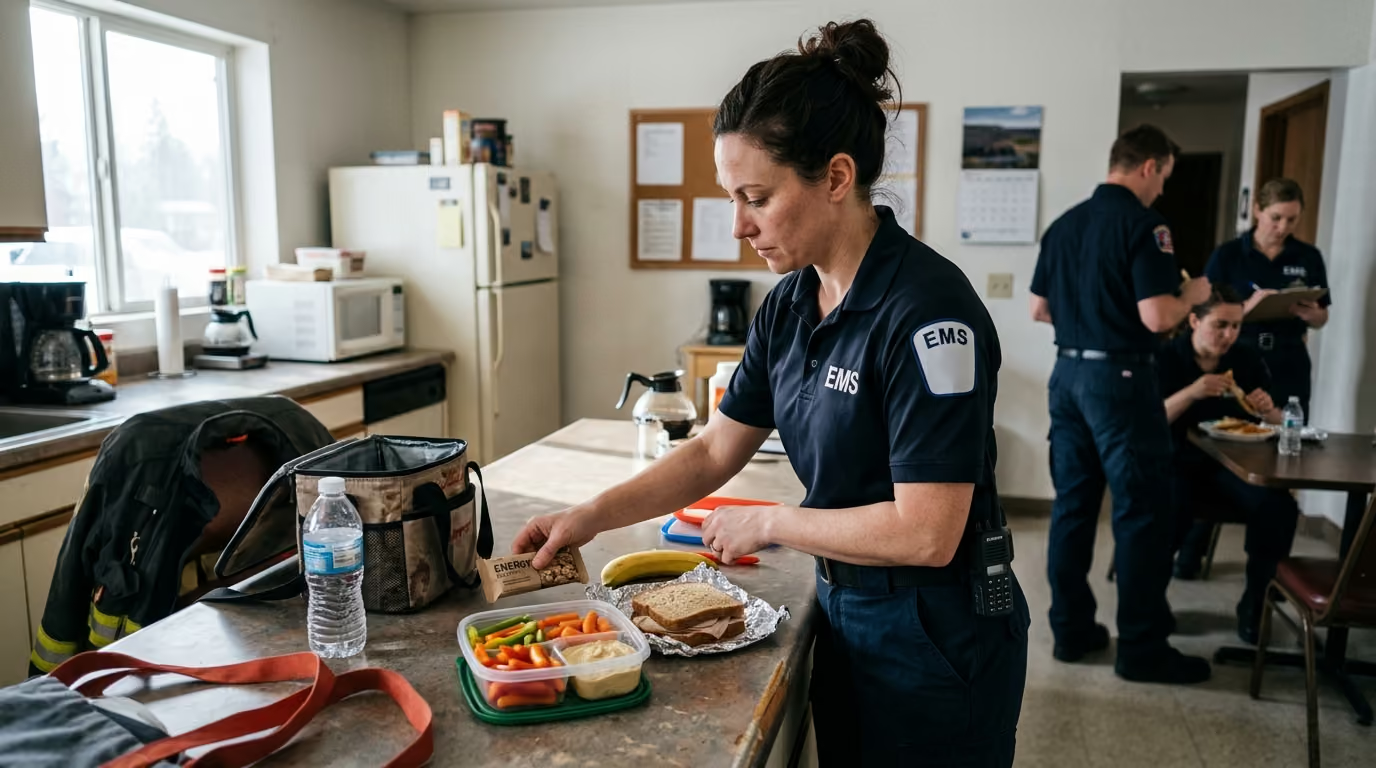

Three anchor meals and a practical framework help shift workers maintain energy balance and preserve lean mass during demanding high-workload periods.





Most performance advice assumes that when workload spikes, you should tighten your discipline, prep every meal in advance, and stick rigidly to your nutrition plan. In reality, attempting to execute an ideal diet during mandatory overtime, back-to-back emergency calls, or severe sleep loss almost always backfires. When time and cognitive bandwidth disappear, trying to maintain culinary perfection leads to skipped meals, energy crashes, and reactive binge eating from whatever convenience store is closest.
High-workload periods demand damage control, not optimization. The real priority is preserving a minimal set of non-negotiable habits that protect alertness, lean tissue, hydration, and appetite stability until the schedule normalizes.
When duty hours expand and rest windows contract, your primary job is to keep total energy adequate, maintain baseline protein distribution, hydrate intentionally, and avoid extreme dietary restriction. Fine-grained calorie counting, aggressive fat-loss phases, and complex cooking routines can wait. Surviving high-demand blocks with your physical capability intact requires reliable defaults that work when the schedule falls apart.
Research examining shift workers, emergency personnel, and athletes under high operational load reveals consistent nutritional breakdown patterns. The literature shows that irregular work hours, nocturnal duty, and shortened sleep windows alter both human physiology and daily eating behavior.
A substantial body of evidence demonstrates that shift schedules systematically alter chrononutrition, which is the interaction between biological timing and nutrient intake. Scoping reviews on shift workers show that night-shift eating windows are typically 2.3 to 2.6 hours longer than standard daytime schedules. The caloric midpoint of the day gets delayed by roughly two hours, and the final meal of the cycle occurs two to three hours later. Longer eating windows combined with erratic timing consistently correlate with higher total daily energy intake and lower overall nutritional quality.
Systematic reviews confirm that shift workers skip main meals more often, consume food at unconventional hours, and rely more heavily on saturated fats and refined sugar. When routines break, workers tend to replace structured meals with multiple unstructured, low-protein snacks. This is not simply a failure of will. It is a predictable response to circadian disruption, irregular break opportunities, and fatigue.
Sleep restriction directly alters appetite-regulating hormones and brain reward centers. Meta-analyses of controlled sleep studies show that sleep deprivation increases subjective hunger ratings by approximately 13.4 points on a 100-point scale. This hormonal shift leads to an average increase in energy intake of 253 to 385 calories per day, usually skewed toward high-fat and carbohydrate-dense foods. Laboratory research indicates that under conditions of sleep restriction with open access to food, individuals gain weight rapidly, accumulating abdominal and visceral fat.
Sports medicine research provides a clear framework for understanding workload stress through the lens of energy availability. Energy availability represents dietary energy intake minus exercise energy expenditure, scaled to fat-free mass. Research in sports nutrition identifies roughly 45 calories per kilogram of fat-free mass daily as a baseline for energy balance in active populations.
When energy availability drops below 30 calories per kilogram of fat-free mass, physiological function deteriorates. Low energy availability impairs metabolic rate, bone turnover, hormonal profiles, and recovery capacity. Attempting an aggressive calorie deficit during an operational crunch elevates the risk of illness, injury, and physical burnout.
Evidence across occupational health and sports performance is clear on protein preservation. Position stands from the International Society of Sports Nutrition indicate that exercising individuals require 1.4 to 2.0 grams of protein per kilogram of body weight daily. During periods of energy restriction or high physical stress, intakes of 2.3 to 3.1 grams per kilogram of fat-free mass help protect skeletal muscle mass. Distributing high-quality protein in doses of roughly 0.3 grams per kilogram every three to five hours supports muscle protein synthesis far better than skewing intake entirely to a single evening meal.
Fluid balance research from the American College of Sports Medicine demonstrates that dehydration exceeding 2 to 3 percent of body mass impairs cognitive function, motor control, and physical endurance. Fluid replacement protocols suggest consuming 450 to 675 milliliters of fluid for every 0.5 kilograms of body mass lost during heavy exertion. Maintaining adequate hydration is critical for keeping core temperature stable and sustaining physical output under demanding conditions.
First responder work creates physical and cognitive demands that standard dietary advice fails to address. Prolonged emergency scenes, unpredictable dispatch volumes, physical extractions, heavy protective equipment, and erratic shift patterns place unusual strains on metabolic function.
Understanding these occupational realities helps you adjust your habits without guilt or confusion. For a deeper look at operational fueling, explore first responder shift nutrition strategies that match field realities.
Emergency calls do not respect a standard meal schedule. A crew might sit down for dinner only to catch a structure fire, a complex rescue, or a critical medical call that lasts four hours. The sudden transition from complete rest to maximal physical output demands immediate glycogen availability. If you have gone eight hours without food because calls stacked up, your physical strength, heat tolerance, and situational awareness suffer.
Environmental heat and heavy personal protective equipment compound these metabolic demands. Structural turnout gear, ballistic vests, and hazardous materials suits trap heat, causing rapid sweat loss and cardiovascular drift. Working in warm environments while wearing heavy gear can cause sweat rates of one to two liters per hour. If you do not replace fluid and sodium, plasma volume drops, heart rate spikes, and physical exhaustion sets in rapidly.
Conversely, extended overtime blocks can also involve hours of stationary waiting, vehicle transport, or report writing interrupted by sudden physical sprints. This pattern makes appetite regulation difficult. Sitting for hours in a state of high autonomic arousal while sleep-deprived triggers strong cravings for quick energy. Grabbing pastries, energy drinks, and fast food becomes an automatic coping mechanism when you need to stay awake behind the wheel or at the console.
These operational constraints mean that textbook meal timing rarely survives in the field. When fatigue accumulates over multiple consecutive shifts, the body's ability to process large, heavy meals declines. Managing duty stress requires building flexible fueling habits rather than expecting a calm, predictable schedule. Operational challenges like these are common during severe deployment cycles, as seen in operational fatigue in demanding roles.
When duty hours surge and your normal lifestyle falls apart, you must prioritize ruthlessly. Trying to maintain every training target, precise macronutrient ratio, and elaborate recipe will leave you overwhelmed. The Protect, Support, Defer framework creates clear operational priorities for your nutrition.
The Protect tier contains non-negotiable health baselines that you defend regardless of how chaotic the shift becomes. These variables preserve your physical capability, protect your muscle mass, and prevent deep systemic fatigue.
The Support tier contains flexible adjustments that you scale up or down based on the physical and mental intensity of the shift. These actions directly fuel active duty tasks and preserve alertness.
The Defer tier consists of fitness and dietary objectives that should be paused until your workload, schedule, and sleep return to baseline. Pursuing these during a crisis adds unnecessary stress to an already overloaded system.
To keep your nutrition functional when schedules break, eliminate decision fatigue. You should not have to decide what, when, and how to eat while managing emergency calls or heavy overtime. The Three-Anchor model establishes predictable default meals, supported by emergency field rations.
An anchor meal is a simple, repeatable combination of high-quality protein, a manageable carbohydrate source, and produce or healthy fats. Organizing your day around three anchor meals stabilizes your blood glucose, prevents extreme hunger, and secures your baseline nutrients.
The timing of these meals adapts to whether you work a day, evening, or night shift. The composition remains steady and straightforward.
When emergency calls drag on and station meals are missed, you need non-perishable food within arm's reach. Never rely on the hope that a call will wrap up quickly. Store an emergency nutrition kit in your duty bag, vehicle locker, or apparatus cab.
A reliable emergency kit contains shelf-stable foods that require no refrigeration or cooking:
When you must rely on convenience stores, station pantries, or fast-food outlets, use a traffic-light framework to make rapid, supportive choices.
Green choices are dependable defaults that provide clean energy, high-quality protein, and valuable micronutrients. These include pre-packaged salads with grilled chicken, rotisserie chicken, Greek yogurt cups, hard-boiled eggs, fresh bananas and apples, pre-made turkey sandwiches on whole wheat, and unsweetened iced tea or water.
Yellow choices are useful convenience options that solve an immediate calorie or convenience problem without significant digestive distress. These include ready-to-drink meal replacement shakes, supermarket sushi rolls, burritos with lean meat and beans, frozen entrees with at least 20 grams of protein, and sports recovery drinks during prolonged physical exertion.
Red choices are items that increase fatigue, gastrointestinal distress, and sleep disruption when consumed as regular defaults. These include deep-fried fast foods, large boxes of donuts or pastries, super-sized sugar-sweetened energy drinks, heavy creamy pasta dishes right before bed, and alcohol used to decompress after a grueling shift. To understand how food quality impacts long-term body composition, see our guide to energy and nutrition for body composition.
Nutrition requirements change depending on whether your high workload involves heavy physical labor or prolonged sedentary monitoring under sleep restriction. Adjusting your macronutrients and hydration to match the specific physical demands prevents both under-fueling and unnecessary fat gain.
When work demands force you to reduce training volume, keeping protein high protects your lean muscle tissue. Protein also provides high satiety, which prevents unplanned snacking when fatigue makes appetite control difficult.
Maintain a total daily protein intake between 1.4 and 2.0 grams per kilogram of body weight. If you are forced into an involuntary calorie deficit due to missed meals, push protein toward 2.0 to 2.4 grams per kilogram of fat-free mass.
Aim for roughly 0.3 to 0.4 grams of protein per kilogram of body weight at each of your three anchor meals. For an 85-kilogram individual, this equates to roughly 25 to 35 grams of high-quality protein per feeding. High-leucine protein sources like dairy, poultry, fish, lean red meat, eggs, and soy isolate stimulate muscle protein synthesis most efficiently.
Carbohydrates are the primary fuel for high-intensity physical exertion, central nervous system function, and rapid decision-making. However, the amount you need depends heavily on your daily physical movement.
During heavy physical workloads involving wildland firefighting, structural firefighting, technical rescue, or tactical operations, carbohydrate needs rise substantially. Under prolonged high-output conditions, consume 30 to 60 grams of easily digestible carbohydrates per hour of continuous physical work. Simple sources like fruit purée pouches, bananas, sports drinks, or energy chews maintain blood glucose without causing stomach cramps.
During sedentary overtime blocks involving dispatch, administrative casework, extended surveillance, or long apparatus transports, physical glycogen depletion is minimal. In these situations, large doses of refined carbohydrates cause rapid blood sugar spikes followed by reactive hypoglycemia and profound lethargy. Emphasize lower-glycemic, fiber-rich carbohydrate sources such as oats, brown rice, quinoa, apples, berries, and legumes to maintain stable energy and alertness.
Dehydration degrades physical performance, thermoregulation, and cognitive processing long before you feel severe thirst. Thirst is a lagging indicator of fluid deficit, particularly during high-stress calls where adrenaline blunts physiological cues.
Use simple field markers to monitor fluid balance. Check your urine color periodically; it should ideally match a pale straw color. Dark, concentrated urine indicates significant dehydration, while completely clear urine passed in high volumes may signal over-hydration without adequate electrolyte balance.
For standard duty shifts with moderate activity, drink roughly 30 to 40 milliliters of water per kilogram of body weight across the day. Keep a visible, dedicated water bottle at your workstation or in the apparatus cab, taking regular sips throughout the shift rather than chugging large volumes at once.
When operating in high heat, wearing personal protective equipment, or engaging in strenuous physical labor, replace fluids aggressively. Drink 450 to 675 milliliters of fluid for every 0.5 kilograms of body weight lost through sweat during the operational period. In heavy sweating conditions, plain water is insufficient and can lead to hyponatremia; use electrolyte beverages containing 300 to 600 milligrams of sodium per half-liter to retain fluids and maintain muscular function.
Caffeine is one of the most widely used operational tools in emergency services, but misuse creates a vicious cycle of chronic sleep disruption and worsening daytime fatigue. Strategic use improves vigilance, reaction time, and physical strength, while indiscriminate use destroys sleep architecture. For broader sleep recovery methods, consult our resource on managing shift work sleep.
Caffeine has an average elimination half-life of five to seven hours in healthy adults, with a quarter-life extending up to twelve hours. If you consume 200 milligrams of caffeine at 4:00 p.m. approximately 100 milligrams remains active in your system at 10:00 p.m. and 50 milligrams lingers at 4:00 a.m.
Clinical sleep studies demonstrate that consuming 400 milligrams of caffeine within 12 hours of bedtime significantly disrupts sleep architecture. Even when taken six hours before sleep, caffeine reduces total sleep time by more than an hour and drastically reduces restorative slow-wave deep sleep. You may fall asleep out of sheer exhaustion, but the physiological quality of your sleep remains severely degraded.
To use caffeine safely and effectively:
Going to bed ravenously hungry or uncomfortably stuffed impairs sleep onset and sleep maintenance. Chrononutrition studies show that eating massive, high-fat meals immediately before sleep delays sleep onset, triggers gastrointestinal reflux, and raises nocturnal heart rate. However, attempting to follow a rigid fasting rule when your stomach is growling will wake you up prematurely.
CDC and NIOSH guidelines for shift workers suggest eating a small, easily digestible snack before daytime or night sleep if hunger would otherwise interrupt rest. Ideal pre-sleep snacks include foods that provide a modest amount of protein and complex carbohydrates without heavy fats or spices.
Excellent pre-sleep options include:
Real-world operational duty rarely matches clinical textbook recommendations. The following illustrative models show how to apply these nutrition principles under specific operational constraints.
Consider an administrative or dispatch professional working 12-hour mandatory overtime shifts with minimal physical movement and high mental fatigue. Training in the gym is temporarily reduced from four days per week to zero.
The primary risk in this scenario is unmonitored grazing on high-calorie, low-nutrient breakroom snacks driven by boredom, stress, and sleep deprivation. Because physical output is low, calorie expenditure does not rise, making excessive intake likely to lead to rapid fat gain.
The operational strategy:
Consider a paramedic or EMT working 12-hour rotating night shifts from 7:00 p.m. to 7:00 a.m. with unpredictable dispatch volume, constant vehicle transport, and fragmented daytime sleep.
The primary risk is consuming heavy fast food at 2:00 a.m. chugging high-caffeine energy drinks at 4:00 a.m. to stay awake, and returning home with high digestive distress, making daytime sleep nearly impossible.
The operational strategy:
Consider a wildland or structural firefighter engaged in prolonged, heavy suppression operations involving continuous physical exertion, high thermal load, and unpredictable break intervals. Gym training is entirely replaced by operational physical work.
The primary risk is acute under-fueling, severe dehydration, and low energy availability, leading to cognitive errors, extreme muscle soreness, and physical exhaustion.
The operational strategy:
When station food is unreachable and you must eat from commercial outlets, follow these clear rules of engagement:
To determine how to adjust your physical training alongside these nutritional choices during demanding schedules, use our training decision framework during shift work.
High-workload periods require a clear understanding of physiological safety limits. Forcing your body through intense physical training while running on extreme sleep debt and compromised nutrition is not dedication; it is an operational hazard.
Low energy availability combined with high mental stress blunts immune function. White blood cell activity decreases, mucosal immunity in the respiratory tract drops, and vulnerability to viral infections rises significantly. If you notice signs of systemic illness, profound muscle weakness, or dizziness, attempting to maintain an intense workout schedule will only accelerate physical breakdown.
Safety considerations during crunch periods include:
Never attempt to train through acute joint pain, extreme dizziness, or unmanageable sleepiness simply to check a box on a training plan. When operational demands spike, maintaining basic occupational capability and safe vehicle operation must always take precedence over gym metrics.
While dietary adjustments and lifestyle adaptations solve most short-term workload challenges, certain persistent physiological symptoms require licensed clinical evaluation. You should not attempt to self-diagnose or treat severe metabolic or digestive dysfunctions with dietary supplements or extreme dietary protocols.
Consult a physician, registered dietitian, or licensed healthcare provider if you experience:
A licensed professional can run appropriate diagnostic lab work, evaluate underlying physiological conditions, and provide individualized medical nutrition therapy that fits your career demands.
When the overtime wave ends and your schedule normalizes, your body needs a structured transition back to regular routines. Avoid the common mistake of immediately starting a punishing detox diet or an extreme workout regimen to make up for disrupted habits.
Treat the post-workload period as a deliberate re-entry phase that restores physiological equilibrium and prepares you for the next operational cycle. To ensure your habits support your entire career, review our concepts on career longevity strategies.
Your immediate priority after the crunch ends is restoring baseline hydration, cellular glycogen, and sleep architecture.
Once acute fatigue subsides, gradually reintroduce your normal training and nutrition standards.
Managing nutrition during extreme duty demands is about damage control, resilience, and operational readiness. By shifting away from rigid perfection and using practical defaults, you protect your physical capability, lean tissue, and health across a long career.
Sustainable capability comes from having reliable defaults that keep you fueled, alert, and capable when your schedule completely breaks.
Stay connected for research-led guidance on duty fitness, shift-work sleep, injury recovery, stress, nutrition and career longevity. Practical ideas for first responders who want to stay capable on the job, recover well and protect their health for the long run.



Read practical guidance on first responder fitness, recovery, sleep, nutrition and resilience for demanding work and a long, active career.
read the blog



