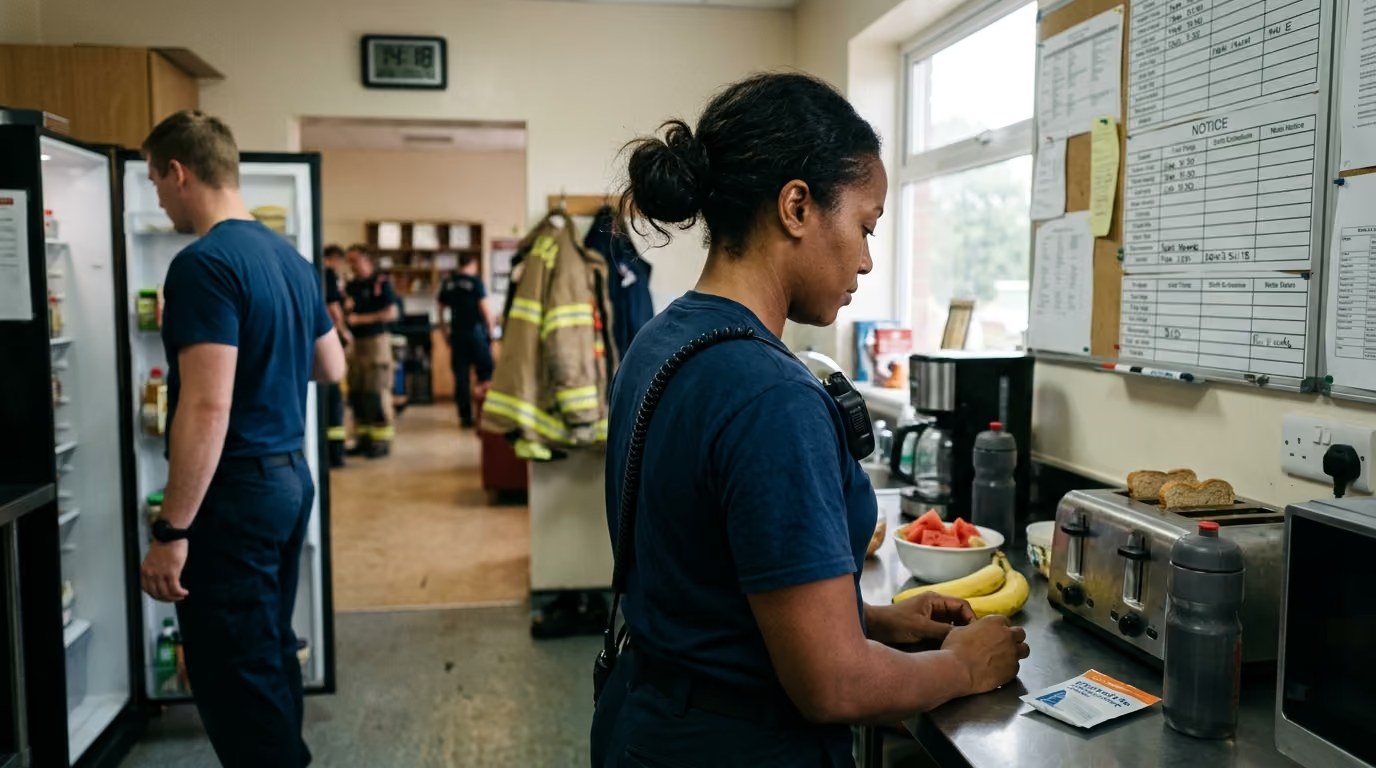

Four specific response scenarios show emergency personnel how to balance fluid loss, sustain energy availability, and safely recover after working in heavy turnout gear.





Many first responders search for how to fuel during extreme heat without vomiting, cramping, or crashing mid-shift. Working in heavy turnout gear, ballistic vests, or chemical suits creates an internal microclimate that standard sports hydration advice fails to address. This guide delivers a definitive operational framework for managing fluids, sodium, carbohydrate intake, gastrointestinal tolerance, and post-shift recovery under severe thermal loads.
Working in protective ensembles under high temperatures represents an uncompensable heat challenge. Nutrition and hydration must function as an operational system rather than an afterthought left to personal willpower.
Managing heat stress in personal protective equipment requires structured fluid intake, balanced sodium replacement, easily digestible carbohydrates, and aggressive physical cooling. For moderate work in the heat, drink approximately 8 ounces of fluid every 15 to 20 minutes, while keeping total intake below 6 cups per hour. For shifts extending past two hours with continuous sweating, incorporate balanced electrolyte beverages providing 300 to 600 milligrams of sodium per hour alongside simple, low-fat carbohydrates.
Drinking plain water alone cannot overcome uncompensable thermal loads. High-heat work reduces blood flow to the gut, meaning large fluid boluses and heavy meals trigger severe gastrointestinal distress. Rapid recovery after heavy sweat loss requires consuming 125 to 150 percent of lost body mass in fluid paired with sodium within the first several hours post-incident.
Understanding the physiological difference between heat stress and heat strain is fundamental for emergency personnel. Heat stress represents the total external heat load imposed on the body. This includes ambient air temperature, relative humidity, radiant sunlight, metabolic heat from muscular exertion, and the insulating properties of gear. Heat strain is the internal physiological response to that cumulative stress, marked by rising core temperature, elevated heart rate, profuse sweating, and nervous system fatigue.
Personal protective equipment alters human thermoregulation by creating a barrier against environmental hazards that also traps body heat. Turnout gear, hazardous material suits, and body armor add physical weight while severely restricting air movement across the skin. Under normal conditions, sweat evaporation serves as the primary mechanism for cooling the human body. When encapsulated within non-breathable fabrics or multi-layered thermal barriers, sweat remains trapped against the skin as liquid rather than evaporating into the air.
This creates an uncompensable heat environment. In a compensable environment, sweat can evaporate rapidly enough to balance internal heat production with heat dissipation. In an uncompensable environment, heat production outpaces heat loss regardless of how much sweat the body produces. Core temperature continues to climb steadily as long as physical exertion continues inside the ensemble.
Research shows that even moderate levels of hypohydration significantly shorten the time a worker can tolerate uncompensable heat stress. When fluid deficits climb, blood volume drops, which reduces cardiac output and decreases skin blood flow. The cardiovascular system faces a severe conflict between delivering oxygenated blood to working skeletal muscles and shunting blood to the skin surface for cooling. Pairing proper nutrition with structured work-rest cycles is therefore an operational necessity rather than a personal preference.
Maintaining euhydration, or normal baseline body water, is essential before entering any high-heat operational environment. First responders should never begin an emergency shift in a dehydrated state and hope to catch up later. Research from occupational and sports physiology guidelines suggests consuming roughly 2 to 3 milliliters of fluid per pound of body mass at least four hours prior to strenuous duty. For a 180-pound responder, this equates to roughly 360 to 540 milliliters, or 12 to 18 fluid ounces, consumed several hours ahead of work.
During active duty in warm environments, fluid replacement must match operational pacing. For moderate physical activity lasting less than two hours, guidelines from the National Institute for Occupational Safety and Health (NIOSH) suggest consuming approximately 8 ounces of water every 15 to 20 minutes. This provides roughly 24 to 32 ounces of fluid per hour. Relying solely on thirst is an unreliable strategy during high-stress calls, as significant fluid loss often occurs before thirst signals register.
Individual sweat rates vary widely based on body mass, genetics, physical conditioning, and operational gear. A responder can establish an individualized sweat rate profile using a straightforward field calculation:
A responder who drops 1.0 kilogram over a two-hour drill while consuming 0.5 liters of water and producing no urine has lost 1.5 liters of total fluid. This yields an estimated sweat rate of 0.75 liters, or roughly 25 fluid ounces, per hour. Calculating this baseline across different seasons and training scenarios helps personnel build realistic, customized fluid plans.
Upper limits on fluid consumption are equally critical. NIOSH guidelines advise that total fluid intake should generally not exceed 6 cups, or 48 ounces, per hour. Ingesting water beyond what the kidneys and sweat glands can clear dilutes blood sodium levels. Drinking without limits can lead to serious fluid retention issues without improving thermal tolerance.
Sweat is composed primarily of water, but it also carries vital electrolytes away from the body. Sodium is the principal electrolyte lost in sweat, playing a central role in maintaining extracellular fluid volume, blood pressure, and neural signalling. Sweat sodium concentrations vary dramatically between individuals, ranging from lightly salted sweat to heavily concentrated mineral loss.
When emergency personnel sweat continuously across extended shifts, sodium replacement becomes just as important as fluid replacement. Sodium intake stimulates the physiological thirst mechanism, helping maintain fluid consumption during long deployments. More importantly, consuming sodium alongside fluids helps the vascular system retain water rather than rapidly filtering it through the kidneys as urine. During prolonged calls exceeding two hours with continuous sweating, target a sodium intake of approximately 300 to 600 milligrams per hour.
Responders who notice white, powdery salt rings on their uniforms, experience frequent cramping, or notice sweat stinging their eyes are typically salty sweaters. These individuals lose larger amounts of sodium per liter of sweat and benefit from consistent electrolyte support during sustained duty. Salt can be consumed through standard electrolyte beverages, salted pretzels, broth, pickles, or salted meal options during rest breaks.
Salt tablets, however, present distinct physiological risks and are advised against by occupational health authorities like OSHA and NIOSH. Salt tablets deliver an intense, concentrated bolus of sodium directly into the stomach without the corresponding volume of water required to dilute it. This draws water out of the bloodstream and into the gastrointestinal tract, triggering severe nausea, stomach cramps, and vomiting. Responders should rely on balanced electrolyte solutions or salted whole foods rather than unsupervised salt tablets.
A failure to balance water and sodium intake during prolonged heat exposure can result in exercise-associated hyponatremia. This condition develops when blood sodium concentrations fall to dangerously low levels, usually caused by over-consuming plain water while sweating heavily. Early symptoms include bloating, swollen fingers, mild nausea, and lethargy. As hyponatremia worsens, it triggers throbbing headaches, mental confusion, uncoordinated movement, seizures, and medical collapse. Nausea in a heavily sweating responder must not automatically be treated with aggressive plain water drinking.
Severe heat stress and heavy physical exertion place substantial stress on the human digestive tract. When the body works hard in a hot environment, the autonomic nervous system redirects blood flow away from internal organs to supply skeletal muscles and the skin surface. This process, known as splanchnic hypoperfusion, substantially reduces the supply of oxygen and nutrients to the stomach and intestines.
As gastrointestinal blood flow drops, digestive function slows down significantly. The rate of gastric emptying drops, and the intestinal wall becomes more permeable and sensitive to irritation. Ingesting large volumes of fluid, dense fats, or high-fiber foods while experiencing high thermal strain creates immediate gastrointestinal distress. Food and fluids sit unabsorbed in the stomach, producing bloating, acid reflux, cramping, and sudden nausea.
To maintain energy without overwhelming a compromised digestive system, emergency personnel should follow specific fueling guidelines:
Carbohydrate solutions formulated in the 4 to 8 percent concentration range provide an effective balance between rapid gastric emptying and energy delivery. Concentrated drinks exceeding 10 to 12 percent carbohydrates draw water into the bowel, causing abdominal cramping and diarrhea. Drinking small amounts of cool fluids helps lower perceived exertion while keeping the stomach comfortable during demanding shifts. Integrating these strategies into a broader first responder nutrition plan provides sustained energy across irregular hours.
Physical work performed in heavy protective gear increases metabolic energy expenditure compared to working in standard clothing. The added weight of an SCBA, structural turnout gear, or tactical body armor increases the oxygen cost of simple movements like walking, climbing stairs, and carrying equipment. Because heat and heavy gear drive up heart rates, the body relies more heavily on stored muscle glycogen for fuel.
First responders cannot maintain high-intensity physical performance on empty fuel reserves. While fat provides a dense energy source during resting periods, high-output operational tasks demand readily accessible carbohydrates. Low carbohydrate availability during extended incidents leads to central nervous system fatigue, reduced situational awareness, slower reaction times, and muscle weakness.
Maintaining glycogen stores requires strategic snacking between calls and during extended incident rehabilitation periods. Light, portable carbohydrate sources that remain shelf-stable in warm vehicle compartments are ideal. Foods like applesauce pouches, fig bars, pretzels, and bananas provide simple sugars and sodium without overloading the gut.
Responders should avoid relying solely on energy drinks and high doses of caffeine during high-heat shifts. While caffeine can temporarily increase alertness, heavy intake does not replace depleted glycogen or lost electrolytes. Excessive caffeine can also elevate resting heart rates and exacerbate gastrointestinal upset under heat strain. You can learn more about balancing stimulants safely by reading our guide on caffeine management during emergency shifts.
Operational nutrition must adapt to the specific demands of each emergency scenario. A single hydration and fueling plan cannot cover a rapid medical call, a prolonged wildland fire, and an interior structural attack.
During short calls lasting less than 90 minutes in standard duty uniforms, sweat rates remain moderate. Plain water is generally sufficient to balance fluid loss. Responders can meet sodium and carbohydrate needs through their regular post-call meals, provided they drink water regularly throughout their shift.
Structural firefighting involves high-intensity physical output in heavy turnout gear with an SCBA, creating an uncompensable heat environment. Sweat cannot evaporate, and internal heat rises rapidly. Nutritional interventions alone cannot maintain thermal equilibrium.
During formal rehabilitation breaks, personnel must doff their gear, sit in shaded or air-conditioned environments, and use active cooling such as cold towels or forearm immersion. Ingesting 8 to 12 ounces of a chilled carbohydrate-electrolyte solution during each 15 to 20 minute rehab rotation helps restore blood volume and blood sugar without overfilling the stomach.
Wildland firefighting and prolonged structural overhaul involve sustained physical labor over multiple hours. Responders sweat continuously in warm, dusty environments, burning large amounts of energy. Relying on plain water alone over an eight-hour deployment increases the risk of cramping, fatigue, and hyponatremia.
Responders should alternate between plain water and electrolyte drinks containing sodium. Aim for 300 to 600 milligrams of sodium per hour alongside easily digestible solid foods during rest breaks, such as sandwiches, fruit, and crackers. For personnel working rotating night shifts, adjusting food timing using circadian-aligned eating strategies helps protect digestion and metabolic recovery.
Level A and B hazardous material suits provide complete chemical protection but eliminate all sweat evaporation. Metabolic heat is entirely trapped inside the suit, driving rapid increases in core temperature. Responders cannot drink or eat while inside the suit.
Personnel must establish baseline hydration prior to donning the ensemble. Upon completing decontamination and exiting the suit, responders need immediate cooling, gear removal, and gradual fluid replacement. Consuming small, repeated sips of electrolyte-rich fluids helps restore vascular volume without triggering sudden nausea.
Recovery from heat stress begins the moment a responder steps out of the hazard area and removes their protective gear. Fluid and food intake cannot overcome heat strain if the individual remains trapped in hot clothing. Active cooling, such as removing turnout jackets, resting in shaded or air-conditioned spaces, and applying cold, wet towels to the neck and head, must take priority.
Once core cooling is underway, personnel can focus on aggressive rehydration. Post-incident recovery guidelines recommend consuming 125 to 150 percent of the total body mass lost during the work period. This extra volume accounts for ongoing urinary output and continued sweating during the recovery window. This translates to roughly 1.25 to 1.5 liters of fluid for every single kilogram of body weight lost on duty.
If a firefighter weighs 85.0 kilograms before a call and 83.5 kilograms afterward, they have lost 1.5 kilograms of fluid. To achieve full rehydration, they should consume between 1.875 and 2.25 liters of fluid over the following two to four hours. Gulping this entire volume in one sitting will trigger rapid urination and stomach bloating. Instead, sipping the fluid steadily optimizes absorption.
Sodium must accompany post-shift fluids to ensure the body retains water in its extracellular spaces. Drinking large amounts of plain water without sodium lowers blood osmolality, signaling the kidneys to excrete water rather than hold onto it. Recovery meals should feature salted foods such as soups, lean deli meats, rice bowls, or salted potatoes.
When emergency personnel face back-to-back shifts or multiple calls within a 12-hour window, active rehydration becomes essential. Incomplete rehydration leaves responders starting their next shift with an elevated resting heart rate, impaired thermal tolerance, and higher baseline core temperatures. To maintain duty readiness across demanding rotations, pair structured rehydration with an autoregulated physical training plan.
Heat acclimatization describes the set of physiological adaptations the human body undergoes when exposed to hot environments over consecutive days. When a responder is properly acclimatized, their body regulates heat more efficiently. Sweat glands activate at a lower core temperature, the overall sweat rate increases, and the sweat itself becomes more dilute, conserving precious sodium.
NIOSH recommends a structured heat acclimatization period lasting 7 to 14 days for workers entering hot operating environments. For unacclimatized personnel or those returning from an extended absence, the process should follow a gradual schedule:
Acclimatization improves cardiovascular stability by expanding plasma volume, which lowers resting heart rates and supports blood pressure during heat strain. However, acclimatization does not make a responder immune to heat-related illnesses. Acclimatized individuals actually sweat more profusely than unacclimatized individuals, meaning their total hourly fluid and sodium requirements are often higher.
Responders must remember that physical fitness is not a substitute for acclimatization. Highly conditioned athletes can still suffer severe heat illness if they perform heavy work in uncompensable gear without prior thermal exposure. Acclimatization adaptations also fade within one to two weeks of leaving hot environments, requiring a brief re-adaptation period after vacations or cool-weather breaks.
Recognizing when heat stress crosses the line into a life-threatening medical emergency is a vital skill for emergency crews. Heat-related illnesses exist on a spectrum, ranging from mild muscle cramps to catastrophic heat stroke. Crew members must look out for one another, as individuals experiencing severe heat strain often lose the insight needed to recognize their own symptoms.
Heat cramps are painful, involuntary muscle spasms that typically occur in the calves, thighs, abdomen, or shoulders during or after heavy exertion. OSHA-NIOSH guidance advises managing heat cramps by resting in a cool environment, gently stretching the affected muscles, and consuming water paired with an electrolyte beverage or salty snack. As emphasized throughout occupational safety literature, salt tablets should be avoided.
Heat exhaustion develops when fluid loss and cardiovascular strain prevent the body from sustaining blood pressure and cardiac output. Symptoms include profound fatigue, dizziness, lightheadedness, cool and clammy skin, dark urine, and persistent nausea. Responders showing signs of heat exhaustion must be immediately removed from duty, stripped of heavy gear, and moved to an air-conditioned or shaded space. Apply ice packs or cool wet sheets while providing fluids if the responder is alert and not vomiting.
Exertional heat stroke is a life-threatening medical emergency defined by a core body temperature rising above 104 degrees Fahrenheit (40 degrees Celsius) alongside central nervous system dysfunction. Key indicators include disorientation, irrational behavior, staggering, slurred speech, seizures, and loss of consciousness. When heat stroke is suspected, activate emergency medical transport immediately. The gold-standard treatment is rapid, whole-body cold-water immersion, cooling the individual first before transporting them when feasible.
Personnel should also use active stress reset techniques to calm autonomic nervous system arousal after intense calls. If a responder experiences recurring nausea, persistent heat intolerance, unexplained dizziness, or vomiting on duty, they should seek a formal medical evaluation from a licensed occupational physician.
Use this step-by-step checklist to put research-backed heat and hydration strategies into practice this week:
Developing an intentional approach to hydration, sodium balance, and nutrient timing protects your physical performance during intense calls. Protecting your cardiovascular system and kidneys from repeated, unmanaged heat strain supports long-term health throughout your career and into retirement.
Stay connected for research-led guidance on duty fitness, shift-work sleep, injury recovery, stress, nutrition and career longevity. Practical ideas for first responders who want to stay capable on the job, recover well and protect their health for the long run.



Read practical guidance on first responder fitness, recovery, sleep, nutrition and resilience for demanding work and a long, active career.
read the blog



