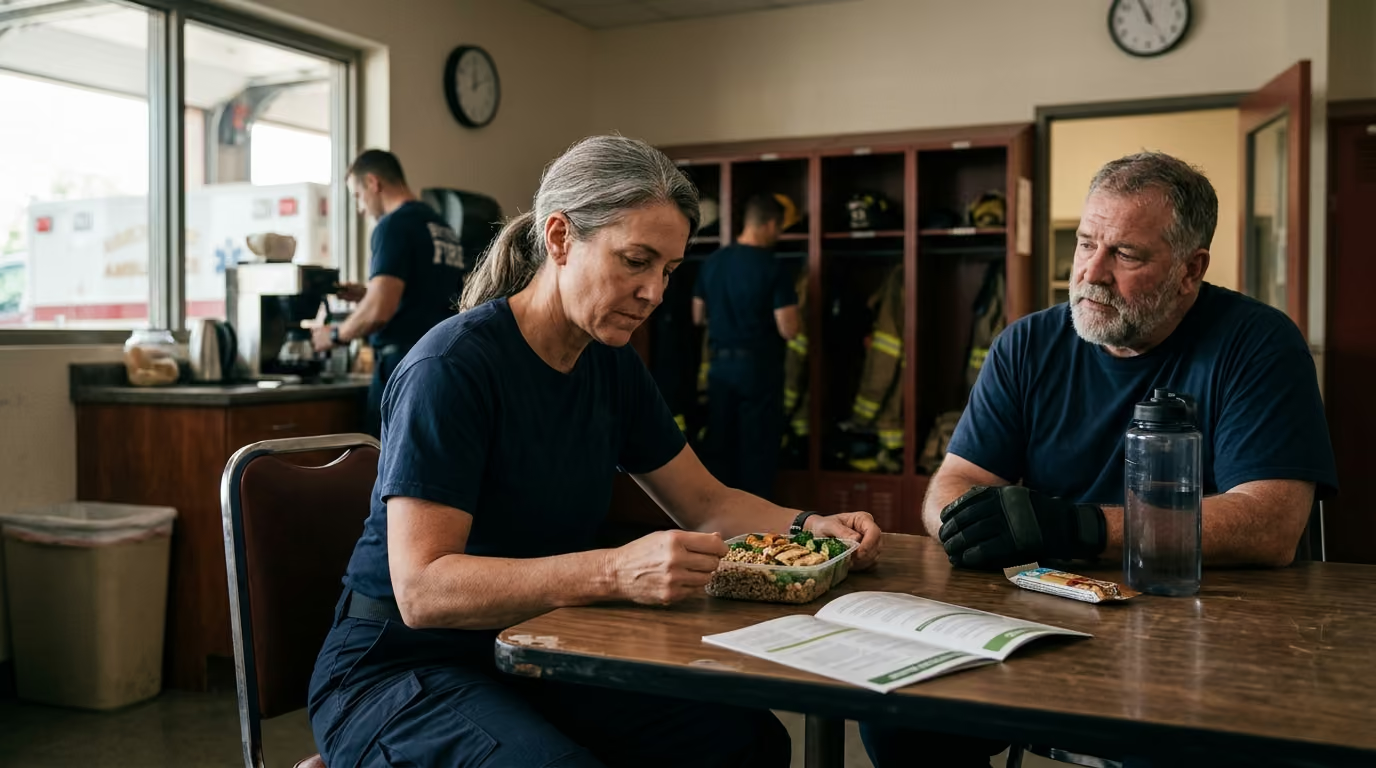

Working overnight on irregular shifts requires strategic meal timing to prevent digestive distress, manage caffeine intake, and protect your daytime sleep quality.





The tones drop at three in the morning. You leave a half-eaten container of cold station dinner on the counter, run two back-to-back calls, and grab whatever packaged snacks sit near the hospital bay. By seven in the morning, your shift ends. You feel hungry, exhausted, and wired all at once. If you eat a heavy breakfast, you risk waking up two hours later with acid reflux and indigestion. If you eat nothing, a rumbling stomach wakes you at noon, cutting your recovery sleep short.
Managing nutrition on irregular shifts is not just about choosing wholesome ingredients. It requires coordinating food, fluids, caffeine, and wind-down routines across three competing clocks: your department schedule, your internal biological rhythm, and your actual sleep window.
The core principle is straightforward: fuel the working period before fatigue peaks, keep overnight intake deliberate and moderate, protect the post-shift sleep window, and avoid using alcohol, late caffeine, or excess fluid as substitutes for real physical recovery.
Eating at night places unique demands on human physiology. The human body operates on a master circadian pacemaker located in the suprachiasmatic nucleus of the brain. This central clock synchronizes peripheral clocks found in the stomach, liver, pancreas, and intestines. Under normal conditions, digestive enzymes, insulin sensitivity, and gastrointestinal motility rise during the day and taper off during the biological night.
When you work irregular shifts, circadian misalignment occurs. You are awake and working when your digestive system expects to rest. If you eat large meals during your biological night, your body processes those nutrients less efficiently. Insulin sensitivity drops overnight, causing higher and more prolonged blood glucose spikes from the same amount of food consumed during the day. Gastric emptying also slows down, which increases the likelihood of bloating, cramping, and acid reflux.
To manage this reality, it helps to distinguish between four different ways of tracking time:
Sleep-relative time is the most useful metric for shift workers. A firefighter finishing a 24-hour tour at 08:00 or a police officer finishing a night watch at 06:00 needs a nutrition plan built around their upcoming sleep window, not standard daytime meal labels. Calling a meal breakfast or dinner matters far less than how many hours remain before your head hits the pillow. Understanding how circadian timing and shift length drive responder fatigue provides the foundation for timing your meals effectively.
The scientific evidence examining nutrition timing and sleep quality includes observational data from shift workers, controlled laboratory trials with healthy volunteers, and occupational guidance from public health agencies. The findings support moderation, careful scheduling, and individual testing rather than rigid absolutes.
Research demonstrates that consuming large meals during night work correlates with operational vulnerabilities. Studies examining night-shift workers report that eating substantial meals during the biological night is associated with increased performance errors, slower response times, and attention lapses. When the digestive system handles a large metabolic load during a circadian low point, subjective sleepiness often increases. Blood flow shifts toward digestion, compounding natural overnight fatigue.
However, research also warns against total fasting when energy demands are high. Low blood sugar can accelerate mental fatigue, impair physical output, and provoke intense cravings for refined sugars. Occupational health researchers from the National Institute for Occupational Safety and Health emphasize that balanced, planned meals stabilize blood sugar and prevent acute fatigue drops.
Studies looking specifically at the meal-to-sleep interval reveal nuanced relationships:
The scientific consensus suggests that eating before sleep is not universally damaging. Instead, the total volume, macronutrient balance, and individual digestive tolerance dictate whether a meal helps or hinders sleep. A practical framework for first responder shift nutrition must balance energy demands during the shift against the digestive calm needed for daytime rest.
Applying nutrition science to emergency services requires accounting for unpredictable working conditions. A structured dining table is rarely available when calls surge.
Firefighters and station-based rescue crews often face communal eating traditions. Station meals frequently feature large portions of calorie-dense, high-fat foods served late in the evening. If an alarm sounds during or immediately after dinner, personnel must perform heavy physical labor while full. Conversely, if crews return to quarters at 04:00 after an extended structural fire, the temptation to eat convenience foods before lying down is intense. Station personnel need shared agreements that allow lighter, customizable options during night shifts.
Paramedics and emergency medical technicians deal with dynamic deployment and unpredictable transport times. Crews frequently remain in vehicles for twelve hours or more, separated from refrigeration and heating appliances. This dynamic creates a feast-or-famine pattern where providers skip meals for hours, then purchase fast food at a drive-through during a brief clearing window. Eating greasy, heavy food in a moving vehicle at 03:00 almost guarantees gastrointestinal distress and poor post-shift sleep.
Law enforcement officers spend extended tours in patrol vehicles, dealing with periods of low physical activity punctuated by sudden acute stress. Vending machines, 24-hour gas stations, and fast-food chains are often the only accessible food sources during late hours. Constant seated posture combined with heavy duty belts compresses the abdominal area, making large overnight meals a direct trigger for reflux and discomfort. Portable, non-perishable options kept in the vehicle are essential for maintaining steady blood sugar without overloading the stomach.
Regardless of your specific role, managing operational demands requires an adaptable sleep plan tailored for shift work, supported by deliberate nutritional habits.
To translate research into practical daily habits, emergency responders can use a three-phase system: Fuel before the shift, Stabilize during the work period, and Protect the sleep window.
The pre-shift meal establishes baseline energy and prevents intense hunger during early working hours. This meal should occur one to two hours before reporting for duty. It should provide sustained energy without creating digestive sluggishness.
A dependable pre-shift meal combines four primary elements:
Eating a complete, balanced meal before leaving home reduces the urge to snack impulsively on station pastries or vehicle candy during the opening hours of the tour.
During the active work period, the objective is to maintain physical capability and mental alertness without overloading the digestive tract. Responders should avoid consuming single, massive meals between midnight and 05:00.
Field personnel should implement a two-level eating strategy:
This is a planned, moderate meal eaten during an operational lull, ideally before the deepest circadian trough arrives. For an overnight shift, this often fits best between 22:00 and 01:00. Excellent options include:
If emergency calls prevent you from eating your primary meal, relying on packaged sweets creates rapid blood glucose spikes followed by severe fatigue crashes. Keep compact, shelf-stable snacks in your gear bag or vehicle console:
This two-level structure prevents the trap of prolonged fasting followed by an uncontrolled binge at the end of the shift.
The hours immediately preceding your main sleep episode demand careful nutritional defense. The goal is to enter sleep without hunger pangs while keeping digestive activity minimal.
Assess your physical state upon shift completion:
Avoid lying flat immediately after consuming a substantial meal. If operational conditions forced a late meal, spend 20 to 30 minutes in an upright position while handling light personal tasks before getting into bed. For more resources on nutrition strategies that support operational readiness, explore our energy, nutrition, and body composition resource center.
Proper hydration maintains cognitive speed, supports cardiovascular stability during physical exertion, and buffers against heat stress. Dehydration thickens blood, increases heart rate at a given workload, and worsens subjective fatigue. However, drinking large volumes of fluid immediately before bed leads to nocturia, where a full bladder repeatedly interrupts sleep cycles.
To balance hydration and sleep quality, follow a front-loaded intake strategy:
First responders working in ambulances or patrol units sometimes intentionally restrict fluids to avoid using public restrooms. This tactic causes chronic mild dehydration, headaches, and afternoon lethargy, often leading to large fluid intake at shift completion. A structured approach where modest fluid volumes are consumed consistently prevents both chronic dehydration and fragmented sleep.
Caffeine is a potent operational tool for emergency workers. It blocks adenosine receptors in the central nervous system, temporarily masking the sensation of fatigue. However, caffeine has an average elimination half-life of five to six hours, with substantial variation based on genetics, age, and liver enzyme activity. In slow metabolizers, meaningful levels of caffeine remain in circulation eight to ten hours after consumption.
Using caffeine incorrectly is one of the most common causes of poor daytime sleep among shift workers. Responders frequently rely on energy drinks during the final two hours of a night shift to stay awake for the drive home, only to find themselves unable to achieve restful slow-wave sleep once in bed.
To preserve sleep architecture, apply disciplined caffeine timing:
For detailed protocols on balancing alertness and rest, consult our comprehensive guide on managing caffeine and energy on night duty.
A common post-shift ritual across emergency services involves using alcohol to wind down after a stressful tour. Because alcohol is a central nervous system depressant, it acts as a sedative. It can shorten sleep-onset latency, leading individuals to believe it aids their recovery.
This perception is physiologically inaccurate. Alcohol disrupts normal sleep architecture in several distinct ways:
When a first responder has only a four-to-six-hour daytime sleep opportunity before their next assignment, alcohol-induced fragmentation ruins the restorative value of that window.
Replacing the alcohol habit requires establishing an intentional, non-chemical wind-down routine. A warm shower, a quiet darkened room, light reading, and progressive muscle relaxation help lower sympathetic tone naturally. Responders seeking deeper insights on managing sleep debt and rest cycles can review our curated shift work and sleep guidance.
Nutrition timing strategies must adapt to specific health conditions, duty schedules, and safety considerations.
The drive home after an irregular shift represents a high-risk period for fatigue-related motor vehicle collisions. While eating a large meal right before driving can cause sudden drowsiness, severe hypoglycemia from prolonged fasting also impairs reaction times. If you face a long commute, consume a light, protein-rich snack thirty minutes before leaving the station. Never attempt to use alcohol after work if you still need to drive, and never assume that a late-shift caffeinated beverage makes driving safe if you are experiencing physical micro-sleeps.
Responders with a history of acid reflux, hiatal hernia, or irritable bowel patterns must exercise extra caution with meal timing. Lying horizontal shortly after eating increases the risk of stomach acid entering the esophagus, causing chest discomfort, coughing, and frequent awakenings. If you experience reflux:
Personnel managing type 1 diabetes, type 2 diabetes, or insulin resistance must coordinate meal timing with their prescribed medication schedules and glucose monitoring. Arbitrarily skipping overnight meals or implementing extreme fasting protocols can induce dangerous hypoglycemia during active calls. Shift workers with metabolic conditions should collaborate with their physician or an occupational dietitian to develop a personalized fueling plan that matches their shift rotation.
Quick returns, such as finishing an evening shift at 23:00 and returning for a day shift at 07:00, leave minimal time for digestion and rest. In these scenarios, avoid spending valuable time cooking large late meals. Consume a pre-prepared, light meal immediately upon arrival at home, keep hydration modest, and move directly into an optimized sleep environment.
While strategic meal and hydration timing improves sleep quality for many shift workers, nutritional adjustments cannot resolve underlying medical conditions. First responders should consider formal evaluation from a licensed healthcare professional when facing persistent symptoms:
Occupational medicine physicians, board-certified sleep specialists, and registered dietitians familiar with emergency-service shift patterns can provide clinical testing, diagnose underlying disorders, and build individualized treatment plans.
Operating on irregular shifts places an unavoidable strain on the human body, but thoughtful nutrition timing provides a dependable buffer against accumulated fatigue. Aligning your meals, hydration, and caffeine with your intended sleep windows protects the restorative power of daytime rest. Sustainable career capability is built on these consistent, professional habits, preserving your health, mental sharpness, and readiness for duty across decades of service and into an active retirement.
Review this guide when changing shift rotations, stepping into a new operational role, recovering from a period of high overtime, or noticing that post-shift sleep has become broken, unrefreshing, or disrupted by digestive discomfort.
Consistent attention to your sleep-relative meal timing protects your physical readiness on duty and preserves your long-term health off the clock.
Stay connected for research-led guidance on duty fitness, shift-work sleep, injury recovery, stress, nutrition and career longevity. Practical ideas for first responders who want to stay capable on the job, recover well and protect their health for the long run.



Read practical guidance on first responder fitness, recovery, sleep, nutrition and resilience for demanding work and a long, active career.
read the blog



