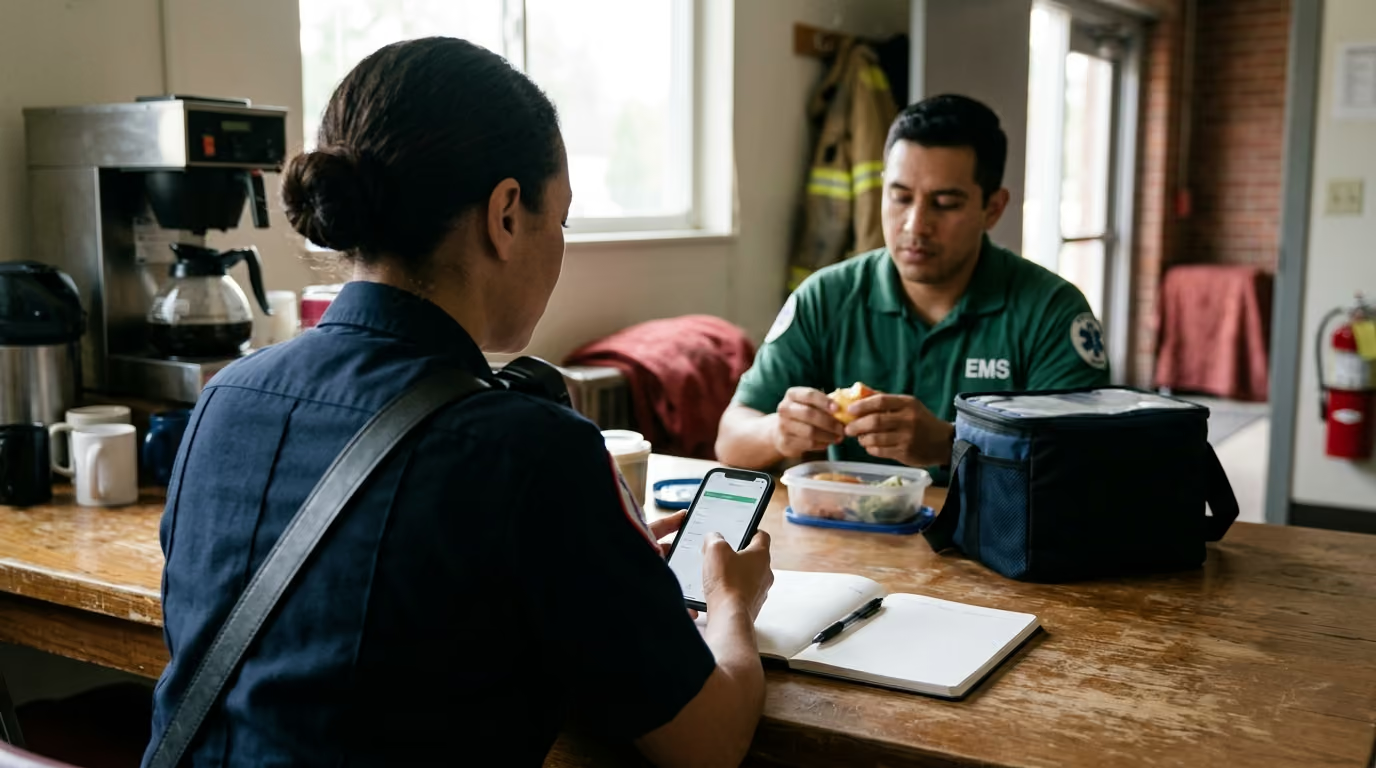

Five adaptable tracking levels help first responders monitor essential calories, protein, and hydration metrics without adding unnecessary operational stress to demanding shift schedules.





It is 03:30 on a busy shift. A tone drops, interrupting a cold meal that has already been reheated twice. Trying to weigh portions, scan barcodes, or log gram counts into a smartphone app under these conditions feels disconnected from reality.
For emergency personnel, nutrition tracking often becomes an unsustainable chore that creates guilt rather than clarity. When calls stack up, rigid food tracking breaks down quickly.
The solution is not to abandon measurement entirely. Instead, nutrition tracking should be viewed as a temporary diagnostic tool rather than a permanent daily obligation.
A concise answer to the tracking question is straightforward: track the smallest metric needed to solve your specific operational issue. If you are struggling with low energy at night, track meal timing and hydration access. If you are recovering from heavy physical work or building strength, monitor protein anchors. Reserve detailed calorie counting for brief, targeted periods when investigating unexplained weight changes or specific body composition goals.
Research into dietary self-monitoring shows consistent benefits for body composition and nutritional awareness, but the method of measurement matters. Systematic reviews demonstrate that individuals who track dietary intake tend to achieve better weight management outcomes compared to those who do not. However, the evidence does not show that continuous, gram-for-gram calorie counting is superior to simpler behavioral tracking.
Sports science organizations, including the International Society of Sports Nutrition, highlight that nutrient timing, adequate total energy availability, and targeted macronutrient ranges drive physical capability. For exercising individuals, meeting daily protein targets between 1.4 and 2.0 grams per kilogram of body weight supports muscle protein synthesis and recovery. For prolonged physical exertion, carbohydrate availability between 5 and 12 grams per kilogram becomes the primary determinant of sustained output.
At the same time, psychological research highlights clear limits. Observational studies on diet and fitness tracking applications show mixed outcomes. While tracking apps help many individuals build baseline nutritional literacy, they are also associated with rigid eating attitudes, anxiety, and obsessive behaviors in susceptible individuals. Experimental data in general populations shows that tracking does not automatically cause disordered eating, but using rigid numerical targets during periods of high life stress can increase psychological strain.
For first responders, the scientific evidence points toward targeted self-monitoring. Tracking works best when applied to a defined question, such as confirming protein distribution or assessing fluid replacement in the heat, rather than acting as a lifelong daily task.
Standard nutrition programs assume predictable workdays, scheduled lunch breaks, and stable circadian rhythms. Emergency service work routinely disrupts all three. A firefighter, police officer, or paramedic can experience severe swings in energy expenditure across a single tour of duty.
A responder might spend four hours completing administrative reports or driving, expending baseline energy. A single heavy rescue call, structure fire, or protracted physical confrontation can immediately elevate metabolic expenditure.
Physical activity monitoring in structural firefighters shows average occupational energy expenditure of roughly 718 kilocalories on a typical workday compared to 601 kilocalories on off-duty days. During wildland deployments, prolonged physical labor, heavy pack loads, and steep terrain can drive energy expenditure to roughly 5,496 kilocalories per day.
Workplace research demonstrates that shift work directly alters eating behaviors. A review of emergency healthcare personnel found that 24-hour energy intake dropped by 14.7 percent during night shifts compared to day shifts. Total fluid consumption fell by 16.7 percent during nocturnal hours. When shift workers do not actively manage meal access, they frequently under-fuel during duty and over-consume highly processed foods after returning home.
Environmental heat and protective clothing compound these challenges. Wearing structural bunker gear or tactical body armor impairs thermoregulation and accelerates sweat loss. Relying on standard civilian calorie calculators ignores the severe metabolic, fluid, and hormonal shifts that occur under high thermal load and sleep deprivation. Understanding first responder shift nutrition framework concepts is critical for building a workable plan.
Choosing the right measurement requires matching the metric to your operational goals. Measuring everything simultaneously produces decision fatigue. Focus on the physiological metrics that directly affect capability.
Tracking total kilocalories is useful for establishing baseline awareness. Many responders underestimate how much food they consume during sedentary station periods, or overestimate their intake during long, exhausting shifts. Research tracking firefighters found significant mismatches between energy expenditure and self-reported intake, with male personnel expending roughly 4,758 kilocalories while consuming 4,068 kilocalories.
Calorie tracking serves as a temporary diagnostic tool. It can identify severe under-fueling during high-volume assignments or reveal chronic caloric surplus during quiet shifts. However, tracking daily calories down to single digits is rarely useful. Calorie targets should shift with operational volume rather than remaining static.
Protein provides the amino acids necessary for muscle repair, tissue remodeling, and immune function. The International Society of Sports Nutrition recommends 1.4 to 2.0 grams of protein per kilogram of body mass daily for active individuals. For an 80-kilogram responder, this equals roughly 112 to 160 grams per day. For a 90-kilogram responder, the target sits between 126 and 180 grams daily.
Rather than logging individual grams at every meal, tracking protein servings is often more practical. Research shows that consuming 20 to 40 grams of high-quality protein every three to four hours optimizes muscle protein synthesis. First responders can track whether they hit three or four protein anchors across a 24-hour period. This method provides recovery benefits without requiring a food scale at the firehouse table.
Carbohydrates fuel high-intensity muscular contractions, rapid decision-making, and central nervous system function. While lower-carbohydrate approaches can work for routine, low-intensity tasks, high-output operations demand glycolytic fuel. Sports nutrition guidelines recommend 5 to 12 grams of carbohydrate per kilogram daily for individuals completing moderate to high-volume physical training.
First responders do not need continuous high-carbohydrate tracking. Instead, track carbohydrate timing relative to demanding work. Monitoring whether you consumed complex carbohydrates before an extended shift and easily digestible carbohydrates during sustained field operations provides actionable data without complicated math.
Hydration status directly affects blood volume, core temperature regulation, and cognitive clarity. Dehydration equivalent to just two percent of body mass elevates heart rate and perceived exertion while impairing motor skill coordination.
The National Institute for Occupational Safety and Health (NIOSH) recommends drinking approximately 8 ounces (250 milliliters) of water every 15 to 20 minutes during moderate activity in the heat lasting less than two hours. NIOSH explicitly advises workers not to exceed 48 ounces (1.5 quarts) per hour, as excessive fluid intake without electrolytes can cause hyponatremia. After heavy physical training or fireground operations, consuming roughly 150 percent of lost body mass in fluid along with sodium restores normal hydration balance.
Scale weight is a noisy metric that reflects fluid shifts, sodium consumption, glycogen storage, gastrointestinal contents, and systemic inflammation. A single weigh-in tells you very little about body composition changes. A sudden drop of four pounds after a structure fire represents water loss, not fat reduction.
If you choose to track body weight, use a rolling weekly average taken under standardized morning conditions. Weight tracking is valuable for detecting involuntary weight loss during wildfire assignments or assessing long-term body recomposition. It should never be treated as a real-time measure of operational readiness.
To keep nutrition management realistic, use a tiered hierarchy of measurement. Start at the lowest level that addresses your operational problem, moving up only when more granular data is required.
This level is appropriate when energy levels are stable, body composition is satisfactory, and performance on shift remains high. Instead of tracking data, rely on supportive habits. Pack balanced meals before leaving home, keep water bottles accessible in the apparatus, and establish default station meals.
Level 1 replaces numbers with simple behavioral checkpoints. You simply record whether foundational actions occurred:
This level works exceptionally well for busy emergency medical crews who need consistency without digital distractions.
Level 2 tracks internal signals using a simple 1 to 5 scale. At the beginning, middle, and end of a shift, note:
Tracking these patterns over two weeks reveals whether mid-shift crashes stem from poor meal timing, excessive caffeine, or accumulated sleep debt.
Level 3 measures one or two specific nutrients to address a distinct operational gap. Examples include tracking total daily protein servings to preserve muscle tissue, or monitoring hourly fluid intake during high-heat training evolutions. The rest of the diet remains untracked.
Level 4 involves recording all food and fluid intake using digital applications or food scales. This level should be applied for short, predefined windows, such as two-week diagnostic periods. It helps identify true caloric intake during plateaus, but should rarely be sustained indefinitely by operational personnel.
Different shift structures require different monitoring priorities. Applying a static tracking plan across varied shifts causes unnecessary friction.
On predictable day shifts, focus on meal frequency and baseline protein distribution. Track whether you consume balanced meals every four to five hours and avoid unplanned station snacking.
Reviewing energy, nutrition, and body composition resources can help establish dependable baseline nutrition targets for normal duties.
Night shifts impair insulin sensitivity and alter appetite-regulating hormones like leptin and ghrelin. Emergency medical workers frequently experience reduced fluid intake and irregular eating overnight.
On night shifts, track meal timing and hydration rather than calories. Ensure you eat a balanced meal before duty, consume light, easily digestible protein snacks at mid-shift, and establish a firm caffeine cutoff time.
Practicing structured eating during night shifts helps stabilize blood glucose and supports daytime recovery sleep. Pair this with clear rules for managing caffeine and energy across night shifts to avoid sleep fragmentation.
When operating in heavy protective gear under high heat, fluid balance is the primary operational concern. Track fluid volume, electrolyte intake, and symptom presence.
A practical field approach involves logging:
Do not attempt to weigh food or log calories during intense fireground operations. Focus entirely on thermal management and fluid replacement.
Wildland firefighting presents extreme metabolic demands. Research shows energy expenditures exceeding 5,000 kilocalories daily during active line construction. Under these conditions, the operational risk is severe caloric deficit and muscle wasting.
Track logistical completion rather than precise calories:
If body weight drops consistently across a multi-day assignment alongside declining stamina, increase the caloric density of packable snacks immediately.
When pursuing specific body composition goals alongside duty, pair training logs with nutritional anchors. Monitor daily protein intake to ensure it falls within the 1.4 to 2.0 grams per kilogram range, and log carbohydrate intake around demanding workouts.
Combine these inputs with weekly body weight averages and training performance ratings. If gym strength drops while scale weight decreases, caloric restriction is likely too aggressive for your occupational workload.
Simple paper logs or digital notes are faster and less intrusive than complex tracking apps. Use these streamlined formats to collect actionable data.
Use a quick checklist to track behavioral consistency across a 24-hour shift:
For training academies, live-fire evolutions, or summer operations, monitor hydration factors directly:
Instead of weighing meals, aim for three or four reliable protein anchors every day:
Tracking can become counterproductive if applied incorrectly. Avoid these common errors when measuring nutrition in emergency services.
Consumer fitness trackers use generic algorithms that struggle with occupational first responder movements. Wearing heavy gear, experiencing psychological stress, and enduring high heat elevate heart rate without necessarily matching standard calorie-burn formulas. Use wearable metrics as rough activity trends, never as precise allowances to overeat or restrict fuel.
Dropping five pounds across a single shift represents sweat loss, not meaningful fat reduction. Conversely, gaining three pounds after consecutive night shifts usually reflects fluid retention driven by elevated cortisol, systemic inflammation, and sodium consumption. Interpreting scale fluctuations without operational context leads to unnecessary dietary restriction.
Protein is essential for physical longevity, but it cannot replace carbohydrates during repeated structural fire attacks or high-intensity patient carries. Restricting carbohydrates while working demanding shifts leads to chronic fatigue, impaired focus, and elevated injury risk. Ensure carbohydrate availability matches your physical workload.
Hydration is vital, but more water is not always safer. NIOSH explicitly warns against consuming more than 48 ounces per hour. Drinking excessive plain water without electrolytes during heavy sweating dilutes blood sodium levels, leading to exercise-associated hyponatremia. Balance fluids with dietary sodium during protracted incidents.
If you refuse to eat a station meal because you cannot log the exact ingredients into a database, the tool has become a hindrance. Operational readiness always supersedes database accuracy. Estimating portions, packing reliable foods, and fueling adequately for calls is far more important than achieving perfect log entries.
Dietary monitoring applications should support your health, not increase your mental load. If tracking causes distress, pause detailed logging and return to Level 0 environmental design or Level 1 behavioral checklists.
Nutrition strategies must never compromise crew safety, emergency vehicle operation, or tactical performance. Working through extended shifts on extreme caloric deficits impairs cognitive processing and motor reaction times similarly to acute sleep deprivation.
Never use aggressive dietary restriction while on duty. Fasting protocols or severe deficits should never be tested during high-hazard rotations, wildland assignments, or live-fire training evolutions.
Always maintain access to emergency, fast-acting carbohydrates and fluids in your gear bag or vehicle. If fatigue, lightheadedness, or heat illness symptoms occur, prioritize immediate hydration, cooling, and fueling over any nutritional target.
Tracking data can highlight patterns that warrant clinical attention. If you encounter persistent issues despite structured habits, consult a licensed healthcare professional:
A sports dietitian familiar with tactical populations can evaluate your metabolic rate and design a nutrition plan tailored to your shift schedule. Medical providers can also evaluate underlying issues, such as thyroid dysfunction, sleep apnea, or micronutrient deficiencies, that food tracking alone cannot resolve. For sleep-related fatigue, integrate shift-specific sleep planning to protect recovery capacity.
Revisit this tracking framework whenever your operational schedule changes, such as moving from day shifts to rotating night tours, preparing for seasonal wildfire deployments, or recovering from an occupational injury. Adjust your tracking level whenever measurement creates mental friction rather than physical readiness.
Sustainable capability across a long emergency services career relies on adequate fueling, consistent hydration, and operational flexibility. Use nutrition tracking to answer specific questions, build dependable habits, and support the demanding physical work required by your community.
Stay connected for research-led guidance on duty fitness, shift-work sleep, injury recovery, stress, nutrition and career longevity. Practical ideas for first responders who want to stay capable on the job, recover well and protect their health for the long run.



Read practical guidance on first responder fitness, recovery, sleep, nutrition and resilience for demanding work and a long, active career.
read the blog



