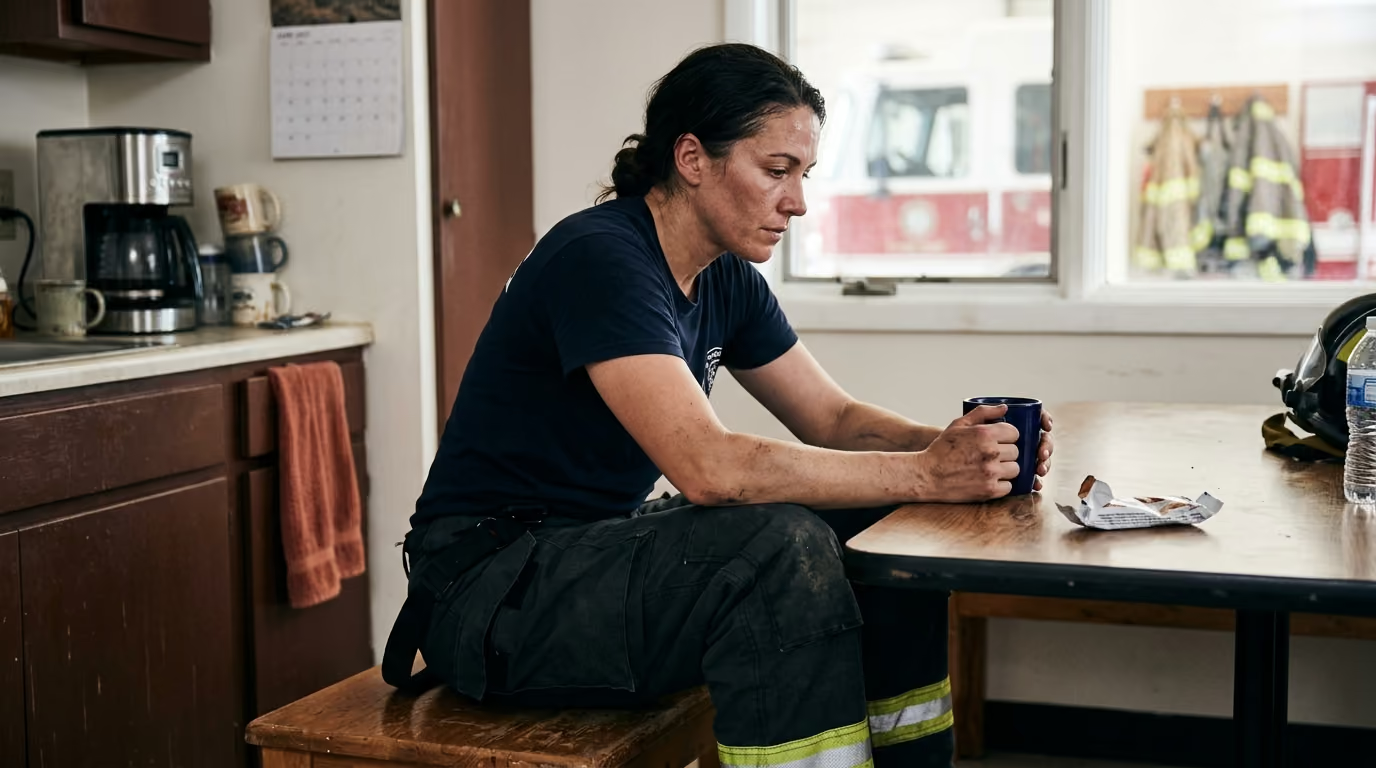

Optimal off-duty physical restoration and improved sleep quality rely on practical cooldown protocols designed specifically for high-stress emergency response operations.





Many first responders finish a grueling shift with aching joints, tight muscles, and racing thoughts, wondering what specific routine will restore their physical capability before the next tour. The short answer is straightforward. Post-shift recovery is an operational risk-management process rather than a single cooldown exercise or stretching drill. Gentle low-intensity movement, controlled breathing, gradual rehydration, simple nutrition, and protected sleep support the transition from high physical exertion to restorative rest. These steps provide comfort and lower physiological arousal, but they do not eliminate muscle soreness or replace the biological requirement for sleep.
Emergency response demands unpredictable bursts of heavy physical labor. Firefighters, paramedics, and police officers frequently lift heavy loads in awkward postures, wear restrictive protective gear, and face extreme environmental heat. These physical demands trigger high sympathetic nervous system activation, rapid glycogen depletion, and muscular microtrauma.
Physical fatigue after emergency work falls into two distinct categories. Acute fatigue represents the temporary loss of strength and cognitive sharpness following an intense call. Accumulated fatigue develops across consecutive shifts when sleep disruption, long hours, and brief recovery windows prevent full biological restoration.
A brief post-shift routine can help manage acute fatigue and transition the body toward rest. However, a post-shift routine cannot overcome chronic sleep debt or excessive overtime. Research on shift work sleep and recovery shows that cumulative exhaustion requires adequate off-duty hours rather than short-term movement drills.
Many common recovery claims misrepresent basic human physiology. Popular fitness culture often suggests that light exercise flushes lactic acid or removes metabolic toxins from skeletal muscle. Blood lactate clears naturally within hours after exertion regardless of the cooldown method used. Active recovery serves a practical role in thermal regulation and nervous system settling, but it does not act as a cellular cleanser.
The scientific literature draws a clear line between subjective comfort and accelerated tissue healing. Systematic reviews analyzing active cooldowns indicate that low-intensity exercise after exertion does not significantly reduce delayed-onset muscle soreness. Light cooldowns also do not speed up the recovery of muscular force production or lower objective blood markers of muscle damage when compared to passive rest.
Static stretching presents a similar evidence profile. A comprehensive meta-analysis evaluating post-exercise stretching found no significant difference in muscle strength recovery or soreness ratings at 24, 48, or 72 hours compared to resting quietly. Stretching can temporarily increase joint range of motion and relieve subjective sensations of muscular stiffness. It does not repair damaged muscle fibers or prevent soreness after unaccustomed physical loading.
Other passive modalities show mixed outcomes in clinical reviews. Massage, light compression garments, and water immersion can improve perceived recovery and temporarily diminish the sensation of soreness in some individuals. However, their effects on objective physical readiness remain modest and variable across different research trials.
Emergency personnel should view post-shift mobility and light movement as tools for comfort and decompression. Easy movement feels good after hours spent sitting in a transport unit or carrying heavy tactical gear. Treating mobility as a gentle decompression ritual keeps expectations realistic and avoids unnecessary physical strain.
The most important step at the end of a demanding shift is screening for serious medical conditions. A recovery routine should never delay urgent medical care. First responders must distinguish between normal operational fatigue and acute health emergencies before attempting any stretching, mobility work, or resting.
Heat illness represents a critical occupational hazard that requires immediate action. Heat exhaustion can cause persistent dizziness, nausea, headache, weakness, profuse sweating, and elevated body temperature. Suspected heat stroke is a life-threatening emergency characterized by confusion, altered mental status, slurred speech, seizures, or loss of consciousness. When heat stroke is suspected, personnel must initiate emergency medical transport and rapid active cooling immediately.
Musculoskeletal and exertional red flags also demand formal clinical review. Responders should seek immediate medical assessment for new joint instability, severe swelling, visible deformity, or an inability to bear weight. Profound muscle weakness, severe muscle pain, and dark tea-colored urine after extreme exertion or heat exposure are classic signs of rhabdomyolysis. These symptoms require emergency medical evaluation rather than foam rolling or passive rest.
Cardiopulmonary symptoms must never be ignored after demanding physical work. Chest pain, unexplained shortness of breath, radiating arm discomfort, lightheadedness, or signs of shock require immediate emergency department care. First responders frequently normalize occupational discomfort, but serious symptoms require swift medical escalation.
High-stress calls keep the sympathetic nervous system locked in a state of high arousal. Elevated heart rate, heightened vigilance, and muscle tension persist long after personnel return to the station. Transitioning into physical recovery requires deliberate autonomic downshifting toward parasympathetic dominance.
Slow-paced breathing is an accessible, low-risk method to reduce physiological arousal. Clinical research shows that slow, controlled breathing patterns can increase heart rate variability and support stress regulation in healthy adults. Heart rate variability reflects autonomic nervous system modulation, although it does not serve as a direct score of total physical recovery.
Personnel can apply a simple five-minute breathing routine once their physical safety is confirmed:
Breathing routines provide a structured psychological boundary between demanding emergency calls and off-duty rest. Responders can pair these practices with short mental grounding habits to process acute stress between emergency calls. Controlled breathing provides immediate physiological settling, but it remains a supportive technique rather than a standalone cure for chronic operational stress.
Restoring fluid balance after physical exertion requires a measured, systematic approach. Sweat rates vary dramatically depending on ambient temperature, humidity, physical workload, and protective gear. Personnel should begin by moving to a shaded or air-conditioned area and removing heavy outer protective clothing to facilitate heat dissipation.
Rehydration should be gradual rather than rushed. Guidance from occupational health agencies recommends drinking approximately eight ounces of fluid every 15 to 20 minutes during moderate work in hot environments. Responders must avoid consuming extreme volumes of plain water in short timeframes. Drinking excessive fluid without adequate sodium intake can dilute serum sodium levels, leading to exercise-associated hyponatremia.
Electrolyte management is particularly important after prolonged structural firefighting, wildland deployment, or extended rescue operations. When heavy sweating continues across multiple hours, balanced electrolyte solutions help maintain proper fluid retention and osmotic balance. For typical shifts with moderate sweating, standard meals provide sufficient electrolytes to restore baseline mineral levels naturally.
Post-shift nutrition should support tissue maintenance and replace depleted energy stores. Consuming a balanced meal with digestible carbohydrates and moderate protein supports physical restoration before sleep. Workers should choose foods that sit comfortably in the stomach to prevent gastrointestinal discomfort or reflux during subsequent rest. Implementing a structured first responder shift nutrition framework provides dependable energy across unpredictable shift patterns.
Sleep represents the most powerful biological mechanism for physical repair, cognitive restoration, and immune function. The American Academy of Sleep Medicine recommends seven to nine hours of sleep per day for optimal adult health. For emergency personnel, obtaining adequate sleep requires active defense of off-duty rest windows against non-essential obligations.
Shift work disrupts natural circadian rhythms, making daytime sleep lighter and more fragmented. Responders working overnight hours should optimize their sleep environment by blocking ambient light with blackout curtains, using white noise machines, and lowering room temperature. Establishing a consistent 15-minute pre-sleep wind-down routine signals the brain that the work period has ended. Avoiding heavy alcohol consumption before bed is critical, as alcohol disrupts deep sleep architecture and impairs physiological recovery.
Fatigued driving after a long shift presents a severe occupational hazard. Microsleeps and slowed reaction times significantly increase motor vehicle crash risks among emergency personnel. Responders who feel dangerously drowsy should never attempt a long highway commute without taking intermediate precautions.
Strategic naps can temporarily restore alertness when immediate sleep is required. Guidance from the National Institute for Occupational Safety and Health suggests brief 15 to 30-minute naps to mitigate acute drowsiness. Personnel must account for sleep inertia, which is the period of grogginess that occurs immediately after waking. Allowing ten to fifteen minutes to fully awaken, washing the face with cold water, or having an alert colleague drive provides vital protection against commuting accidents.
Individual post-shift routines cannot overcome the hazards of poor schedule design or chronic understaffing. Occupational safety research emphasizes that physical recovery is fundamentally an administrative responsibility. Agencies must establish working conditions that allow personnel sufficient time to sleep, eat, and decompress between demanding shifts.
The National Institute for Occupational Safety and Health recommends at least ten consecutive hours of protected off-duty time between shifts. This window gives workers the realistic opportunity to obtain seven to eight hours of uninterrupted sleep after accounting for commuting, hygiene, and meals. Shift schedules that rotate rapidly or mandate excessive overtime directly undermine the physiological recovery process.
Agencies should also incorporate frequent brief rest breaks during extended incidents. Taking short rest periods every one to two hours during heavy labor reduces cumulative thermal and muscular strain. Administrative policies should support fatigue monitoring and provide safe resting areas for crews experiencing severe exhaustion. Exploring formal shift-work recovery protocols and fatigue guidelines helps agencies build sustainable staffing structures that protect frontline personnel.
A practical fatigue check at the end of a shift helps identify individuals who need administrative support. Crews can monitor each other for severe drowsiness, stumbling, cognitive confusion, or sudden mood changes. When severe fatigue is identified, shift commanders should reassign safety-sensitive duties and arrange safe transportation options.
Recovery needs change based on the specific physical and environmental stressors of a shift. The following scenario frameworks provide practical examples of how to structure the post-shift transition without adding unnecessary complexity.
This scenario involves repeated heavy lifting, patient extrications, or carrying equipment over uneven terrain without heat strain.
This scenario applies after prolonged interior firefighting, wildland operations, or hazardous material work in high ambient temperatures.
This scenario addresses calls involving extreme emotional stress, high sympathetic arousal, and rapid decision-making without significant physical trauma.
Responders often struggle to decide whether to perform resistance training after a busy shift. When physical wear is high, heavy strength training can increase injury risk and worsen systemic fatigue. Personnel can use a shift-work training decision framework to determine whether to execute a full workout, switch to low-intensity movement, or prioritize pure rest.
Commercial marketing frequently promotes complex recovery products with claims that exceed scientific evidence. First responders should evaluate these interventions with a critical eye, separating subjective benefits from proven physiological adaptations.
A self-directed recovery routine is intended only for healthy personnel experiencing normal operational fatigue. When physical symptoms persist beyond ordinary fatigue timelines, professional evaluation by a licensed healthcare provider is essential.
Personnel should consult a physical therapist, sports medicine physician, or occupational medicine clinician for:
Long-term health also requires managing sleep disorders and psychological stress. Chronic insomnia, loud snoring accompanied by gasping, daytime sleepiness despite adequate time in bed, or persistent nightmares warrant formal sleep medicine evaluation. When emotional distress, flashbacks, intrusive memories, or hyperarousal persist after critical calls, responders should seek support from licensed mental health professionals specializing in emergency services trauma. Navigating long-term occupational wear through dedicated injury recovery and physical rehabilitation pathways preserves physical capability throughout a full emergency services career.
Implementing a sustainable post-shift routine does not require expensive equipment or complicated protocols. First responders can apply this simple operational checklist at the end of their shifts this week:
Treating recovery as a disciplined operational process maintains your physical capability, protects long-term health, and supports a resilient, injury-free career in emergency services.
Stay connected for research-led guidance on duty fitness, shift-work sleep, injury recovery, stress, nutrition and career longevity. Practical ideas for first responders who want to stay capable on the job, recover well and protect their health for the long run.



Read practical guidance on first responder fitness, recovery, sleep, nutrition and resilience for demanding work and a long, active career.
read the blog



