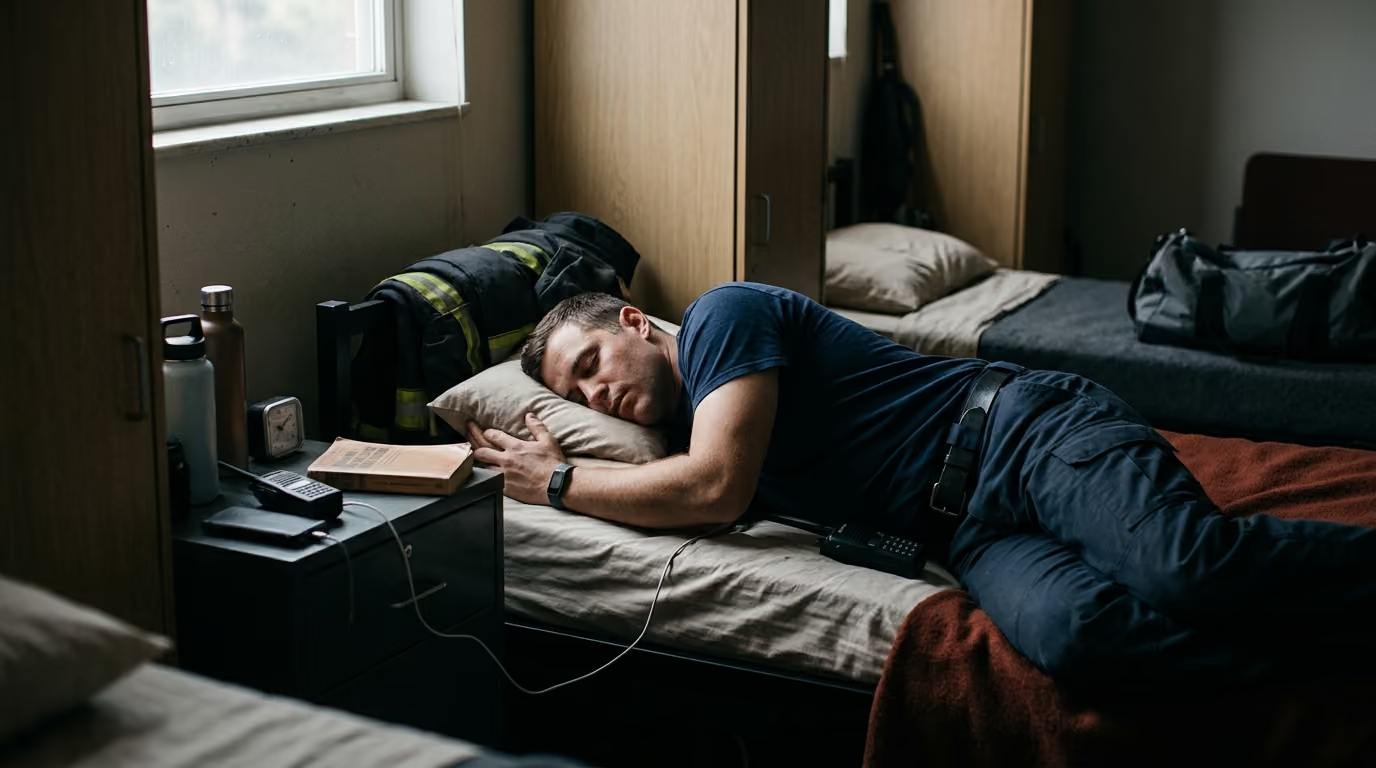

Running back-to-back calls through the night depletes natural testosterone, requiring tactical sleep habits and circadian management to maintain peak physical readiness on duty.





Many emergency personnel believe that a single rough shift permanently tanks their hormone levels. Others assume that taking an over the counter booster will erase the physical fatigue of back to back night tours. Both assumptions miss how sleep, recovery, and endocrine biology interact.
Sleep is a primary biological driver of tissue repair, cognitive readiness, and endocrine regulation. When emergency calls interrupt sleep, the body faces an uphill battle to restore physiological balance. Understanding the relationship between sleep architecture, androgen production, and occupational recovery provides a realistic roadmap for long-term health.
Testosterone production follows a distinct daily rhythm closely tied to the sleep cycle. In healthy men who follow a regular schedule, testosterone levels begin rising near sleep onset. Concentrations continue climbing through the sleep period, peaking around the first episode of rapid eye movement sleep and remaining high into the early morning hours.
Sleep disruption alters this natural cadence. When sleep is curtailed, fragmented, or misaligned with the internal body clock, the normal nocturnal surge in testosterone can become blunted. The hypothalamic-pituitary-gonadal axis relies on consolidated rest to coordinate luteinizing hormone pulses, which signal the testes to produce testosterone.
Total sleep duration represents only one side of the coin. Sleep quality, continuity, and internal architecture determine the restorative value of time spent in bed. A first responder may log seven hours between calls, yet experience little restorative sleep due to repeated tone outs, ambient noise, physical discomfort, and persistent autonomic arousal.
Looking at hormones as an isolated scorecard often leads to misguided interventions. Testosterone functions within a broader physiological web that includes cortisol, thyroid hormones, insulin sensitivity, and immune function. Protecting sleep continuity supports overall endocrine balance rather than simply chasing a higher laboratory number.
Scientific research examining sleep restriction and testosterone presents a nuanced picture. The most frequently cited investigation, led by researchers at the University of Chicago, evaluated 10 healthy young men under strict laboratory conditions. After a week of baseline rest, participants underwent one week of sleep restriction to roughly five hours per night.
During the restriction phase, actual sleep fell from an average of 8 hours 55 minutes to 4 hours 48 minutes. Daytime testosterone levels dropped by 10 to 15 percent, falling from an average of 18.4 nmol/L at baseline to 16.5 nmol/L. Participants also reported marked declines in vigor, mood, and perceived energy across the waking hours.
Other controlled trials suggest that the hormonal response depends heavily on the duration, severity, and context of sleep loss. A study published in the Journal of the Endocrine Society evaluated healthy young men across both acute and chronic sleep restriction protocols. In the acute protocol, participants had four hours in bed for five consecutive nights without showing a significant reduction in plasma testosterone compared to nine-hour controls.
In the chronic protocol of that same trial, participants had their sleep reduced by 1.5 hours per night for six weeks. While testosterone levels were slightly lower relative to the fully rested condition, researchers concluded that chronic mild restriction did not produce clinically adverse hormonal declines. Systematic review data further indicates that total sleep deprivation lasting at least 24 continuous hours reliably suppresses serum testosterone, whereas short-term partial deprivation yields mixed outcomes across different populations.
The clinical evidence demonstrates that testosterone does not collapse after one night of poor sleep. However, sustained, severe sleep restriction creates meaningful downward pressure on androgen production. Understanding this balance prevents unnecessary panic while highlighting the genuine physiological cost of persistent sleep debt.
Emergency services impose unique demands that conventional sleep guidelines rarely address. Standard health advice instructs adults to sleep at least seven hours each night in a quiet, dark room. For firefighters, law enforcement officers, and emergency medical personnel, operational duties routinely make consolidated sleep impossible.
Data published by the Centers for Disease Control and Prevention highlights the scale of this issue among emergency crews. In an analysis of active firefighters, 48.8 percent reported sleeping six hours or less in a 24-hour period when working overnight or on 24-hour shifts. Furthermore, 31.5 percent continued to report short sleep during the 24 hours immediately following an overnight tour.
Police officers contend with rapid schedule changes, switching between evening, day, and overnight tours within a single work cycle. Late arrests, mandatory court appearances, and extended off-duty details regularly truncate scheduled rest periods. The cognitive and emotional decompression required after high-stress patrol shifts can prolong the time needed to fall asleep.
Paramedics and emergency medical technicians face intense call volumes, irregular meal schedules, and prolonged physical strain. Carrying heavy gear and lifting patients while sleep-deprived increases physical wear and autonomic stress. These persistent operational demands turn sleep fragmentation into an occupational reality that requires deliberate management.
Learning about circadian timing and shift-related fatigue helps crews understand how irregular hours alter hormone regulation. Emergency responders do not fail to sleep because of poor discipline. They operate inside a high-demand structure that demands systematic, field-tested sleep protection strategies.
Obstructive sleep apnea represents one of the most common, underdiagnosed medical conditions affecting first responders. The condition involves repeated upper airway collapse during sleep, leading to oxygen desaturation, transient brain arousals, and severe sleep fragmentation. Typical symptoms include habitual loud snoring, gasping for air, morning headaches, and relentless daytime exhaustion.
Clinical reviews consistently document an association between obstructive sleep apnea and lower serum testosterone in men. Airway obstruction causes intermittent hypoxia, which impairs the hypothalamic-pituitary axis and disrupts normal sleep architecture. However, shared risk factors complicate this relationship, as obesity, visceral adiposity, systemic inflammation, and aging independently suppress testosterone while increasing apnea risk.
Hormone clinics often market continuous positive airway pressure therapy as a method to raise low testosterone. Meta-analytic reviews evaluating CPAP treatment demonstrate no significant, reliable increase in total testosterone, free testosterone, or sex hormone-binding globulin. A systematic review confirmed a neutral overall effect on circulating androgens, regardless of baseline gonadal status.
Treating obstructive sleep apnea remains clinically essential, regardless of whether testosterone levels change. Positive airway pressure restores sleep continuity, reduces cardiovascular strain, lowers blood pressure, and improves daytime vigilance. Clinicians recommend evaluating obstructive sleep apnea to resolve breathing disorders and reduce health risks, rather than treating it as a quick hormone remedy.
Managing sleep across demanding shifts requires a structured framework. Rather than aiming for perfection, responders can apply a priority ladder that protects physiological recovery under irregular conditions.
Adults require at least seven hours of sleep regularly to maintain optimal health and performance. Emergency workers must view sleep across a rolling 24-hour period and across weekly cycles rather than judging a single night. When overnight duty reduces rest to four hours, schedule a structured recovery window later that day to reduce accumulated sleep debt.
Tracking sleep patterns across multiple days provides a clear picture of actual recovery. Responders can note their bedtime, estimated sleep duration, wake episodes, caffeine intake, and physical readiness. Documenting these patterns helps identify whether fatigue stems from an acute call volume spike or ongoing sleep debt.
Designate a primary sleep block each day and treat that window as protected time. Whether sleeping at night or during the day after a shift, build an environment that resists disruption. Use blackout shades, high-density earplugs, eye masks, and white noise machines to block light and street noise.
Coordinate with family members or station crew to reduce non-critical interruptions during designated sleep hours. Set personal phones to filter out non-emergency calls and notifications. Creating a sleep sanctuary allows the brain to transition through all sleep stages without unnecessary awakenings.
Emergency calls cause unavoidable awakenings, but preventable sleep disruptions should be eliminated. Station leaders can adjust dispatch tones, mute non-essential administrative radios, and install zoned alert systems that wake only the assigned crew. At home, address joint pain, room temperature, and fluid intake before bed to prevent midnight awakenings.
Repeated awakenings pull the body out of restorative slow-wave and rapid eye movement sleep. Minimizing noise and physical discomfort protects sleep continuity. Protecting sleep continuity supports cognitive function, motor control, and hormonal balance during subsequent operational tasks.
Working through the night forces human physiology to operate against its internal biological clock. To ease transitions, manage light exposure strategically throughout the shift cycle. Get natural sunlight or bright indoor light exposure during the active shift, and wear blue-blocking glasses or sunglasses during the morning commute home.
Responders can benefit from creating a shift-specific sleep plan to guide light exposure and rest timing. Maintaining a consistent anchor sleep window on off-duty days prevents severe circadian misalignment. Aligning light and dark cues helps the body maintain regular endocrine rhythms despite rotating shifts.
Planned naps serve as a practical operational tool to counter acute sleep loss. A prophylactic nap of 30 to 90 minutes taken before an overnight tour builds alertness for the upcoming shift. Brief 20-minute operational naps during approved downtime help reduce sleepiness without causing prolonged grogginess.
A post-shift recovery nap helps bridge the gap between getting off duty and the evening sleep episode. Keep recovery naps short enough to avoid interfering with that night's main sleep. Strategic napping provides operational support, but it should never replace consolidated sleep as a long-term strategy.
When unrefreshing sleep, chronic exhaustion, or loud snoring persist despite good sleep habits, seek medical evaluation. Objective diagnostic testing identifies sleep-related breathing disorders, periodic limb movement disorder, and insomnia. Relying on sleep tracking apps or screening questionnaires cannot replace clinical evaluation.
Treating confirmed disorders with positive airway pressure, oral appliances, or behavioral therapies restores physiological recovery. Resolving underlying medical sleep disorders creates the baseline needed for proper endocrine and physical function.
Fatigue, low motivation, brain fog, and reduced gym performance are common across emergency services. These symptoms are non-specific and can easily stem from accumulated sleep debt, mental stress, poor nutrition, or overtraining. Assuming that every tired responder has a hormonal deficit leads to misdiagnosis and inappropriate interventions.
The Endocrine Society established clear diagnostic criteria for male hypogonadism. A diagnosis requires the presence of specific, consistent signs and symptoms combined with unequivocally low serum total testosterone. Specific signs include loss of morning spontaneous erections, diminished sexual desire, loss of secondary sex characteristics, and unexplained bone mineral density loss.
Testing timing is critical for accurate interpretation. Testosterone levels fluctuate throughout the day, peaking in the morning hours between 07:00 and 10:00 in rested individuals. A blood sample collected at 08:00 immediately following a grueling 24-hour shift with three hours of broken sleep will naturally show a lower value.
To obtain an accurate baseline, draw blood on a rested morning after at least two days of off-duty recovery sleep. Confirm low total testosterone with a repeat fasting draw on a separate morning. A comprehensive hormonal workup should also assess luteinizing hormone, follicle-stimulating hormone, sex hormone-binding globulin, prolactin, and metabolic markers.
Emergency workers interested in broader endocrine wellness should explore testosterone research to understand lab testing protocols. Relying on a single test drawn after shift work risks misinterpreting normal occupational fatigue as permanent endocrine failure.
Navigating fatigue and recovery in emergency services requires avoiding common misconceptions that compromise long-term health.
Caffeine blocks adenosine receptors in the central nervous system, temporarily preventing the brain from detecting sleep pressure. While useful for short-term alertness during critical operations, caffeine does not clear accumulated homeostatic sleep debt. Relying heavily on energy drinks during shifts strains the cardiovascular system and disrupts daytime sleep quality.
Responders can use strategic caffeine use during night duty to maintain alertness while protecting subsequent sleep windows. Stop consuming caffeine at least six to eight hours before planned sleep. Using stimulants to push through exhaustion creates a cycle of disrupted sleep and escalating fatigue.
Commercial test boosters often promise to restore vigor, build muscle, and reverse fatigue. Most over the counter formulas rely on unregulated herbal extracts, proprietary blends, and aggressive marketing rather than solid clinical trials. These supplements cannot clear airway obstructions, correct severe sleep restriction, or fix poor shift schedules.
Spending money on unproven supplements distracts from high-yield recovery habits. High-impact habits include proper meal timing, regular strength training, sleep scheduling, and clinical medical screenings. Building reliable habits provides lasting benefits for career longevity and hormonal balance.
Counting total time in bed without considering sleep continuity leads to a false sense of recovery. Waking up multiple times to tones, alarms, or pager alerts disrupts deep slow-wave sleep and rapid eye movement stages. Fragmented sleep reduces motor performance, slows reaction times, and increases autonomic stress markers.
Responders should evaluate sleep quality alongside total hours slept. When shift interruptions break up a night's rest, schedule supplemental recovery naps during off-duty hours. Treating sleep continuity as an operational priority protects baseline health and performance.
Feeling exhausted after four consecutive night shifts is a normal physiological response to sleep restriction, not an immediate sign of endocrine disease. Jumping to hormone replacement therapy without proper clinical evaluation can suppress natural hormone production and impair fertility.
Addressing lifestyle habits, sleep hygiene, and body composition often restores perceived energy without pharmaceutical intervention. When low testosterone symptoms persist after sleep and lifestyle habits are optimized, seek guidance from an endocrinologist or urologist. A medical evaluation determines whether symptoms stem from primary testicular issues, secondary pituitary concerns, or chronic occupational stress.
Examining practical, field-specific scenarios illustrates how sleep habits, clinical disorders, and recovery strategies interact on the job.
An illustrative firefighter averages four to five hours of broken sleep during 24-hour shifts at a busy station. Over several months, he notices reduced libido, slower recovery between gym workouts, and morning fatigue on shift days. A blood draw taken right after a busy shift reveals total testosterone near the bottom of the reference range.
The practical response involves auditing his sleep patterns across off-duty days before pursuing medical hormone therapy. The firefighter should aim for seven to eight hours of consolidated sleep during off-duty recovery days and track how he feels. Coordinating off-duty nutrition and exploring meal timing across night shifts helps stabilize energy and reduce metabolic stress.
If symptoms and low morning testosterone persist after optimizing sleep for several weeks, arrange an endocrine evaluation. This step-by-step approach separates temporary occupational sleep debt from true medical hypogonadism.
A patrol officer sleeps seven hours each night in bed between scheduled shifts. Despite adequate time in bed, he wakes with dry mouth, morning headaches, and struggles with heavy daytime sleepiness while driving patrol units. His partner notes that he snores loudly and occasionally gasps for air during station breaks.
This pattern matches the classic presentation of obstructive sleep apnea. The officer should consult a physician for objective sleep testing, such as a home sleep apnea test or in-lab polysomnography. Treating sleep apnea with positive airway pressure restores airflow, resolves morning headaches, and eliminates dangerous daytime sleepiness on patrol.
A paramedic working steady 12-hour night shifts struggles to sleep past 11:00 after returning home in the morning. She obtains four hours of restless sleep, relies on high-dose energy drinks through the night, and experiences persistent brain fog. Her training sessions suffer, and she worries her hormone profile is declining.
The initial step is to split the rest schedule into a protected morning core sleep and a pre-shift afternoon nap. Wearing dark sunglasses on the morning drive home prevents bright sunlight from shutting down melatonin production. She should also set a hard caffeine cutoff at 02:00, protecting her ability to fall asleep after her shift.
A veteran captain diagnosed with severe obstructive sleep apnea uses his CPAP machine every night with high compliance. Within two months, his daytime sleepiness clears, his morning headaches vanish, and his cognitive sharpness returns. However, a follow-up blood panel shows that his total testosterone remains borderline low.
This outcome aligns directly with published medical research. Positive airway pressure therapy treats airway collapse and sleep fragmentation, but it does not reliably boost testosterone levels. The captain should celebrate his improved cardiovascular health and daytime alertness while consulting an endocrinologist to evaluate his hormone levels separately.
A patrol deputy rotates between two day shifts, two night shifts, and three days off. Her sleep duration varies between four hours on work days and ten hours on off days, leaving her feeling jet-lagged. She struggles with muscle recovery, irregular digestion, and high perceived stress.
The solution focuses on stabilizing her daily schedule and setting an anchor sleep window. Keeping a consistent four-hour sleep core across all days anchors her circadian rhythm. This rhythm consistency helps her avoid severe sleep debt swings while protecting long-term endocrine and metabolic health.
First responders must recognize the limits of self-care and understand when to consult qualified medical professionals. Lifestyle adjustments, shift strategies, and sleep hygiene lay a strong foundation, but they cannot cure clinical sleep disorders, severe endocrine disease, or mental health conditions.
Consult a sleep medicine physician or primary care doctor if you experience any of the following symptoms:
Consult a licensed endocrinologist or urologist for a comprehensive hormone evaluation if you notice:
Never operate emergency vehicles, handle firearms, or perform safety-sensitive duties when severe sleepiness compromises your reaction time and judgment. Operating while severely sleep-deprived carries cognitive impairments comparable to alcohol intoxication. Prioritizing timely clinical evaluations protects individual health, crew safety, and public well-being.
Protecting sleep continuity and addressing medical recovery hurdles maintains the physical capability, endocrine health, and mental sharpness required for a long, resilient emergency response career.
Stay connected for research-led guidance on duty fitness, shift-work sleep, injury recovery, stress, nutrition and career longevity. Practical ideas for first responders who want to stay capable on the job, recover well and protect their health for the long run.



Read practical guidance on first responder fitness, recovery, sleep, nutrition and resilience for demanding work and a long, active career.
read the blog



