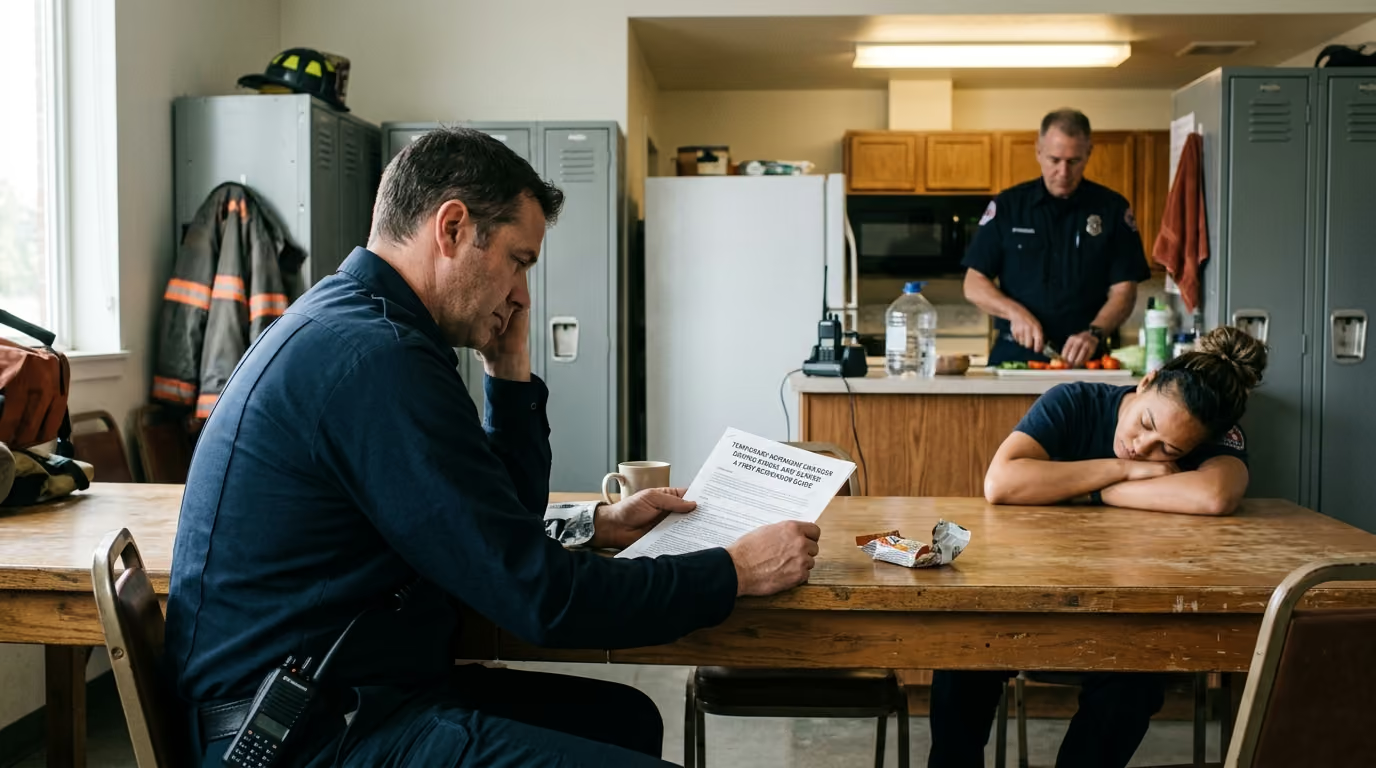

An 18.7 percent daily variation in testosterone levels illustrates why first responders need standardized retesting protocols during acute illness or sleep disruption.





If you receive a low testosterone result or abnormal thyroid panel after a bout of the flu, a string of night shifts, or a heavy training block, you may wonder if your endocrine system is failing. A single blood test taken under physical or physiological strain does not represent your permanent hormonal baseline. Acute stress, viral infections, sleep disruption, systemic inflammation, and intense physical exertion cause transient shifts in hormone production, clearance, and receptor sensitivity. Understanding the difference between temporary adaptive responses and persistent endocrine disease prevents premature diagnoses, inappropriate treatments, and unnecessary anxiety.
The human endocrine system is not a static machine set to a fixed output. It is a dynamic network designed to reallocate energy away from non-essential functions, like reproduction, toward acute survival and tissue repair during times of threat. When a first responder undergoes laboratory testing while ill, sleep-deprived, or recovering from operational demands, the results will mirror that temporary state of survival.
Diagnostic guidelines from major medical authorities emphasize that baseline hormonal evaluations must occur during periods of stable health. A low number on a laboratory report during an acute stressor is often an expected physiological response rather than an endocrine disorder.
The body manages physiological threats through allostasis, which is the process of achieving stability through physiological change. When faced with an infection, physical trauma, or severe exhaustion, the brain coordinates a massive shift in resource allocation. The hypothalamus, pituitary gland, adrenal glands, and immune system interact to prioritize immediate host defense and glucose mobilization over long-term tissue maintenance and reproduction.
Inflammatory cytokines, including interleukin-1, interleukin-6, and tumor necrosis factor, act directly on central and peripheral tissues. These signaling molecules stimulate the hypothalamic-pituitary-adrenal axis to release cortisol while simultaneously suppressing the hypothalamic-pituitary-gonadal axis. This mechanism conserves energy by downregulating energy-expensive processes until the physiological threat resolves.
Biological variation also plays a substantial role in hormone testing. Serum hormone concentrations fluctuate naturally from day to day within the same individual. Research on biological variation shows that morning total testosterone exhibits an intra-individual variation of roughly 18.7 percent between days. A reference change value of approximately 52 percent may be required to confirm that a change in serial measurements is statistically meaningful rather than normal daily fluctuation.
Circadian rhythms further govern hormone concentrations. Testosterone and cortisol follow distinct diurnal patterns under normal conditions, peaking in the early morning hours and declining across the afternoon and evening. When circadian timing is interrupted by night work or broken sleep, these natural peaks become blunted or displaced, rendering standard reference ranges difficult to interpret.
Acute illness can temporarily decrease serum testosterone through several overlapping pathways. Systemic inflammation directly suppresses the Leydig cells in the testes, which reduces testosterone output even when pituitary signaling remains intact. Inflammatory states also alter hepatic metabolism, change sex hormone-binding globulin concentrations, and accelerate the peripheral conversion of androgens to estrogens.
Research indicates that even common, non-critical illnesses cause marked drops in circulating androgens. In a study evaluating young men with acute respiratory infections, mean total testosterone fell by approximately 10 percent, with some cohorts demonstrating reductions of up to 30 percent. During severe critical illness or sepsis, suppression is more pronounced, often resulting in profoundly low testosterone levels alongside altered gonadotropins.
The Endocrine Society specifically advises against evaluating androgen deficiency during acute or subacute illness, or while an individual is recovering from an infection. The American Urological Association similarly notes that acute illness can temporarily lower serum testosterone. Clinical guidelines require at least two separate early-morning total testosterone measurements taken on different days to confirm low testosterone before considering a diagnosis of hypogonadism.
Several common confounding factors can artificially suppress a testosterone reading:
Total testosterone measurements can also mislead clinicians if sex hormone-binding globulin levels fluctuate. When total testosterone is near the lower diagnostic threshold, measuring free or bioavailable testosterone provides necessary clarity. Following confirmed low testosterone, assessing luteinizing hormone and follicle-stimulating hormone helps distinguish between primary testicular dysfunction and secondary central suppression.
Systemic stress and illness alter thyroid hormone pathways in individuals with healthy thyroid glands. This condition is known as non-thyroidal illness syndrome or euthyroid sick syndrome. It occurs during acute infections, physical trauma, burn injuries, caloric deprivation, and severe psychological or operational strain.
The primary feature of non-thyroidal illness syndrome is a rapid fall in circulating triiodothyronine, known as T3, accompanied by an increase in reverse T3. In mild to moderate illness, thyroid-stimulating hormone and thyroxine, known as T4, often remain within standard limits. As illness severity increases, T4 concentrations may also drop, and thyroid-stimulating hormone levels can become variable, low, or slightly elevated during the recovery phase.
These shifts reflect changes in peripheral deiodinase enzyme activity, which converts T4 into either active T3 or inactive reverse T3. In times of physiological distress, the body downregulates the conversion to active T3 to conserve metabolic energy. Reduced transport proteins and altered tissue binding also contribute to the abnormal blood profile without indicating intrinsic thyroid gland failure.
Treating non-thyroidal illness syndrome with thyroid hormone replacement does not improve clinical outcomes and may cause harm. Management requires treating the underlying stressor or illness rather than prescribing levothyroxine or liothyronine. Clinical guidance recommends waiting at least six weeks after recovery from acute hospitalization or severe illness before repeating thyroid function tests to evaluate potential persistent dysfunction.
Cortisol is the primary glucocorticoid produced by the adrenal cortex. It plays a vital role in glucose regulation, vascular tone, immune modulation, and stress adaptation. During acute systemic illness, physical trauma, or sudden duty events, inflammatory cytokines activate the hypothalamic-pituitary-adrenal axis, prompting a surge in cortisol release.
In severe stress or critical illness, cortisol production increases substantially, and the normal diurnal rhythm often disappears. A high cortisol level obtained during an active infection or following high-stress shift work represents an expected allostatic response. Labeling this spike as chronic hypercortisolism or adrenal disease without clinical correlation is a common diagnostic error.
Prolonged operational stress creates complex cortisol patterns. Extended physical strain and sleep disruption do not produce a simple, sustained rise in cortisol across all individuals. In military and tactical research, prolonged stress periods have produced blunted morning cortisol responses alongside elevated afternoon levels or overall rhythm disruption.
Single, uncontextualized cortisol tests offer minimal diagnostic value for general fatigue. A cortisol measurement is useful primarily when evaluating specific medical conditions, such as adrenal insufficiency or autonomous cortisol overproduction. Clinicians must interpret cortisol results strictly in light of collection timing, sleep history, current illness, and recent medication exposure.
Severe physiological stress disrupts the somatotropic axis, altering how the body maintains muscle mass, repairs tissue, and manages metabolism. Under stable conditions, growth hormone stimulates the liver to produce insulin-like growth factor 1, which supports anabolic processes and muscle protein synthesis.
During critical illness, systemic trauma, or prolonged caloric deficit, this signaling pathway uncouples. Growth hormone secretion often rises, while circulating insulin-like growth factor 1 concentrations fall significantly. This discordant pattern mirrors a fasting or catabolic state, where the body mobilizes fatty acids and conserves glucose while pausing long-term anabolic investment.
Sleep restriction exacerbates this endocrine imbalance. Extended sleep loss interferes with nighttime growth hormone release, impairs myofibrillar protein synthesis, alters insulin sensitivity, and elevates inflammatory signaling. When first responders train heavily under severe sleep debt, the hormonal milieu favors tissue breakdown over muscular adaptation.
Understanding these interactions helps emergency personnel make informed training decisions. Adjusting workout volume using structured protocols, such as training readiness and autoregulation approaches, protects musculoskeletal health when operational stress compromises hormonal recovery pathways.
Emergency service personnel operate under a combination of physiological stressors rarely found in standard working environments. Rotating shift schedules, extended tours, thermal strain from protective gear, sleep fragmentation, and sporadic high-intensity calls create a challenging hormonal backdrop.
The impact of sleep architecture on endocrine health is profound. Research across occupational and clinical cohorts confirms that cumulative sleep debt disrupts testosterone secretion and blunts circadian rhythmicity. In an investigation of resistance-trained individuals exposed to sustained sleep restriction, salivary cortisol area under the curve increased by 42 percent, perceived training distress rose by 84 percent, and perceived exertion rose by 11 percent.
Military field-training studies provide direct insight into multi-stressor environments. When tactical personnel underwent demanding field operations involving sleep restriction, energy deficits, and continuous physical exertion, serum testosterone dropped rapidly. Following four days of adequate sleep and recovery, testosterone concentrations returned to baseline levels.
This finding highlights why emergency personnel must account for recent duty schedules before undergoing diagnostic blood work. A blood sample drawn after consecutive night shifts or an intense wildland deployment reflects operational strain rather than baseline physiology. Implementing a structured shift-specific sleep plan supports physiological normalization between intense operational cycles.
Metabolic timing also interacts with endocrine function during irregular shifts. Irregular meal timing, high nighttime caffeine consumption, and acute dehydration alter hormone binding and metabolic clearing rates. Utilizing structured night shift nutrition strategies helps stabilize metabolic strain and mitigates secondary endocrine disruption.
Reviewing practical scenarios illustrates how identical laboratory numbers carry different clinical meanings depending on the operational context.
A 38-year-old firefighter develops a fever, body aches, and cough from an acute viral respiratory illness. On day three of symptoms, he completes an elective men's health blood panel. The laboratory reports a total testosterone concentration of 245 ng/dL.
This result reflects transient, illness-induced gonadal suppression driven by cytokine release and systemic inflammation. The appropriate clinical step is to manage the acute infection, restore hydration and normal sleep, and avoid initiating hormone replacement therapy. Elective retesting should occur several weeks after complete recovery, using a standardized early-morning fasting draw.
A 32-year-old paramedic works six consecutive 12-hour night shifts with fragmented daytime sleep averaging four to five hours. On the morning following her final shift, she undergoes routine health testing at 11:30 AM. Her total testosterone reads well below the laboratory reference interval.
This measurement represents the combined effects of cumulative sleep debt, circadian disruption, and late-morning sampling. Drawing blood hours after the natural morning peak skews the data. The clinician should schedule a repeat test after several days on a regular sleep-wake schedule, collecting the blood sample between 7:00 AM and 9:00 AM after a full night of rest.
A 45-year-old emergency medical technician is recovering from acute bacterial pneumonia that required short-term hospitalization. Follow-up blood work obtained one week post-discharge reveals a low total T3, a high-normal reverse T3, and a normal thyroid-stimulating hormone.
This laboratory profile fits classic non-thyroidal illness syndrome. Prescribing thyroid hormone replacement in this situation is unnecessary and potentially harmful to cardiovascular function. The patient should be reassessed through a repeat thyroid panel six to eight weeks after discharge once full baseline activity and health have returned.
A 41-year-old police officer presents with persistent fatigue and brain fog. His initial early-morning total testosterone is 275 ng/dL. A repeat morning test taken three weeks later shows a total testosterone of 385 ng/dL.
Because the diagnostic threshold for testosterone deficiency established by the American Urological Association is 300 ng/dL across two separate tests, these discordant results require careful clinical correlation. The clinician should evaluate whether the first test coincided with hidden stressors, sleep debt, or subtle illness. A third early-morning measurement, alongside sex hormone-binding globulin and free testosterone testing, will determine if true deficiency exists.
To avoid misinterpreting transient laboratory changes, emergency personnel and clinicians should implement a structured readiness framework before ordering or evaluating elective hormone panels.
Evaluating the timing of blood work through a tiered system ensures diagnostic accuracy:
When an unexpected hormone abnormality appears on routine blood work, apply the following systematic process:
Managing physical fatigue between demanding calls using targeted stress-reduction techniques between incidents helps downregulate acute sympathetic tone and prevents chronic allostatic overload.
Distinguishing between adaptive hormonal changes and primary endocrine disease requires clear safety boundaries. While elective testing should be delayed during acute illness, emergency medical evaluations must never be postponed. Certain endocrine conditions represent life-threatening medical emergencies that require immediate hospital intervention.
Acute adrenal crisis, myxedema coma, and thyroid storm are severe endocrine emergencies. These conditions present with profound clinical instability, such as intractable vomiting, severe hypotension, high fever, delirium, hypothermia, or cardiovascular collapse. If a clinician suspects an acute endocrine crisis, diagnostic testing and emergency medical therapy must begin immediately without waiting for baseline conditions.
Hormone replacement therapies carry physiological trade-offs. Initiating testosterone therapy based on an erroneous, illness-induced low reading suppresses endogenous spermatogenesis, reduces testicular volume, alters lipid profiles, and elevates hematocrit. Similarly, taking thyroid hormone replacement when presenting with non-thyroidal illness syndrome can provoke cardiac arrhythmias, exacerbate catabolism, and impair natural recovery pathways.
Emergency personnel must never operate frontline apparatus, manage emergency scenes, or participate in heavy physical training when profound fatigue, severe systemic infection, or acute hormonal crises compromise cognitive judgment or physical performance. Duty safety requires acknowledging physical limitations during periods of acute physiological strain.
Navigating hormone health requires collaboration with licensed medical professionals who understand occupational demands and endocrine physiology. You should consult a physician, urologist, or endocrinologist when:
A qualified healthcare provider will evaluate your complete medical history, perform a physical examination, review confounding variables, and determine whether further imaging or specialized endocrine testing is warranted.
Hormone concentrations are dynamic physiological measurements that reflect immediate operational stress, sleep debt, and immune activity rather than unchangeable baseline health. Protecting career longevity and operational readiness requires confirming abnormal laboratory results through standardized testing during full recovery before making permanent clinical decisions.
Use this practical checklist if you are considering hormone testing or navigating an unexpected laboratory result:
Stay connected for research-led guidance on duty fitness, shift-work sleep, injury recovery, stress, nutrition and career longevity. Practical ideas for first responders who want to stay capable on the job, recover well and protect their health for the long run.



Read practical guidance on first responder fitness, recovery, sleep, nutrition and resilience for demanding work and a long, active career.
read the blog



