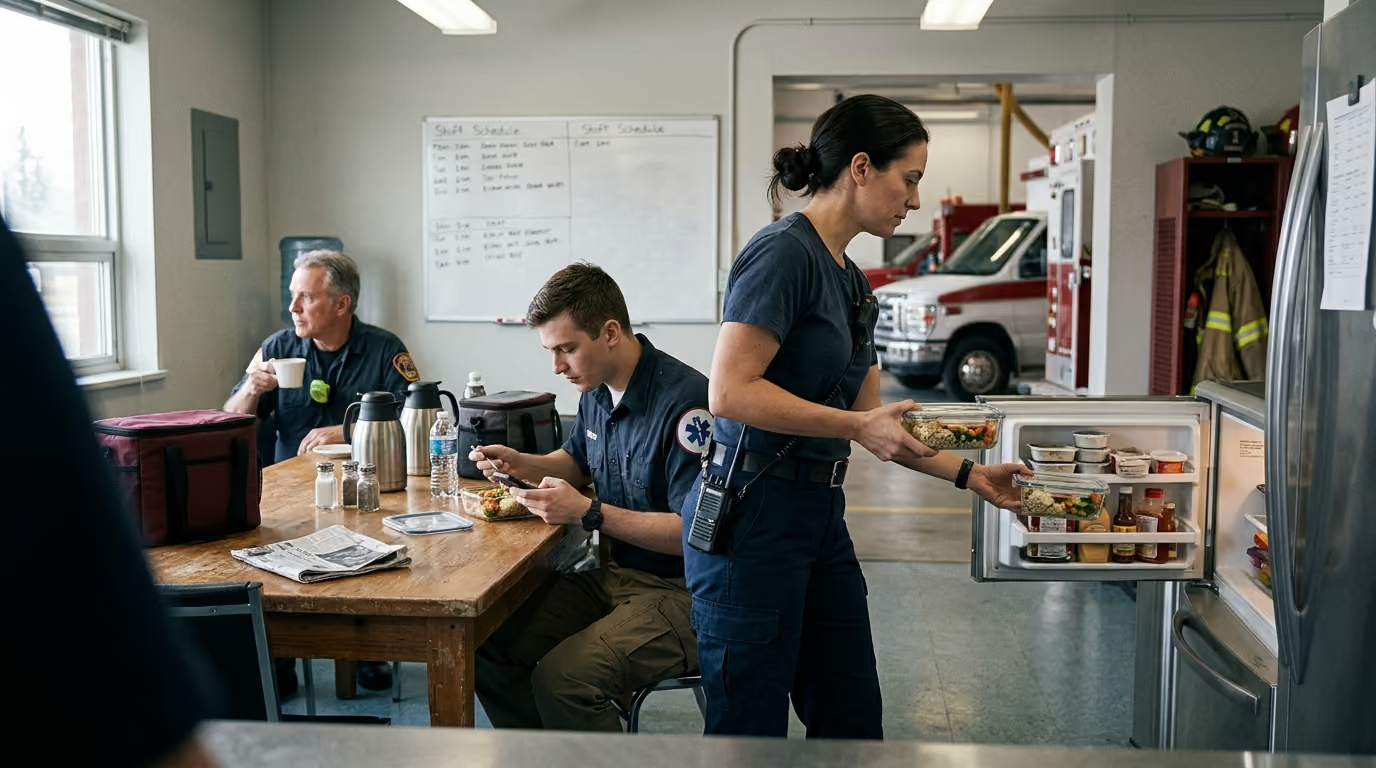

Sustained strength and improved metabolic markers are achieved by aligning daily protein, fiber, and caloric intake with life after active duty.





Most people assume leaving emergency service requires an immediate, severe reduction in food intake. Slashing calories arbitrarily the day after hanging up the uniform often backfires. It triggers metabolic slowdown, accelerates skeletal muscle loss, and fuels rebound binge eating.
Post-service nutrition is not about starvation or sudden dietary extremes. It is an intentional shift from fueling erratic, high-stress emergency calls to supporting long-term metabolic health, joint function, and sustained physical capability. During a career in fire, police, or emergency medical services, daily eating patterns develop around operational constraints. When those external constraints vanish, eating habits frequently remain frozen in duty mode.
Transitioning from active duty requires aligning daily fuel with a new routine. A solid post-service plan protects lean tissue, stabilizes blood glucose, and supports heart health. The goal is to carry the discipline of service forward into a lasting, healthy lifestyle.
Leaving active service fundamentally changes the daily energy equation. On duty, irregular alarms, bunker gear, ballistic vests, heavy equipment, and thermal strain drive sudden spikes in energy expenditure. Structural firefighters frequently cope with broken sleep, nighttime calls, and limited access to quality food, creating habits of rapid eating and reliance on calorie-dense meals. When shifts end for good, physical demands drop, but appetite signals and station-style portion sizes often linger.
Entering later life, first responders carry measurable cardiometabolic risks. Systematic reviews of career firefighters indicate that over 22 percent meet the criteria for metabolic syndrome. High rates of elevated blood pressure, central abdominal adiposity, dyslipidemia, and elevated blood glucose are common across emergency personnel. Research examining tactical athletes demonstrates that high body mass index often associates with lower exercise tolerance and elevated cardiovascular risks.
Body mass index is an incomplete screening tool because it cannot differentiate dense muscle from body fat. However, monitoring waist circumference alongside blood pressure, lipid panels, and blood glucose offers clear insight into metabolic health. For more on navigating baseline changes, read about nutrition and body composition principles for tactical health.
Energy needs should reflect current physical output rather than past occupational identity. A retired member who takes up heavy resistance training, trail running, or structural trade work will require substantial caloric intake. Conversely, transitioning to a desk-based consulting role or a sedentary home life decreases baseline energy requirements.
Do not guess a generic calorie reduction. Track body weight trends, waist measurements, daily energy, and gym performance across several weeks. Adjust portion sizes gradually based on real-world indicators.
Skeletal muscle serves as a primary engine for metabolic health, glucose disposal, and functional independence. When daily duty demands disappear, muscle mass declines quickly if physical training and dietary protein drop. Protecting lean muscle tissue requires consistent, high-quality protein distribution across the day.
The baseline Recommended Dietary Allowance for adult protein intake sits at 0.8 grams per kilogram of body weight per day. For an 80-kilogram individual, this equals roughly 64 grams daily. For a 100-kilogram individual, it provides approximately 80 grams daily. This standard represents the minimum amount required to prevent clinical deficiency in the general population. It does not represent an optimal target for active older adults, individuals seeking fat loss, or those engaged in resistance training.
Preserving muscle after service requires attention to three specific factors:
Achieving baseline daily protein needs supports nitrogen balance and cellular repair. When total calories drop during retirement, maintaining adequate protein protects against the loss of functional lean mass.
Spreading protein intake evenly across the day stimulates muscle protein synthesis more effectively than consuming the majority of daily protein in a single evening sitting. Aim for a distinct protein anchor at breakfast, lunch, and dinner.
Prioritize complete protein sources rich in essential amino acids, particularly leucine. Lean meats, poultry, wild seafood, whole eggs, Greek yogurt, cottage cheese, tofu, and legumes offer robust amino acid profiles without excess saturated fat.
Protein also supports meal satiety, helping curb impulsive snacking throughout the day. Balance lean protein with vegetables, whole grains, and healthy fats rather than building meals exclusively around processed meat or protein shakes. Individuals with diagnosed renal disease should consult a physician to determine their specific protein parameters.
Years of grabbing quick convenience food between calls often leaves first responders with chronically low fiber intakes. Highly processed station meals, fast-food runs during extended night shifts, and refined carbohydrates disrupt digestive regularity and gut health. Fiber plays a primary role in lowering circulating cholesterol, stabilizing blood glucose, and maintaining digestive function.
The National Academies recommend a daily fiber intake of 38 grams for men and 25 grams for women aged 50 and younger. For adults over 50, the target is 30 grams daily for men and 21 grams for women. Most former emergency personnel fall well short of these baseline markers due to long-held dietary habits.
To incorporate fiber effectively into your post-service routine, make single additions each week:
Increase dietary fiber gradually over several weeks. Rapid spikes in fiber intake can trigger abdominal cramps, gas, and digestive distress. Pair rising fiber consumption with consistent water intake to keep digestion moving smoothly.
Fiber-dense foods can still be calorie-rich. Foods like granola, specialty nut bars, and roasted nut mixes contain meaningful micronutrients and fiber, but they deliver substantial energy density. Choose whole, minimally processed vegetables, legumes, and fruits as your primary fiber foundation.
On duty, hydration is frequently reactive. Responders chug water before long turnouts or drink fluids only when severe thirst strikes on hot calls. In retirement, maintaining systemic hydration requires a steady, predictable daily baseline.
Age diminishes the natural physiological thirst response, making older adults more susceptible to subclinical dehydration. Dehydration impairs cognitive clarity, strains kidney filtration, slows joint lubrication, and worsens bowel regularity. Additionally, common blood pressure medications, including diuretics, alter fluid and electrolyte balance in the body.
Build a simple, repeatable daily fluid rhythm:
Assess your hydration status through urine color, aiming for a pale straw color throughout the day. Dark amber urine indicates under-hydration, while completely clear urine across the day may signal unnecessary over-consumption.
Avoid relying on commercial electrolyte packets for ordinary, sedentary daily hydration. Many packaged electrolyte mixes contain significant added sugars or excessive sodium loads. Reserve sodium-rich electrolyte drinks for intense exercise, prolonged yard work in high heat, or heavy endurance training. Individuals managing congestive heart failure, liver disease, or chronic kidney disease must follow fluid volume limits set by their medical team.
Micronutrient deficiencies develop quietly over decades of erratic shift-work nutrition. Rather than reaching for excessive, unverified dietary supplements, prioritize nutrient density from whole food sources. As the body ages past 50, changes in digestive physiology alter the absorption of several vital vitamins and minerals.
Adults need 2.4 micrograms of Vitamin B12 daily for nerve function and red blood cell formation. After age 50, stomach acid production often decreases, reducing the body's ability to extract naturally occurring B12 from animal proteins. Incorporate fish, lean meat, dairy, eggs, and fortified whole grains into your weekly meal rotation. If blood work indicates low serum B12, discuss oral supplementation or fortified options with your doctor.
Vitamin D supports skeletal integrity, immune signaling, and muscular strength. Dietary guidelines recommend 600 International Units daily for adults aged 51 to 70, rising to 800 International Units for those over 70. Sun exposure, fatty cold-water fish like salmon, fortified dairy, and egg yolks provide dietary vitamin D. Because blood levels vary widely based on geography and skin pigmentation, obtain a 25-hydroxy vitamin D blood test before starting high-dose supplements.
The recommended daily calcium intake is 1,200 milligrams for women over 50 and men over 70. Calcium maintains bone density, nerve transmission, and muscular contraction. Prioritize calcium from dietary sources such as plain Greek yogurt, kefir, low-fat milk, fortified soy alternatives, canned sardines with bones, and dark leafy greens. Dietary calcium absorbs effectively and avoids the vascular calcification risks sometimes associated with excessive calcium pill supplementation.
Be skeptical of aggressive marketing for commercial performance supplements. Over-the-counter fat burners, testosterone boosters, and heavy stimulant mixes often contain unlisted ingredients that strain the cardiovascular system. Review all daily supplements with a licensed pharmacist or physician, especially if you take prescriptions for blood pressure, cholesterol, or glucose regulation.
In emergency service culture, alcohol often serves as an unwritten tool for decompression, peer camaraderie, and coping with occupational trauma. Post-service life can strip away the daily camaraderie of the station, leaving an emotional void. Without the accountability of sudden shift call-backs, evening drinks can quietly multiply into a daily habit.
Current evidence demonstrates that consuming lower amounts of alcohol supports better long-term health outcomes than consuming higher amounts. National guidelines define moderate drinking as two standard drinks or fewer per day for men, and one drink or fewer per day for women. A standard drink equals 12 ounces of regular beer, 5 ounces of wine, or 1.5 ounces of distilled spirits. Regular alcohol intake above these limits significantly elevates the risk of high blood pressure, liver dysfunction, stroke, gastrointestinal cancers, and heart disease.
Beyond physical pathology, alcohol disrupts deep sleep architecture. While alcohol acts as a sedative that helps initiate sleep, it fragments rapid eye movement stages and triggers frequent middle-of-the-night awakenings. This sleep disruption drives daytime fatigue, elevates morning cortisol, and worsens cravings for high-calorie, processed comfort foods.
Take an honest inventory of your relationship with alcohol:
Set clear, alcohol-free days during the week to break automated evening routines. Substitute non-alcoholic seltzers, herbal teas, or structured evening walks to decompress. If reducing alcohol consumption feels unmanageable, or if you experience tremors, sweating, or anxiety when stopping, seek professional clinical support.
Active duty forces personnel into reactive, unstructured eating. Alarms interrupt meals, leaving first responders accustomed to wolfing down food in under five minutes or going twelve hours without eating before bingeing at midnight. Retirement offers the opportunity to establish predictable, rhythmic nutrition anchors.
Transitioning to stable daytime schedules allows you to align meal timing with your natural circadian rhythm. Research on emergency workers indicates that consuming the majority of daily calories during daytime hours improves markers of glucose control and lipid management. To understand how circadian biology influences food processing, review eating strategies and circadian rhythm management.
A practical plate framework simplifies meal construction without tedious calorie counting:
Allocate half of your plate to colorful vegetables and fruits. Dedicate one quarter of the plate to lean protein sources, and fill the remaining quarter with complex, high-fiber carbohydrates like sweet potatoes, brown rice, or beans. Add a modest thumb-sized portion of healthy unsaturated fats, such as extra virgin olive oil or avocado.
Consider how this framework applies across real-world transition scenarios:
For insights on structuring physical exercise alongside your recovery, explore programming workouts around demanding schedules.
For individuals still navigating the tail end of active careers or rotating shifts, see practical guidance in the first responder shift nutrition framework.
Transitioning away from a structured, fast-paced service career introduces specific behavioral traps. Recognizing these patterns early allows you to correct course before metabolic markers slip.
Slashing caloric intake drastically after retirement triggers intense hunger, promotes irritability, and accelerates the loss of lean muscle. Focus on sustainable meal habits you can maintain for the next twenty years rather than thirty-day quick fixes.
Eating a meal in under five minutes is an adaptive habit when an emergency call can drop at any moment. In post-service life, eating too fast prevents satiety signals from reaching the brain, leading to unintentional overeating. Practice sitting down, putting utensils down between bites, and chewing thoroughly.
Losing the fast-paced stimulation of the job can lead to boredom-induced kitchen grazing. Establish clear meal anchors rather than snacking continuously while watching television or sitting at a computer.
Energy drinks, convenience snacks, and midnight eating windows are survival mechanisms for difficult night shifts. Maintaining those habits during regular retirement hours disrupts sleep and accelerates insulin resistance.
While reducing heavily processed, sodium-dense convenience foods is vital for blood pressure control, active older adults who exercise heavily in hot climates still require basic culinary salt. Balance sodium intake by eating whole, unpackaged foods while seasoning home-cooked meals moderately.
For broader strategies on staying healthy across the lifespan, browse resources on career longevity and life after service.
Self-directed nutrition habits form the base of daily health, but they cannot replace licensed clinical care. Decades of emergency service expose personnel to chronic sympathetic stress, toxic combustion byproducts, disrupted circadian clocks, and joint trauma. Professional medical oversight ensures that your nutrition plan aligns with your internal physiology.
Schedule a comprehensive post-service medical evaluation to establish your physiological baseline:
If your laboratory results indicate elevated blood pressure, kidney disease, liver dysfunction, or insulin resistance, collaborate with a Registered Dietitian. A registered dietitian translates clinical lab values into personalized meal structures while accounting for your food preferences and daily budget.
Seek immediate clinical evaluation if you experience unintended, rapid weight loss, chronic difficulty swallowing, persistent gastrointestinal bleeding, or severe abdominal pain. Never adjust prescription medications, particularly blood pressure or diabetes drugs, without direct guidance from your prescribing physician.
Transitioning out of emergency service is not the end of physical capability, but the start of a new phase of personal longevity. Taking deliberate control of your daily nutrition protects your strength, sharpens your mind, and ensures you enjoy the retirement you earned.
Stay connected for research-led guidance on duty fitness, shift-work sleep, injury recovery, stress, nutrition and career longevity. Practical ideas for first responders who want to stay capable on the job, recover well and protect their health for the long run.



Read practical guidance on first responder fitness, recovery, sleep, nutrition and resilience for demanding work and a long, active career.
read the blog



