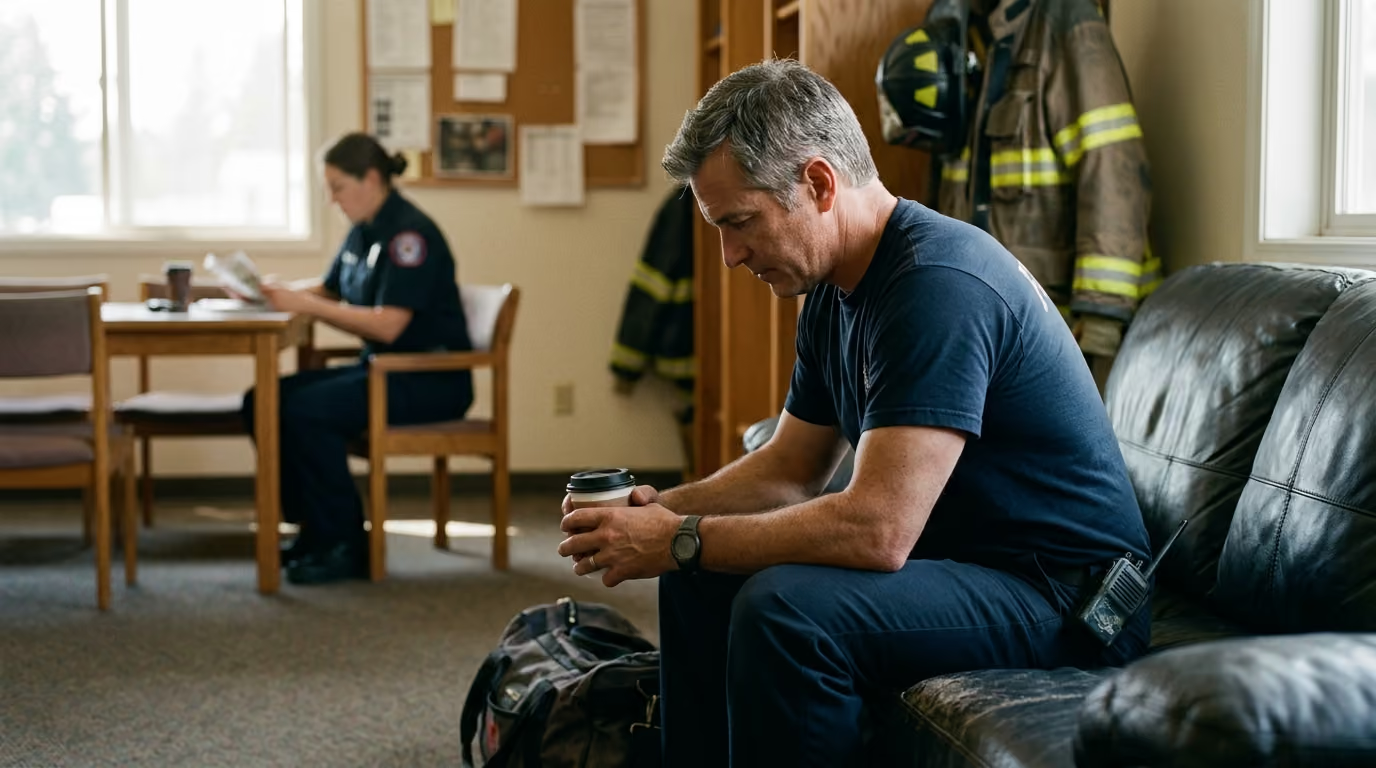

First responder stress is often treated as simple fatigue, but cumulative physiological strain alters nervous system function and requires targeted recovery strategies.





If you are in immediate danger, call 911. For 24/7 support, call or text 988 and press 1 for the Veterans Crisis Line, or text 838255.
Stress physiology is the biological framework governing how the brain and body mobilize energy for immediate threats and return to equilibrium when the danger passes. It is not a sign of emotional fragility, nor is it a personal flaw. Understanding this physiology allows emergency personnel to distinguish between useful operational activation, acute cognitive overload, and cumulative system exhaustion.
The operational readiness of an emergency responder depends on the continuous interaction between acute activation, cumulative exposure, and available recovery capacity. Acute stress mobilizes fuel and heightens vigilance for immediate hazards. When repeated calls, chronic sleep deficits, and administrative strain outpace recovery, the nervous system loses its adaptive flexibility. Protecting duty readiness and long-term health requires managing physiological load rather than relying on sheer willpower.
Stress is the coordinated response of the brain and body to external demands that challenge resources or threaten safety. An emergency call acts as a stressor, which is the external trigger. The stress response is the internal cascade of neurological, hormonal, and muscular adaptations designed to manage that demand. Strain represents the biological cost incurred when demands exceed the body's capacity to adapt and recover.
The human body relies on two distinct yet coordinated physiological branches to manage emergency demands. The first branch is the sympathetic-adrenomedullary system, known as the SAM system. The SAM system provides an immediate neural reaction. When a dispatch tone drops or a scene turns violent, the amygdala signals the brainstem to activate sympathetic nerves.
This neural stimulation prompts the adrenal medulla to release catecholamines, primarily adrenaline and noradrenaline, directly into the bloodstream. Heart rate accelerates, arterial blood pressure rises, and blood flow redirects from the digestive tract toward large skeletal muscle groups. Bronchioles dilate to increase oxygen exchange, and pupils widen to capture ambient light. These rapid adjustments prime the responder for heavy physical tasks such as patient extrication, structural fire attack, or rapid tactical positioning.
The second branch is the hypothalamic-pituitary-adrenal axis, commonly called the HPA axis. This is a slower endocrine pathway designed to sustain energy availability and modulate inflammation over prolonged operations. The hypothalamus secretes corticotropin-releasing hormone, prompting the pituitary gland to release adrenocorticotropic hormone. This hormone travels through the bloodstream to the adrenal cortex, triggering the synthesis and secretion of cortisol.
Cortisol increases blood glucose availability by stimulating gluconeogenesis in the liver and temporarily inhibiting non-essential functions like digestion and reproductive hormone production. Cortisol is not an inherently damaging chemical. It coordinates the transition from immediate alarm to sustained operational stamina. Difficulties arise when chronic activation alters cortisol rhythmicity, leading to blunted morning levels, exaggerated evening peaks, or prolonged systemic inflammation.
The body maintains physiological stability through continuous adaptation, a process known as allostasis. Rather than keeping vital signs locked at static set points, the autonomic and endocrine systems constantly adjust blood pressure, glucose, and muscle tone to match environmental demands. Allostatic load refers to the cumulative wear and tear inflicted on tissues and organs when these adaptive systems remain continuously activated without adequate rest.
Allostatic load accumulates through three distinct operational patterns:
Autonomic regulation during rest depends on the parasympathetic nervous system, primarily mediated by the vagus nerve. Parasympathetic activity slows the heart, lowers systemic vascular resistance, promotes tissue repair, and restores cognitive flexibility. Tracking resting heart rate and heart-rate variability over weeks provides an objective window into autonomic balance. These metrics reflect trends in recovery capacity rather than standalone medical diagnoses.
Physiological activation exists along a continuum. In emergency services, the goal is not to eliminate arousal, but to operate within an optimal zone of physiological readiness. Useful activation occurs when sympathetic arousal mobilizes physical power and focus while preserving cognitive flexibility. In this state, a responder maintains the ability to process new information, communicate clearly, and perform fine-motor tasks.
Useful activation is highly task-dependent. High sympathetic output suits gross-motor demands like forcing an entry, dragging a supply line, or subduing a combative patient. The same level of arousal can degrade performance during delicate procedures like pediatric intubation, drug calculations, forensic evidence collection, or crisis de-escalation. The inverted-U framework shows that moderate physiological arousal supports complex cognition, whereas excessive arousal impairs working memory and motor precision.
Acute overload happens when neurological arousal exceeds the brain's capacity to organize sensory input and execute controlled choices. Overload triggers severe perceptual narrowing, often experienced as tunnel vision or auditory exclusion. A responder may fail to hear radio traffic, overlook safety hazards, or fixate on an ineffective task. Fine-motor skills deteriorate rapidly because peripheral blood vessels constrict to protect the core.
When overload escalates, responders may experience cognitive freezing, frantic disorganization, or emotional flooding. These reactions do not reflect cowardice or lack of discipline. They are predictable neurobiological responses when task complexity, environmental chaos, and physiological arousal surpass current processing capacity. Simple protocols such as practicing active post-incident downshifting between calls help keep autonomic arousal within an effective operational window.
Some responders experience stress through hypoarousal or shutdown rather than visible panic. Hypoarousal manifests as emotional flatness, mental blanking, slowed movements, or acute dissociation. A responder in this state may appear calm to bystanders, yet remain entirely unable to prioritize tasks or ensure crew safety. Field supervisors must evaluate operational competence and coherence rather than assuming a quiet demeanor indicates emotional control.
Cumulative load in emergency services extends far beyond the tally of critical calls. Critical incidents like pediatric deaths, mass-casualty events, and line-of-duty injuries carry high emotional weight. However, routine occupational and organizational demands often contribute more heavily to chronic strain over a thirty-year career.
Five primary sources drive cumulative physiological load in first responders:
Repeated exposure to chronic human suffering wears down resilience through attrition. Attending multiple routine overdoses or severe neglect cases each week rarely triggers an acute crisis. Instead, it generates a steady erosion of empathy, emotional exhaustion, and chronic cynicism. This ongoing exposure keeps the sympathetic nervous system in a state of low-grade, persistent activation.
Operational and organizational friction often creates greater sustained distress than scene hazards. Unpredictable shift extensions, broken equipment, hostile management, and fear of disciplinary action prevent the nervous system from fully disengaging during off-duty hours. When responders feel unsupported by their agency, their physiological recovery systems remain suppressed even while resting at home.
First responder culture often praises emotional suppression, dark humor, and relentless stoicism. While compartmentalization helps crews complete difficult operational tasks, relying on suppression as a permanent coping mechanism carries steep physiological costs. Chronic emotional suppression increases resting cardiovascular strain and elevates baseline cortisol levels. Functioning effectively at work is not proof that the body is recovering successfully.
Research demonstrates that cumulative exposure elevates the risk of occupational stress injuries. Population-level studies across emergency personnel show high rates of post-traumatic stress, depressive disorders, and problematic substance use compared to civilian averages. A systematic review on emergency department personnel estimated the prevalence of post-traumatic stress disorder at 18.6 percent, reflecting substantial occupational risk. These figures highlight the systemic nature of occupational stress rather than individual fragility.
Sleep is a fundamental biological requirement for neurological recovery, metabolic health, and autonomic regulation. During slow-wave deep sleep, the brain clears metabolic waste, growth hormone repairs microtrauma in muscle tissue, and sympathetic vascular tone drops. Rapid eye movement sleep processes emotional memories and recalibrates the neural circuits that regulate fear and threat appraisal.
Shift work disrupts these restorative cycles by forcing wakefulness during biological circadian troughs. Night duty and irregular rotating shifts suppress melatonin production, alter core body temperature rhythms, and disrupt metabolic regulation. The National Institute for Occupational Safety and Health identifies poor sleep duration as a major contributor to cognitive fatigue, slow reaction times, and elevated injury rates among emergency personnel. Implementing shift-specific sleep strategies provides essential protection against circadian disruption.
Sleep deprivation amplifies allostatic load by impairing the prefrontal cortex's control over the amygdala. Without adequate sleep, the brain's threat-detection centers become hyper-reactive, interpreting benign situations as hostile or dangerous. This neurological shift increases baseline heart rates, impairs glucose tolerance, and elevates systemic inflammatory cytokines. Research highlighted by NIOSH indicates that night-shift officers show more than four times the odds of depressive symptoms compared to day-shift personnel, largely due to circadian disruption.
Chronic sleep loss leads directly to recovery debt, a state where biological restoration lags behind operational strain. Emergency personnel suffering from recovery debt display distinct behavioral and physiological patterns:
Addressing fatigue requires structured operational frameworks rather than individual willpower. Responders working irregular rotations can examine fatigue and circadian strain across shift rotations to design practical rest windows. Protecting sleep opportunities between calls is an indispensable measure for career longevity and operational safety.
For decades, many emergency services mandated single-session psychological debriefing immediately following critical incidents. These interventions gathered involved personnel within twenty-four to seventy-two hours to recount the traumatic event, describe their emotional reactions, and receive stress education. While designed with good intentions to prevent psychological disorders, systematic scientific evaluations have revealed significant limitations to this approach.
Cochrane systematic reviews and independent trauma evaluations demonstrate that single-session psychological debriefing does not prevent post-traumatic stress disorder. In several trials, mandatory immediate debriefing was linked to worse long-term symptom severity among participants. Forcing individuals to verbally process traumatic memories while their nervous systems remain in high acute distress can interfere with natural neurological processing and worsen trauma consolidation.
Modern operational mental health emphasizes evidence-informed practical support and psychological first aid. Early interventions must focus on establishing physical safety, restoring physiological equilibrium, and supporting practical needs rather than demanding emotional disclosure. Responders should be allowed to choose when, how, and with whom they discuss critical incidents.
Effective early support protocols should prioritize several immediate actions:
Distinguishing between supportive peer conversations and formal psychological therapy is essential. Peer support programs provide valuable operational validation, reduce isolation, and help personnel navigate agency resources. However, peer support is not clinical treatment. When personnel experience persistent traumatic intrusions, panic attacks, or profound functional impairment, evidence-based trauma psychotherapies administered by licensed clinicians are required.
Managing stress physiology requires ongoing situational awareness before, during, and after emergency calls. Monitoring biological and cognitive markers across three incident horizons allows responders and supervisors to recognize early operational strain and intervene before severe impairment occurs.
During the incident, responders must monitor their own activation alongside their partners' behavior. Key indicators of workable function include controlled breathing, clear radio modulation, and the ability to update tactical plans when conditions shift. Warning signs of acute overload include frantic speech, fixation on minor tasks, loss of fine-motor coordination, or total silence and lack of responsiveness. Field supervisors should simplify task instructions or rotate overloaded personnel away from high-risk tasks.
Immediately after an incident, monitoring shifts toward physical stabilization and the initial downshifting of the nervous system. Personnel must assess whether they can safely operate department vehicles, hydrate, consume balanced nutrition, and shed heavy protective gear. Crews should look for signs of acute disorientation, marked emotional withdrawal, or severe tremors. These immediate post-incident hours represent a prime window to begin physiological downshifting.
Over the days and weeks following difficult calls, tracking focuses on recovery trajectory and symptom resolution. The following operational traffic-light model categorizes these phases:
The responder remains alert and task-focused on duty while transitioning into restful states at home. Sleep remains restorative, cognitive focus is sharp, and interpersonal relationships are stable. Resting heart rate and physical recovery indicators remain close to normal baseline values. The proper action in this phase is to maintain regular training, nutrition, and rest routines.
The responder experiences persistent physical fatigue, waking unrefreshed despite time in bed. Emotional reactivity increases, showing up as irritability with crew members, cynicism toward patients, or withdrawal from family. Minor frustrations trigger exaggerated stress responses, and reliance on caffeine, energy drinks, or evening alcohol rises. The required action is to reduce voluntary overtime, optimize sleep schedules, integrate nervous system resets, and consider speaking with a peer supporter.
The responder experiences overwhelming dread before shifts, pervasive panic, or profound emotional numbness. Severe sleep disruption occurs, marked by night sweats, repeated intrusive flashbacks, or near-total insomnia. Personal safety becomes compromised through reckless behavior, on-duty substance impairment, or explicit thoughts of suicide. The necessary action is immediate operational removal from safety-sensitive duties and prompt connection to clinical care.
Resetting the autonomic nervous system after high-intensity calls requires deliberate physical interventions. Because cognitive control weakens during high sympathetic arousal, physiological regulation should begin with the body rather than abstract mental reframing. Using structured somatic resets helps downshift the nervous system from fight-or-flight toward parasympathetic recovery.
Controlled respiration serves as a fast, accessible tool for modulating autonomic tone. Slowing exhalations activates the pulmonary vagal reflex, sending inhibitory signals to the sinoatrial node of the heart to lower cardiovascular output. Practicing box breathing or physiological sighs for two to three minutes while returning from a call reduces circulating catecholamines and calms elevated heart rates. Responders can learn simple field techniques through practical guides on stress resilience and mental performance.
Muscular tension often persists long after a call is cleared, signaling the brain that an active threat remains. Deliberately releasing tension from the jaw, dropping the shoulders away from the ears, and unclamping the hands interrupts this feedback loop. Combining this physical release with washing the face with cold water stimulates the mammalian dive reflex, slowing heart rates and narrowing physiological arousal back toward a workable window.
Nutrition and hydration directly influence how the body handles acute stress. Sympathetic activation halts digestive enzyme secretion and slows gastric emptying. Consuming heavy, high-sugar foods during or immediately following intense calls often causes gastrointestinal distress and sharp blood sugar crashes that mimic anxiety. Maintaining proper fuel reserves through structured nutrition strategies during shift work stabilizes baseline energy and prevents metabolic crashes.
Environmental transitions also support psychological decompression. Decontaminating gear, removing duty boots, showering, and changing into clean clothes serve as tangible physical boundaries between operational danger and restorative rest. Establishing consistent station-level habits helps crews close out challenging incidents before taking on new calls.
Experiencing acute distress, intrusive thoughts, disturbed sleep, or emotional numbness in the immediate wake of a critical incident is a normal physiological reaction. For most emergency personnel, these symptoms gradually resolve over several weeks as the brain integrates the experience and the nervous system resets. When symptoms persist, worsen, or impair daily living, professional clinical evaluation is warranted.
Post-traumatic stress disorder is diagnosed when specific symptom clusters continue beyond one month and cause substantial personal or occupational impairment. These clusters include intrusive memories or nightmares, active avoidance of trauma-related reminders, negative changes in mood and thought patterns, and persistent hyperarousal. Professional assessment is critical because post-traumatic stress frequently co-occurs with clinical depression, panic disorders, and hazardous alcohol use.
Evidence-based psychotherapies provide effective treatment for emergency personnel experiencing post-traumatic stress. Trauma-focused cognitive behavioral therapies, including prolonged exposure and cognitive processing therapy, help individuals safely process traumatic memories and decouple them from automatic physiological panic. Eye movement desensitization and reprocessing is another well-established clinical modality that reduces the emotional charge of traumatic memories.
First responders seeking mental health support should look for licensed clinicians with direct experience treating public safety personnel. Clinicians who understand emergency services culture, incident command structures, and tactical environments provide more effective care. Seeking timely clinical evaluation protects personal health, sustains operational longevity, and preserves family relationships.
Consumer wearables provide helpful approximations of autonomic trends by measuring the variation in time between heartbeats. A steady downward trend in resting heart-rate variability over several shifts often signals accumulated physical fatigue, poor sleep, dehydration, or illness. However, wearables cannot diagnose psychological health or distinguish emotional distress from the physical strain of heat, hard training, or infection. Use wearable data as an informative trend indicator rather than a definitive medical verdict.
Physical calls demand muscular output, but calls involving high emotional tension, severe family distress, or constant anticipation also keep the sympathetic-adrenomedullary system engaged. Sitting in a vehicle while remaining in a state of high vigilance consumes significant neurological energy and glucose. This state of constant anticipatory readiness taxes the central nervous system, producing heavy cognitive and physical fatigue even in the absence of hard labor.
Perceptual narrowing, including tunnel vision and auditory exclusion, is an automatic biological consequence of acute catecholamine release. It occurs in experienced veterans and recruits alike when perceived threat and physiological arousal reach high levels.Experiencing tunnel vision reflects an active survival reflex rather than a lack of courage. Controlled respiration, progressive scenario-based training, and operational experience help keep arousal within a workable window where peripheral awareness is preserved.
Burnout is primarily a syndrome of physical, emotional, and cognitive exhaustion driven by chronic workplace stressors, long shifts, and insufficient rest. Moral injury arises when a responder witnesses, perpetrates, or fails to prevent actions that deeply violate their moral or ethical convictions. While burnout typically improves with protected rest, schedule adjustments, and reduced workload, moral injury involves profound feelings of guilt, shame, anger, and institutional betrayal that often require specialized clinical counseling.
Sustainable emergency response capability depends on treating the human nervous system with the same rigorous care, maintenance, and technical respect given to operational machinery. Longevity across a long career is achieved not by suppressing the physiological costs of the job, but by balancing demanding operational duties with consistent, deliberate biological recovery.
Stay connected for research-led guidance on duty fitness, shift-work sleep, injury recovery, stress, nutrition and career longevity. Practical ideas for first responders who want to stay capable on the job, recover well and protect their health for the long run.



Read practical guidance on first responder fitness, recovery, sleep, nutrition and resilience for demanding work and a long, active career.
read the blog



