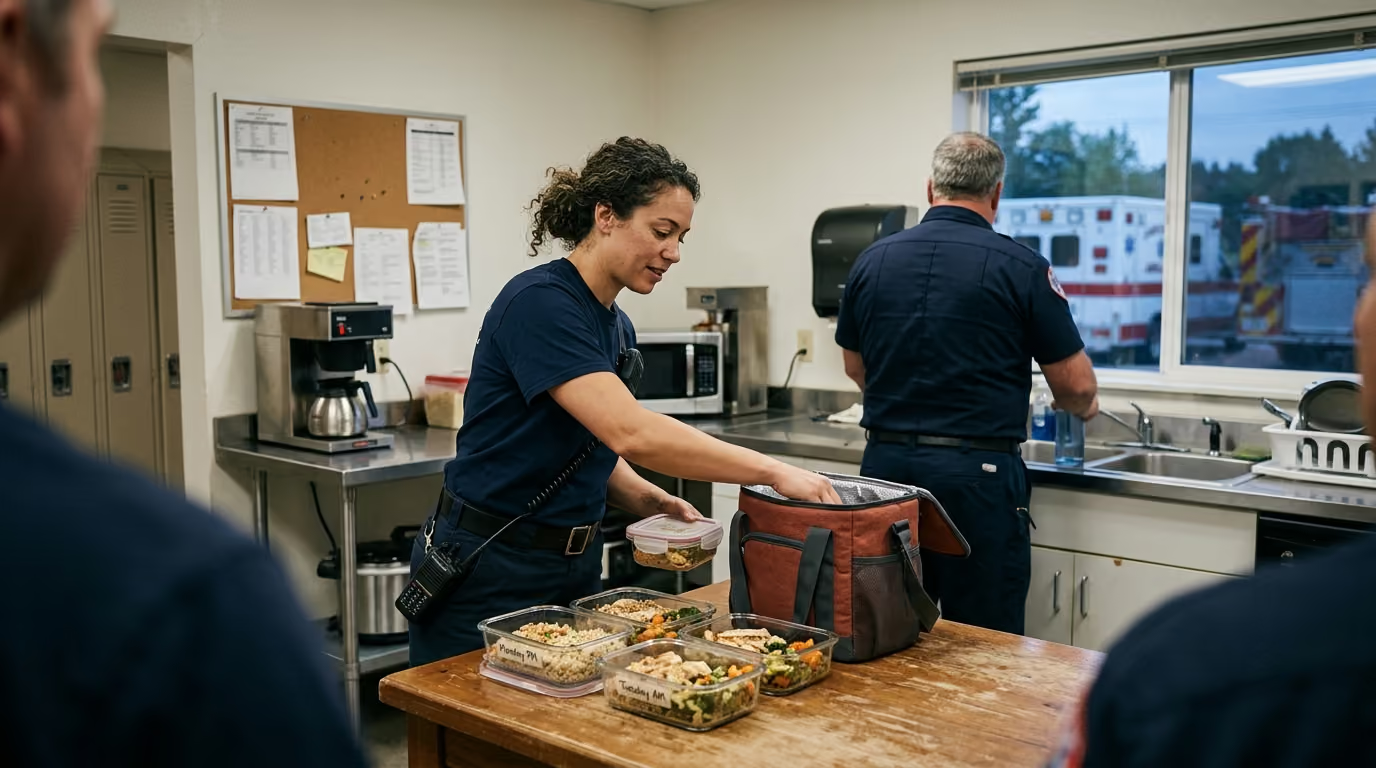
Many shift workers search online for a simple question: how do you eat on rotating shifts without gaining weight, losing energy, or wrecking your digestion? Most standard meal plans fail because they assume a steady nine-to-five schedule. When your schedule changes between day tours, night shifts, overtime, and recovery days, fixed eating times collapse quickly.
This guide provides a comprehensive nutrition framework built specifically for rotating schedules. It uses minimum standards, flexible energy targets, and structured contingency plans rather than a rigid weekly menu.
Operational Nutrition for Unpredictable Schedules
A functional nutrition plan for rotating shifts cannot depend on clock hours. When your sleep window shifts by eight to twelve hours, traditional labels like breakfast, lunch, and dinner lose their meaning. Eating a large meal at 7:00 a.m. makes sense before a day shift, but it causes digestive distress and poor sleep if you are heading to bed after working overnight.
The solution is to organize your food intake around physiological events rather than wall clocks. You anchor meals to waking, duty demands, training sessions, and your primary sleep period. By combining stable baseline habits with adjustable meal timing, you protect operational readiness, metabolic health, and physical capability across every rotation.
Maintaining physical readiness requires an adaptable approach. Explore our dedicated nutrition and body composition resources for more strategies on building sustainable habits during demanding assignments.
- THE 3-TIER OPERATIONAL SYSTEM
- TIER 1: MINIMUM STANDARDS
- Non-negotiables: Daily protein anchor, produce, baseline hydration.
- TIER 2: FLEXIBLE TARGETS
- Adjustable ranges: Shift-matched fuel, training carbs, meal windows.
- TIER 3: CONTINGENCY PLANS
- Pre-planned backups: Rapid station meals, truck kits, missed breaks.
Chrononutrition and Shift Work Physiology
Working irregular hours forces the human body to operate against its internal circadian timing system. The National Institute for Occupational Safety and Health notes that night and irregular work disrupts natural circadian rhythms and sleep architecture. This disruption often leads to acute fatigue, impaired concentration, and elevated occupational safety risks. Furthermore, nighttime light exposure suppresses melatonin secretion, which alters normal metabolic processing.
Evidence examining total energy intake reveals an important pattern. A systematic review published in BMJ Open found no meaningful difference in 24-hour total energy intake between shift workers and fixed day workers. The standardized mean difference was -0.04 with a 95% confidence interval of -0.11 to 0.03. This indicates that weight gain on shift work is rarely caused solely by consuming more total daily calories.
Instead, metabolic challenges arise from the timing of intake, reduced sleep, and altered food availability. A scoping review on chrononutrition observed that night-shift eating windows were approximately 2.3 to 2.6 hours longer than day-shift windows. During night shifts, the caloric midpoint was delayed by about two hours, and the final meal occurred two to three hours later. Consuming large amounts of food during the biological night can impair glucose tolerance and lipid metabolism.
Large-scale health data highlight these long-term physiological challenges:
- A meta-analysis of 28 studies found shift work associated with overweight or obesity, showing an odds ratio of 1.23 and a 95% confidence interval of 1.17 to 1.29.
- A comprehensive review reported roughly a 10% higher diabetes risk among shift workers, with pooled adjusted odds ratios ranging from 1.08 to 1.42 for rotating shift work.
- Cardiovascular research indicates a 17% higher risk of cardiovascular events and nearly a 20% higher rate of cardiovascular mortality among shift workers compared to daytime workers.
- Educational material from the American Academy of Sleep Medicine notes that night-shift workers frequently sleep one to four hours less than daytime workers.
These findings show that eating at biologically mismatched times creates real friction. A four-week randomized crossover intervention asked night workers to avoid food between 1:00 a.m. and 6:00 a.m. while redistributing their normal daily energy intake. This simple adjustment improved body weight management without requiring calorie deprivation. Timing adjustments support metabolic health, but they must be applied practically without causing under-fueling during physically demanding duties.
To understand how scheduling affects your circadian rhythms and recovery, review our guide on circadian timing and shift fatigue.
Emergency Service Realities and Dietary Demands
General nutrition advice assumes you can stop for a balanced meal whenever hunger strikes. In emergency services, calls do not pause for meal breaks. A single structure fire, motor vehicle collision, or critical transport can easily erase a planned eating window. Gear weight, environmental heat, and sudden physiological arousal also dramatically change energy expenditure.
Carrying 50 pounds of personal protective equipment in hot environments demands rapid hydration and accessible glycogen. Conversely, sitting in a patrol vehicle for hours creates low physical output, where heavy snacking causes sluggishness. When high-stress calls occur, sympathetic nervous system activation halts gastric motility and suppresses appetite. Once the call clears and parasympathetic tone returns, intense rebound hunger often follows.
If you have gone eight hours without food due to back-to-back incidents, your brain searches for rapid energy. This biological response drives cravings for refined carbohydrates, sugars, and fats. It is a predictable survival reflex driven by exhaustion and energy debt, not a personal failure of willpower.
Environmental constraints also restrict food quality across a tour. Station kitchens may be unavailable when running consecutive calls, while patrol officers and transport medics rely on whatever food is along their route. Microwaves and refrigerators are not always accessible. A practical nutrition plan must account for shelf-stable emergency rations and portable foods that survive inside a vehicle.
Managing stress physiology between calls helps regulate appetite and digestive comfort. Read our guide on practical between-call reset skills to keep stress responses from driving impulsive eating.
The Three-Layer Nutrition Framework
A durable nutrition plan relies on three distinct layers: minimum standards, flexible targets, and contingency plans. This structure maintains dietary quality during smooth tours and prevents total collapse during chaotic ones.
- DAILY FOOD TIMING BLUEPRINT
- WAKE WINDOW
- ON-DUTY WINDOW
- DEEP NIGHT (0100-0600)
- PRE-SLEEP WINDOW
Minimum Standards
Minimum standards are the non-negotiable floor of your nutritional habits. They are simple enough to execute during mandatory overtime, deep fatigue, or travel. When everything goes wrong on duty, you abandon complex tracking and focus strictly on these baseline rules:
- Consume a defined protein source across several eating opportunities each day.
- Eat at least one to two servings of fruit or vegetables daily.
- Carry a dedicated emergency food ration on every shift.
- Maintain continuous hydration instead of drinking only when severely thirsty.
- Protect your primary sleep period by avoiding large, heavy meals within two hours of bed.
- Never follow an uncontrolled eating episode with severe fasting.
Flexible Targets
Flexible targets represent your working ranges when operational conditions are relatively stable. Rather than hitting exact numerical goals, you adjust these variables based on shift length, training demands, and sleep quality:
- Daily energy intake managed as a weekly average rather than a rigid daily ceiling.
- Protein intake scaled between 1.4 and 2.0 grams per kilogram of body weight.
- Carbohydrate intake matched to physical output and training volume.
- Distribution of calories shifted toward the biological day.
- A consistent daily caffeine cutoff time.
- A sustainable meal preparation schedule.
Contingency Plans
Contingency plans provide immediate, low-stress solutions when primary plans fail. Instead of asking what the ideal meal would be, you execute the least damaging alternative:
- Missed Meal on Duty: Consume a portable, shelf-stable protein and carbohydrate snack immediately rather than waiting for extreme hunger to trigger overeating.
- Mandatory Overtime: Deploy a secondary packed meal or a shelf-stable backup kit stored in your gear bag.
- Severe Sleep Deprivation: Lower physical training volume, maintain baseline protein intake, and rely on simple, familiar foods that require minimal preparation.
- Overnight Nausea: Replace heavy, solid foods with light, easily digested options like yogurt, protein shakes, or clear broth.
- No Refrigeration: Rely on canned tuna, salmon packets, jerky, ultra-high temperature milk, protein powder, whole fruit, and whole-grain wraps.
- Post-Shift Overeating: Resume your normal meal pattern at the next scheduled eating opportunity without self-punishment or compensatory fasting.
To build structured nutrition routines tailored to different shift rotations, check out our first responder meal strategies guide.
Shift-Specific Meal Architecture and Role Assignment
Eating patterns must adapt to the shift being worked. Rather than assigning names like breakfast or dinner, assign operational roles to each eating opportunity. This keeps your digestive system comfortable and supports alertness on duty.
Day Tour Structure
Day tours typically start early in the morning, which can limit morning appetite and cooking time. The focus is preparing food the night before to support steady physical energy through the afternoon:
- Wake Meal: High-protein intake combined with moderate complex carbohydrates and hydration. Examples include eggs with whole-grain toast and fruit, or overnight oats mixed with whey protein and berries.
- Mid-Shift Meal: A balanced, portable meal eaten during your primary break window. Examples include grilled chicken with rice and roasted vegetables, or a turkey and avocado wrap with an apple.
- Afternoon Fuel: A small, protein-rich snack to maintain focus and prevent late-day energy dips. Greek yogurt with nuts or cottage cheese with fruit works well.
- Post-Shift Meal: A nutrient-dense dinner consumed with family or crew. Lean steak, roasted potatoes, and a large green salad support recovery.
- Pre-Sleep Intake: Usually unnecessary unless the post-shift meal occurred early. A light chamomile tea or small glass of milk can suffice if needed.
Evening Tour Structure
Evening tours often span late afternoon to the middle of the night. The primary risk is consuming an unnecessary full-sized dinner after returning home in the early morning hours:
- Wake Meal: Consumed in the late morning after waking naturally. Scrambled eggs, whole-grain toast, and sliced melon provide a steady start.
- Pre-Shift Meal: The main fueling opportunity consumed before reporting for duty. Lean poultry, quinoa, and steamed vegetables supply sustained energy.
- Mid-Shift Meal: A moderate, easily digested meal consumed halfway through the tour. A hearty vegetable soup with shredded chicken and a side of fruit prevents sluggishness.
- Post-Shift Intake: Keep this small and low in dietary fat to protect sleep quality. A small protein shake, a cup of cottage cheese, or a slice of whole-grain toast with nut butter prevents hunger from waking you.
Night Tour Structure
Night shifts require moving your primary fueling window to the start of the shift while keeping biological night intake light and functional. NIOSH recommends maintaining regular day-night eating habits as much as possible and minimizing heavy eating between midnight and 6:00 a.m.
- Wake Meal: Consumed upon waking in the late afternoon. Treat this as your nutritional anchor, focusing on quality protein, fibrous produce, and complex carbohydrates.
- Pre-Shift Meal: Eaten shortly before reporting for roll call. This serves as your main operational fuel. Rice bowls with lean ground beef and vegetables provide long-lasting energy.
- Mid-Shift Intake: Consumed around midnight. Keep portions moderate and limit high-fat or overly spicy ingredients. Turkey sandwiches, Greek yogurt, or vegetable soups provide nourishment without causing extreme sleepiness.
- Biological Night Window (1:00 a.m. to 6:00 a.m.): Keep intake minimal. If hunger strikes, use light snacks like a handful of almonds, an apple, or a low-sugar protein drink.
- Pre-Sleep Meal: Eaten in the morning before daytime sleep. NIOSH advises a light, easily digested breakfast if needed to prevent hunger from disrupting rest. A small bowl of oatmeal with protein powder or a banana with peanut butter works well.
For a deeper dive into optimizing daytime sleep after working overnight, see our comprehensive guide on shift-specific sleep planning.
- THE OVERTIME READINESS MATRIX
- LEVEL 1: PRIMARY MEAL
- Pre-portioned station meal: Glass container, balanced macros.
- LEVEL 2: SHELF-STABLE PACK
- Gear bag backup: Tuna/salmon packets, meat sticks, whole fruit.
- LEVEL 3: ROADSIDE CONTINGENCY
- Convenience store baseline: Greek yogurt, raw nuts, beef jerky.
Extended Overtime Structure
Mandatory holdovers and extended emergency incidents drain both physical and mental reserves. Rely on a three-tier supply system:
- Level 1 (Primary Supply): A second prepared meal stored at the station or in a cooler.
- Level 2 (Shelf-Stable Backup): Tuna pouches, meat sticks, protein powder, instant oats, and nut butter packets stored permanently in your gear locker.
- Level 3 (Field Procured): When forced to use convenience stores or fast food, select pre-packaged Greek yogurt, hard-boiled eggs, beef jerky, string cheese, fresh fruit, and unflavored nuts.
Training Day Modifications
Physical conditioning is necessary for career longevity and duty safety, but training on irregular shifts requires smart fuel placement:
- Place carbohydrate-rich meals two to three hours before demanding training sessions.
- Consume a dedicated post-workout meal providing 30 to 40 grams of protein to stimulate muscle protein synthesis.
- On rest days or light active recovery days, keep protein high while reducing carbohydrate portions to match lower energy demands.
- If working an exhausting shift on poor sleep, reduce training intensity and protect your nutritional baseline instead of forcing an extreme workout.
Building operational capacity requires balancing training stress with adequate recovery. Review our duty fitness category for evidence-based programming guidance.
Leave and Vacation Floor
Taking time off requires a psychological break from rigid tracking, but abandoning all structure can make returning to duty painful:
- Maintain your protein anchor by including quality protein at two to three meals daily.
- Include fresh fruit or vegetables most days.
- Stay physically active through walking, recreational sports, or light movement.
- Enjoy social meals without turning days into unstructured grazing.
Protein, Carbohydrate, and Fluid Logistics
Managing macronutrients across changing shifts does not require complex calculations. Simple rules of thumb help you distribute protein, carbohydrates, and fluids effectively.
Protein as the Operational Foundation
Protein provides satiety, stabilizes blood sugar, and supports muscular repair after heavy physical calls or training. The International Society of Sports Nutrition position stand recommends a daily intake of 1.4 to 2.0 grams of protein per kilogram of body weight for active individuals. Distributing this intake across three to five eating opportunities ensures consistent muscle protein synthesis throughout the 24-hour cycle.
- Protein Source: Canned Tuna / Salmon, Typical Serving Size: 1 pouch (2.6 oz), Protein Content: 17 to 20 grams, Portability & Storage: Excellent; shelf-stable in gear bags
- Protein Source: Greek Yogurt (Plain), Typical Serving Size: 1 cup (8 oz), Protein Content: 18 to 22 grams, Portability & Storage: Requires refrigeration or cooler pack
- Protein Source: Whey / Plant Protein Powder, Typical Serving Size: 1 scoop (30 grams), Protein Content: 22 to 25 grams, Portability & Storage: Excellent; mix with water or milk
- Protein Source: Hard-Boiled Eggs, Typical Serving Size: 2 large eggs, Protein Content: 12 to 14 grams, Portability & Storage: Requires cooler pack; rapid consumption
- Protein Source: Cottage Cheese, Typical Serving Size: 1 cup (8 oz), Protein Content: 24 to 28 grams, Portability & Storage: Requires refrigeration
- Protein Source: Lean Beef Jerky, Typical Serving Size: 1.5 oz, Protein Content: 15 to 18 grams, Portability & Storage: Excellent; highly portable
- Protein Source: Edamame (Steamed), Typical Serving Size: 1 cup, Protein Content: 17 to 19 grams, Portability & Storage: Moderate; durable for station prep
Carbohydrate Allocation
Carbohydrates are your primary high-output fuel, but intake should match your operational demands:
- High-Output Shifts: Heavy structure fires, extended wildland operations, search and rescue details, or intense training demand ample carbohydrates. Focus on oats, rice, potatoes, whole-grain breads, and fresh fruit.
- Sedentary or Quiet Shifts: Long hours monitoring equipment, conducting surveillance, or completing station paperwork require fewer carbohydrates. Reduce refined grain portions and fill your plate with high-fiber vegetables and lean protein.
- Night Shift Caution: NIOSH advises avoiding high-sugar and low-fiber carbohydrate items during night shifts. These foods can cause rapid blood sugar fluctuations that worsen early-morning sleepiness.
Fat Intake and Digestive Comfort
Dietary fats are necessary for hormone production and energy density, but they slow stomach emptying. High-fat, greasy foods eaten during late-night tours often cause severe acid reflux and gastrointestinal distress. Keep night-shift meals low to moderate in fat, reserving healthy fats like avocados, olive oil, and nuts for meals eaten during your biological day.
Hydration and Caffeine Protocols
Hydration directly affects thermoregulation, cardiovascular strain, and cognitive function. Emergency service personnel regularly lose substantial fluid volume while wearing protective equipment.
- Carry a dedicated, refillable water bottle and drink steadily throughout your shift rather than relying on thirst.
- Add electrolytes to water during extended incidents, high heat conditions, or heavy training.
- Taper fluid intake in the final 90 minutes before your main sleep period to prevent frequent bathroom trips from breaking your rest.
Caffeine is a useful operational tool when managed carefully. AASM clinical guidance notes that caffeine can reduce sleepiness during night shifts, but using it late in the shift impairs morning sleep quality. Establish a firm caffeine cutoff four to six hours before your planned sleep window. Limit reliance on high-sugar energy drinks, which combine heavy stimulant loads with empty calories.
For more guidance on managing rest, explore our shift work and sleep resources.
- THE ROTATING SHIFT WEEKLY PLANNER
- SHIFT MAPPING
- FOOD ACCESS
- CAFFEINE CUTOFF
- BACKUP RATION
Practical Scenarios and Strategic Solutions
Examining how these principles apply to common operational schedules illustrates the system in action.
The Night-Shift Grazing Pattern
A common issue involves under-eating during the afternoon, relying on vending machine snacks between 2:00 a.m. and 4:00 a.m. and then eating a heavy fast-food breakfast before bed. This pattern disrupts daytime sleep and drives steady weight gain.
- Adjustment: Shift your largest meal to the late afternoon before the tour starts. Pack a balanced midnight meal featuring grilled chicken, brown rice, and vegetables.
- Overnight Protocol: Carry a single planned snack, such as an apple and an individual packet of almonds, to handle hunger during the early morning hours.
- Pre-Sleep Protocol: Eat a light protein snack like a small scoop of whey protein in water before daytime sleep. This routine eliminates late-night sugar spikes and protects sleep architecture.
The Rapid Shift Rotation Pattern
Moving quickly from day tours to night shifts within the same work week often disrupts meal planning. Under-fueling on night shifts frequently triggers weekend overeating cycles.
- Adjustment: Decouple daily calorie tracking and focus on weekly averages. Keep your baseline protein target identical across all seven days.
- Preparation: Keep emergency shelf-stable protein options in your gear bag to bridge unpredictable schedule changes.
- Recovery Focus: If a quick turnaround restricts sleep to under five hours, keep training light and maintain regular meals to prevent stress-driven overeating.
The Zero-Break Incident Pattern
During major incidents, personnel may work continuous operational periods with no formal meal breaks. Personnel often consume whatever fast food is brought to the scene, leading to digestive issues.
- Adjustment: Pack compact, break-proof fuel inside your gear. Single-serving applesauce pouches, energy bars with balanced protein, and jerky can be consumed in seconds.
- Hydration: Keep electrolyte packets in your pocket to mix into bottled water on the scene.
- Incident Clear Protocol: Once the scene clears, consume a balanced whole-food meal rather than binging on convenience foods.
- SYMPTOM AND ACTION DECISION MATRIX
- IF: Experiencing severe night nausea
- THEN: Switch to liquid protein, broth, and light carbohydrates.
- IF: Extreme hunger right before daytime sleep
- THEN: Consume a small, low-fat snack (oatmeal, banana, light yogurt).
- IF: Unplanned mandatory overtime
- THEN: Deploy Level 2 shelf-stable kit; do not rely on vending foods.
- IF: Sluggishness and heavy brain fog
- THEN: Verify hydration status; avoid high-sugar snacking.
Operational Limits, Digestive Trade-offs, and Safety Controls
Nutrition strategies must never compromise operational safety. Food timing adjustments should support alertness and physical capacity, not create additional physiological stress.
- Fatigue Versus Hunger: Extreme sleepiness often mimics intense physical hunger. When you feel sudden cravings late in a shift, assess whether you are truly calorie-deprived or simply exhausted. Eating heavy food will not fix severe sleep debt.
- Driving Safety: Never drive home from an exhausting shift while attempting to eat a messy or distracting meal. If severe fatigue strikes during your commute, use authorized department fatigue procedures rather than attempting to stay awake with sugary snacks.
- Fasting Boundaries: Intermittent fasting or overnight fasting windows should never be forced during heavy structural firefighting, active law enforcement operations, or extreme physical exertion. Performance and heat dissipation require adequate glycogen and fluid availability.
- Digestive Comfort: Avoid introducing untested foods, high-dose caffeine supplements, or extreme fiber loads during operational shifts. Experiment with new dietary habits during scheduled leave.
Clinical Indicators for Professional Evaluation
A flexible nutrition system resolves many everyday dietary challenges. However, specific symptoms and underlying health conditions require personalized medical assessment.
You should consult a licensed physician, registered dietitian, or qualified healthcare provider under the following circumstances:
- Persistent gastrointestinal symptoms, including chronic acid reflux, severe bloating, pain, or irregular bowel habits.
- Diagnosed metabolic conditions, such as Type 1 or Type 2 diabetes, insulin resistance, or metabolic syndrome, where meal timing directly influences medication and glucose stability.
- A personal history of disordered eating, where rigid food tracking, fasting windows, or strict dietary rules trigger obsessive behaviors.
- Unexplained, chronic fatigue that persists despite adequate sleep duration and balanced nutrition.
- Cardiovascular concerns, including sustained hypertension or abnormal lipid panels.
- Pregnancy or lactation, which significantly changes energy, fluid, and micronutrient requirements during shift work.
Working with a registered dietitian specializing in occupational health or sports performance ensures that your dietary plan safely supports your unique physiology.
Next Steps for Weekly Implementation
Sustainable performance across a long emergency services career requires building consistent systems rather than chasing extreme diets. Use this checklist to establish your flexible nutrition system this week:
- [ ] Define Your Protein Anchor: Calculate your daily protein baseline between 1.4 and 2.0 grams per kilogram of body weight.
- [ ] Map Your Upcoming Shift Cycle: Review your schedule for the coming week, identifying shift start times, primary sleep windows, and likely training days.
- [ ] Build an Emergency Ration Kit: Assemble a dedicated shelf-stable food kit containing tuna packets, meat sticks, protein powder, and mixed nuts inside your gear bag.
- [ ] Establish Your Caffeine Cutoff: Set a clear boundary to stop caffeine consumption four to six hours before your planned sleep window for every shift type.
- [ ] Implement the Pre-Sleep Guardrail: Plan light, easily digested options for your pre-bed meals, keeping large, high-fat meals at least two hours away from sleep.
- [ ] Commit to Weekly Averages: Evaluate your nutrition, body composition, and energy levels over two- to four-week trends rather than stressing over a single disrupted shift.
Sources
- Diet Suggestions for Night-Shift Nurses
- Cardiometabolic status among shift workers under meal time ...
- A Scoping Review of Dietary Intake and Chrononutrition ...
- Rearranging meal times during night shift work promotes weight change: a randomised crossover intervention in shift workers | Proceedings of the Nutrition Society | Cambridge Core
- 1
- Shift workers’ perceptions and experiences of adhering to a nutrition intervention at night whilst working: a qualitative study - Scientific Reports
- Shift-work: is time of eating determining metabolic ...
- Chrononutrition-based hypoenergetic diets with varying macronutrient and protein distribution in shift workers with prediabetes or type 2 diabetes: protocol for a randomised controlled trial | British Journal of Nutrition | Cambridge Core
- Dietary Interventions for Night Shift Workers: A Literature Review
- Diet Suggestions for Night-Shift Nurses (Continued)
- Shift Work and Metabolic Syndrome Updates - PMC - NIH
- Meal replacement as a weight loss strategy for night shift ...
- Dietary Patterns | Food and Nutrition Administration
- Shift Work and Sleep | NIOSH Science Bulletin
- 0778 Management of Shift Work Disorder an American Academy of ...
- (PDF) Circadian Adaptation to Shift Work
- A Review of Data of Findings on Night Shift Work and the Development of DM and CVD Events: a Synthesis of the Proposed Molecular Mechanisms