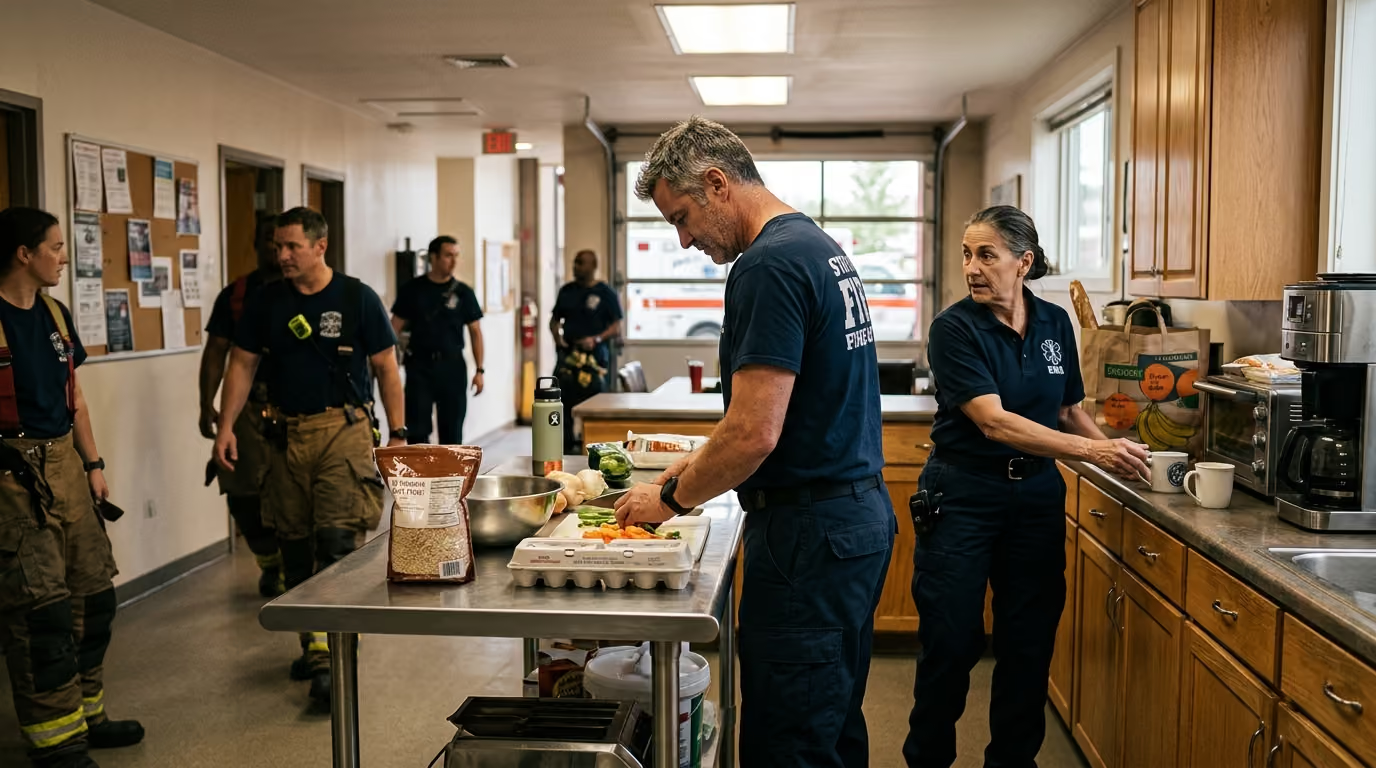

High-dose vitamin supplements promise surplus energy for first responders, but duty readiness relies on balanced whole foods and targeted testing for true deficiencies.





At two in the morning inside a quiet station kitchen, an empty energy drink can sits next to a bottle of high-potency multivitamin tablets and a tub of pre-workout powder. The crew member standing over the counter is dealing with heavy limbs, brain fog, and another six hours of a twenty-four-hour shift. Reaching for a handful of pills feels like a fast, practical way to restore depleted energy. However, micronutrients do not supply direct calories, and megadosing concentrated supplements rarely solves the fatigue caused by interrupted sleep, heavy physical calls, and missed meals.
Vitamins and minerals function as essential cofactors in human physiology, supporting oxygen transport, bone density, muscle contraction, fluid balance, and metabolic pathways. They cannot replace adequate calories, carbohydrates, protein, hydration, or sleep. For emergency personnel, maintaining adequate micronutrient status requires a clear understanding of daily nutritional requirements, occupational risk factors, food sources, and the hidden risks of excessive supplementation.
The scientific evidence on micronutrients confirms that severe deficiencies impair physical capacity, immune resilience, cognitive processing, and recovery. According to resources from the NIH Office of Dietary Supplements, vitamins and minerals act as essential compounds that the body cannot manufacture in sufficient quantities. They must be obtained consistently through the diet. When an individual has a true clinical deficiency, correcting that deficit restores baseline health and work capacity.
Evidence does not show that consuming micronutrients far beyond established biological requirements provides extra energy or enhanced physical performance. The Dietary Reference Intake framework established by the National Academies outlines how nutrient requirements are measured and applied across populations. Understanding these terms helps first responders separate marketing claims from nutritional reality.
There is an important distinction between a biological requirement, a population recommended intake, a laboratory biomarker, a routine supplement dose, and a high-potency therapeutic dose prescribed by a physician. In well-nourished individuals, taking large doses of vitamins does not create surplus energy. The body either excretes water-soluble excesses in urine or stores fat-soluble compounds in tissues where they can accumulate to toxic concentrations.
Nutrition science strongly supports a food-first model for establishing micronutrient adequacy. Whole and minimally processed foods provide complex matrices of vitamins, minerals, dietary fiber, essential fatty acids, and phytonutrients that work synergistically. Consuming nutrients through whole foods reduces the risk of accidental toxicity and prevents the displacement of essential macronutrients. While supplements play a targeted role in addressing diagnosed deficiencies or restrictive dietary needs, they cannot duplicate the biological benefits of a well-structured diet.
First responders operate under physical and environmental constraints that alter how the body utilizes and loses nutrients. Firefighters, police officers, paramedics, and dispatchers frequently manage irregular schedules, disrupted circadian biology, high thermal stress, and unpredictable call volumes. These factors directly influence dietary intake patterns, nutrient absorption, and physiological demand.
Prolonged structural firefighting or wildland deployments involve heavy physical exertion in extreme heat. High sweat rates deplete significant amounts of water and essential electrolytes, particularly sodium and chloride, along with modest amounts of potassium and magnesium. If personnel rely solely on plain water during prolonged high-heat incidents without replacing electrolytes through food or planned fluids, fluid balance and muscle function can quickly deteriorate.
Shift work and extended overnight duty also disrupt gastrointestinal function and appetite regulation. Digestion slows during biological night, and unpredictable dispatch tones often interrupt meals. Responders frequently rely on shelf-stable convenience foods, fast food, and stimulant beverages during long operational periods. Over time, this pattern can lead to low intakes of magnesium, potassium, folate, and vitamin C, alongside excessive intakes of refined fats and sodium.
Heavy duty gear, ballistic vests, and turnout gear create significant physical loads on the musculoskeletal system. Carrying thirty to seventy pounds of equipment during forced entry, patient extrications, or prolonged foot patrols increases mechanical stress on bones, joints, and connective tissue. This occupational load makes structural nutrients like calcium and vitamin D especially important for career longevity and injury prevention. Understanding cumulative shift fatigue helps personnel differentiate between the physical exhaustion of duty and the signs of nutritional deficiency.
Certain vitamins and minerals are particularly relevant to first responders due to their roles in physical endurance, tissue repair, neural signaling, and stress adaptation. Evaluating each nutrient through its physiological role, daily requirements, whole-food sources, and potential toxicity provides a practical blueprint for duty readiness.
Iron is an essential mineral central to the formation of hemoglobin, the protein in red blood cells that transports oxygen from the lungs to working muscles and vital organs. It is also an integral component of myoglobin, which supports oxygen storage within muscle tissue, and plays a role in cellular energy synthesis. When iron stores drop too low, oxygen delivery declines, resulting in physical weakness, rapid fatigue, breathlessness on exertion, and reduced cognitive focus.
Dietary iron exists in two distinct forms that behave differently in the digestive tract:
For adults aged nineteen to fifty, the RDA for iron is 8 mg per day for men and 18 mg per day for women. The significantly higher requirement for premenopausal women accounts for monthly blood loss through menstruation. After age fifty-one, the recommendation for women drops to 8 mg per day. Female responders who experience heavy menstrual cycles, personnel who donate blood frequently, and vegetarian or vegan responders face higher risks of developing depleted iron stores.
Consuming nonheme plant iron alongside foods rich in vitamin C, such as bell peppers, citrus fruits, tomatoes, or broccoli, helps convert iron into a more absorbable form. Conversely, drinking coffee or black tea directly with meals can reduce nonheme iron absorption due to polyphenol and tannin binding. Responders who prefer plant-based diets should focus on pairing iron-rich legumes and fortified grains with vitamin-C sources while separating heavy coffee consumption from their primary iron-containing meals.
Iron status cannot be determined simply by tracking daily energy levels or general fatigue. The primary laboratory marker for assessing total iron stores is serum ferritin. According to the NIH Office of Dietary Supplements, a serum ferritin concentration below 30 micrograms per liter indicates iron deficiency, while values below 10 micrograms per liter indicate iron-deficiency anemia. However, ferritin is also an acute-phase reactant that rises during acute inflammation, intense physical trauma, or infection, meaning laboratory values must always be interpreted by a physician within the full clinical context.
Supplementing with high-dose iron without a confirmed medical diagnosis can be dangerous. The adult Tolerable Upper Intake Level for iron is 45 mg per day. Unsupervised iron supplementation frequently causes constipation, nausea, abdominal pain, and vomiting. Excessive iron intake can also accumulate in internal organs over time, leading to tissue damage, and may mask underlying medical conditions such as internal bleeding or gastrointestinal pathology.
Vitamin D functions as a fat-soluble secosteroid hormone that regulates calcium absorption in the gut, maintains adequate serum calcium and phosphate concentrations, and supports bone remodeling. Beyond its primary role in skeletal health, vitamin D influences muscle protein synthesis, neuromuscular control, and immune cell regulation. For emergency personnel who carry heavy loads and perform physically unpredictable tasks, maintaining adequate vitamin D protects against stress fractures and musculoskeletal injuries.
The human body synthesizes vitamin D endogenously when bare skin is exposed to ultraviolet B radiation from sunlight. Dietary sources of vitamin D are relatively limited, consisting primarily of fatty fish such as salmon, mackerel, and sardines, egg yolks, beef liver, and fortified foods like milk, plant-based dairy alternatives, and breakfast cereals.
Many first responders experience limited direct sunlight exposure due to rotating night shifts, long indoor dispatch tours, structural gear coverage, and living in northern latitudes during winter months. Darker skin pigmentation also reduces cutaneous vitamin D synthesis because melanin acts as a natural barrier to ultraviolet radiation. However, having risk factors for low synthesis does not automatically mean an individual is clinically deficient.
The United States Preventive Services Task Force states that current evidence is insufficient to recommend universal, routine vitamin D screening for all asymptomatic, nonpregnant adults. Instead of broad screening, targeted blood testing using serum 25-hydroxyvitamin D concentrations is appropriate for individuals with risk factors, persistent bone pain, a history of stress fractures, or malabsorption issues.
The Recommended Dietary Allowance for vitamin D across most adult age groups is 600 to 800 International Units (15 to 20 micrograms) per day. The Tolerable Upper Intake Level is set at 4,000 IU (100 micrograms) per day for adults. Research cited by the NIH notes that sustained serum concentrations above 125 to 150 nmol/L (50 to 60 ng/mL) can lead to adverse events, including hypercalcemia, kidney stone formation, soft tissue calcification, and vascular stiffness. First responders should avoid routine mega-dose supplementation unless directed and monitored by a licensed medical provider.
Calcium is the most abundant mineral in the human body, with roughly ninety-nine percent stored in bone and dental structures to provide structural rigidity. The remaining one percent circulates in the blood and soft tissues, where it plays an indispensable role in vascular contraction, muscle fiber recruitment, nerve transmission, and cellular signaling. Because maintaining blood calcium levels is critical for cardiac and muscular function, the body will demineralize bone tissue if dietary intake is consistently inadequate.
First responders subjected to repeated impact forces, sudden heavy lifting, and demanding physical training require adequate calcium to support continuous bone remodeling. Calcium needs are particularly acute for personnel with low total energy intake, individuals who exclude dairy without replacing it with fortified alternatives, and female responders experiencing menstrual irregularities related to energy deficits.
The standard adult RDA for calcium ranges between 1,000 and 1,200 mg per day depending on age and sex. Reliable food sources include:
The adult Tolerable Upper Intake Level for calcium is 2,000 to 2,500 mg per day. Supplemental calcium consumed in excess of physiological needs can cause gastrointestinal distress, constipation, and may interfere with the absorption of other critical minerals, including iron, zinc, and magnesium. Furthermore, high supplemental calcium doses should be spaced away from certain medications, such as thyroid hormone replacements and specific antibiotics, following clinical advice.
Magnesium serves as a cofactor in more than three hundred enzymatic reactions throughout the human body. It is required for adenosine triphosphate (ATP) production, cellular energy metabolism, protein synthesis, neuromuscular transmission, and normal muscle relaxation. Because magnesium participates in both energy utilization and muscle contractile processes, active personnel frequently look to it for performance support and recovery.
Magnesium is widely available in whole, unrefined foods. High-yield dietary sources include pumpkin seeds, chia seeds, almonds, black beans, lentils, peanut butter, whole grains like brown rice and oats, and dark leafy greens. Building meals around these staples allows responders to hit daily targets naturally while improving fiber and micronutrient variety.
The RDA for adult men is 400 to 420 mg per day, and for adult women, it is 310 to 320 mg per day. True biochemical magnesium deficiency in healthy populations with varied diets is uncommon, as the kidneys tightly regulate magnesium excretion. However, marginal intakes can occur in individuals relying primarily on ultra-processed foods, people with chronic gastrointestinal disorders, and those with high alcohol consumption.
Emergency personnel often turn to magnesium supplements to treat acute muscle cramps experienced during or after demanding shifts. While magnesium is involved in muscle function, exercise-associated muscle cramps are multifactorial. They are more frequently driven by localized neuromuscular fatigue, high workload, dehydration, and heavy sweat-sodium losses rather than a rapid drop in systemic magnesium levels.
The Tolerable Upper Intake Level for magnesium is established at 350 mg per day specifically for supplemental and medicinal forms. This limit does not apply to magnesium naturally present in whole foods, which is processed safely by the digestive tract. Taking excessive amounts of supplemental magnesium, particularly in forms like magnesium oxide, citrate, or carbonate, draws water into the intestines and frequently results in osmotic diarrhea, abdominal cramping, and nausea.
The B-vitamin group consists of eight water-soluble compounds: thiamin (B1), riboflavin (B2), niacin (B3), pantothenic acid (B5), vitamin B6 (pyridoxine), biotin (B7), folate (B9), and vitamin B12 (cobalamin). These vitamins function collectively and individually as coenzymes that help extract usable energy from carbohydrates, fats, and dietary proteins.
Energy drinks and dietary supplements frequently market B vitamins as direct sources of physical stamina and mental alertness. This marketing is physiologically inaccurate. B vitamins facilitate the enzymatic breakdown of macronutrients, but they do not contain calories and do not provide direct energetic stimulation. If an individual is well-nourished, consuming excess B vitamins will not produce surplus energy or overcome the physical limitations of sleep deprivation.
Understanding the specific roles and limits of individual B vitamins helps prevent both deficiency and toxicity:
Iodine is an essential trace element required for the synthesis of the thyroid hormones thyroxine (T4) and triiodothyronine (T3). These hormones regulate systemic metabolic rate, cellular respiration, protein synthesis, body temperature, and growth. An inadequate supply of iodine limits thyroid hormone output, leading to compensatory thyroid enlargement (goiter), lethargy, cold intolerance, weight gain, and mental sluggishness.
The most dependable and widespread dietary strategy for ensuring iodine adequacy is the use of iodized table salt. Other reliable dietary sources include saltwater seafood, dairy products (due to iodine-based sanitizers used in milking equipment and animal feed supplementation), and whole eggs.
First responders often shift toward specialty salts, including pink Himalayan salt, Celtic sea salt, and kosher salt, believing they are healthier alternatives to standard table salt. However, specialty sea salts and gourmet salts rarely contain added iodine unless explicitly stated on the packaging. Personnel who exclude dairy, rarely eat seafood, and cook exclusively with non-iodized specialty salts are at risk of inadequate iodine intake.
The adult RDA for iodine is 150 micrograms per day, with a Tolerable Upper Intake Level established at 1,100 micrograms per day. Taking excessive iodine through concentrated kelp tablets, high-potency seaweed extracts, or unsupervised thyroid-support supplements can trigger thyroid dysfunction, inducing either hyperthyroidism or paradoxically shutting down thyroid hormone synthesis.
In high-stress, fatigue-heavy professions, the convenience of dietary supplements frequently leads to indiscriminate use. A widespread assumption across fitness and tactical cultures is that if a small amount of a micronutrient is essential for health, a larger dose must produce superior physical and cognitive performance. This assumption overlooks fundamental human physiology and increases the risk of toxicity.
A common issue among first responders is the accidental stacking of identical nutrients across multiple daily products. A typical daily routine might include:
When the Supplement Facts panels of these items are examined together, cumulative daily intakes of vitamin B6, niacin, folic acid, vitamin D, and zinc frequently exceed their respective Tolerable Upper Intake Levels. Because water-soluble B vitamins are often perceived as harmless, responders rarely calculate their total daily exposure across fortified drinks and powders. Over several months, this unrecognized stacking can lead to adverse gastrointestinal events, liver enzyme elevations, and progressive peripheral nerve irritation.
Indiscriminate supplementation also carries significant diagnostic risks. When a responder experiences declining duty performance, profound brain fog, or persistent fatigue, self-treating with high-dose B-complex tablets, iron, or vitamin D can obscure the underlying clinical problem. Fatigue is a nonspecific symptom that may stem from obstructive sleep apnea, clinical depression, chronic sleep debt, hypothyroidism, celiac disease, or internal blood loss. Taking supplements may temporarily alter blood biomarkers, delaying accurate clinical evaluation and appropriate treatment.
Product purity represents an additional operational concern. Dietary supplements do not undergo the rigorous pre-market safety and efficacy evaluations required for prescription medications. Supplements can contain unlisted fillers, inaccurate ingredient dosages, or unapproved stimulant compounds that do not appear on the label. First responders should prioritize products that carry independent, third-party verification seals from recognized testing organizations, such as NSF Certified for Sport, Informed Choice, or USP. These certifications verify that the product contains the ingredients listed on the label without dangerous contaminants or banned substances.
Rather than guessing at nutrient needs or ordering expensive commercial micronutrient panels, emergency personnel and occupational health teams can utilize a structured, three-tiered evaluation strategy.
The first step in evaluating nutritional health is reviewing actual food patterns and daily operational habits. Key questions include:
When dietary habits appear irregular or workload is exceptionally high, personnel should assess whether they are experiencing persistent physical or cognitive red flags. These include exertional breathlessness, uncharacteristic muscle weakness, persistent joint or bone pain, cold intolerance, unusual hair loss, brittle nails, or unexplained tingling in the extremities. Because these signs overlap heavily with basic sleep deprivation and overtraining, they should be documented over several weeks rather than evaluated after a single difficult tour.
If symptoms persist despite structured sleep and regular meals, targeted clinical testing should be conducted under the direction of a physician. Broad, direct-to-consumer nutritional blood panels often produce difficult-to-interpret results with high rates of false positives. Testing should follow specific clinical hypotheses:
Meeting micronutrient requirements on irregular schedules requires accessible, nutrient-dense meal strategies that can be prepared in the station kitchen or packed into an apparatus cooler. Applying practical station meal planning strategies provides consistent energy without relying on ultra-processed convenience items.
Preparing a nutrient-dense meal before or at the start of a shift sets a baseline of micronutrients that are hard to find on the road.
When calls prevent a crew from returning to quarters for dinner, having portable, non-perishable options prevents reliance on fast-food drive-throughs.
Responders who choose vegetarian or vegan diets can maintain physical readiness, but they must plan deliberately to avoid common nutritional gaps.
Several widespread assumptions regarding vitamins and minerals persist across the emergency services. Addressing these misconceptions helps personnel make safer, evidence-aligned choices.
Fatigue is the most common complaint among emergency service personnel. While iron, B12, and vitamin D deficiencies cause lethargy, the overwhelming majority of shift-work fatigue stems from chronic circadian disruption, acute sleep debt, high sympathetic nervous system arousal, inadequate calorie intake, or poor hydration. Taking high-dose vitamin supplements will not overcome the physiological impact of working multiple overnight shifts on four hours of broken sleep. Responders should focus on eating during night shifts to maintain metabolic rhythm before assuming a micronutrient deficiency exists.
Vitamins and minerals are natural biological compounds, but concentrated supplement forms deliver doses far beyond what is obtainable through normal food intake. Iron, iodine, vitamin D, calcium, and vitamin B6 all possess established Tolerable Upper Intake Levels based on clear evidence of organ toxicity, nerve damage, or metabolic impairment when consumed in excess. Natural compounds must be treated with the same pharmacological respect as conventional medications.
When responders experience calf or foot cramps following a long fire ground operation or heavy training session, they are frequently told to take magnesium pills. However, operational muscle cramping is most frequently caused by localized neuromuscular fatigue, high exercise volume, and significant sodium losses in sweat. Magnesium is only one of many physiological variables. Increasing dietary sodium, managing fluid volume, improving physical conditioning, and practicing active recovery are far more likely to alleviate exercise-associated muscle cramping than magnesium tablets alone.
Relying on a cheap multivitamin to compensate for a diet dominated by refined foods, energy drinks, and skipped meals creates a false sense of nutritional security. Multivitamins cannot provide the physical bulk of dietary fiber, the cellular benefits of complex carbohydrates, the essential amino acids required for muscle repair, or the fluid volume needed for circulation. Furthermore, minerals within a single multivitamin pill often compete for the same intestinal absorption pathways, reducing overall bioavailability. A multivitamin cannot repair the physiological strain caused by a chronically poor dietary pattern.
Managing nutrition as a first responder requires balancing physical readiness with safety boundaries. Dietary strategies should enhance health without creating operational risks or financial waste.
First responders must never attempt to train, operate emergency apparatus, or report for duty when severe physical exhaustion, dizziness, unmanaged illness, or supplement-induced side effects impair performance. If taking high doses of pre-workouts, thermogenics, or concentrated vitamins produces heart palpitations, lightheadedness, tremors, or gastrointestinal distress, personnel must immediately step back from safety-critical duties. Relying on stimulants and high-dose vitamin formulations to mask dangerous levels of physical exhaustion jeopardizes personal safety and crew readiness. Practicing structured managing energy on night duty provides a safer framework for staying alert without creating extreme physiological strain.
Supplements also interact with medical treatments. High doses of vitamin E or ginkgo can increase bleeding risks, excess calcium interferes with thyroid medications and certain antibiotics, and high supplemental vitamin K can disrupt anticoagulant therapies. Personnel should maintain an updated list of all vitamins, minerals, sports supplements, and medications they consume, sharing that information openly with departmental medical officers and personal physicians.
Self-management through whole foods should be the foundation of a first responder's nutritional strategy. However, certain symptoms and clinical patterns warrant prompt evaluation by a licensed healthcare provider, such as an occupational medicine physician or a registered dietitian specializing in sports and occupational nutrition.
Personnel should seek professional medical evaluation if they experience:
A licensed physician can order appropriate diagnostic tests, identify the underlying cause of symptoms, and prescribe targeted therapeutic treatments rather than relying on trial-and-error supplementation.
Applying these nutritional principles consistently does not require complex meal tracking or expensive products. Responders can use this straightforward checklist to assess their daily micronutrient habits across a shift cycle.
Review this guide whenever your operational tempo increases, when transitioning to permanent night shifts, when modifying your baseline diet (such as adopting a plant-based or low-carbohydrate approach), or when recovering from an unexplained drop in physical readiness.
Building consistent duty readiness relies on respecting human physiology through balanced whole foods, structured sleep, adequate hydration, and targeted medical oversight rather than quick-fix supplements.
Stay connected for research-led guidance on duty fitness, shift-work sleep, injury recovery, stress, nutrition and career longevity. Practical ideas for first responders who want to stay capable on the job, recover well and protect their health for the long run.



Read practical guidance on first responder fitness, recovery, sleep, nutrition and resilience for demanding work and a long, active career.
read the blog



