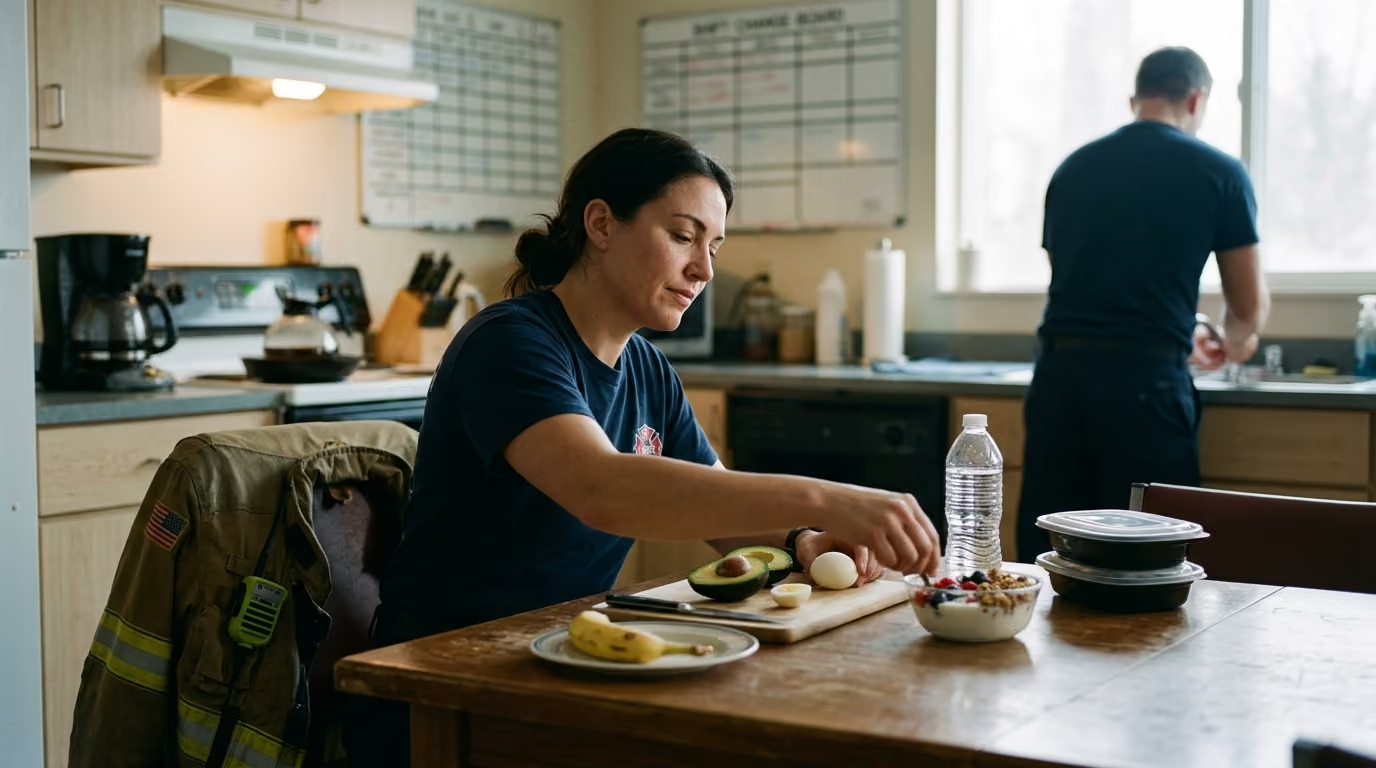

Heavy post-shift breakfasts disrupt digestion, but strategic pre-sleep nutrition and meal timing protect daytime sleep quality and circadian metabolic health.





You clock out at 0700 after a twelve-hour tour. Your eyes are gritty, your uniform smells like exhaust, and your stomach feels unsettled. As you drive past glowing drive-through windows, you face a common dilemma. Should you eat a massive breakfast to reward yourself, or should you go to bed on an empty stomach?
Eating the wrong meal can leave you tossing and turning with acid reflux. Going to bed hungry can cause you to wake up at noon with a growling stomach and broken sleep. Understanding how food interacts with your internal clock allows you to protect your daytime recovery without feeling starved.
The quick answer is straightforward. Avoid eating a heavy, high-calorie meal immediately before daytime sleep. If you are hungry, eat a small, easily digestible snack containing moderate protein and complex carbohydrates one to two hours before bed. Keep fluids modest to prevent bathroom interruptions, cut caffeine at least five hours before sleep, and save your main recovery meal for when you wake up.
Your body operates on a master circadian clock located in the brain, alongside peripheral clocks in your liver, gut, and muscle tissue. These internal timers anticipate daytime feeding and nighttime rest. When you work all night, your digestive tract and metabolic organs operate in biological night mode.
During the biological night, insulin sensitivity drops significantly. Research in chrononutrition shows that eating during the biological night produces higher postprandial glucose excursions and impaired glucose tolerance compared to daytime eating. In simulated shift-work trials, nighttime eating led to an approximate 27 percent increase in glucose area under the curve across the testing period.
Controlled laboratory studies have confirmed this metabolic vulnerability. In one trial, nighttime eating impaired glucose metabolism in response to a subsequent morning meal, driving a 30 percent increase in postprandial glucose area under the curve. When you digest food at 0730, your body processes those nutrients far less efficiently than it would at 1330.
Gastric motility and digestive enzyme production also decline during typical sleeping hours. Pumping a heavy load of dietary fat, refined starch, and animal protein into your stomach right before bed delays gastric emptying. This mismatch frequently causes heartburn, indigestion, and fragmented sleep architecture.
Understanding chrononutrition helps you make deliberate choices rather than viewing late meals as simple calorie exchanges. When you align your eating with your internal biology, you reduce metabolic strain. You can learn more about these mechanisms in our guide to circadian rhythm eating windows.
The scientific evidence on shift-work nutrition comes from a mix of controlled laboratory simulations, occupational field trials, and observational cohort studies. While controlled studies offer high internal validity, real-world shift work introduces stress and physical demands that require nuanced interpretation.
The American Academy of Sleep Medicine published guidance for adults with shift work disorder and excessive sleepiness. They conditionally suggest either consuming a modest snack or avoiding eating altogether during the night shift, rather than consuming a full meal. This recommendation carries low certainty of evidence, reflecting the difficulty of running long-term dietary trials in working populations.
Simulated shift-work trials consistently show that large overnight meals impair performance. In one study, participants who ate a full meal at 0130 showed significantly worse vigilant attention at 0400 than those who avoided nighttime eating. A separate trial found that participants reported less subjective sleepiness after consuming a light snack than after eating a full meal or fasting completely.
Observational data from working nurses provides further context. A study investigating shift-working nurses found that a higher proportion of dietary protein across meals was associated with better sleep efficiency. Interestingly, shorter intervals between a light intake and sleep were associated with longer sleep duration and better subjective sleep quality.
Evidence grading across current chrononutrition research shows:
Federal occupational health guidelines from the Centers for Disease Control and Prevention and the National Institute for Occupational Safety and Health align with these findings. They recommend reducing overall food intake between midnight and 0600. They also advise avoiding large, heavy meals one to two hours before your main sleep episode.
For emergency personnel, physiology meets messy operational realities. A paramedic running back-to-back medical calls, a firefighter battling structure fires in structural turnouts, or a police officer managing high-acuity incidents cannot always pause for structured meals. High physical load, environmental heat, and sudden adrenaline surges dramatically alter metabolic burn.
When you spend an entire tour operating under sympathetic nervous system dominance, your digestion slows. Blood diverts away from the gut to support cardiac output and skeletal muscle function. Eating a large meal during a temporary lull often backfires if a critical call drops twenty minutes later.
Extended operations in heavy gear also accelerate fluid and electrolyte losses. Dehydration combined with adrenaline suppression of appetite leads many first responders to finish their shift completely depleted. When the shift finally ends, the combination of hunger rebound and fatigue often drives rapid, poor nutritional choices.
Station culture and drive-through availability compound the problem. When you clear the station at 0700, commercial breakfast burritos, pastries, and oversized diner platters are the most accessible options. Consuming these high-fat, refined-carbohydrate meals right before climbing into a dark bedroom creates a perfect storm for gastrointestinal distress and broken sleep.
To maintain operational readiness and health across a multi-decade career, you need a system that accommodates unpredictability without sacrificing sleep quality. You can review broader operational strategies in our first responder shift nutrition framework.
Managing your post-shift nutrition requires dividing the end of your shift into three distinct operational windows. Structuring your intake this way prevents accidental overeating and protects your upcoming daytime sleep.
The final work meal should occur roughly two to four hours before your shift ends, typically between 0300 and 0500. The primary goal of this meal is hunger prevention. It stops you from reaching shift completion in a state of ravenous depletion.
Keep this meal moderate in volume and balanced in macronutrients. Focus on lean protein, lower-glycemic carbohydrates, and modest healthy fats. Examples include a bowl of chili with beans, grilled chicken with roasted sweet potatoes, or a firm tofu stir-fry with brown rice.
Eating this balanced meal during the late shift keeps blood sugar stable as your shift concludes. It eliminates the urge to pull into a fast-food drive-through on your way home. If emergency calls interrupt this window, rely on portable backup options kept in your duty bag.
The commute window occurs between clock-out and walking through your front door. For many responders, this is the most vulnerable point of the morning. Cognitive fatigue lowers willpower, while the brain seeks dopamine and quick energy from salty, fatty, or sugary foods.
Before buying food on the road, run through a rapid mental checklist:
If you must eat during your commute, choose simple, portable foods that you packed the night before. A piece of whole fruit with a small handful of almonds or a ready-to-drink protein shake works well. Keep water on hand to sip moderately without chugging.
The pre-sleep intake happens twenty to forty minutes before you pull the blackout curtains and lie down. This intake is strictly for hunger management, not complete metabolic recovery. Its only purpose is to prevent hunger pangs from waking you up three hours into your sleep cycle.
If you ate a solid final work meal and feel comfortable, skip this intake entirely and drink a few sips of water. If your stomach is empty and growling, consume a small, sleep-compatible snack under 300 calories. Keep it low in total volume, low in refined sugar, and easy on your digestive tract.
Avoid turning this window into an emotional decompression feast. Treat the pre-sleep snack as a targeted biological tool designed to preserve sleep continuity.
A sleep-compatible food provides satiety and stable blood glucose without irritating the stomach lining or delaying gastric emptying. It should require minimal digestive effort while supplying amino acids that support recovery.
Protein promotes satiety and helps prevent mid-sleep awakenings caused by drops in blood sugar. Observational research in shift workers shows positive correlations between dietary protein proportion and sleep quality. However, heavy, high-fat animal meats can sit in the stomach for hours.
Select lighter, easily digestible protein options for your pre-sleep snack:
Carbohydrates can support serotonin and melatonin synthesis by facilitating tryptophan transport across the blood-brain barrier. However, large amounts of refined carbohydrates or pure sugar cause rapid blood glucose spikes followed by reactive hypoglycemia, which disrupts sleep.
Select lower-glycemic, fiber-balanced carbohydrates in modest portions:
While healthy fats and dietary fiber are essential for long-term health, keep them moderate in your pre-sleep intake. High amounts of fat delay gastric emptying, increasing the risk of acid reflux when you lie flat. High amounts of coarse insoluble fiber can cause bloating, gas, and abdominal cramping during sleep.
Limit pre-sleep fats to a small tablespoon of nut butter, a quarter of an avocado, or a few walnuts. Avoid heavily fried foods, greasy breakfast meats, hot sauces, and heavily spiced dishes.
Here are five practical snack combinations that fit within sleep-compatible guidelines:
What you drink during the final hours of a night shift directly dictates how well you sleep during the day. Poor fluid and caffeine timing represent two of the most common mistakes made by night-shift personnel.
Caffeine is an adenosine receptor antagonist that masks fatigue. According to NIOSH data, caffeine has an average elimination half-life of five to six hours, though individual clearance rates vary based on genetics, age, and liver function. In some individuals, caffeine remains active in the bloodstream for eight to ten hours.
If you drink a large coffee or an energy drink at 0500 to power through the end of your shift, a substantial dose will still circulate in your brain at 0900. Even if extreme fatigue allows you to fall asleep, residual caffeine reduces slow-wave deep sleep and rapid eye movement sleep.
Establish a firm caffeine cutoff time at least five hours before your planned sleep episode. If you plan to sleep at 0830, consume your final caffeinated beverage no later than 0330. If you need a late-shift alertness boost, rely on bright light exposure, physical movement, cold water face rinses, or brief tactical naps. For detailed timing frameworks, read our guide on managing caffeine and energy on night duty.
Dehydration elevates resting heart rate, degrades cognitive performance, and promotes morning headaches. However, chugging a massive bottle of water right before getting into bed guarantees multiple awakenings to use the bathroom. Daytime sleep is already lighter and more vulnerable to disruption than nocturnal sleep.
Follow a structured hydration strategy throughout your tour:
When you wake up to urinate mid-sleep, your body is exposed to ambient light and temperature changes that make falling back asleep difficult. Tapering liquids preserves sleep continuity. To refine your overall sleep environment, explore our shift-specific sleep planning guide.
The primary recovery meal should occur when you wake up from your main daytime sleep block. At this point, your body is closer to its biological daytime, core body temperature is rising, and insulin sensitivity is recovering.
Consuming your largest meal after waking provides the nutrients necessary to rebuild tissue, replenish glycogen stores, and fuel your next shift or family commitments. It prevents the metabolic penalty of digesting heavy food while trying to sleep.
Build your waking meal around whole, nutrient-dense foods:
Waking up after a short, fragmented day sleep often triggers intense cravings for hyper-palatable convenience foods. Sleep restriction alters appetite-regulating hormones, increasing ghrelin (the hunger hormone) and suppressing leptin (the satiety hormone).
To prevent an uncontrolled eating episode upon waking:
If you are working consecutive night shifts, this waking meal acts as your "breakfast" before heading back to the station. If you are transitioning to off-duty days, this meal serves as a late lunch or early dinner.
Different shift lengths, workloads, and individual schedules require tailored nutritional strategies. Here are four common case patterns demonstrating how to apply these principles.
Profile: A 911 dispatcher or communications officer working 1900 to 0700 with low physical activity.
Profile: An EMS crew running twelve calls over a 14-hour shift with interrupted meal breaks.
Profile: A firefighter working 0800 to 0800 who operated at a working structure fire between 0200 and 0500.
Profile: A police officer rotating between day and night shifts, focusing on fat loss and metabolic health.
For broader dietary structures that support body composition goals across changing schedules, review our nutrition and body composition resources.
Avoiding common pitfalls helps protect both your digestive comfort and sleep duration.
Many responders view a massive post-shift breakfast as a mandatory ritual or reward. Eating a four-egg scramble with bacon, sausage, hash browns, and pancakes right before bed forces your cardiovascular and digestive systems to work overtime while you sleep. Keep post-shift meals small, and save the celebratory feasts for your off-duty days.
Some shift workers attempt rigid fasting protocols, refusing to eat anything after midnight despite intense hunger. Going to bed with severe hunger pangs elevates cortisol and sympathetic tone, making it difficult to fall asleep or causing early awakenings. If genuine hunger threatens your sleep, eat a small, sleep-compatible snack.
Consuming a beer or glass of whiskey alongside a post-shift meal is a common but destructive coping habit. While alcohol acts as a central nervous system depressant that induces rapid sleep onset, it severely degrades sleep architecture. Alcohol suppresses REM sleep, increases nighttime awakenings, worsens sleep apnea, and causes dehydration.
Drinking coffee or energy drinks during the final thirty minutes of a shift to stay alert on the drive home destroys morning sleep. If severe sleepiness threatens your commute, pulling over for a twenty-minute nap in a secure parking lot is far safer and more effective than flooding your system with late caffeine.
Grabbing pastries, energy bars, or candy from station vending machines during the final hour provides a rapid spike in energy followed by an insulin surge. This volatile blood sugar swing disrupts sleep architecture and drives rebound hunger shortly after you fall asleep.
Nutritional strategies cannot fully erase the physiological strain of night work. Circadian disruption exerts real biological costs, and meal timing represents only one pillar of a comprehensive fatigue-management system.
Never rely on dietary adjustments or stimulants to push through extreme, unsafe levels of exhaustion. If fatigue makes driving home dangerous, do not attempt to compensate with energy drinks or snacks. Sleep in a station bunk, use public transit, or arrange for a ride.
Dietary needs vary significantly based on body size, total daily energy expenditure, underlying metabolic health, and climate. An individual working heavy rescue in high summer heat requires substantially more fluid, sodium, and total calories than an officer performing administrative desk duty. Adapt these principles to your operational realities rather than following rigid, dogmatic rules.
Every nutritional choice involves trade-offs. Fasting completely during the final hours of a shift improves metabolic markers for some individuals, but it may cause sleep-disrupting hunger in others. Consuming a small pre-sleep snack protects sleep continuity, but it introduces minor digestive activity during biological rest. Experiment systematically during your shift rotations to identify which balance best supports your recovery.
While dietary adjustments resolve many common shift-work complaints, chronic symptoms warrant comprehensive medical evaluation. Persistent digestive distress, metabolic abnormalities, or chronic sleep disturbances should not be ignored or normalized as simple occupational hazards.
Consult with a licensed physician, registered dietitian, or sleep specialist if you experience:
Working with a healthcare provider who understands shift-work physiology allows you to develop targeted medical and nutritional plans tailored to your health profile. You can find additional evidence-based strategies in our career longevity resources.
Revisit this guide whenever your shift rotation changes, when you transition from day tours to night blocks, or if you notice your daytime sleep quality deteriorating. Reviewing these meal timing rules is especially helpful when dealing with unexplained fatigue, persistent acid reflux, or body composition changes.
Protecting your post-shift recovery through disciplined meal timing safeguards your daily performance, strengthens your resilience against operational stress, and supports your health across a long emergency services career.
Stay connected for research-led guidance on duty fitness, shift-work sleep, injury recovery, stress, nutrition and career longevity. Practical ideas for first responders who want to stay capable on the job, recover well and protect their health for the long run.



Read practical guidance on first responder fitness, recovery, sleep, nutrition and resilience for demanding work and a long, active career.
read the blog



