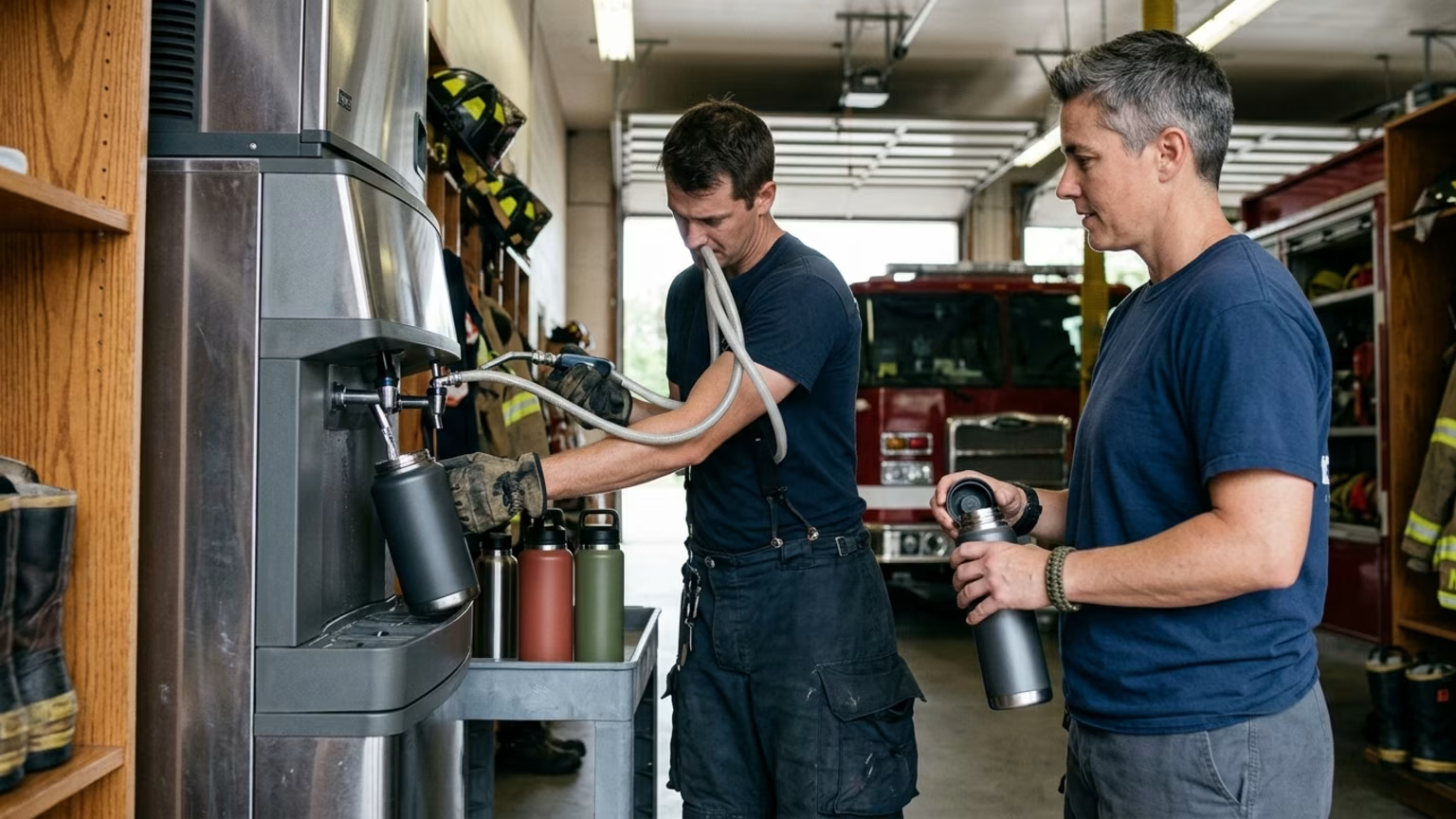

Adjust fluid and electrolyte intake to meet emergency duty demands. Manage hydration safely around heat exposure, heavy protective gear and intense workloads.





Operational hydration is the process of matching fluid and electrolyte intake to the physical demands of emergency duty. It replaces generic daily water targets with a strategic response to heat, physical workload and protective clothing. First responders face rapid fluctuations in body temperature and fluid loss during their shifts. A single call in heavy gear alters the biological requirement for water and minerals completely.
Civilian advice often promotes drinking a fixed amount of water every day. This static approach fails when applied to unpredictable emergency operations. A quiet station assignment requires a completely different strategy than an active structure fire. Recognizing this difference prevents both dangerous dehydration and excessive water consumption on duty.
Fluid balance directly dictates how well the body regulates its internal temperature under stress. When personnel understand this dynamic, they can adjust their habits before physical symptoms appear. The goal is to maintain sufficient blood volume to support working muscles and cognitive function. This proactive mindset separates professional readiness from reactive survival during grueling operations.
Many wellness programs assume a predictable schedule where meals and rest occur at standard intervals. Emergency services operate outside of these predictable boundaries entirely. A sudden structural fire or a prolonged rescue operation completely derails any standard nutritional timeline. This unpredictability requires a flexible, evidence-based approach to sustaining energy and maintaining core body temperature.
Hydration directly dictates a first responder's capacity to tolerate heat and maintain physical performance. Fluid losses reduce blood volume and increase the strain on the cardiovascular system during heavy exertion. When fluid intake drops below sweat loss, physical and cognitive capabilities rapidly decline. This deficit impairs critical decision-making and drastically reduces heat tolerance while wearing heavy protective gear.
A University of Canberra study funded by Natural Hazards Research Australia highlights this exact occupational challenge. Researchers are examining work and rest cycles, cooling opportunities, hydration and possible heat training for firefighters. Their work frames heat management as a complex systems problem rather than a simple beverage choice. Survival and readiness depend on integrating these physiological factors into daily department protocols.
Failing to manage these variables correctly leaves personnel vulnerable to severe physical exhaustion. The National Fire Protection Association recently consolidated several safety guidelines into NFPA 1550. This standard integrates earlier fire and emergency-service health, safety and incident-management standards. Treating fluid replacement as a deliberate occupational safety measure protects long-term career longevity.
Arriving at work already depleted forces the body to play a dangerous game of catch-up. The physiological cost of starting a heavy work cycle in a deficit is massive. Heart rates climb faster, core temperatures rise quicker and fatigue sets in significantly earlier. Proper fluid management preserves the biological reserves necessary to finish a physically demanding shift safely.
Physical conditioning alone cannot outwork the severe biological penalty of poor fluid management. Even the fittest personnel will experience rapid heart rate spikes when blood volume drops significantly. This cardiovascular drift forces the heart to work exponentially harder just to maintain basic blood pressure. Protecting blood volume through strategic fluid replacement directly preserves cardiovascular efficiency during strenuous labor.
The physical reality of emergency service shifts changes how the body handles heat and water. Several core biological mechanisms dictate these shifting requirements during active duty. Understanding these mechanisms helps emergency professionals make better decisions about their recovery. The primary factors include protective clothing, sodium depletion, thirst suppression and cumulative heat exposure.
Here are the primary mechanisms that alter fluid requirements on shift:
Generating power during intense tasks creates massive amounts of internal metabolic heat. Muscles are relatively inefficient engines that produce heat as a byproduct of movement. When a responder works hard in insulated gear, this internal heat cannot easily escape into the environment. The body responds by sweating profusely, rapidly accelerating the depletion of critical fluids and minerals.
Failing to match fluid intake to physical demand produces noticeable physical symptoms. Underhydration often presents as severe fatigue, muscle cramping, dark urine and reduced physical coordination. Recognizing these early warning signs allows responders to correct their fluid balance before performance fails. Relying solely on thirst often leaves personnel chronically depleted during intense operational periods.
On the opposite end of the spectrum, consuming excessive amounts of plain water creates dangerous complications. OSHA-oriented guidance warns that total fluid intake should not exceed 48 ounces per hour. Crossing this threshold increases the risk of exercise-associated hyponatremia during heavy physical labor. This condition occurs when blood sodium becomes dangerously diluted from consuming too much plain water.
Hyponatremia shares several symptoms with typical post-call exhaustion or environmental heat illness. The warning signs include severe confusion and worsening headaches. Repeated vomiting, altered behavior and seizures are also serious indicators. These severe symptoms require immediate medical evaluation rather than an improvised attempt to force more water. Ignoring these signals can turn a manageable recovery issue into a life-threatening medical emergency.
A practical monitoring approach involves paying attention to body mass changes over a shift. A falling post-session body weight clearly indicates a net fluid loss that requires replacement. Conversely, gaining weight during an operation suggests that fluid intake is outpacing sweat loss. Monitoring these trends provides a clear picture of how well a responder is adapting.
Field assessments should also consider how environmental conditions compound these physical symptoms. A mild headache on a cool day might merely signal minor fatigue or lack of sleep. That same headache during a summer wildland operation requires immediate evaluation for severe heat illness. Context matters immensely when interpreting physical distress during active emergency operations.
A practical baseline approach starts with arriving at the station fully prepared for physical work. The Minnesota Firefighter Initiative recommends beginning the day with 16 to 24 ounces of fluid. They suggest sipping regularly during the shift and keeping water accessible in assigned vehicles. Managing fluid effectively requires scaling your intake to match your actual operational workload.
During routine indoor station work, simple habits are usually sufficient to maintain baseline readiness. Drinking periodically in response to thirst and eating normal meals will generally meet basic biological needs. Responders should monitor urine color as a broad indicator of their physical status. Pale yellow urine suggests adequate fluid levels, while persistently dark urine indicates a need for more water.
When operations shift to heavy exertion, strategies must become far more deliberate and structured. OSHA-oriented guidance commonly uses about 8 ounces every 15 to 20 minutes as a starting point. The Minnesota Firefighter Initiative notes that electrolyte drinks are especially useful during long calls. They highlight intense training, burn days and hot weather as specific situations requiring mineral replacement.
Following a demanding incident, gradual restoration of fluids and nutrients supports physical recovery. The post-exercise rehydration review reported that carbohydrate-electrolyte drinks restored subsequent exercise capacity effectively. The same review found that rehydration was better supported when fluid was combined with solid food. Combining standard fluids with meals is an excellent strategy for managing daily fluid intake naturally.
Individualizing this process involves calculating rough sweat rates during representative training evolutions. A simple estimate subtracts post-session body mass from pre-session body mass. You then add the fluid consumed and subtract the urine passed during the exercise period. This calculation helps responders understand their personal requirements for replacing lost sodium and other minerals.
Department leadership also plays a crucial role in supporting these biological necessities on the fireground. Providing shaded cooling stations and enforcing mandatory rest cycles are just as important as providing water. Fluids cannot replace the physiological need to physically remove gear and lower core body temperatures. A comprehensive approach integrates drinking, resting and active cooling into one unified safety procedure.
Consider how you currently approach fluid intake before, during and after a demanding shift. Do you scale your consumption based on environmental heat and the insulating weight of your gear? Are you relying solely on thirst during chaotic incidents, or do you utilize a deliberate plan? Evaluating these baseline habits allows you to replace guesswork with a structured approach to physical readiness.
Building a reliable protocol now will protect your physical capacity during the heaviest operational periods. The evidence clearly shows that arbitrary drinking targets fail in the context of emergency services. You have the opportunity to align your daily routines with the actual physiological demands of your job. Taking control of these variables is a necessary step for repairing daily physical wear over a long career.
Fluctuating between sedentary station duties and extreme heat exposure makes standard fluid guidelines useless, and Rescuris delivers the exact clinical translation needed to navigate these shifts safely. Balancing strength, endurance, mobility and body composition across a demanding career requires practical protocols, and we help you build that physiological foundation without relying on generic fitness advice. Explore Resources
Rescuris publishes evidence-aware guidance for firefighters, police officers, paramedics and other first responders on fitness, recovery, sleep, nutrition, stress resilience and long-term capability.






Read practical guidance on first responder fitness, recovery, sleep, nutrition and resilience for demanding work and a long, active career.
read the blog
